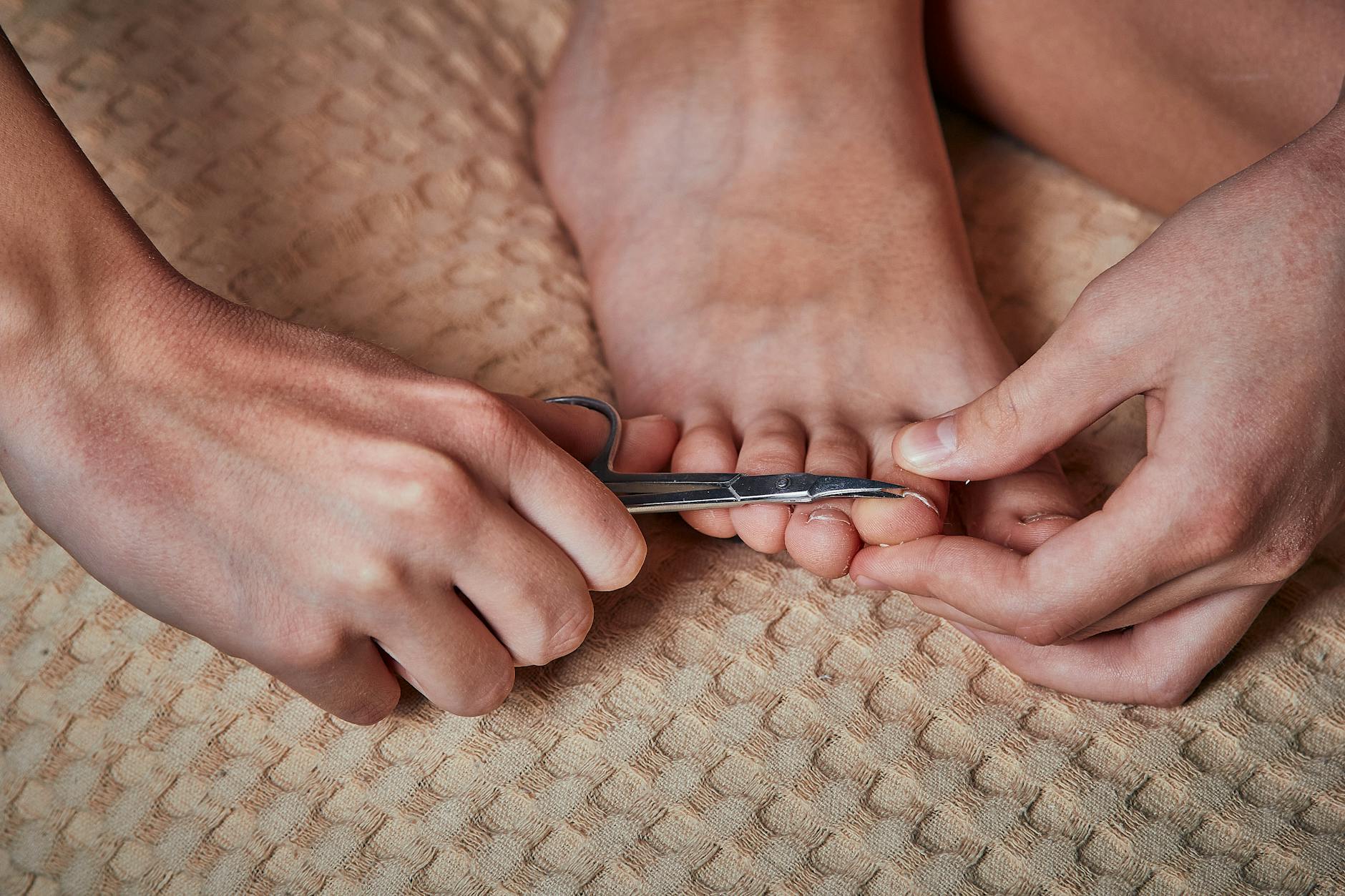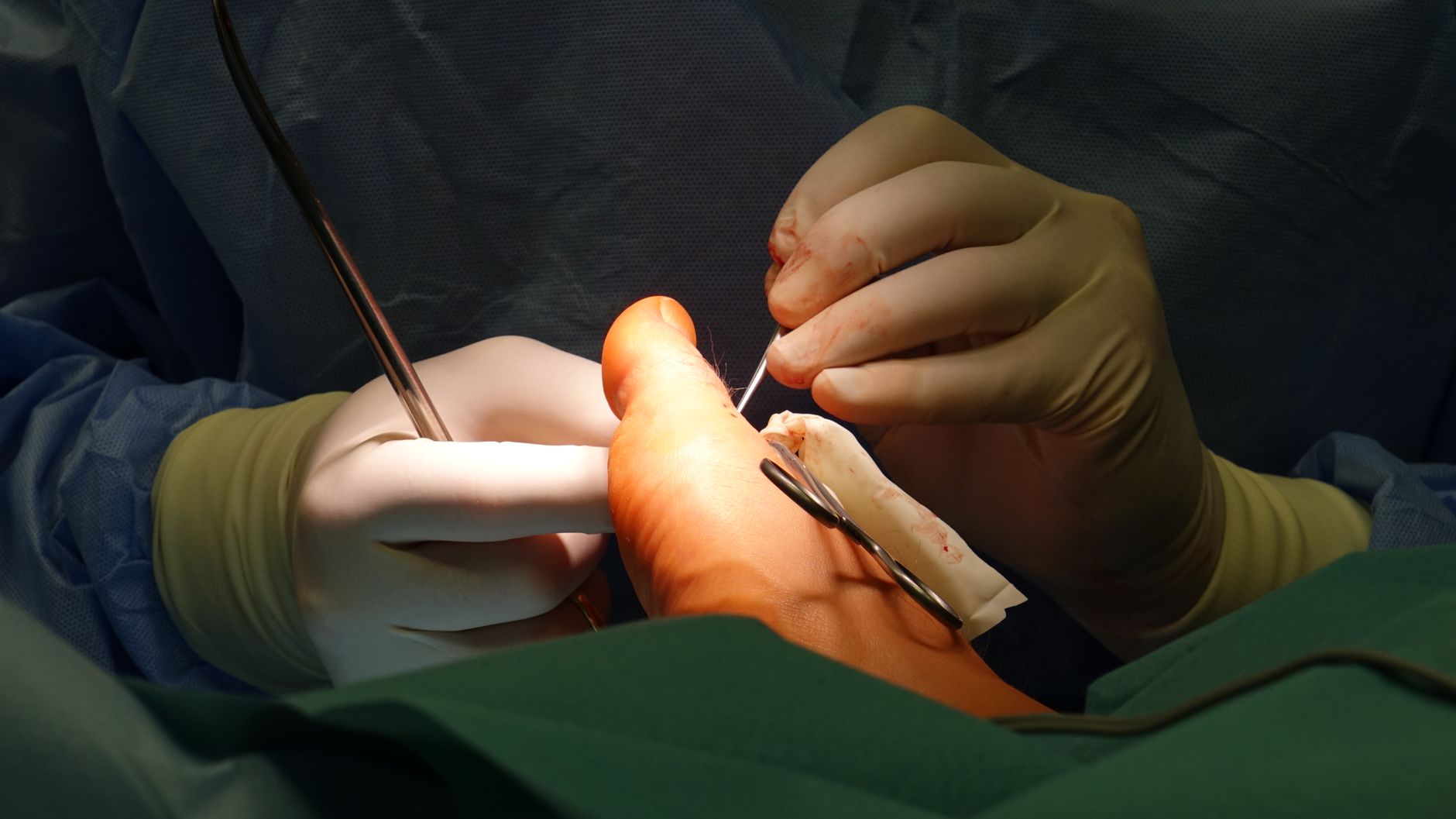
Common Nail Surgery Complications

While nail surgery is generally safe, understanding potential complications helps you prepare for recovery and recognize when to contact your doctor. Most patients heal without major issues, but being informed about common problems ensures better outcomes.
“Most nail surgery complications are treatable when caught early and addressed promptly.”
Infection represents the most frequent complication, occurring when bacteria enter the surgical site. Watch for increasing redness spreading beyond the immediate area, yellow or green discharge, red streaking up your finger, or fever. These signs require immediate medical attention to prevent serious complications.
Bleeding complications typically involve persistent oozing beyond the first 24 hours. Minor bleeding is normal, but soaking through bandages repeatedly indicates a problem requiring medical evaluation.
Pain management issues arise when discomfort exceeds expected levels or worsens after initial improvement. Delayed healing often results from infection, poor circulation, or failure to follow post-operative instructions. Proper wound care and activity restrictions significantly reduce these risks.
Infection Risks and Warning Signs

Infection represents the most serious complication following nail surgery, occurring when bacteria enter the surgical site through improper wound care or environmental exposure. Your body's healing response creates an ideal environment for bacterial growth if proper precautions aren't followed.
“Early recognition of infection symptoms can prevent permanent scarring and ensure proper healing.”
Watch for these infection warning signs: increased redness extending beyond the surgical site, warm skin around the toe, yellow or green discharge with a foul odor, red streaking up your foot, and throbbing pain that worsens after the first few days. Fever or chills indicate the infection may be spreading systemically.
Seek immediate medical care if you notice any of these symptoms, especially within the first week after surgery. For example, a patient with diabetes who develops spreading redness should contact their doctor the same day, as infections progress rapidly in compromised immune systems.
Prevention requires consistent wound cleaning, keeping the area dry, changing dressings as directed, and avoiding tight footwear that creates pressure on the healing tissue.
Nail Regrowth Problems
Nail regrowth after surgery can bring unexpected challenges that extend beyond the initial healing period. While most nails grow back normally, some patients experience abnormal growth patterns that create lasting concerns.
Abnormal nail growth often appears as ridges, splits, or uneven surfaces that differ from your original nail. The nail may grow thicker or thinner than before, creating an irregular appearance. Permanent nail deformity can occur when the nail matrix sustains damage during surgery, affecting how cells produce new nail tissue.
Recurrence of the original problem happens when underlying conditions like ingrown nails return due to genetic factors or improper healing. Your age, overall health, and post-surgery care significantly influence regrowth success. Most regrowth problems improve over time, and while some changes may be permanent, they rarely cause functional limitations.
When to Contact Your Doctor

Contact your doctor immediately if you notice increasing redness that spreads beyond the surgical site, pus with a foul smell, or red streaks extending from your nail area. These signs indicate a serious infection that requires prompt medical attention.
Seek help within 24 hours if you experience severe pain that worsens instead of improving, excessive bleeding that soaks through bandages, or if your nail bed appears dark blue or black. While some discomfort and minor bleeding are normal after nail surgery, these symptoms suggest complications that need professional evaluation.
When calling your doctor, describe your symptoms clearly, mention when they started, and note any changes since your procedure. Include details about pain levels, drainage color and amount, and any medications you're taking. Remember that addressing complications early prevents permanent scarring and ensures proper healing of your nail area.
Watch for warning signs like spreading redness, foul-smelling discharge, or severe worsening pain, and contact your doctor immediately if they occur.
Frequently Asked Questions
What are the warning signs of infection after nail surgery?
Watch for increasing redness spreading beyond the immediate surgical area, yellow or green discharge with a foul odor, red streaking up your finger or foot, and fever or chills. Warm skin around the toe and throbbing pain that worsens after the first few days are also concerning signs. These symptoms require immediate medical attention to prevent serious complications, especially within the first week after surgery.
How common are complications after nail surgery?
Nail surgery has an infection rate of 5-15% and an overall success rate of 85%. Most patients heal without major issues within 2-3 weeks when proper post-operative care is followed. About 15% of patients experience some type of nail regrowth issues, though most complications are treatable when caught early.
What should I do if my nail surgery site keeps bleeding?
Minor bleeding is normal for the first 24 hours after nail surgery, but persistent oozing beyond this timeframe indicates a problem. If you're soaking through bandages repeatedly, this requires medical evaluation. Contact your doctor if bleeding doesn't subside or if it increases after initially improving.
Will my nail grow back normally after surgery?
While most nails grow back normally, some patients experience abnormal growth patterns such as ridges, splits, or uneven surfaces. The nail may grow thicker or thinner than before, and permanent nail deformity can occur if the nail matrix is damaged during surgery. Full regrowth typically takes 6-12 months, with about 15% of patients experiencing some regrowth issues.
How can I prevent infection after nail surgery?
Prevention requires consistent wound cleaning and keeping the surgical area dry at all times. You should change dressings as directed by your doctor and avoid tight footwear that creates pressure on the healing tissue. Proper wound care and following post-operative instructions significantly reduce the risk of infection and other complications.
Disclaimer: This content is for informational purposes only and does not constitute medical advice. Always consult a qualified healthcare provider before making health decisions.