What to Expect Immediately After Nail Surgery

The first 24 to 48 hours after nail surgery can feel overwhelming, but understanding what's normal helps you stay calm and heal properly. Your surgical site will look different than you might expect, and knowing these changes are part of the healing process prevents unnecessary worry.
“Most patients are surprised by how manageable the pain is when they follow their aftercare instructions properly.”
Your nail bed will appear raw and possibly bloody immediately after surgery. A thin layer of clear or slightly yellow drainage is completely normal and actually indicates healthy healing. The area may look larger than the original problem because surgeons often need to remove slightly more tissue to ensure complete removal.
Pain levels vary, but most patients describe it as a throbbing sensation similar to stubbing your toe severely. Over-the-counter pain relievers like ibuprofen typically provide adequate relief. The discomfort usually peaks within the first 12 hours, then gradually decreases over the next few days.
Your bandage may show some bleeding or drainage during the first day. Light spotting is expected, but heavy bleeding that soaks through multiple layers requires immediate attention. The surgical site might feel tender when you walk, especially if the procedure was on your big toe.
Contact your doctor immediately if you experience severe pain that doesn't improve with medication, excessive bleeding, signs of infection like increasing redness or warmth, or fever above 101°F. These symptoms, while uncommon, require prompt medical evaluation to prevent complications.
Day-by-Day Recovery Timeline
Understanding your nail surgery recovery timeline helps you track progress and know when to contact your doctor. Every person heals differently, but most follow a predictable pattern over the first three months.
“Most patients see complete healing within 6-12 weeks, with minimal scarring when proper aftercare is followed.”
Days 1-3: Immediate Recovery Phase
Your nail bed will look raw and may bleed slightly. Expect moderate throbbing pain that peaks around day two. The surgical site stays covered with your initial bandage during this period. You might notice clear or slightly bloody drainage, which is completely normal. Avoid getting the area wet and keep your foot elevated when sitting or lying down.
Days 4-7: Initial Healing Begins
Pain decreases significantly, and you can usually switch to lighter bandaging. The exposed nail bed starts forming a protective scab or develops a pink, healing appearance. Some people worry about permanent scarring at this stage, but the raw look is temporary. You can typically return to desk work or school, though you'll still need protective footwear.
Weeks 2-4: Active Tissue Regeneration
New skin grows over the nail bed, appearing smooth and slightly pink. Any remaining scabs fall off naturally during week three. You can resume most normal activities, including light exercise and regular footwear. The area may look slightly different from your other toes, but this evens out over time.
Months 1-3: Complete Healing
The skin reaches full thickness and returns to normal color. If you had partial nail removal, the remaining nail grows out completely. Most patients achieve excellent cosmetic results with no visible scarring by month three, allowing them to wear open-toe shoes confidently again.
Essential Wound Care Instructions

Proper wound care prevents infection and minimizes scarring—two concerns that weigh heavily on patients' minds after nail surgery. Following these specific protocols ensures your nail bed heals cleanly without complications.
Remove the original bandage 24-48 hours post-surgery, gently soaking it with warm water if it sticks.
Wash your hands thoroughly, then clean the wound with warm water and mild soap using gentle dabbing motions.
Pat the area dry and apply a thin layer of antibiotic ointment before covering with a clean bandage.
Keep your wound moist during the first week to promote faster healing. The old advice about letting wounds "air dry" actually slows recovery and increases scarring risk. A properly moist environment helps new skin cells migrate across the wound surface more efficiently.
Watch for infection warning signs: increasing redness beyond the immediate surgical area, warmth that spreads outward, thick yellow or green discharge, red streaking up your finger, or fever. Normal drainage appears clear to slightly pink for the first few days.
After day seven, you can transition to keeping the wound dry during the day while continuing overnight protection. For example, if you had an ingrown toenail removed, you might shower normally by day ten but continue bandaging for another week during sleep to prevent bedsheet friction.
Change dressings twice daily or whenever they become wet or soiled. Use non-stick gauze pads and medical tape that won't irritate surrounding skin. This consistent care routine typically results in complete healing within two to three weeks.
Managing Pain and Discomfort
Post-surgical pain is completely normal and typically peaks within the first 48 hours before gradually subsiding. Your doctor will likely prescribe over-the-counter pain relievers like ibuprofen or acetaminophen, which effectively reduce both pain and inflammation when taken as directed.
Natural pain relief methods can supplement your medication routine. Applying ice wrapped in a thin cloth for 10-15 minutes every few hours helps numb the area and reduce swelling. Elevating the affected foot above heart level while resting also minimizes throbbing sensations by improving blood flow.
Don't wait until pain becomes severe - stay ahead of it with regular dosing.
Avoid prolonged standing, walking, or tight footwear for the first week.
Sleep with your foot elevated on pillows to reduce overnight swelling and discomfort.
Activity modifications are crucial during the initial healing phase. Wear loose-fitting shoes or sandals that don't press against the surgical site. For example, if you had surgery on your big toe, avoid pointed shoes for at least two weeks.
Proper sleep positioning makes a significant difference in your comfort level. Place two pillows under your foot while lying down, ensuring your toe stays elevated and supported throughout the night.
Activity Restrictions and Gradual Return to Normal
Your nail surgery site needs time to heal properly, and rushing back to normal activities too quickly can lead to complications. Understanding when and how to gradually resume your regular routine protects your healing nail from damage and reduces the risk of unsightly scarring.
Start with proper footwear choices during the first week. Wear open-toed shoes or sandals to prevent pressure on the surgical site. If you must wear closed shoes for work, choose styles with a wide toe box and soft materials. Avoid high heels, tight athletic shoes, or any footwear that compresses your toe for at least two weeks.
Exercise restrictions begin immediately after surgery. Avoid running, jumping, or any high-impact activities for seven to ten days. Walking is generally acceptable if you wear appropriate footwear and avoid long distances. Swimming must wait until your surgeon confirms the wound has completely closed, typically two to three weeks post-surgery.
Work considerations depend on your job requirements. Desk workers often return within one to two days, while those requiring steel-toed boots or extensive standing may need a week off. Discuss workplace accommodations with your employer if possible.
Return to sports follows a graduated timeline. Light activities like yoga or cycling can resume after two weeks if your toe feels comfortable. Contact sports, soccer, or basketball require medical clearance at four to six weeks. For example, a runner might start with short walks at one week, progress to light jogging at three weeks, and return to full training by six weeks.
Warning Signs and When to Seek Help

Knowing when nail surgery recovery crosses into dangerous territory can save you from permanent complications and the scarring you're worried about. Your body sends clear signals when something goes wrong, and recognizing these early makes all the difference.
Watch for infection symptoms that develop within the first week. Red streaks extending from your nail area, pus with a foul smell, or fever above 101°F require immediate medical attention. Normal healing involves some redness and mild discomfort, but infected tissue feels hot to touch and throbs constantly.
Delayed healing indicators include wounds that haven't started closing after five days or bleeding that restarts after initially stopping. Your nail bed should gradually develop new tissue, not remain an open wound beyond the first week.
Pain patterns tell important stories. Sharp, shooting pain that worsens instead of improving suggests nerve involvement or serious complications. Similarly, if over-the-counter pain medication stops providing relief after the first few days, contact your doctor.
Emergency situations include uncontrolled bleeding, loss of feeling in your finger, or inability to move your digit normally. For example, if you accidentally bump your healing nail and bleeding won't stop after 10 minutes of direct pressure, head to urgent care immediately.
Long-term Nail Health After Surgery
Your nail will gradually regrow over 12 to 18 months after surgery, though the exact timeline varies based on your age, health, and the extent of the procedure. The new nail may look slightly different in thickness or texture compared to your other nails, but this difference typically becomes less noticeable over time.
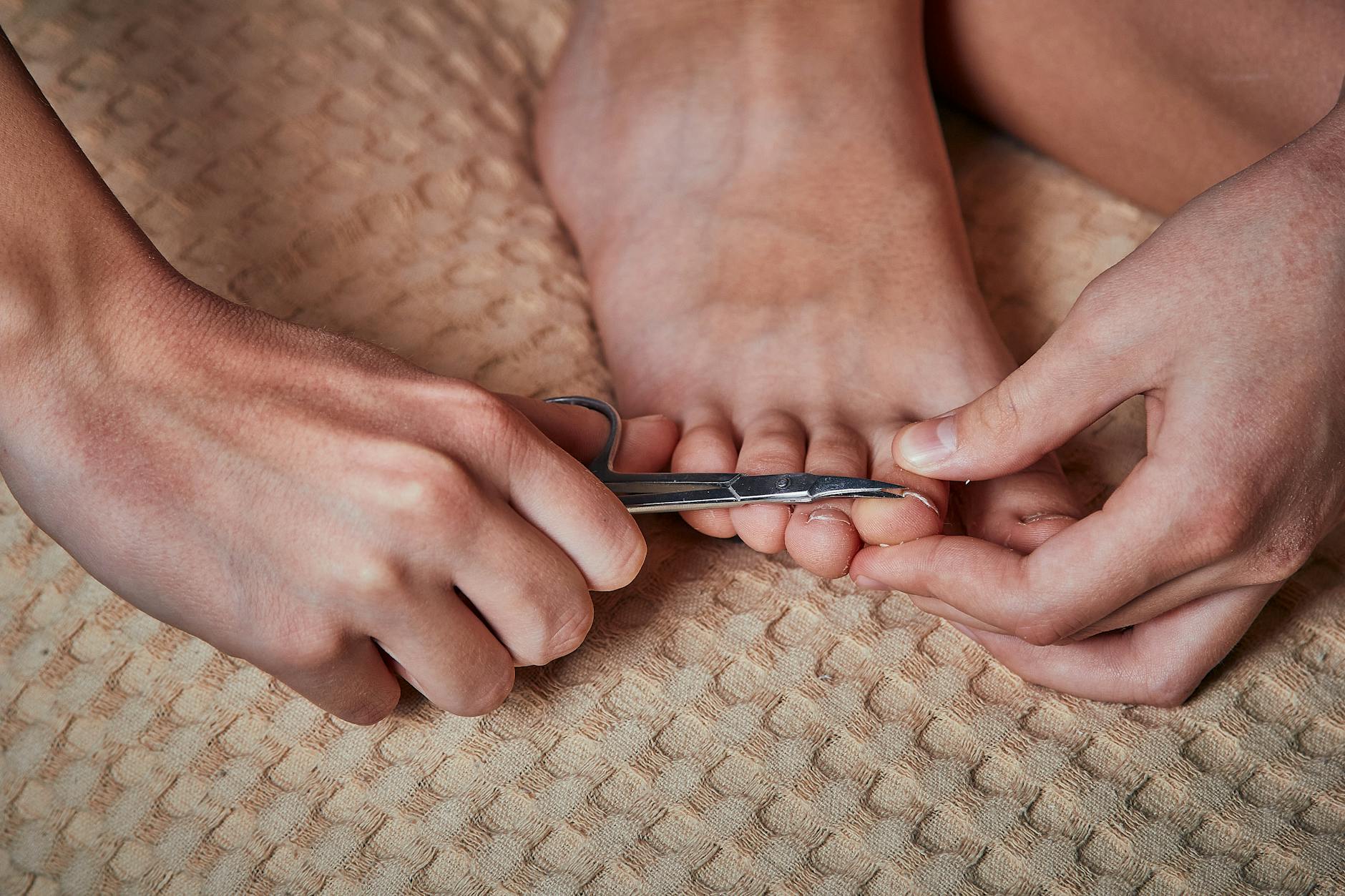
Cut straight across to prevent ingrown nails from recurring.
Choose shoes with adequate toe room to avoid pressure on healing nails.
Wash feet daily and dry thoroughly to prevent bacterial infections.
Schedule follow-up appointments at 2 weeks, 6 weeks, and 3 months post-surgery. Your doctor will monitor healing progress and address any concerns about nail regrowth patterns. These visits help catch potential complications early and ensure optimal healing outcomes.
Lifestyle modifications play a crucial role in preventing future nail problems. Athletes should rotate between different pairs of athletic shoes to reduce repetitive pressure. People who stand for long periods benefit from supportive footwear and regular foot positioning changes throughout the day.
Consistent preventive care and proper footwear choices significantly reduce your risk of future nail surgery needs.
Frequently Asked Questions
What should I expect immediately after nail surgery?
Your nail bed will appear raw and possibly bloody, with a thin layer of clear or slightly yellow drainage that indicates healthy healing. Most patients describe pain as a throbbing sensation similar to severely stubbing your toe, which usually peaks within the first 12 hours. Light bleeding or drainage on your bandage during the first day is completely normal. The area may look larger than the original problem because surgeons often remove slightly more tissue to ensure complete removal.
When should I call my doctor after nail surgery?
Contact your doctor immediately if you experience severe pain that doesn't improve with medication, excessive bleeding that soaks through multiple layers, or signs of infection like increasing redness or warmth. A fever above 101°F also requires prompt medical evaluation. While these symptoms are uncommon, they require immediate attention to prevent complications.
How long does it take to recover from nail surgery?
Most patients see complete healing within 6-12 weeks when proper aftercare is followed. Pain decreases significantly by day 7, with 85% pain reduction typically achieved by this time. You can usually return to desk work within the first week, resume most normal activities including light exercise by weeks 2-4, and return to regular footwear after 2-3 weeks.
Is drainage and bleeding normal after nail surgery?
Yes, a thin layer of clear or slightly yellow drainage is completely normal and actually indicates healthy healing. Light spotting or bleeding on your bandage during the first day is expected. However, heavy bleeding that soaks through multiple layers of bandages requires immediate medical attention.
When can I return to normal activities after nail surgery?
You can typically return to desk work or school within 4-7 days, though you'll still need protective footwear during this time. Most normal activities including light exercise can be resumed by weeks 2-4. Regular footwear can usually be worn after 2-3 weeks, and complete healing with return to all activities occurs within 6-12 weeks.
Disclaimer: This content is for informational purposes only and does not constitute medical advice. Always consult a qualified healthcare provider before making health decisions.