Essential Pre-Surgery Instructions

Proper preparation significantly reduces complications and helps ensure optimal healing after nail surgery. Your surgeon will provide specific instructions, but these general guidelines apply to most nail procedures.
“Following pre-surgery instructions carefully can reduce your risk of complications by up to 70%.”
Stop taking blood-thinning medications like aspirin, ibuprofen, or naproxen at least one week before surgery unless your doctor advises otherwise. These medications can increase bleeding during and after the procedure. If you take prescription blood thinners, never stop without consulting your prescribing physician first.
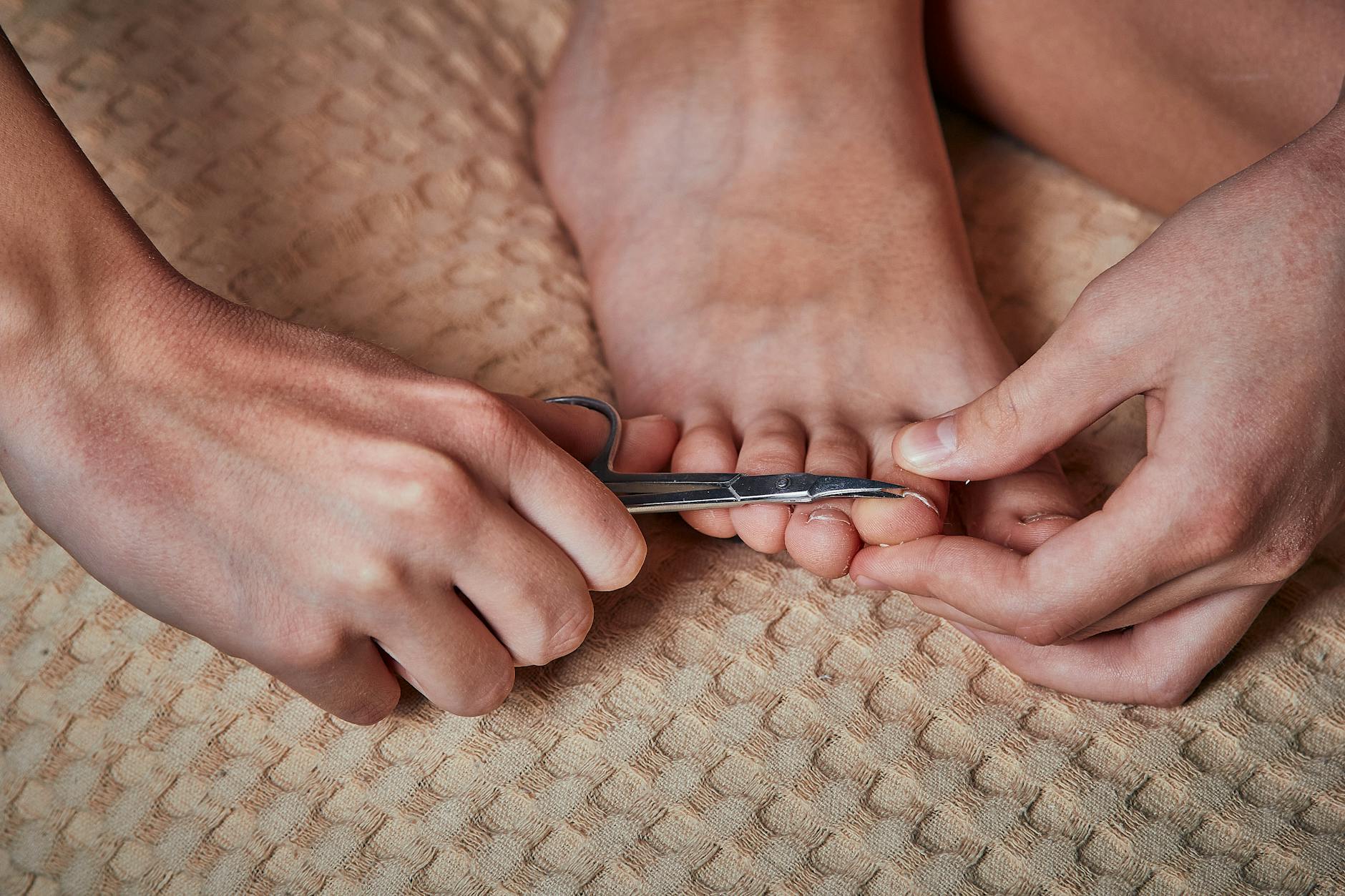
Clean your feet thoroughly with antibacterial soap the night before and morning of surgery. Trim your other nails short to prevent scratching the surgical site. Avoid applying lotions, nail polish, or artificial nails on the day of surgery.
Most nail surgeries don't require fasting, but confirm this with your surgical team. Eat a light meal beforehand to prevent dizziness during local anesthesia.
Wear loose-fitting, comfortable shoes that won't pressure the surgical site. Open-toed sandals work best, allowing easy access for bandaging and reducing post-surgical discomfort.
Medical History and Medication Review

Your surgeon needs complete information about your health to ensure safe healing and minimize scarring risks. Start by compiling a comprehensive list of all medications, vitamins, and supplements you currently take. Include dosages and frequency for each item.
“Honest disclosure about your medical history directly impacts your healing success and reduces complications.”
Blood thinners require special attention before nail surgery. Medications like aspirin, warfarin, and ibuprofen can increase bleeding and delay healing. Your doctor will provide specific instructions about when to stop these medications, typically 7-10 days before surgery. Never discontinue prescription blood thinners without medical supervision.
Diabetes patients face unique healing challenges that need careful management. High blood sugar levels slow wound healing and increase infection risk. Work with your healthcare team to optimize glucose control before your procedure.
Drug allergies must be disclosed completely, including reactions to antibiotics, anesthetics, and topical preparations. Even seemingly minor sensitivities can cause serious complications during treatment. Your surgical team will select appropriate alternatives based on your allergy profile.
Day-of-Surgery Preparation
Proper preparation on surgery day helps ensure the best possible outcome and reduces your risk of complications. Your healthcare team will guide you through each step to minimize any concerns about scarring or healing issues.
Plan to arrive 15-30 minutes before your scheduled appointment to complete any remaining paperwork.
Pack your insurance card, identification, and any comfort items like headphones for relaxation during the procedure.
Wash your hands and feet thoroughly with antibacterial soap, avoiding lotions or nail polish on the affected nail.
Cut your nails straight across, leaving them slightly longer than usual to give your surgeon optimal working space.
Common Preparation Mistakes to Avoid

Simple oversights can delay your surgery or compromise healing. Remove nail polish at least 24 hours before your appointment, not the morning of. This allows your nail bed to breathe and prevents chemical residue from interfering with the procedure.
Skip moisturizers on your feet the day of surgery. Lotions create a slippery surface that makes sterile preparation difficult. Your surgeon needs clean, dry skin for optimal results.
Never stop or change medications without consulting your doctor first, even if you feel nervous about the procedure. Last-minute changes can affect bleeding, healing, or anesthesia effectiveness.
Stock up on wound care supplies beforehand. Running to the pharmacy post-surgery with bandaged feet creates unnecessary stress. Purchase antibiotic ointment, sterile gauze, medical tape, and comfortable loose-fitting shoes at least one week prior. Proper preparation prevents complications and supports faster healing.
What to Expect on Surgery Day
Arrive 15 minutes early to complete paperwork and settle in before your procedure.
Your surgeon will examine the nail area and confirm the surgical plan with you.
A numbing injection is administered to block pain completely during the procedure.
Most nail surgeries take 15-30 minutes to complete from start to finish.
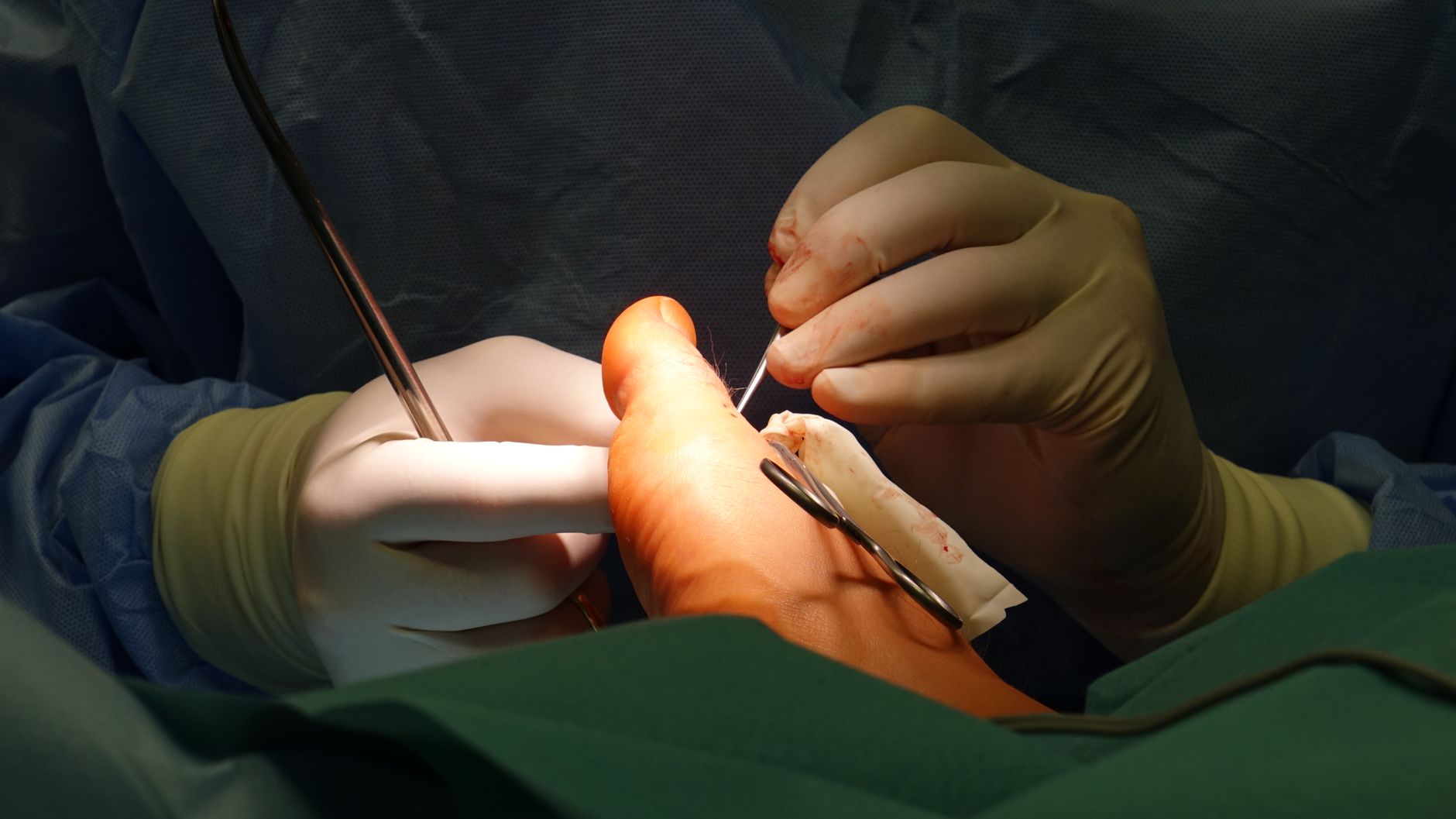
Modern nail surgery techniques minimize scarring, and most patients heal with minimal visible marks. The anesthesia ensures you feel only mild pressure during the procedure, not pain.
Follow all pre-surgical instructions carefully to ensure your procedure goes smoothly and heals properly.
Frequently Asked Questions
When should I stop taking blood thinners before nail surgery?
You should stop taking blood-thinning medications like aspirin, ibuprofen, or naproxen at least one week before surgery unless your doctor advises otherwise. For prescription blood thinners, your doctor will typically provide instructions to stop them 7-10 days before surgery. Never discontinue prescription blood thinners without consulting your prescribing physician first, as this requires medical supervision.
What shoes should I wear on the day of nail surgery?
Wear loose-fitting, comfortable shoes that won't put pressure on the surgical site. Open-toed sandals work best because they allow easy access for bandaging and reduce post-surgical discomfort. Avoid tight or constricting footwear that could interfere with the procedure or healing process.
How should I prepare my feet before nail surgery?
Clean your feet thoroughly with antibacterial soap the night before and morning of surgery. Trim your other nails short to prevent scratching the surgical site. Avoid applying lotions, nail polish, or artificial nails on the day of surgery, and wash your hands and feet with antibacterial soap before arriving.
Do I need to fast before nail surgery?
Most nail surgeries don't require fasting, but you should confirm this with your surgical team. It's recommended to eat a light meal beforehand to prevent dizziness during local anesthesia. Always follow the specific instructions provided by your healthcare team regarding eating and drinking before your procedure.
What medical information should I tell my surgeon before nail surgery?
You need to provide a comprehensive list of all medications, vitamins, and supplements you currently take, including dosages and frequency. Disclose any drug allergies completely, including reactions to antibiotics, anesthetics, and topical preparations. If you have diabetes, work with your healthcare team to optimize glucose control before your procedure, as high blood sugar levels can slow wound healing and increase infection risk.
Disclaimer: This content is for informational purposes only and does not constitute medical advice. Always consult a qualified healthcare provider before making health decisions.