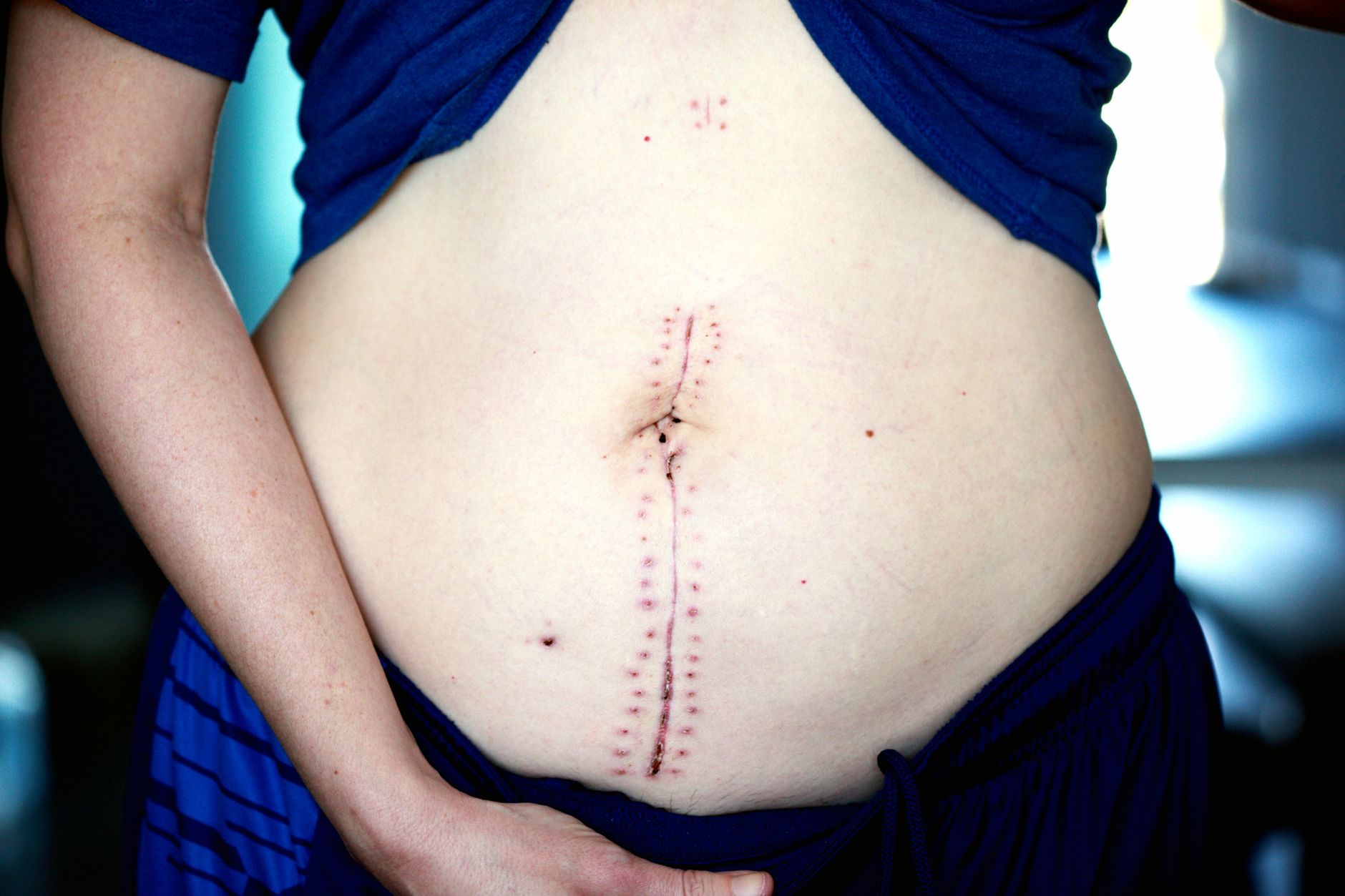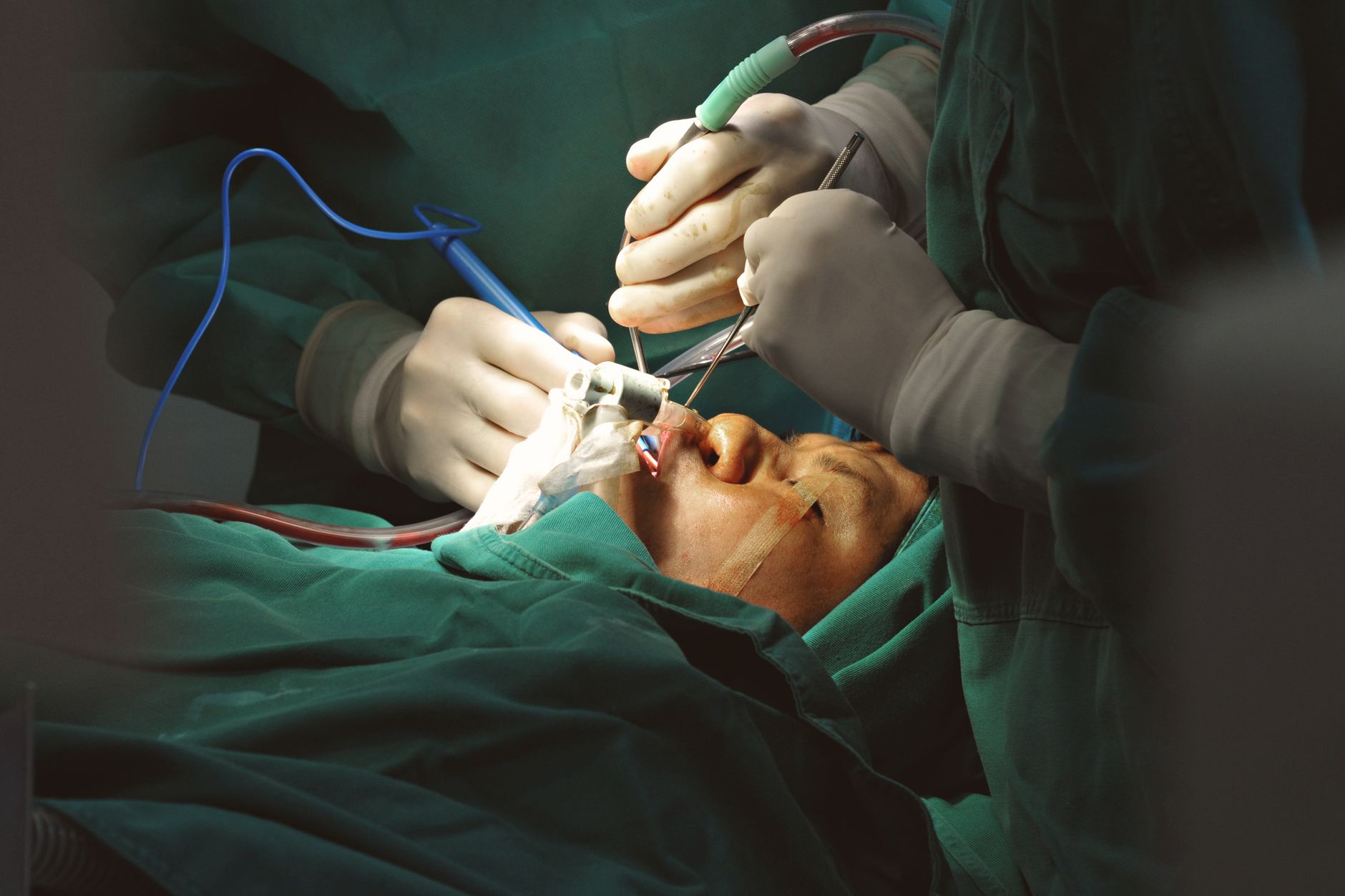
Understanding Your Reconstructive Surgery Needs

Before selecting a surgeon, you must clearly define what type of reconstructive surgery you need. Are you dealing with cancer removal, trauma repair, birth defects, or cosmetic concerns? Each category requires different surgical expertise and techniques. Mohs cancer surgery, for example, demands specialized training that general plastic surgeons may not possess.
“Understanding your specific needs prevents you from choosing the wrong specialist and potentially compromising your results.”
Evaluate the complexity of your case honestly. Simple skin lesion removals differ vastly from complex facial reconstructions involving multiple tissue types. A small basal cell carcinoma on your arm presents fewer challenges than one near your eye that affects the eyelid. Complex cases require surgeons with extensive experience in similar procedures.
Set realistic expectations about outcomes and recovery time. While modern reconstructive techniques produce remarkable results, permanent scarring concerns are valid but manageable with proper surgical planning. Your surgeon should explain what's achievable given your specific anatomy and condition. Recovery periods vary significantly - minor procedures may heal in weeks while major reconstructions can take months for optimal results.
Essential Surgeon Qualifications to Verify

Board certification serves as your first line of protection when selecting a reconstructive surgeon. The American Board of Plastic Surgery represents the gold standard for plastic and reconstructive procedures. Surgeons must complete rigorous training, pass comprehensive exams, and maintain continuing education to earn this certification. Always verify certification through the board's official website rather than taking the surgeon's word alone.
“Board certification is your insurance policy against inexperienced hands and potential scarring complications.”
Specialized fellowship training in reconstructive surgery matters significantly more than general plastic surgery experience. Look for surgeons who completed additional one-year fellowships specifically in reconstructive procedures after their plastic surgery residency. This focused training provides deeper expertise in complex reconstruction techniques that minimize scarring and optimize healing.
Hospital privileges at accredited medical centers indicate another layer of credibility. Hospitals conduct thorough background checks and peer reviews before granting surgical privileges. Surgeons with privileges at multiple reputable hospitals typically demonstrate consistent quality standards. Ask about their primary hospital affiliations and whether they perform your specific procedure there regularly.
Experience volume matters tremendously for achieving optimal results and reducing complications. Inquire about how many procedures similar to yours the surgeon performs annually. Surgeons who complete your specific reconstruction regularly develop refined techniques and can better anticipate potential challenges. Request before-and-after photos from recent cases to assess their aesthetic outcomes and scarring patterns.
Evaluating Experience and Specialization
A surgeon's track record speaks louder than credentials alone. When evaluating experience, ask about procedure volume—surgeons who perform your specific type of reconstruction regularly develop refined techniques and handle complications more effectively. A plastic surgeon who performs 200 facial reconstructions annually will likely deliver better results than one who does five.
Subspecialty focus matters tremendously. Some reconstructive surgeons specialize in post-cancer reconstruction, while others excel at trauma repair or cosmetic revision. Match their expertise to your specific needs. A surgeon focused on breast reconstruction may not be your best choice for complex facial work.
Request to see before-and-after photos of cases similar to yours. Quality surgeons maintain extensive portfolios showing various healing stages, not just perfect final results. This transparency helps address concerns about permanent scarring—you'll see realistic healing timelines and outcomes.
Ask directly about complication rates and revision statistics. Experienced surgeons track their outcomes and can provide specific data about infection rates, healing times, and patient satisfaction scores. If they hesitate to share this information, consider it a red flag.
The Consultation Process: What to Expect and Ask
Your initial consultation sets the foundation for your entire reconstructive journey. Most surgeons structure these meetings to review your medical history, examine your concerns, and discuss treatment options. The appointment typically lasts 30-60 minutes, giving you time to ask questions and assess whether this surgeon feels like the right fit.
Come prepared with specific questions about the surgeon's approach to your condition. Ask about alternative treatments they considered and why they recommend their chosen method. For procedures like Chemical Peels, inquire about the depth they'll use, expected downtime, and how they'll minimize your risk of permanent scarring. Request to see before-and-after photos of patients with similar conditions.
Watch for red flags during your consultation. Be cautious if the surgeon rushes through explanations, guarantees perfect results, or pressures you to schedule surgery immediately. A quality surgeon will encourage you to take time deciding and may even recommend starting with less invasive options first.
Pay attention to communication style. Your surgeon should explain procedures in terms you understand, listen to your concerns without dismissing them, and make you feel comfortable asking questions. Good communication now indicates how well they'll support you through recovery.
Making Your Final Decision

Cost shouldn't be your only deciding factor, but it matters. A surgeon charging significantly less than others may lack experience or cut corners. Conversely, the most expensive option isn't automatically the best. Focus on value—board certification, experience with your specific procedure, and proven results justify higher fees.
Trust your instincts about comfort level. If a surgeon rushed through your consultation or made you feel uncomfortable, keep looking. You need someone who listens to your concerns about scarring and takes time to explain how they'll minimize risks. This relationship requires confidence and clear communication.
Consider getting a second opinion, especially for complex reconstructions. Different surgeons may suggest varying approaches, helping you understand all options. Most reputable surgeons welcome patients seeking multiple perspectives.
Timeline and availability affect your decision too. Some surgeons book months ahead, while others have quicker openings. Emergency reconstructions after skin cancer removal need prompt attention, but elective procedures allow more scheduling flexibility. Ask about their typical recovery timeline and follow-up availability—you'll want accessible care during healing.
Weigh all factors together rather than focusing on just one aspect. The right surgeon combines technical skill, clear communication, and scheduling that works for your needs.
Next Steps After Choosing Your Surgeon
Once you've selected your reconstructive surgeon, take immediate action to secure your appointment and begin preparation. Contact their office to schedule your consultation and ask about pre-surgical requirements like medical clearances or medication adjustments.
Book your initial appointment and gather required medical records.
Write down concerns about scarring, recovery time, and realistic outcomes.
Discuss scheduling around work and social commitments for optimal healing.
Your surgeon will explain the complete surgical process and set realistic expectations for healing time. Most procedures require several weeks for initial recovery, with final results visible after months.
Proper preparation and realistic timeline expectations ensure the best possible surgical outcome and minimize complications.
Frequently Asked Questions
What board certification should I look for in a reconstructive surgeon?
The American Board of Plastic Surgery represents the gold standard for plastic and reconstructive procedures. Surgeons must complete rigorous training, pass comprehensive exams, and maintain continuing education to earn this certification. Always verify certification through the board's official website rather than taking the surgeon's word alone.
How do I know if my reconstructive surgery case is complex?
Simple skin lesion removals differ vastly from complex facial reconstructions involving multiple tissue types. A small basal cell carcinoma on your arm presents fewer challenges than one near your eye that affects the eyelid. Complex cases require surgeons with extensive experience in similar procedures and honest evaluation of your specific anatomy and condition.
Why is fellowship training important for reconstructive surgeons?
Specialized fellowship training in reconstructive surgery matters significantly more than general plastic surgery experience. Look for surgeons who completed additional one-year fellowships specifically in reconstructive procedures after their plastic surgery residency. This focused training provides deeper expertise in complex reconstruction techniques that minimize scarring and optimize healing.
How many procedures should my surgeon perform annually?
Surgeons who complete your specific reconstruction regularly develop refined techniques and can better anticipate potential challenges. A plastic surgeon who performs 200 facial reconstructions annually will likely deliver better results than one who does five. Experience volume matters tremendously for achieving optimal results and reducing complications.
What should I expect for recovery time after reconstructive surgery?
Recovery periods vary significantly depending on the complexity of your procedure. Minor procedures may heal in weeks while major reconstructions can take months for optimal results. Your surgeon should explain what's achievable given your specific anatomy and condition, including realistic expectations about outcomes and permanent scarring concerns.
Disclaimer: This content is for informational purposes only and does not constitute medical advice. Always consult a qualified healthcare provider before making health decisions.