Understanding Facial Reconstruction After Skin Cancer

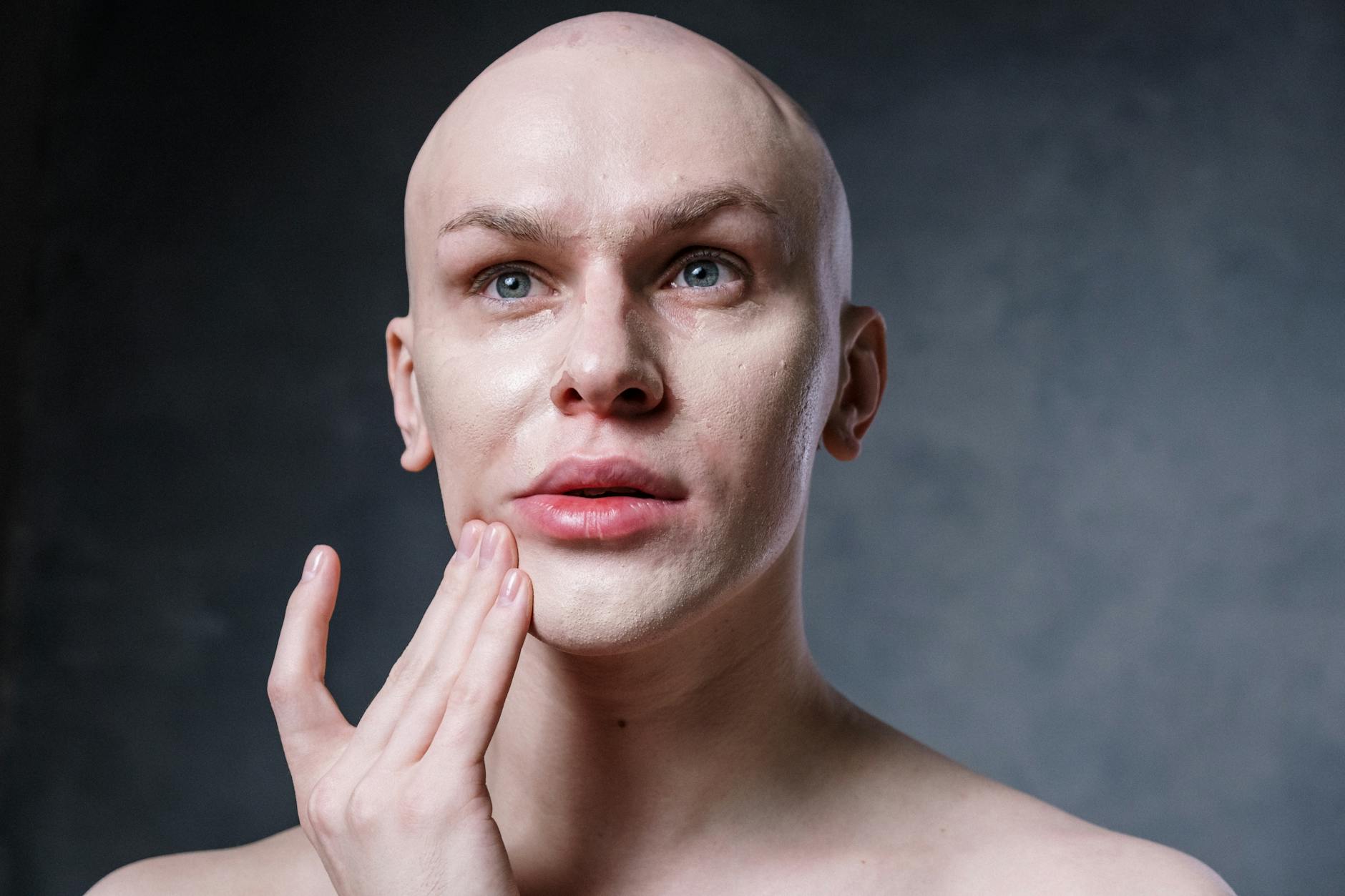
Facial reconstruction surgery restores both function and appearance after dermatologists remove skin cancer from your face. This specialized procedure rebuilds tissue, closes wounds, and minimizes scarring when cancer removal leaves significant defects that cannot heal naturally on their own.
Mohs surgery, the gold standard for treating facial skin cancers, removes cancerous tissue layer by layer while preserving healthy skin. However, this precise technique sometimes creates wounds requiring surgical reconstruction. The size and location of your cancer determine whether you need immediate reconstruction or can heal with simple wound care.
“Facial reconstruction transforms what could be permanent disfigurement into results that often surprise patients with their natural appearance.”
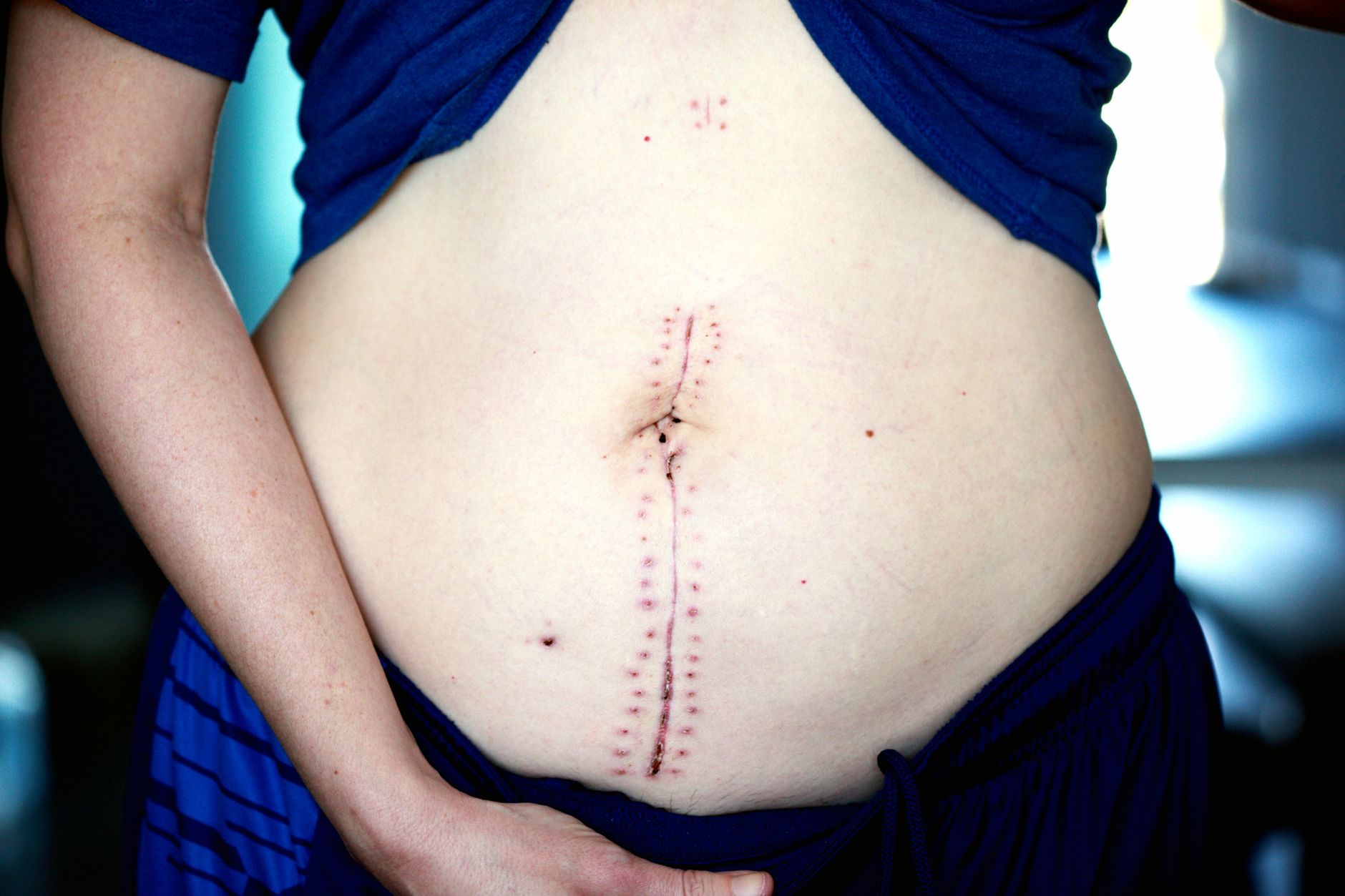
Many patients worry about permanent scarring and social embarrassment after skin cancer removal. Plastic surgeons specializing in facial reconstruction use advanced techniques like skin grafts, local tissue rearrangement, and carefully planned incisions to achieve optimal healing. For example, a patient who had a large basal cell carcinoma removed from their nose might receive a forehead flap reconstruction that becomes virtually undetectable within months.
The goal extends beyond cosmetic improvement—reconstruction also preserves essential functions like breathing, eating, and facial expressions while addressing your concerns about appearance.
Types of Facial Reconstruction Procedures

Facial reconstruction procedures are carefully selected based on the size and location of the area requiring repair. Your surgeon will choose the most appropriate technique to minimize scarring and restore your natural appearance, addressing concerns about permanent visible marks.
Direct closure represents the simplest reconstruction method for smaller defects. Your surgeon brings the wound edges together with precise sutures, similar to closing a small cut. This technique works best for areas with sufficient skin flexibility, such as the forehead or cheek, and typically produces the most inconspicuous scars.
“The goal of facial reconstruction is not just healing, but restoring your confidence and natural appearance.”
Local flap procedures involve moving nearby healthy skin to cover medium-sized defects. Your surgeon creates a flap of skin adjacent to the wound and rotates or slides it into position. For example, a cheek flap might be used to repair a defect near the nose, maintaining skin color and texture matching.
Skin grafting becomes necessary for larger reconstruction needs where local tissue is insufficient. Your surgeon harvests skin from another body area, often behind the ear or upper eyelid, and transplants it to the facial defect. Complex reconstruction combines multiple techniques for extensive damage, potentially requiring staged procedures over several months to achieve optimal results.
The Reconstruction Process: What to Expect
Understanding the reconstruction journey helps reduce anxiety about the unknown. Your surgical team will guide you through each phase, ensuring you feel prepared and supported throughout the entire process.
Your surgeon evaluates the defect, discusses reconstruction options, and creates a personalized surgical plan.
The procedure typically takes 1-4 hours under local or general anesthesia, depending on complexity.
You'll receive detailed wound care instructions and pain management guidelines for the first 24-48 hours.
Regular appointments monitor healing progress and address any concerns over 6-12 months.
Most patients worry about visible scarring, but skilled plastic surgeons use precise techniques to minimize this concern. For example, a patient who had a skin graft on their cheek often sees significant improvement within six months as the tissue settles and healing progresses.
Your surgeon will provide a realistic timeline for results. While initial swelling subsides within two weeks, final outcomes become apparent after several months as tissues fully heal and mature.
Recovery and Healing Timeline
The first week after facial reconstruction requires careful attention to wound care and managing initial swelling. Your face will appear bruised and puffy, which is completely normal. During this period, you'll need to keep your head elevated while sleeping and apply cold compresses as directed. Most patients can return to light activities within 5-7 days, though strenuous exercise should wait.
Between one to three months, the healing accelerates significantly. The initial redness fades, and your reconstructed area begins to blend more naturally with surrounding skin. While concerns about permanent scarring are understandable, proper healing typically shows steady improvement during this phase. Sutures dissolve or get removed, and you can gradually resume normal activities.
Final results emerge around six months to one year post-surgery. Your surgeon will monitor progress through regular follow-up appointments, watching for proper tissue integration and color matching. Signs of good healing include decreasing redness, soft tissue texture, and minimal discomfort, while concerning symptoms like persistent swelling, unusual discharge, or increasing pain warrant immediate medical attention.
Optimizing Your Results

Achieving the best possible outcome from your facial reconstruction requires commitment both before and after surgery. Your surgeon's skill matters, but your preparation and aftercare determine how well you heal and minimize scarring concerns.
Stop smoking, maintain good nutrition, and follow your surgeon's skincare regimen for optimal healing conditions.
Keep wounds clean and moist, protect from sun exposure, and attend all follow-up appointments religiously.
Begin silicone gel or sheets once cleared by your surgeon, typically after initial healing completes.
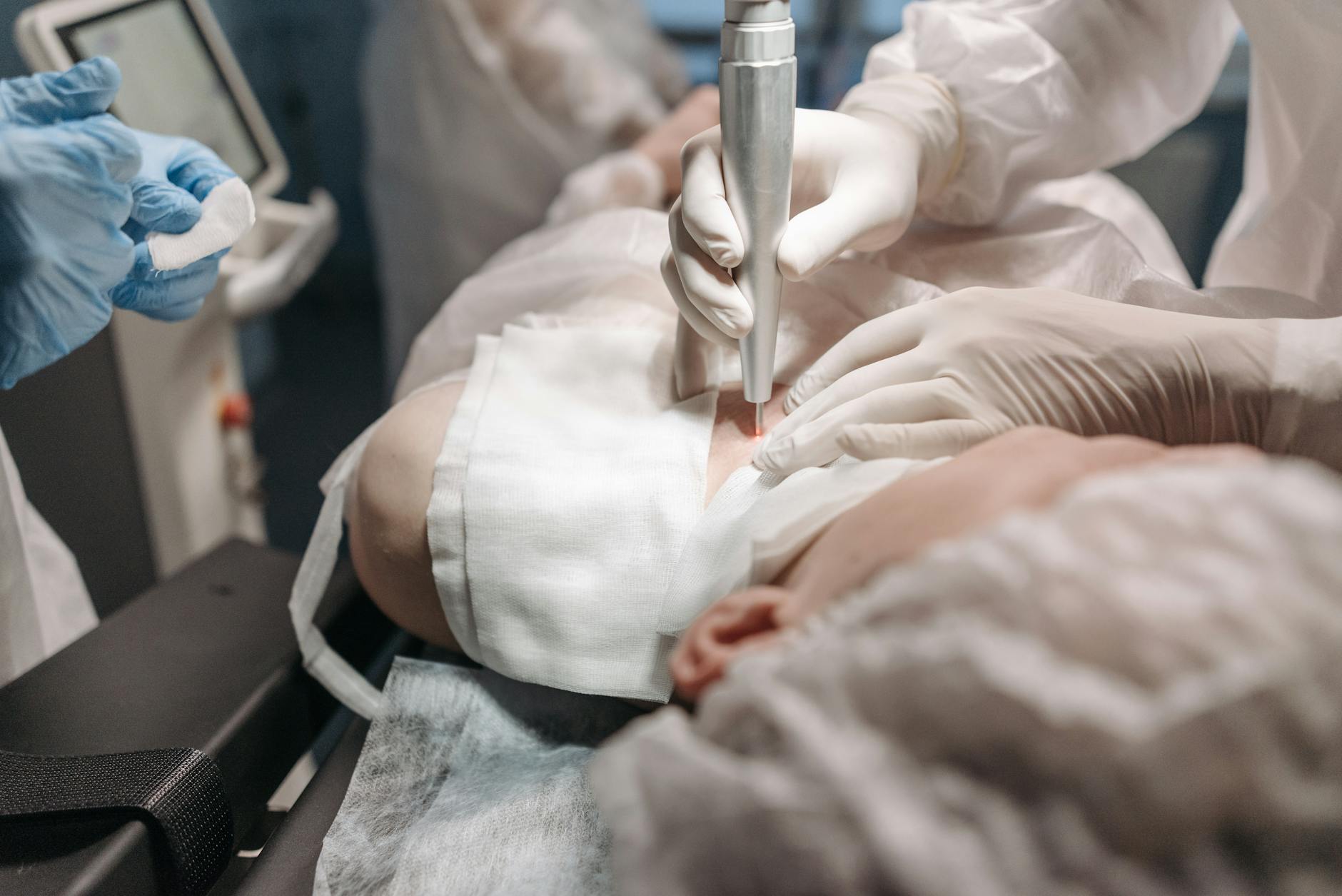
When scars need additional improvement, treatments like Chemical Peels can help reduce their appearance. These acid treatments remove damaged skin layers through controlled chemical exfoliation, improving texture and evening skin tone. Your dermatologist may recommend chemical peels several months after surgery once complete healing occurs.
Remember that optimal results take time. Most patients see continued improvement for six to twelve months following reconstruction.
Choosing the Right Surgeon and Next Steps
Selecting the right reconstructive surgeon significantly impacts your recovery and final appearance. Board certification in plastic surgery or dermatologic surgery ensures proper training in facial reconstruction techniques. Look for surgeons who specialize in Mohs reconstruction or have extensive experience with facial cancer cases.
Verify board certification and review before-and-after photos of similar cases.
Meet with multiple surgeons to compare approaches and comfort levels.
Inquire about complication rates, revision policies, and expected healing timeline.
Timing matters for optimal results. Most reconstructions occur immediately after cancer removal, but some complex cases benefit from staged procedures. Your surgeon will explain the best approach for your specific situation. Remember, skilled reconstruction minimizes visible scarring and restores natural facial contours effectively.
Choose a board-certified surgeon with facial reconstruction experience to achieve the best cosmetic and functional outcomes.
Frequently Asked Questions
What is facial reconstruction surgery after skin cancer removal?
Facial reconstruction surgery restores both function and appearance after dermatologists remove skin cancer from your face. This specialized procedure rebuilds tissue, closes wounds, and minimizes scarring when cancer removal leaves significant defects that cannot heal naturally on their own. The goal extends beyond cosmetic improvement—reconstruction also preserves essential functions like breathing, eating, and facial expressions.
What types of facial reconstruction procedures are available?
Facial reconstruction procedures include direct closure for smaller defects, local flap procedures for medium-sized areas, and skin grafting for larger reconstruction needs. Direct closure brings wound edges together with sutures, while local flaps move nearby healthy skin to cover defects. Skin grafting involves transplanting skin from another body area when local tissue is insufficient.
How much does facial reconstruction surgery cost?
Based on the statistics provided, the average facial reconstruction cost is $4,200. The actual cost may vary depending on the complexity of the procedure, size of the defect, and specific techniques required. Patients typically need an average of 2.3 procedures to achieve optimal results.
Will I have permanent scarring after facial reconstruction?
Plastic surgeons specializing in facial reconstruction use advanced techniques like skin grafts, local tissue rearrangement, and carefully planned incisions to achieve optimal healing and minimize scarring. Many procedures result in scars that become virtually undetectable within months. The technique is specifically chosen to minimize scarring and restore your natural appearance.
What is the success rate for facial reconstruction surgery?
Facial reconstruction surgery has an 85% patient satisfaction rate according to the provided statistics. The procedures are designed to transform what could be permanent disfigurement into results that often surprise patients with their natural appearance. Success depends on proper technique selection based on the size and location of the area requiring repair.
Disclaimer: This content is for informational purposes only and does not constitute medical advice. Always consult a qualified healthcare provider before making health decisions.