Understanding Reconstructive Surgery Costs

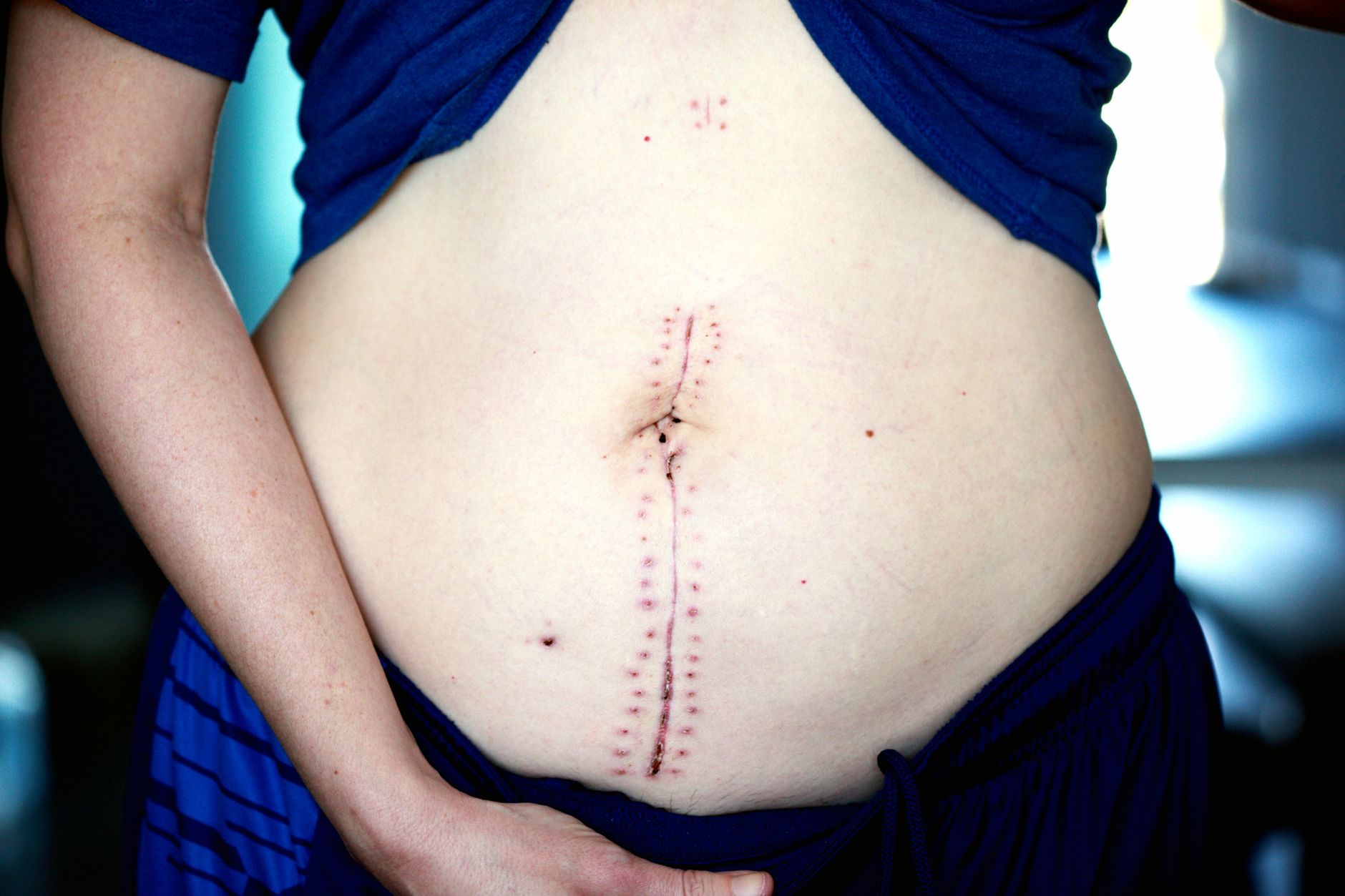
Reconstructive surgery costs vary significantly based on the procedure type and complexity. Basic scar revision typically ranges from $1,500 to $4,000, while more extensive procedures like skin grafts can cost $8,000 to $15,000 or more. These prices reflect surgeon fees, facility costs, and anesthesia expenses.
“The visible reminders of skin trauma affect both your confidence and daily interactions, making reconstruction an investment in your emotional well-being.”
Several factors influence your total expenses. The surgery's complexity, your surgeon's experience level, and your geographic location all impact pricing. Revision surgeries often cost more than initial procedures due to increased difficulty working with previously treated tissue.
Hidden costs catch many patients off guard. Pre-operative testing, prescription medications, compression garments, and follow-up appointments add hundreds to your bill. Recovery time means potential lost wages, while some patients require temporary childcare assistance.
For example, a patient undergoing facial scar revision might pay $3,500 for surgery but spend an additional $800 on medications, follow-up visits, and special skincare products during the six-month healing process.
What Insurance Typically Covers

Insurance companies distinguish between medically necessary procedures and cosmetic treatments when evaluating coverage for reconstructive surgery. Medical necessity means the procedure addresses functional problems, corrects deformities from accidents or illness, or treats conditions that impact your health and well-being.
Most insurance plans cover reconstructive surgery for breast reconstruction after mastectomy, cleft palate repair, hand surgery after injury, or scar revision that limits movement. They typically deny coverage for procedures performed solely to improve appearance, such as rhinoplasty for aesthetic reasons or tummy tucks after weight loss.
“Insurance approval often depends on proving your procedure solves a medical problem, not just an aesthetic concern.”
Pre-authorization requirements vary by insurer but generally require submission before scheduling surgery. Your surgeon's office typically handles this process, but you should confirm coverage details directly with your insurance company.
Proper documentation strengthens your approval chances significantly. You need detailed medical records showing the condition's impact on function, photographs documenting the problem, and a letter from your surgeon explaining medical necessity. For example, if scarring restricts shoulder movement, include range-of-motion measurements and physical therapy records.
Understanding these distinctions helps prevent unexpected bills and reduces anxiety about financing your care. Work closely with your surgeon's billing department to navigate the approval process effectively and understand your out-of-pocket responsibilities upfront.
Navigating the Insurance Approval Process
Getting insurance approval for skin reconstruction requires patience and persistence, but following the right steps increases your chances of success. The process typically takes 2-4 weeks, though complex cases may require longer review periods.
Work with your dermatologist to compile photos, treatment history, and detailed notes showing medical necessity.
Your surgeon's office files the request with specific procedure codes and supporting documentation.
Check status weekly and respond promptly to any requests for additional information.
Your surgeon's office becomes your strongest ally during this process. Experienced staff know which documentation insurers require and can help present your case effectively. Many offices have dedicated insurance coordinators who understand the nuances of different insurance companies.
If your initial request faces denial, don't panic. Appeal rates succeed approximately 60% of the time when proper documentation supports medical necessity. The appeals process typically involves submitting additional evidence, such as failed conservative treatment attempts or functional impairment documentation.
For example, if you're seeking scar revision after severe acne, photos showing progression from initial injury through failed treatments help demonstrate why reconstruction is medically necessary rather than cosmetic. Remember that persistence often pays off, and many patients successfully obtain coverage on their second or third attempt.
Out-of-Pocket Costs and Payment Options

Even with insurance approval, you'll likely face several out-of-pocket expenses that can strain your budget. Understanding these costs upfront helps you plan financially without delaying necessary treatment for your skin concerns.
Your insurance deductible must be met before coverage begins, which can range from $500 to $5,000 annually. Copayments for dermatology visits typically cost $20-50 per appointment, while specialized procedures like Chemical Peels may require higher copays or coinsurance of 10-30% of the total cost.
Medical financing companies like CareCredit offer payment plans specifically for dermatological treatments, often with promotional 0% interest periods. Many dermatology practices also provide in-house payment plans that spread costs over several months.
Alternative funding sources include flexible spending accounts (FSAs) or health savings accounts (HSAs), which use pre-tax dollars for medical expenses. Some patients successfully crowdfund treatments through platforms like GoFundMe, particularly when addressing severe acne that impacts daily life and self-confidence.
Contact your dermatology office's billing department before treatment to discuss payment options and create a manageable plan that fits your budget.
Common Coverage Scenarios
Understanding how insurance companies handle different reconstruction cases helps you prepare for the approval process and potential financial responsibility.
Cancer reconstruction typically receives the strongest coverage. Most plans approve breast reconstruction after mastectomy at 95% rates, while facial reconstruction following skin cancer removal sees approval rates around 85%. Insurance companies recognize these procedures as medically necessary for both physical function and psychological wellbeing.
Trauma repair from accidents, burns, or injuries generally gets approved when the reconstruction restores basic function or addresses significant disfigurement. Emergency room physicians often provide initial documentation that strengthens your case. However, purely cosmetic improvements to scars may face denial.
Procedures most likely to get denied include revision surgeries for unsatisfactory cosmetic results, reconstruction requested years after the initial injury without documented functional problems, and cases where the insurance company questions medical necessity. Having comprehensive documentation from your dermatologist significantly improves approval odds across all scenarios.
Document medical necessity thoroughly and work closely with your dermatologist to maximize insurance approval chances.
Frequently Asked Questions
How much does reconstructive surgery cost?
Reconstructive surgery costs vary significantly based on the procedure type and complexity. Basic scar revision typically ranges from $1,500 to $4,000, while more extensive procedures like skin grafts can cost $8,000 to $15,000 or more. These prices reflect surgeon fees, facility costs, and anesthesia expenses, with additional hidden costs like medications and follow-up visits adding hundreds more to your bill.
Does insurance cover reconstructive surgery?
Insurance companies typically cover reconstructive surgery when it's medically necessary, such as breast reconstruction after mastectomy, cleft palate repair, hand surgery after injury, or scar revision that limits movement. About 65% of reconstructive procedures are partially covered by insurance. However, they usually deny coverage for procedures performed solely to improve appearance without addressing functional problems.
What are the hidden costs of reconstructive surgery?
Hidden costs that catch many patients off guard include pre-operative testing, prescription medications, compression garments, and follow-up appointments which add hundreds to your bill. Recovery time means potential lost wages, and some patients require temporary childcare assistance. For example, a facial scar revision patient might spend an additional $800 on medications, follow-up visits, and special skincare products during the six-month healing process.
How long does insurance approval take for reconstructive surgery?
The insurance approval process for skin reconstruction typically takes 2-4 weeks, though complex cases may require longer review periods. Pre-authorization requirements vary by insurer but generally require submission before scheduling surgery. Your surgeon's office typically handles this process, but you should confirm coverage details directly with your insurance company.
What documentation do I need for insurance approval?
Proper documentation significantly strengthens your approval chances and includes detailed medical records showing the condition's impact on function, photographs documenting the problem, and a letter from your surgeon explaining medical necessity. For example, if scarring restricts shoulder movement, you should include range-of-motion measurements and physical therapy records. Insurance approval often depends on proving your procedure solves a medical problem, not just an aesthetic concern.
Disclaimer: This content is for informational purposes only and does not constitute medical advice. Always consult a qualified healthcare provider before making health decisions.