Understanding Reconstructive Surgery Recovery Phases

Reconstructive surgery recovery unfolds in three distinct phases, each with unique characteristics and timelines. Understanding these phases helps you prepare mentally and physically while reducing anxiety about the healing process ahead.
“Recovery is not a race—it's a carefully orchestrated healing process that requires patience and proper care.”
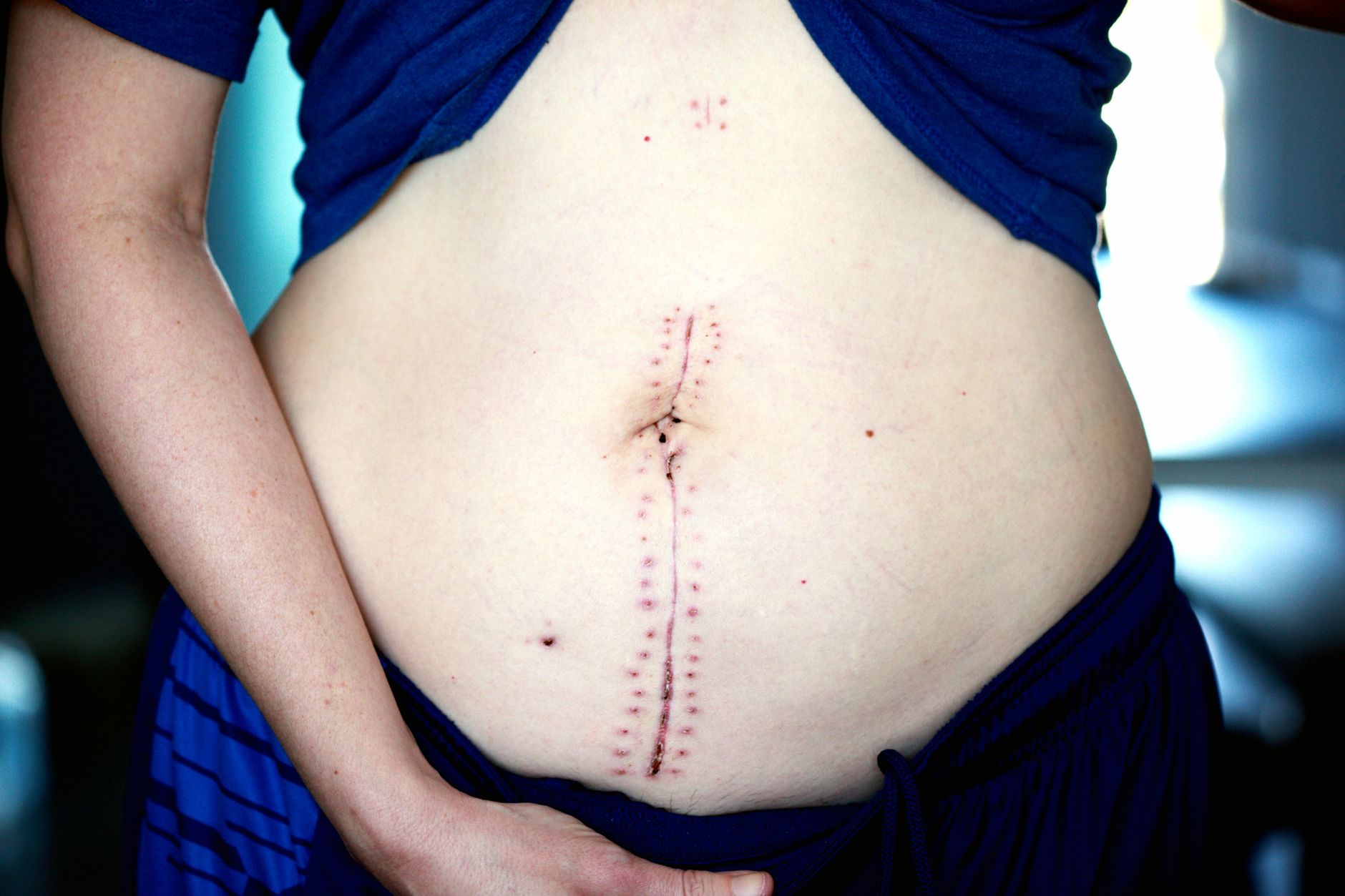
The immediate post-operative phase spans the first two weeks after surgery. During this critical period, your body focuses on stopping bleeding, preventing infection, and beginning tissue repair. You'll experience swelling, bruising, and discomfort as normal parts of healing. Sutures or surgical tape protect incision sites while new skin cells start forming.
The active healing phase extends from weeks two through eight. Your body works intensively to rebuild damaged tissue and strengthen the surgical site. Swelling gradually decreases, and you may notice the formation of new skin texture. While concerns about permanent scarring are natural during this phase, remember that initial appearance doesn't predict final results.
The long-term recovery phase continues from two months up to one year. Scars mature and fade significantly during this period. Skin color and texture continue improving, often dramatically. For example, a red, raised scar at three months may become a barely visible line by the one-year mark.
Several factors influence your recovery speed. Age, overall health, nutrition, smoking status, and sun exposure all impact healing rates. Younger patients typically heal faster, while proper wound care and following post-operative instructions accelerate recovery regardless of age. Your surgeon will monitor progress and adjust care recommendations based on how your specific case develops.
Week-by-Week Recovery Timeline

Understanding what to expect during each week of recovery helps you prepare mentally and physically for the healing process ahead. Your skin will progress through predictable stages, though individual timelines may vary based on your procedure type and personal healing factors.
“Most patients are surprised by how quickly their confidence returns once they understand the normal healing process.”
Weeks 1-2: Foundation Healing Phase
Your primary focus centers on wound protection and allowing initial tissue repair. Expect moderate swelling, bruising, and discomfort during this period. Keep surgical sites clean and dry, follow your surgeon's dressing change instructions precisely, and avoid any strenuous activities. Many patients worry about visible scarring during this stage, but remember that early healing appearance bears little resemblance to final results.
Weeks 3-4: Progressive Activity Phase
Swelling begins decreasing noticeably, and you can gradually resume light activities. Walking becomes comfortable, and you may return to desk work if your procedure allows. However, avoid lifting anything heavier than 10 pounds and skip intense exercise completely. Your surgeon will likely remove sutures during this timeframe.
Weeks 5-8: Near-Normal Activity Phase
Most restrictions lift during this period, though you should still protect healing areas from direct sun exposure. Exercise gradually returns to normal levels, starting with low-impact activities before progressing to your regular routine. Scar tissue continues maturing, becoming softer and less noticeable.
Individual Variation Factors
Your age, overall health, procedure complexity, and adherence to post-operative instructions all influence healing speed. Younger patients typically heal faster, while smokers may experience delayed recovery. Some people naturally form thicker scars, requiring additional treatments to optimize final appearance.
Essential Wound Care During Recovery
Proper wound care forms the foundation of successful healing and prevents complications that could lead to scarring. Your surgeon will provide specific instructions, but understanding the fundamentals helps you feel confident in your recovery journey.
Use mild soap and lukewarm water, patting dry with a clean towel.
Follow your surgeon's instructions for antibiotic cream or healing balm application.
Replace bandages when they become wet, dirty, or according to your care schedule.
Normal healing shows gradual improvement each day. You'll notice the wound edges coming together, minimal clear drainage, and decreasing redness around the site. The area may feel tight or slightly itchy as new tissue forms.
Contact your surgeon immediately if you experience increased pain, spreading redness beyond the wound edges, yellow or green discharge, or red streaking from the site. Fever above 101°F also requires prompt medical attention.
For example, a properly healing incision on day five should appear pink with sealed edges, while concerning signs include warmth radiating beyond the immediate area or thick, cloudy drainage.
Keep your hands clean before touching the wound area. Avoid swimming pools, hot tubs, and baths until your surgeon confirms the wound has fully closed. These simple precautions protect your healing tissue and help ensure optimal results.
Activity Restrictions and Gradual Return
Your healing skin needs protection from strain and trauma during the first few weeks after reconstruction. Following activity restrictions carefully prevents wound separation and reduces the risk of permanent scarring.
Lifting restrictions begin immediately after your procedure. Avoid lifting anything heavier than a coffee cup for the first 48 hours. During week one, limit lifting to objects under five pounds, like a small bag of groceries. By week two, you can gradually increase to ten pounds if your incision shows no signs of stress or separation.
Exercise requires a phased approach to protect your healing tissue. Walking is encouraged from day one to promote circulation and prevent blood clots. Hold off on upper body exercises for two weeks, then start with gentle stretching movements. Resume full workouts and contact sports only after your surgeon confirms complete healing, typically at four to six weeks.
Light activities only, no lifting over 5 pounds, walking encouraged.
Gradual return to desk work, light stretching, lifting up to 10 pounds.
Resume normal activities after medical clearance, including sports and heavy lifting.
Work modifications depend on your job demands. Desk workers can typically return within three to five days with proper wound protection. Jobs requiring physical labor need longer recovery periods, often two to four weeks. Plan remote work options when possible during the initial healing phase.
Driving becomes safe once you can turn your head comfortably and react quickly without pain. This usually occurs within one week for facial procedures. Avoid long car trips during the first two weeks, as prolonged sitting can increase swelling and discomfort in the treatment area.
Optimizing Your Recovery Process

Proper nutrition accelerates wound healing and reduces the risk of complications that could lead to permanent scarring. Focus on protein-rich foods like lean meats, fish, eggs, and beans to support tissue repair. Vitamin C from citrus fruits and leafy greens helps collagen formation, while zinc from nuts and seeds promotes cell regeneration. Stay hydrated with at least eight glasses of water daily to maintain skin elasticity and flush out toxins.
Quality sleep and stress management directly impact your body's healing capacity. Aim for seven to nine hours of uninterrupted sleep each night, as growth hormone released during deep sleep phases repairs damaged tissue. Practice stress-reduction techniques like meditation or gentle yoga, since elevated cortisol levels can slow healing and increase inflammation.
Prevent scarring by protecting healing skin from sun exposure, which can cause permanent discoloration. Apply broad-spectrum SPF 30 sunscreen daily and wear protective clothing outdoors. Avoid picking at scabs or applying harsh products that could disrupt the healing process.
Never skip follow-up appointments with your dermatologist. These visits allow early detection of complications and adjustment of your treatment plan. Your doctor may recommend Chemical Peels once healing is complete to improve skin texture and reduce any remaining pigmentation issues, helping you achieve the clear, even-toned skin you're working toward.
When Recovery Doesn't Go as Planned
While most reconstructive procedures heal smoothly, complications can occur. Understanding warning signs helps you respond appropriately and protects your final results.
Common complications include infection, poor wound healing, and unexpected scarring. Infection typically appears within the first week as increased redness, warmth, or pus-like discharge. Poor healing may become evident after two to three weeks when tissues fail to knit together properly. Abnormal scarring can develop over several months, appearing as thick, raised, or discolored tissue.
Seek immediate medical attention if you experience fever above 101°F, spreading redness beyond the surgical site, excessive bleeding, or severe pain that worsens rather than improves. Yellow or green discharge with a foul odor also requires urgent evaluation.
Revision surgery becomes an option when initial results don't meet expectations or complications affect function. Most surgeons wait six months before considering revisions, allowing tissues to fully heal and scars to mature.
Remember that healing varies significantly between individuals. Some patients require longer recovery periods without experiencing complications. Your fears about permanent scarring are valid, but working closely with your surgical team maximizes your chances of achieving clear, healthy skin.
Monitor your healing progress closely and contact your surgeon immediately if you notice signs of infection or delayed healing.
Frequently Asked Questions
How long does reconstructive surgery recovery take?
Reconstructive surgery recovery unfolds in three distinct phases over approximately one year. The immediate post-operative phase lasts two weeks, followed by an active healing phase from weeks two through eight. The long-term recovery phase continues from two months up to one year, during which scars mature and fade significantly.
What should I expect during the first two weeks after reconstructive surgery?
During the immediate post-operative phase, your body focuses on stopping bleeding, preventing infection, and beginning tissue repair. You'll experience swelling, bruising, and discomfort as normal parts of healing. Sutures or surgical tape protect incision sites while new skin cells start forming, and your primary focus should be on wound protection and allowing initial tissue repair.
When can I return to normal activities after reconstructive surgery?
You can gradually resume light activities during weeks 3-4, including walking and potentially desk work if your procedure allows. Most restrictions lift during weeks 5-8, though you should still protect the healing area. However, avoid lifting anything heavier than 10 pounds and skip intense exercise completely during the first month.
Will my surgical scars be permanent after reconstructive surgery?
While concerns about permanent scarring are natural during the healing phase, initial appearance doesn't predict final results. Scars mature and fade significantly during the long-term recovery phase from two months to one year. For example, a red, raised scar at three months may become a barely visible line by the one-year mark.
What factors affect how fast I heal from reconstructive surgery?
Several factors influence your recovery speed including age, overall health, nutrition, smoking status, and sun exposure. Younger patients typically heal faster, while proper wound care and following post-operative instructions accelerate recovery regardless of age. Your surgeon will monitor progress and adjust care recommendations based on how your specific case develops.
Disclaimer: This content is for informational purposes only and does not constitute medical advice. Always consult a qualified healthcare provider before making health decisions.