Understanding Scar Revision Surgery

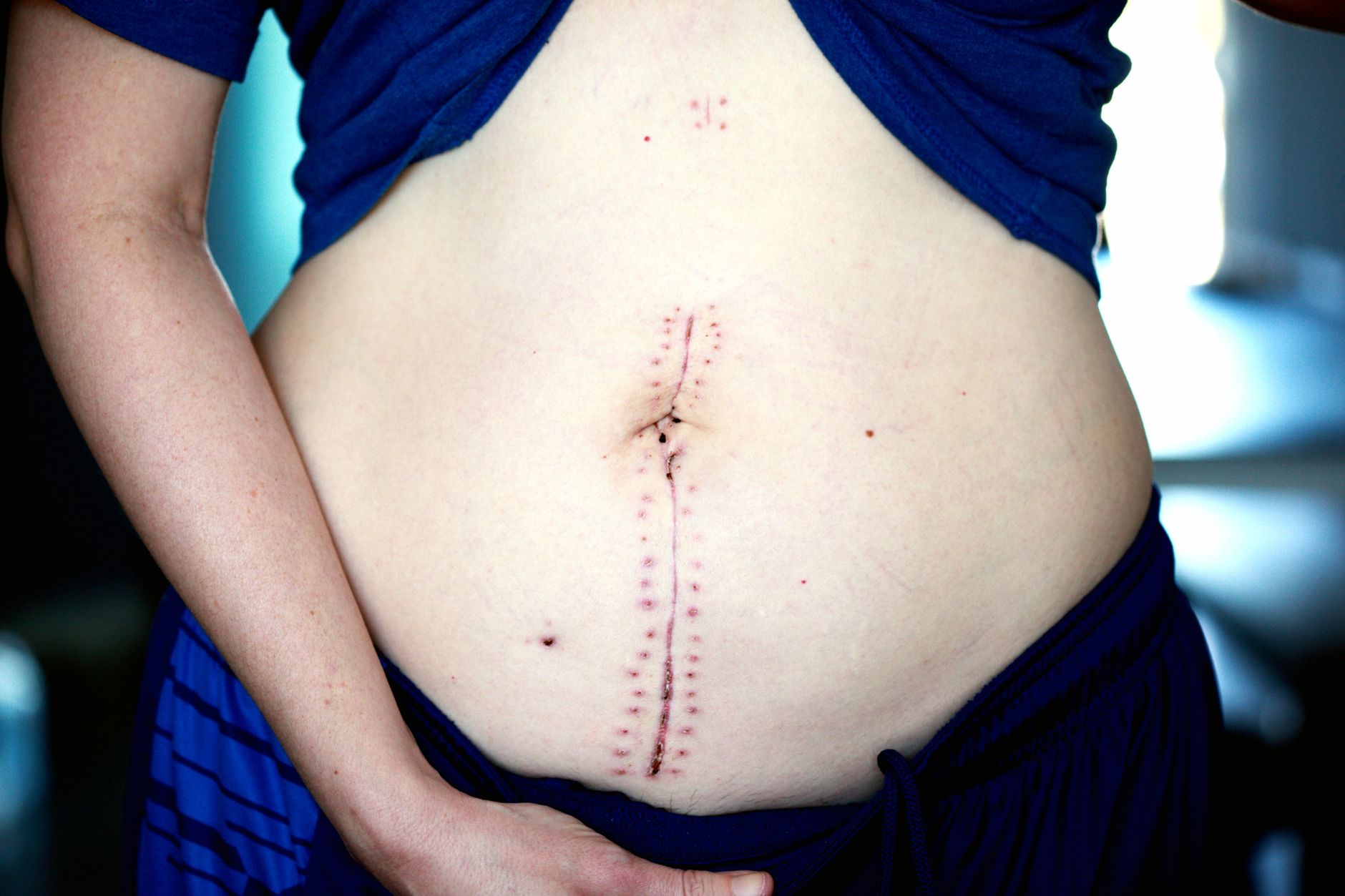
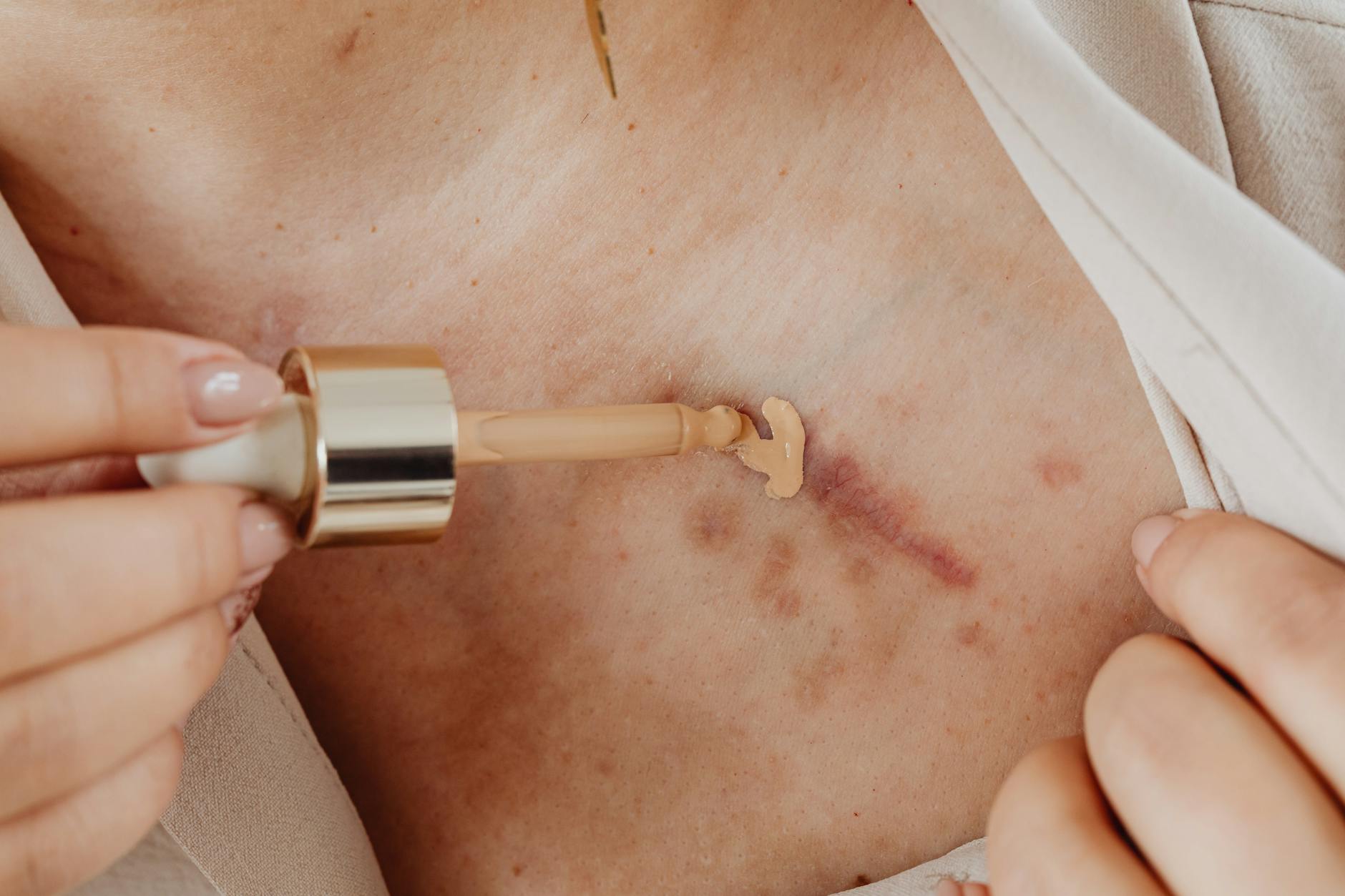
Scar revision surgery is a specialized procedure that improves the appearance, function, and comfort of scars through various surgical techniques. This treatment goes beyond simple cosmetic enhancement—it can restore mobility, reduce pain, and address the social discomfort that prominent scarring often causes.
“Scar revision transforms not just your skin's appearance, but your confidence and quality of life.”
Several types of scars benefit significantly from surgical revision. Keloid scars, which grow beyond the original wound boundaries, respond well to excision combined with other treatments. Hypertrophic scars that remain raised and thick often improve through surgical flattening techniques. Contracture scars that limit movement, particularly around joints, require release procedures to restore function.
Surgical intervention becomes recommended when scars cause physical limitations, ongoing pain, or significant cosmetic concerns that impact daily life. For example, a burn scar across a wrist that prevents full hand movement would be an ideal candidate for revision surgery. The timing matters too—surgeons typically wait 12-18 months after initial healing before considering revision, allowing the scar to fully mature and reveal its final characteristics.
Common Scar Revision Techniques

Plastic surgeons use several proven techniques to improve the appearance of problematic scars. Understanding these approaches helps you make informed decisions about your treatment options.
Z-plasty and W-plasty techniques work by changing the direction of your scar. Surgeons create zigzag patterns that break up straight lines and redistribute tension across the skin. These methods are particularly effective for scars that pull or create dimples. For example, a linear burn scar on your forearm might be converted into a Z-pattern that moves more naturally with your skin.
“The goal isn't to make scars disappear completely, but to make them less noticeable and more natural-looking.”
Simple excision and closure involves removing the old scar completely and creating a new, finer incision. This technique works well for wide or raised scars that healed poorly the first time.
Tissue expansion methods gradually stretch healthy skin near your scar using balloon-like devices placed under the skin. Once enough new skin grows, surgeons use it to replace the scarred area.
Laser-assisted revision uses focused light energy to resurface scars and stimulate new collagen formation. CO2 and fractionated lasers can significantly reduce the appearance of acne scars, surgical scars, and stretch marks without major surgery.
Your surgeon will recommend the best technique based on your scar's location, size, and type.
Non-Surgical Options for Scar Improvement
Not every scar requires surgical intervention. Several non-surgical treatments can significantly improve scar appearance while avoiding the permanent changes that surgical procedures create. These options often serve as first-line treatments or complement surgical approaches.
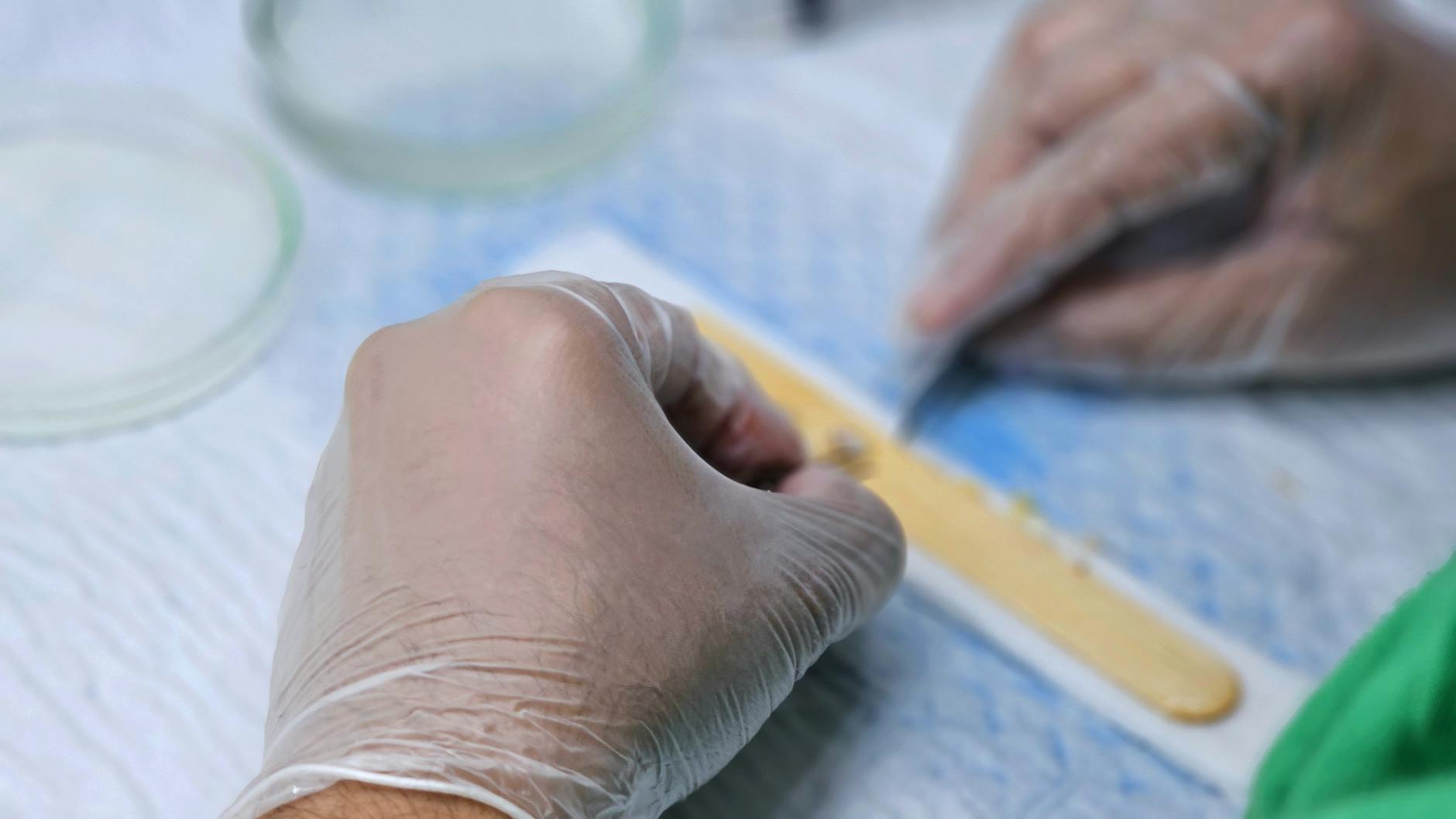
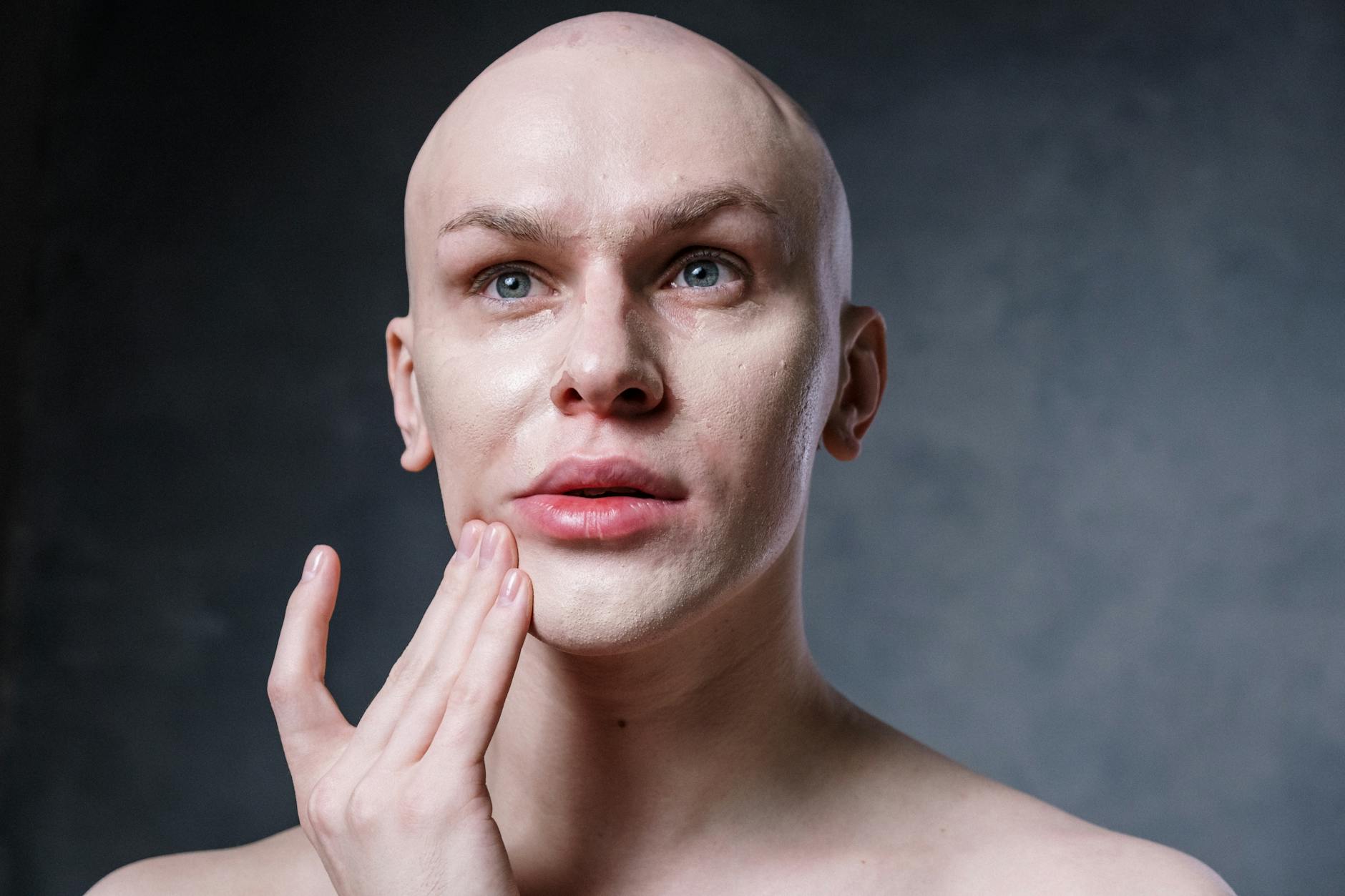
Chemical Peels represent one of the most effective non-surgical treatments for surface-level scarring. These acid treatments remove damaged skin layers through controlled chemical exfoliation, revealing smoother skin beneath. Chemical peels work particularly well for acne scars, uneven texture, and pigmentation issues. The skin is cleansed, then a chemical solution is applied evenly and left for a predetermined time before being neutralized. You'll see improved skin texture and more even tone within one to four weeks, depending on the peel depth used.
Steroid injections reduce raised, thick scars by breaking down excess collagen. Silicone treatments, including gels and sheets, keep scars hydrated and flat during healing. These non-surgical approaches work best for newer scars, superficial damage, or when patients want to avoid surgical risks entirely.
The Scar Revision Process
Understanding the scar revision journey helps you prepare for treatment and sets realistic expectations. The process begins with a thorough evaluation where your surgeon examines your scar's characteristics, including size, location, texture, and how it formed. They'll review your medical history and discuss your goals to determine if you're a good candidate for revision.
Your surgeon examines the scar and discusses your medical history and treatment goals.
Based on your scar type, the surgeon chooses the most appropriate revision method.
The procedure is performed using local or general anesthesia depending on complexity.
You'll follow specific wound care instructions and attend follow-up appointments.
Recovery typically takes two to four weeks for initial healing, with continued improvement over several months. Your surgeon will provide detailed aftercare instructions to optimize healing and minimize the risk of new scar formation. While no surgery can completely eliminate scarring, revision can significantly improve appearance and reduce the social concerns many patients face.
Choosing the Right Treatment Approach

Several key factors determine which scar revision technique will work best for your specific situation. Your scar's age, size, location, and type all influence treatment selection. Raised keloid scars respond differently than depressed acne scars, while facial scars require more delicate approaches than those on the body.
Your skin type and healing history also matter significantly. People with darker skin tones face higher risks of pigmentation changes, while those prone to keloids need specialized approaches to prevent recurrence.
Setting realistic expectations prevents disappointment and helps you make informed decisions. Most scars improve dramatically but rarely disappear completely. Multiple treatments often produce better results than single procedures, and full healing can take months.
Finding a qualified practitioner requires research. Look for board-certified dermatologists or plastic surgeons with specific scar revision experience. Check before-and-after photos of similar cases and read patient reviews carefully.
During consultations, ask direct questions about success rates, potential complications, total treatment costs, and expected timelines. A skilled practitioner will honestly discuss limitations and alternative options, addressing your concerns about permanent scarring while outlining realistic improvement possibilities.
What to Expect After Scar Revision
Your healing journey begins immediately after treatment. The first 24-48 hours require careful wound care, keeping the area clean and following your doctor's specific instructions. Avoid sun exposure and resist picking at healing tissue.
Full healing takes time, and your scar will continue improving for months. Most patients see initial improvement within 2-4 weeks, but complete results may take 6-12 months as collagen remodels and tissue settles. Your scar may appear red or raised initially before gradually flattening and fading.
While complications are rare, watch for signs of infection, excessive swelling, or unusual pain. Some patients experience temporary numbness or skin discoloration that typically resolves over time.
Optimize your results by following post-care instructions religiously, using prescribed topical treatments, and attending follow-up appointments. Proper aftercare significantly influences your final outcome and helps ensure your investment in treatment pays off.
Patience and proper aftercare are essential for achieving the best possible scar revision results.
Frequently Asked Questions
What is scar revision surgery?
Scar revision surgery is a specialized procedure that improves the appearance, function, and comfort of scars through various surgical techniques. This treatment goes beyond simple cosmetic enhancement—it can restore mobility, reduce pain, and address the social discomfort that prominent scarring often causes.
When should I consider scar revision surgery?
Surgical intervention becomes recommended when scars cause physical limitations, ongoing pain, or significant cosmetic concerns that impact daily life. Surgeons typically wait 12-18 months after initial healing before considering revision, allowing the scar to fully mature and reveal its final characteristics.
What are Z-plasty and W-plasty techniques?
Z-plasty and W-plasty techniques work by changing the direction of your scar by creating zigzag patterns that break up straight lines and redistribute tension across the skin. These methods are particularly effective for scars that pull or create dimples, such as converting a linear burn scar into a Z-pattern that moves more naturally with your skin.
What types of scars benefit from surgical revision?
Keloid scars that grow beyond the original wound boundaries respond well to excision combined with other treatments. Hypertrophic scars that remain raised and thick often improve through surgical flattening techniques, while contracture scars that limit movement require release procedures to restore function.
Are there non-surgical options for scar treatment?
Chemical peels represent one of the most effective non-surgical treatments for surface-level scarring, removing damaged skin layers through controlled chemical exfoliation. These treatments work particularly well for acne scars, uneven texture, and pigmentation issues, with improved skin texture visible within one to four weeks depending on the peel depth used.
Disclaimer: This content is for informational purposes only and does not constitute medical advice. Always consult a qualified healthcare provider before making health decisions.