What Are Skin Graft Surgery Types?

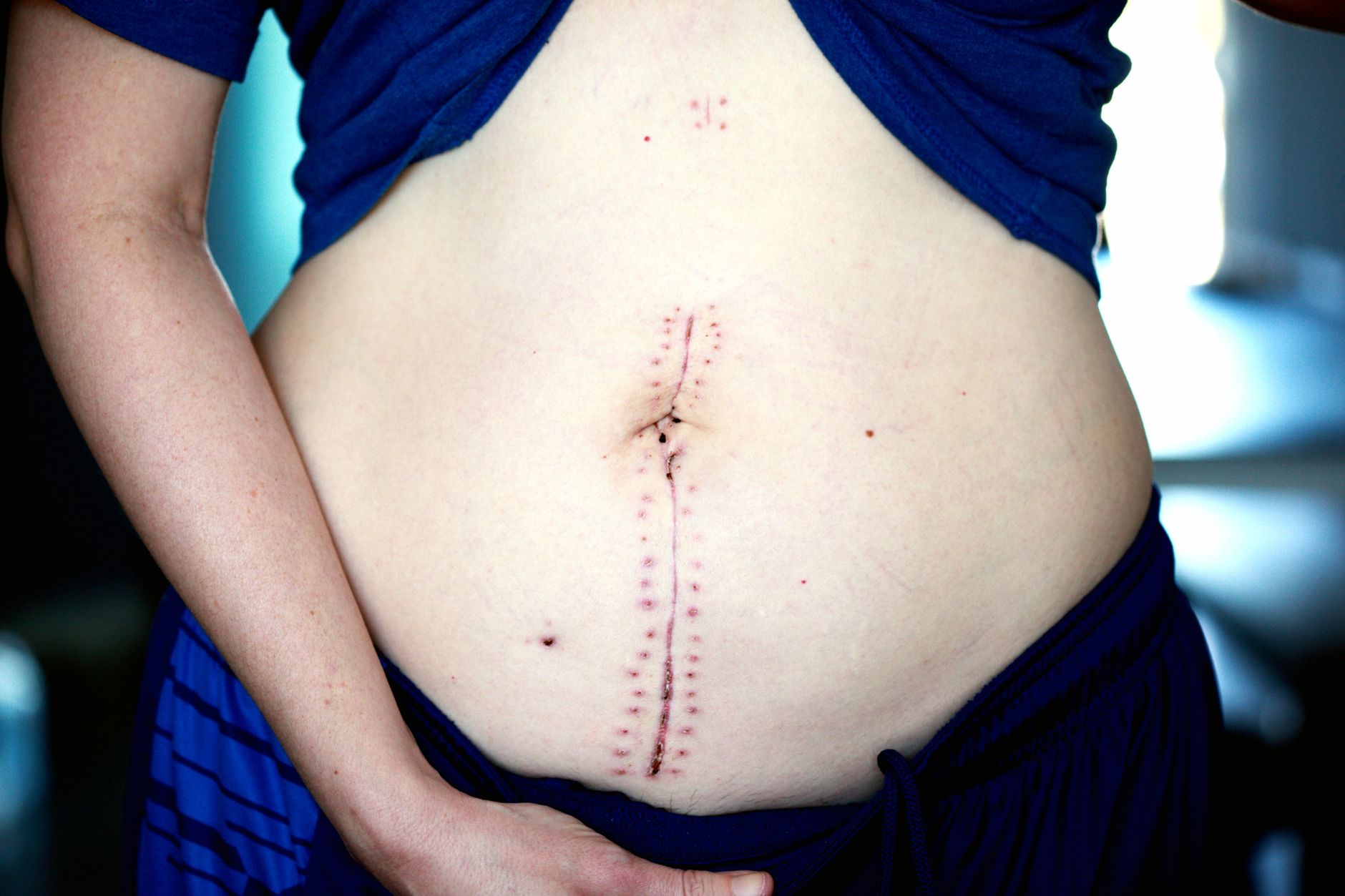
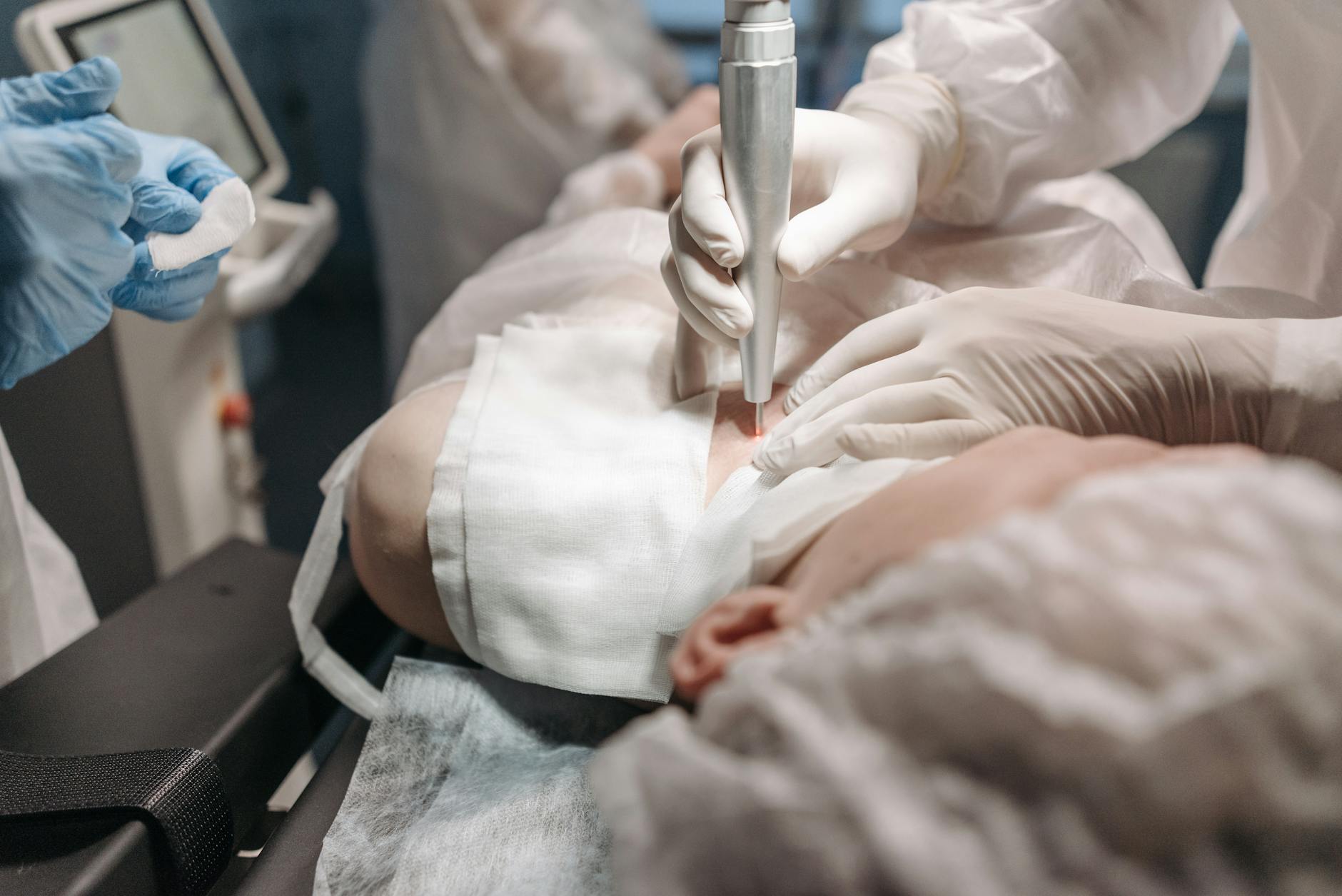
Skin grafting is a surgical procedure where healthy skin from one part of your body is transferred to an area that has lost skin due to injury, burns, or disease. This technique helps restore both function and appearance to damaged areas.
“Skin grafting offers hope for restoring both function and confidence when other treatments fall short.”
There are two main types of skin grafts. Split-thickness grafts use only the top layers of skin and are commonly used for large wounds like burns. Full-thickness grafts include all skin layers and provide better cosmetic results, making them ideal for visible areas like the face or hands.
Doctors recommend skin grafts when wounds won't heal naturally, when skin cancer removal leaves large defects, or when severe burns destroy significant skin areas. For example, a patient with a large surgical wound after skin cancer removal might need a full-thickness graft to minimize scarring and restore natural appearance.
Split-Thickness Skin Grafts

Split-thickness skin grafts are the most commonly used type of skin graft, harvesting only the epidermis (top layer) and a portion of the dermis (deeper layer) from the donor site. This technique leaves behind enough dermal tissue at the donor site to regenerate naturally, which typically heals within 10-14 days with minimal scarring.
“Split-thickness grafts offer excellent coverage for large wounds while preserving the donor site's ability to heal completely.”
These grafts work exceptionally well for covering extensive areas like burns, traumatic wounds, or surgical defects. For example, burn patients often receive split-thickness grafts to cover large portions of their arms or legs where appearance concerns are balanced with functional recovery needs.
While the grafted area may initially appear different from surrounding skin, most patients see significant improvement in texture and color matching over six to twelve months. The graft becomes increasingly integrated with your natural skin, addressing concerns about permanent visible differences that many patients worry about before surgery.
Full-Thickness Skin Grafts
Full-thickness skin grafts include both the epidermis and dermis layers, making them significantly thicker than split-thickness grafts. These grafts contain all skin structures including sweat glands, hair follicles, and blood vessels, which creates a more natural appearance and better function after healing.
The primary advantage of full-thickness grafts lies in their superior cosmetic outcomes. Since they contain the complete dermal layer, these grafts maintain better color match, texture, and elasticity compared to thinner alternatives. This reduces the risk of noticeable scarring that many patients worry about, especially on visible areas like the face or hands.
Surgeons typically use full-thickness grafts for facial reconstruction, eyelid repair, and hand surgeries where appearance matters most. For example, repairing a cheek defect after skin cancer removal often requires this technique to achieve seamless results. The trade-off is that donor sites are limited since removing the full skin thickness creates wounds that must be closed with sutures.
Choosing the Right Graft Type

Your surgeon considers multiple factors when selecting between split-thickness and full-thickness grafts for your procedure. Wound size plays a crucial role - larger defects typically require split-thickness grafts because they provide more coverage from a smaller donor site. Location matters equally, as areas requiring precise color matching and texture, like facial wounds, often benefit from full-thickness grafts despite their limited availability.
Healing expectations differ significantly between graft types. Split-thickness grafts heal faster but may appear shinier and contract more over time. Full-thickness grafts heal slower but provide better cosmetic results with less noticeable scarring. Your surgeon weighs these trade-offs against your specific wound characteristics and aesthetic concerns to minimize visible scarring.
Recovery and Aftercare Expectations
Recovery varies dramatically between graft types, affecting your return to normal activities and final appearance. Split-thickness grafts typically require 7-10 days for initial healing, while full-thickness grafts need 14-21 days before you can resume regular movement.
Keep grafts dry and protected with prescribed dressings for the first week.
Avoid stretching or movement that pulls on the graft site for 2-3 weeks.
Protect healed grafts from sun exposure and consider treatments like Chemical Peels for texture refinement.
Full-thickness grafts generally produce better color matching and texture, while split-thickness grafts may appear slightly different from surrounding skin. Most patients see significant improvement within 6-12 months, though some grafts continue maturing for up to two years.
Follow your surgeon's specific aftercare instructions exactly to minimize scarring and achieve the best possible cosmetic outcome.
Frequently Asked Questions
What are the two main types of skin grafts?
There are two main types of skin grafts: split-thickness grafts and full-thickness grafts. Split-thickness grafts use only the top layers of skin and are commonly used for large wounds like burns. Full-thickness grafts include all skin layers and provide better cosmetic results, making them ideal for visible areas like the face or hands.
How long does it take for split-thickness skin grafts to heal?
Split-thickness skin grafts typically heal within 10-14 days at the donor site with minimal scarring. The grafted area may initially appear different from surrounding skin, but most patients see significant improvement in texture and color matching over six to twelve months.
What is the success rate for full-thickness skin grafts?
Full-thickness skin grafts have an 85% success rate with a healing time of 2-3 weeks. These grafts also achieve 95% patient satisfaction rates due to their superior cosmetic outcomes and natural appearance.
When do doctors recommend skin graft surgery?
Doctors recommend skin grafts when wounds won't heal naturally, when skin cancer removal leaves large defects, or when severe burns destroy significant skin areas. For example, a patient with a large surgical wound after skin cancer removal might need a full-thickness graft to minimize scarring and restore natural appearance.
Why are full-thickness grafts better for facial reconstruction?
Full-thickness grafts are better for facial reconstruction because they contain all skin structures including sweat glands, hair follicles, and blood vessels, creating a more natural appearance. They maintain better color match, texture, and elasticity compared to thinner alternatives, which reduces the risk of noticeable scarring on visible areas like the face.
Disclaimer: This content is for informational purposes only and does not constitute medical advice. Always consult a qualified healthcare provider before making health decisions.