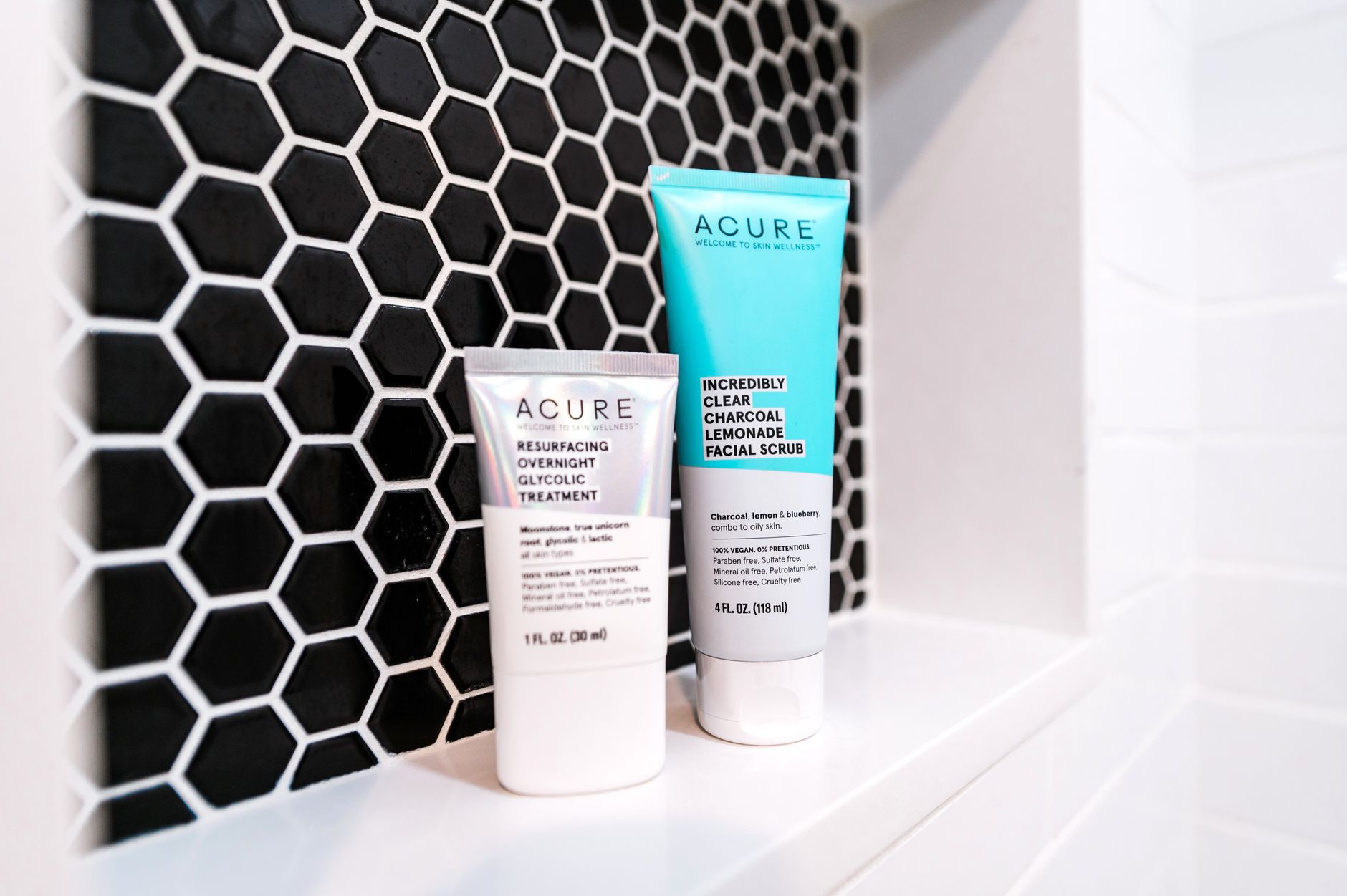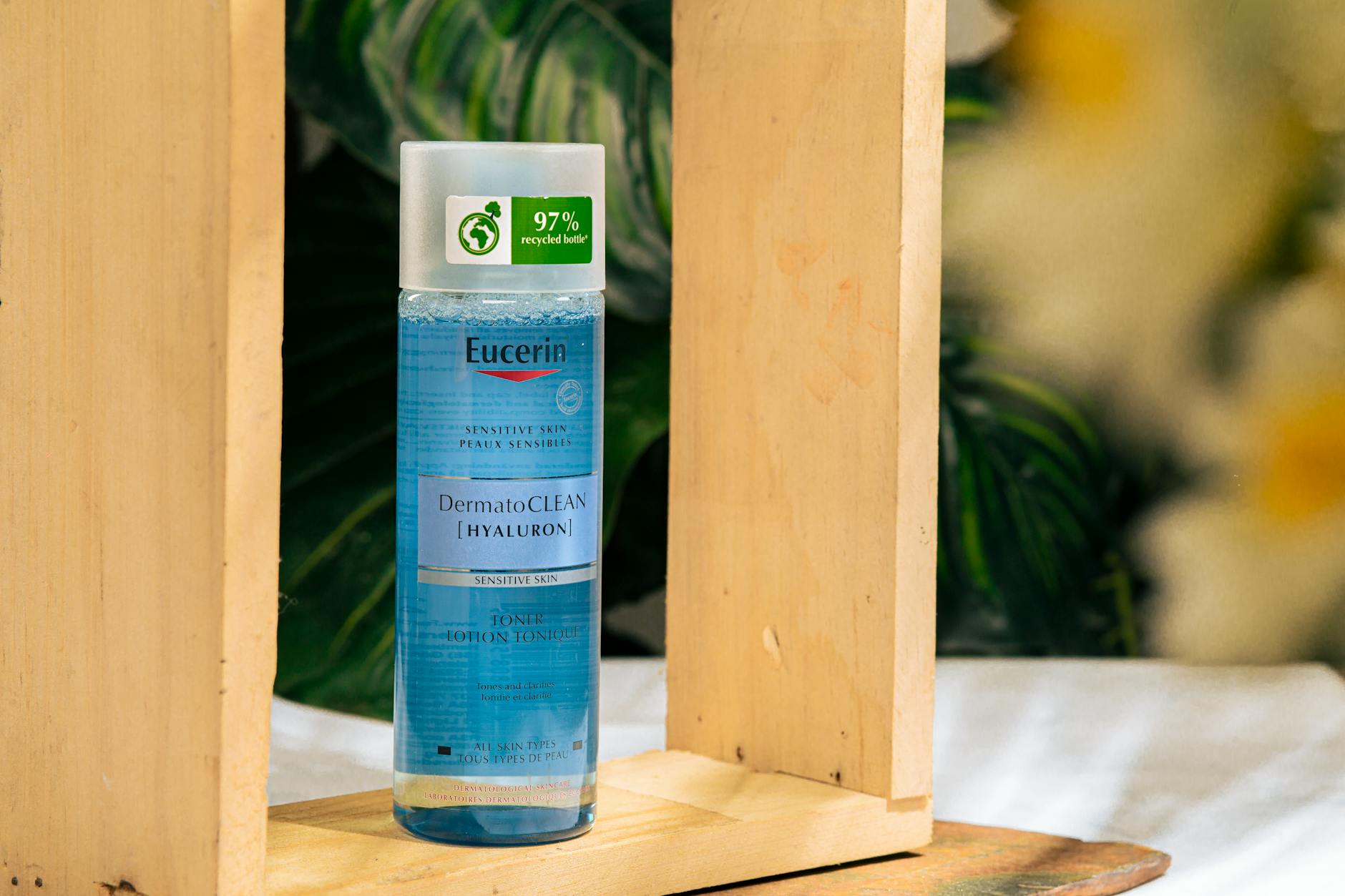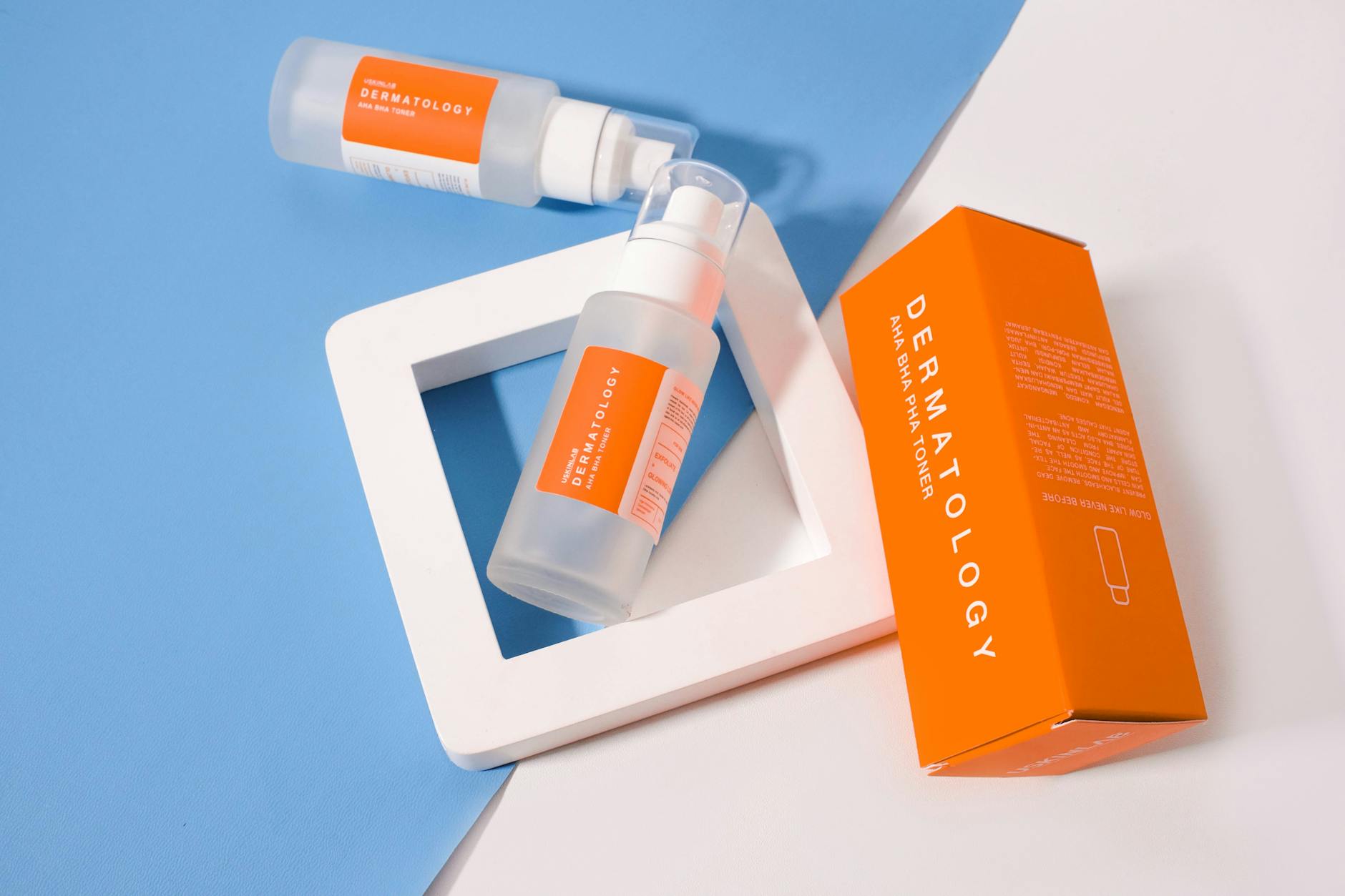
Why AHA Layering Order Matters

The order you apply your skincare products determines whether they work together or against each other. AHAs are pH-dependent acids that need specific conditions to penetrate your skin effectively. When you layer products incorrectly, you risk neutralizing the AHA's benefits or creating chemical reactions that inflame your skin.
“Wrong layering order can turn beneficial ingredients into skin irritants.”
pH levels play a crucial role in ingredient effectiveness. AHAs work best at a pH between 3-4, but many moisturizers and serums have higher pH levels that can deactivate acids. Applying a high-pH product before your AHA essentially wastes the treatment.
Poor layering also creates unnecessary irritation that could lead to lasting skin damage. For example, using vitamin C serum immediately after glycolic acid can cause severe redness and sensitivity that takes weeks to heal, potentially leaving marks you're trying to avoid.
The Safe AHA Layering Formula

The golden rule for AHA layering follows a simple principle: apply products from thinnest to thickest consistency. This prevents thicker creams from blocking lighter serums from penetrating your skin effectively.
“Start with your thinnest product and work your way up to the thickest—this simple rule prevents product pilling and maximizes absorption.”
pH levels matter just as much as consistency. AHAs work best at lower pH levels (around 3-4), so apply them before higher pH products like moisturizers. This sequencing ensures your AHA maintains its effectiveness rather than being neutralized.
Start with clean skin using a gentle cleanser.
Use your glycolic or lactic acid product on dry skin.
Allow the AHA to absorb completely before applying other products.
Apply serums, treatments, then moisturizer in order of increasing thickness.
Wait times prevent unwanted reactions that could cause irritation or scarring. Rushing this process undermines your results and increases risk.
How to Layer AHAs with Vitamin C
Vitamin C (L-Ascorbic Acid) and AHAs represent the most challenging combination for beginners, often causing redness, stinging, and irritation that can worsen existing skin concerns. The key issue isn't the ingredients themselves—it's timing.
Both Vitamin C and AHAs lower your skin's pH, creating an acidic environment that becomes too harsh when applied simultaneously. This double acidity can damage your skin barrier, leading to inflammation rather than the clear, bright complexion you're seeking.
Apply Vitamin C serum after cleansing, followed by moisturizer and SPF.
Use AHAs at night, starting twice weekly and gradually increasing frequency.
This morning-evening split maximizes both ingredients' benefits while preventing irritation. Your skin gets antioxidant protection during the day and gentle exfoliation overnight for optimal renewal.
Combining AHAs with Retinol Safely
Retinol, a vitamin A derivative that stimulates cell turnover and reduces fine lines, creates the most potent anti-aging combination when paired with AHAs. However, this powerhouse duo requires careful handling to prevent irritation that could lead to redness or peeling—concerns that understandably worry anyone seeking clear skin.
Use AHAs Monday, Wednesday, Friday and retinol Tuesday, Thursday, Saturday.
Watch for excessive dryness, burning sensations, or persistent redness lasting more than 24 hours.
After four weeks of alternating, you may try using both on the same night if your skin shows no irritation.
AHA-Friendly Supporting Ingredients

Certain ingredients work synergistically with AHAs to enhance results while minimizing irritation. Hyaluronic Acid stands out as the perfect companion, holding up to 1000 times its weight in water to counteract AHA-induced dryness. Apply it immediately after your AHA to lock in moisture and prevent the tightness that can lead to picking or scratching damaged skin.
Niacinamide offers another excellent partnership, regulating sebum production while strengthening your skin barrier against AHA sensitivity. This vitamin B3 derivative reduces inflammation and minimizes pore appearance, addressing multiple skin concerns simultaneously.
Apply a gentle, fragrance-free cleanser to prepare clean skin.
Layer Hyaluronic Acid, then Niacinamide, followed by moisturizer and sunscreen.
Ceramides and peptides also complement AHAs beautifully, rebuilding skin structure while acids work to clear congestion and smooth texture.
Common AHA Layering Mistakes to Avoid
The biggest mistake beginners make is combining AHAs with multiple active ingredients like Salicylic Acid (2-hydroxybenzoic acid) on the same night. This overwhelms your skin and can cause irritation that leads to scarring concerns. Start with one active ingredient and gradually introduce others weeks apart.
Ignoring your skin's warning signals creates serious problems. If you experience persistent redness, stinging, or peeling, stop immediately. Your skin is telling you to slow down, not push through the discomfort.
Skipping sunscreen while using AHAs is the fastest way to damage your skin permanently. AHAs increase photosensitivity, making you vulnerable to sun damage and hyperpigmentation. Apply broad-spectrum SPF 30 daily, even indoors.
Remember: patience prevents problems. Rushing your routine causes setbacks that delay the clear skin you want.
Start slow with one active ingredient, listen to your skin's signals, and never skip sunscreen when using AHAs.
Frequently Asked Questions
What happens if I layer AHA products in the wrong order?
Wrong layering order can neutralize the AHA's benefits or create chemical reactions that inflame your skin. You risk turning beneficial ingredients into skin irritants, and poor layering can cause unnecessary irritation that leads to lasting skin damage.
How long should I wait between applying AHA and other skincare products?
You should wait 15-20 minutes after applying your AHA before layering other products. This allows the AHA to absorb completely and prevents unwanted reactions that could cause irritation or scarring.
Can I use vitamin C and AHA together in my skincare routine?
You should not apply vitamin C and AHA at the same time, as both lower your skin's pH and create an acidic environment that becomes too harsh. The best approach is to use vitamin C in the morning and AHAs in the evening to maximize benefits while preventing irritation.
What pH level do AHAs need to work effectively?
AHAs work best at a pH between 3-4 for effective skin penetration. Many moisturizers and serums have higher pH levels that can deactivate acids, so applying a high-pH product before your AHA essentially wastes the treatment.
What order should I apply my skincare products when using AHAs?
Apply products from thinnest to thickest consistency, starting with cleanser and toner, then AHA on dry skin, followed by serums and moisturizer. This prevents thicker creams from blocking lighter serums and ensures your AHA maintains its effectiveness at the proper pH level.
Disclaimer: This content is for informational purposes only and does not constitute medical advice. Always consult a qualified healthcare provider before making health decisions.