
What Are Alpha Hydroxy Acids (AHAs)
Complete explanation of alpha hydroxy acids, how they work, their molecular structure, and mechanism of action on skin
Read article →
10 articles
Alpha hydroxy acids (AHAs) are powerful chemical exfoliants that gently dissolve dead skin cells to reveal smoother, brighter skin underneath. These naturally-derived acids work by breaking down the bonds between skin cells, helping to improve texture, reduce fine lines, and fade dark spots. AHAs are among the most researched and effective anti-aging ingredients available, making them essential tools for anyone looking to improve their skin's appearance and health.
This section provides everything you need to know about using AHAs safely and effectively. You'll find detailed guides on specific AHA types like glycolic and lactic acid, concentration recommendations for beginners, and expert advice on combining AHAs with other skincare ingredients.
Complete explanation of alpha hydroxy acids, how they work, their molecular structure, and mechanism of action on skin
Read article →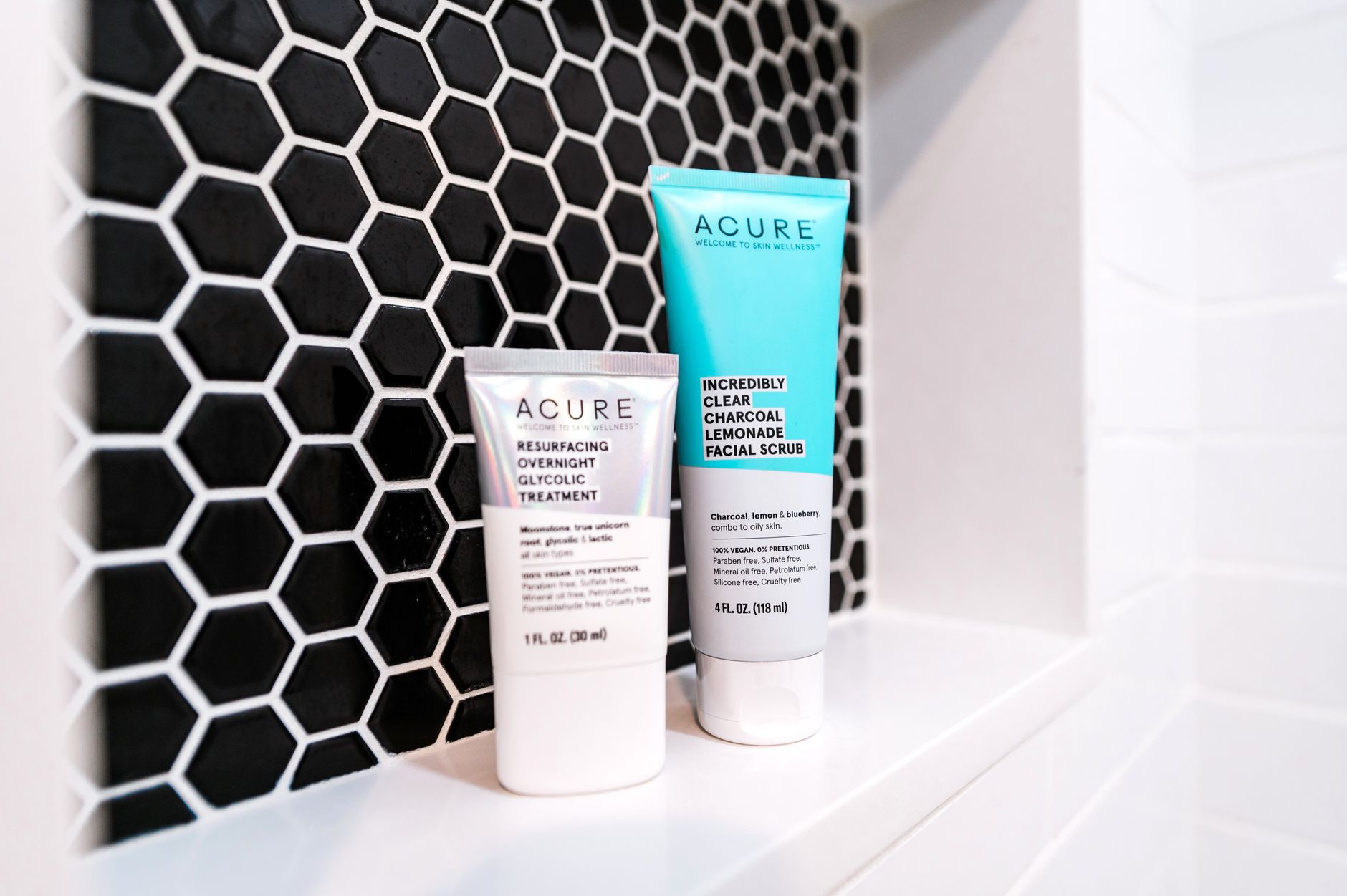
Comprehensive guide to glycolic acid benefits, uses for anti-aging, acne treatment, and skin texture improvement
Read article →
How lactic acid works as a gentle AHA option for sensitive skin types with moisturizing properties and gradual exfoliation
Read article →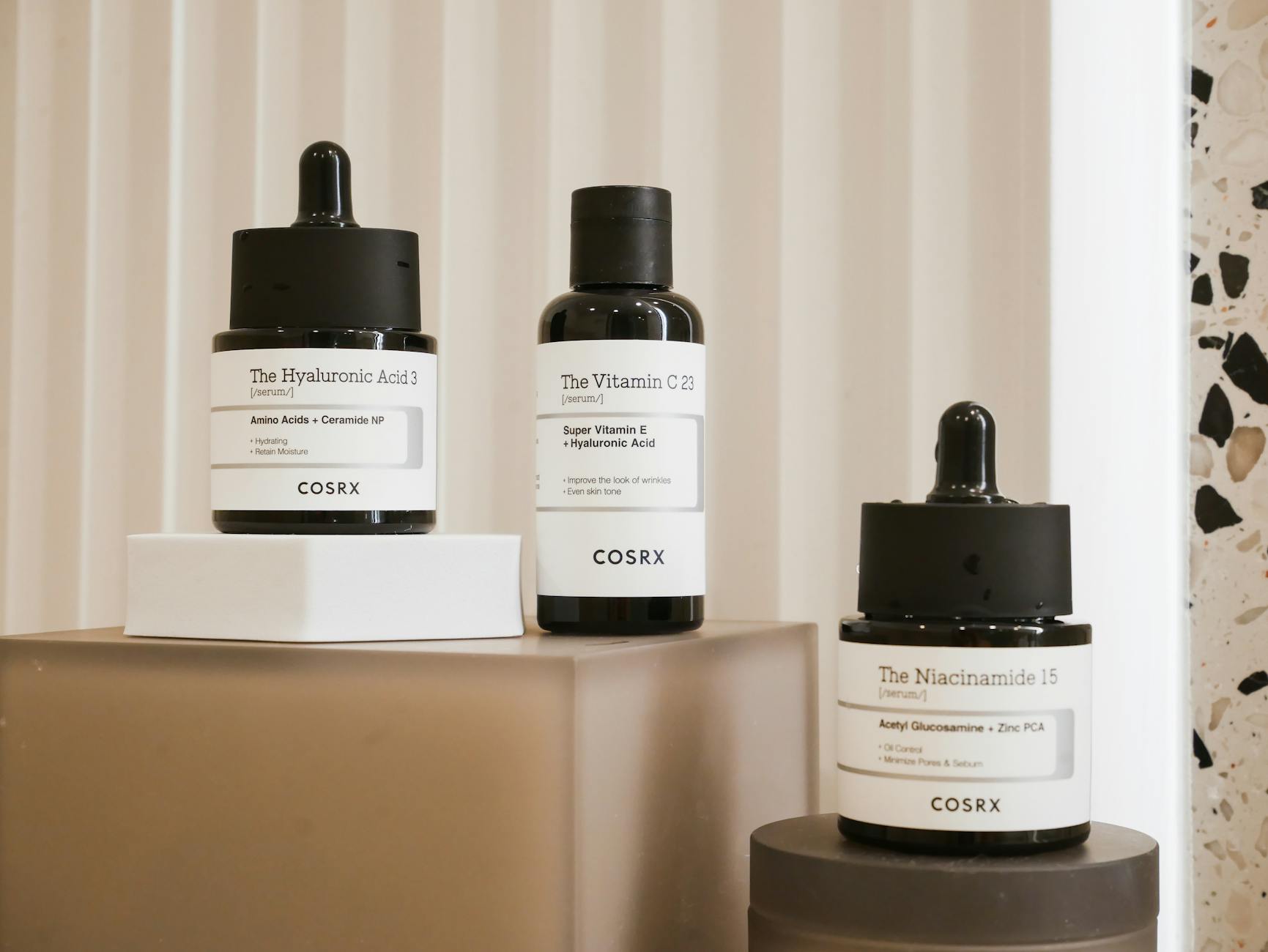
Detailed comparison of mandelic acid with glycolic and lactic acid including molecule size, gentleness, and effectiveness
Read article →
How to choose the right AHA concentration percentage for beginners including 5%, 10%, and 15% formulations
Read article →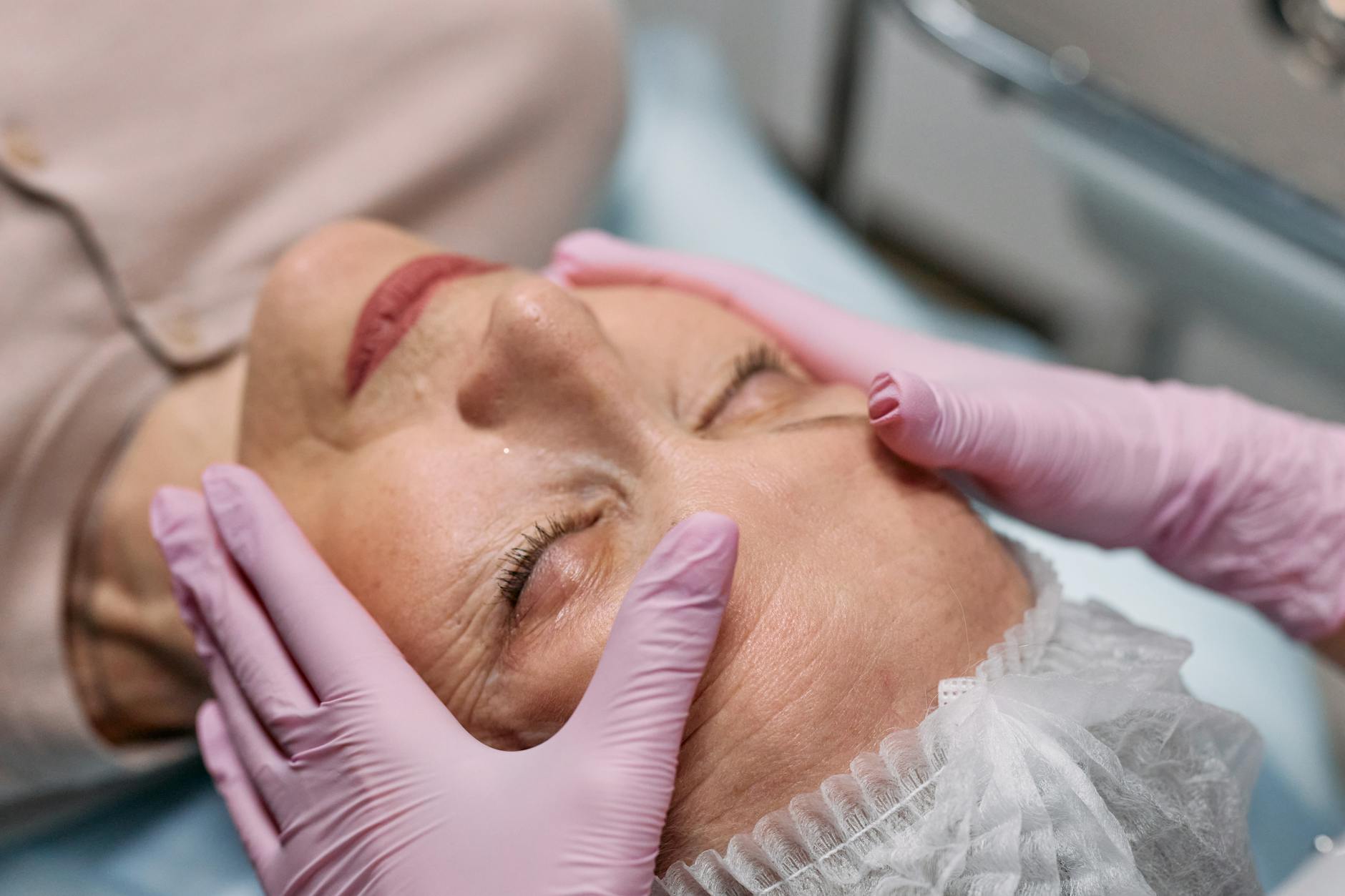
How alpha hydroxy acids reduce fine lines, wrinkles, and signs of aging through collagen stimulation and cell turnover
Read article →
Common AHA side effects including irritation, redness, peeling, and practical tips to minimize and prevent reactions
Read article →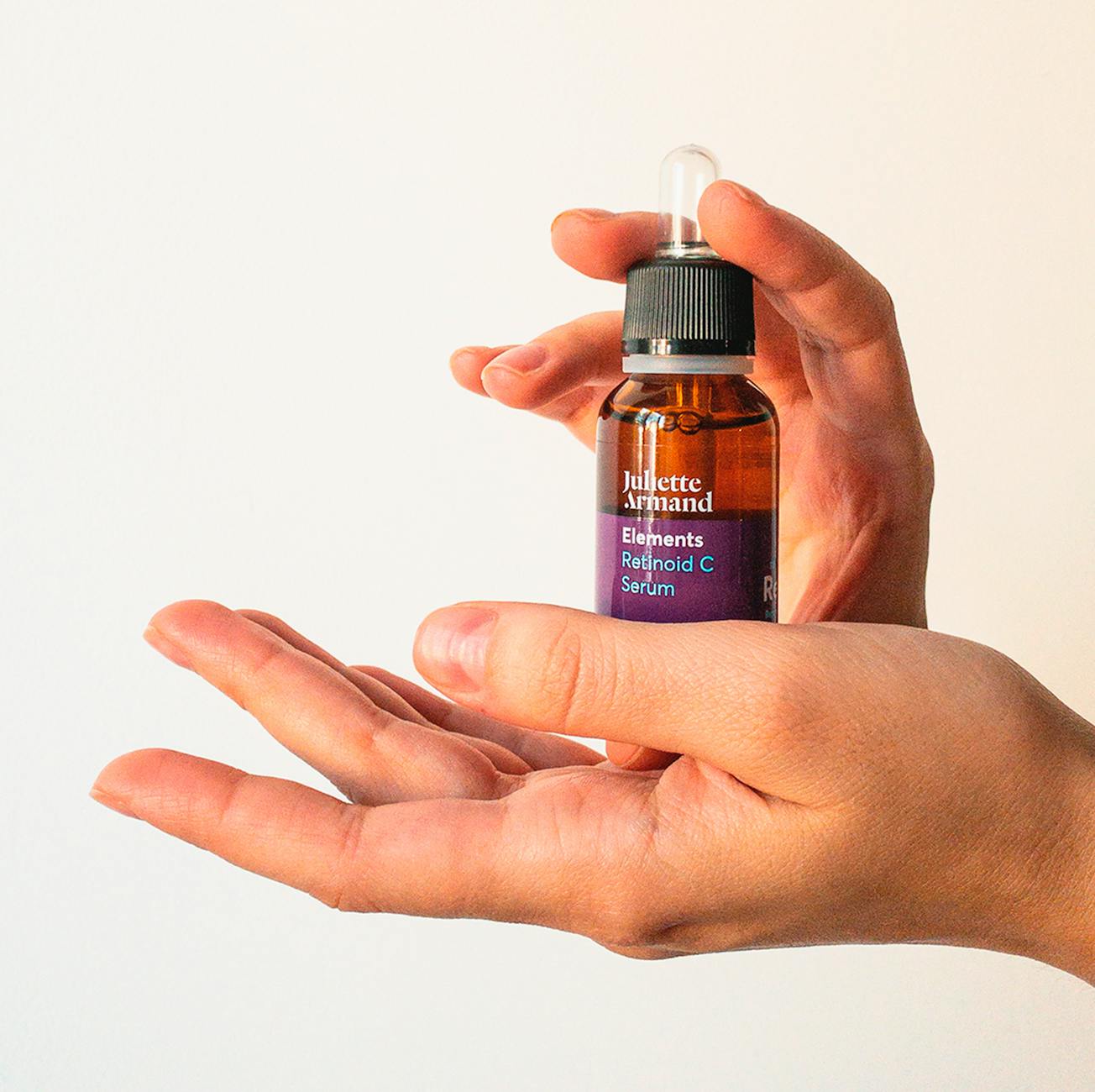
Top-rated AHA products including serums, toners, and treatments recommended for oily, dry, sensitive, and combination skin
Read article →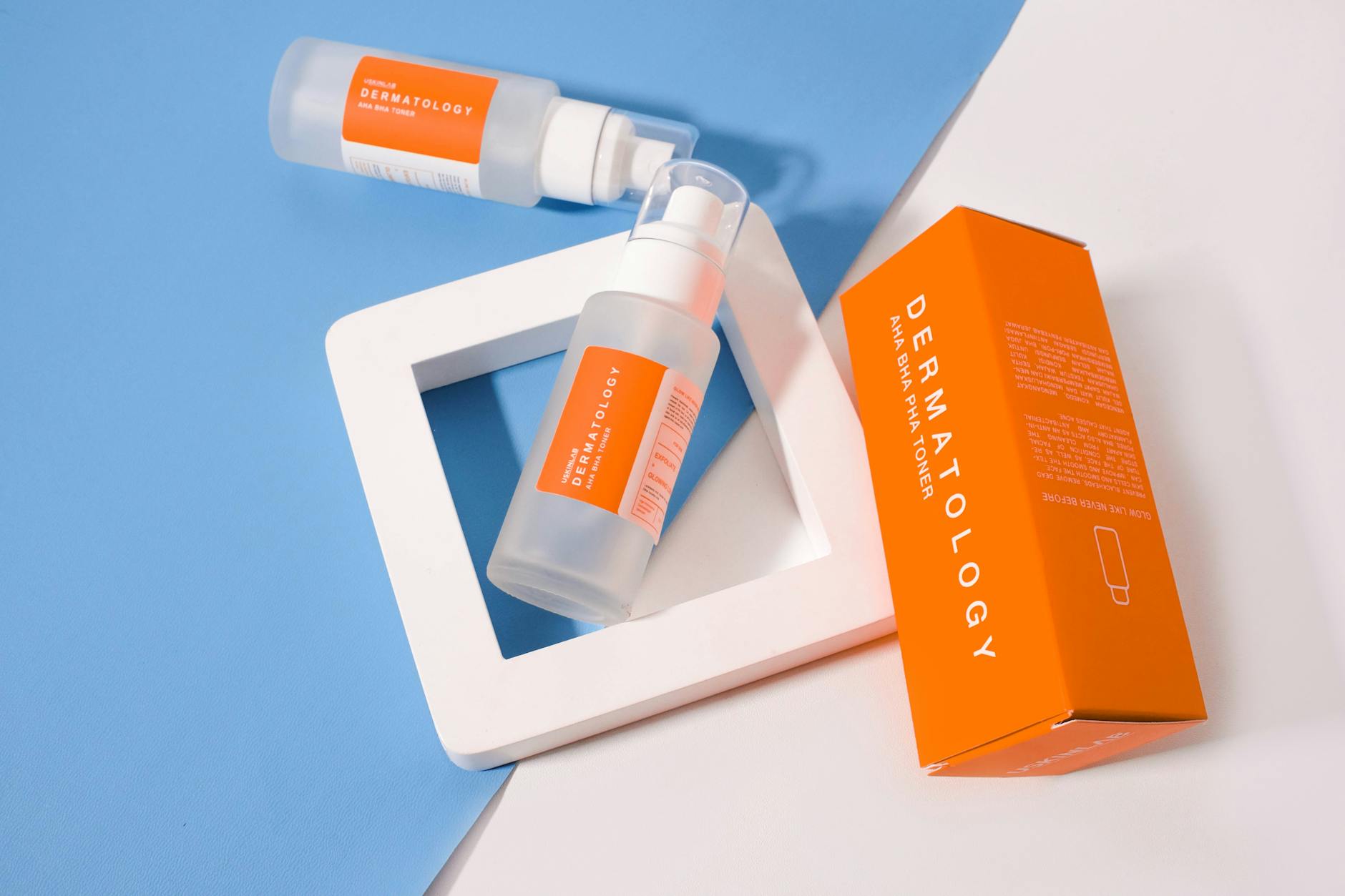
Step-by-step guide to safely combining AHAs with retinol, vitamin C, niacinamide, and other active ingredients
Read article →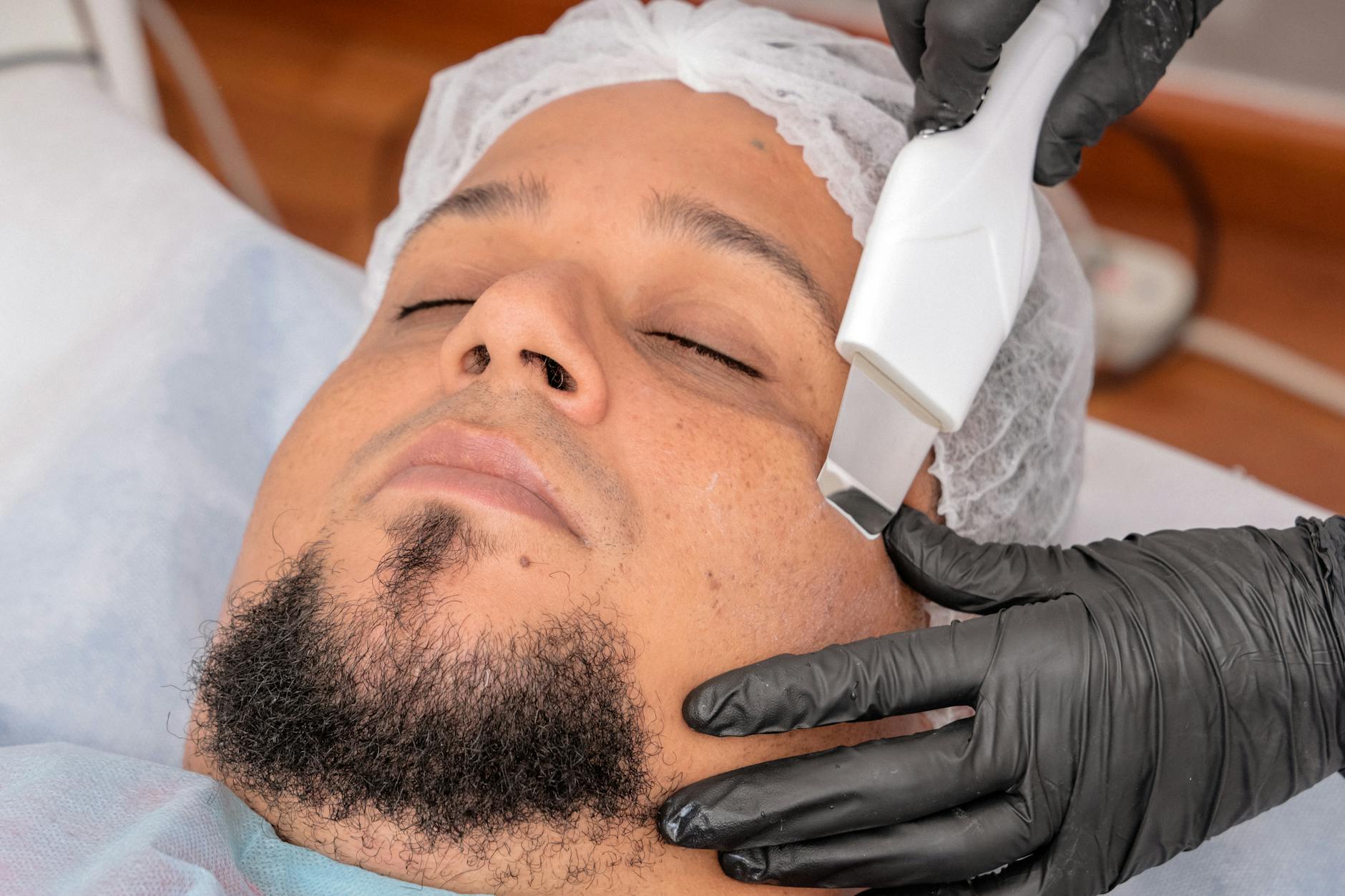
Comparison of at-home AHA peels versus professional chemical peels including safety, effectiveness, and cost considerations
Read article →