Quick Verdict: Which AHA Is Right for You?

The size of the acid molecule determines how deep it penetrates and how intense the exfoliation feels. Mandelic acid has the largest molecular structure, making it the gentlest option for sensitive skin types who want to avoid irritation and potential scarring. This slow-acting acid reduces the risk of over-exfoliation while still delivering clear results.
“Mandelic acid has the largest molecular structure, making it the gentlest option for sensitive skin types.”
Glycolic acid sits at the opposite end with the smallest molecules, penetrating deepest for maximum exfoliation power. Experienced users who have built up tolerance choose glycolic acid for dramatic results, but beginners often experience redness and peeling. Lactic acid offers a middle ground with moderate molecular size, providing noticeable exfoliation without the intensity of glycolic acid, making it perfect for those stepping up from mandelic acid.
Molecule Size Matters: The Science Behind Gentleness

Think of AHA molecules like different-sized keys trying to unlock your skin. Mandelic acid has the largest molecular structure among common AHAs, making it the gentlest option for your skin barrier. This big molecule size means it penetrates slowly and steadily, reducing your risk of irritation that could lead to scarring or redness.
“Larger molecules mean gentler penetration, making mandelic acid the safest choice for beginners worried about damaging their skin.”
Glycolic acid sits at the opposite end with the smallest molecules, diving deep into your skin quickly. While this creates faster results, it also increases irritation risk. Lactic acid falls somewhere in between these two extremes.
For example, if you've never used chemical exfoliants before, mandelic acid's slow penetration gives your skin time to adjust without the angry red reaction that glycolic acid might trigger. This gradual approach helps prevent the inflammation that can worsen acne and create lasting marks.
Side-by-Side Comparison Table
| Factor | Mandelic Acid | Glycolic Acid | Lactic Acid |
|---|---|---|---|
| Molecular Weight | 152 Da (largest) | 76 Da (smallest) | 90 Da (medium) |
| Gentleness Level | Most gentle | Most aggressive | Moderately gentle |
| Best For Skin Types | Sensitive, acne-prone | Normal, sun damage | Dry, mature skin |
| Starting Concentration | 5-10% | 2-5% | 3-8% |
| Results Timeline | 4-6 weeks | 2-4 weeks | 3-5 weeks |
This comparison shows why dermatologists often recommend mandelic acid for beginners who worry about permanent scarring from harsh treatments. While glycolic acid works fastest, mandelic acid delivers reliable results without the risk of severe irritation that can worsen acne.
Results Timeline: When You'll See Changes
Understanding when each AHA delivers visible improvements helps you set realistic expectations and avoid the frustration that leads many people to abandon effective treatments too early.
Glycolic acid works fastest, typically showing smoother texture and reduced breakouts within 2-4 weeks. Its small molecular size penetrates quickly, making it ideal when you need rapid improvement for an upcoming event.
Lactic acid delivers noticeable hydration improvements within days, but takes 3-5 weeks for texture and tone changes. This middle-ground timeline suits most people's patience levels.
Mandelic acid requires the most patience at 4-6 weeks, but this slower pace actually prevents the irritation that can worsen existing blemishes or create temporary redness that mimics scarring.
Combining AHAs with Other Ingredients

Building an effective routine with AHAs requires careful ingredient pairing to avoid irritation while maximizing benefits. Smart combinations can actually enhance your results and minimize side effects.
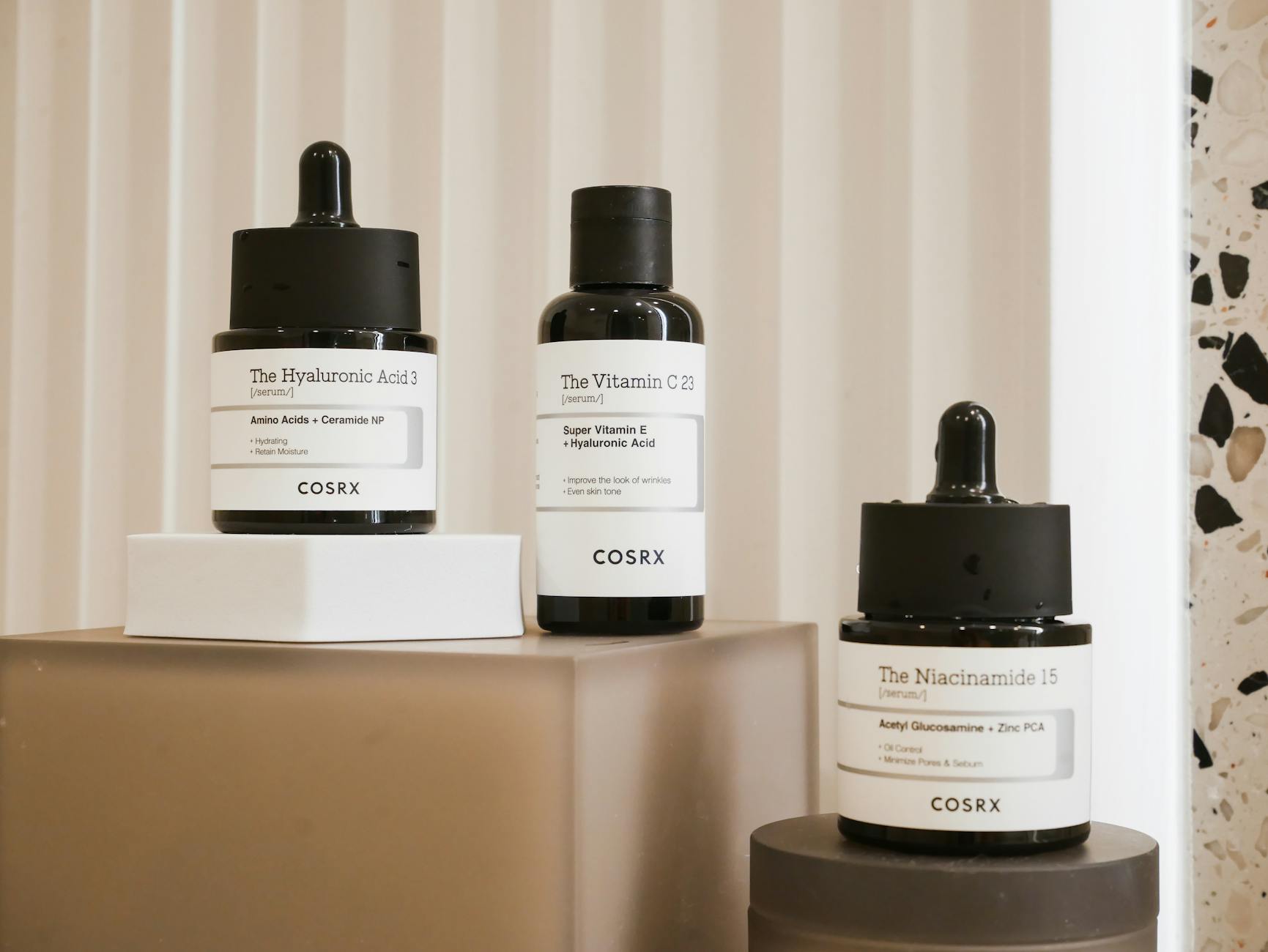
Hyaluronic Acid works beautifully with all AHAs, including mandelic acid. This powerful humectant holds up to 1000 times its weight in water, providing essential hydration after acid exfoliation. Apply hyaluronic acid serum immediately after your AHA to prevent dryness and maintain your skin barrier.
Apply your chosen acid on clean, dry skin and wait 10 minutes.
Follow with niacinamide or hyaluronic acid for enhanced benefits.
Niacinamide, a form of vitamin B3, pairs excellently with AHAs by reducing potential irritation and regulating sebum production. However, avoid combining AHAs with Retinol or Vitamin C initially, as these potent actives can cause excessive irritation and potentially worsen breakouts rather than clear them.
Safety Considerations and Who Should Choose What
Start with mandelic acid if you have sensitive skin or are new to chemical exfoliation. Its gentle action reduces the risk of permanent scarring while still delivering results. Choose glycolic acid only if you're experienced with AHAs and have built up tolerance gradually.
Patch test all AHAs before full use, even gentle mandelic acid. For acne-prone skin, consider combining with Salicylic Acid, which works inside pores to prevent future breakouts while AHAs resurface your skin safely.
Always start with the gentlest AHA option and work up gradually to avoid irritation and scarring.
Frequently Asked Questions
Which AHA is best for sensitive skin?
Mandelic acid is the best AHA for sensitive skin because it has the largest molecular structure among common AHAs. This large molecule size means it penetrates slowly and steadily, reducing the risk of irritation that could lead to scarring or redness. The gradual approach helps prevent inflammation that can worsen acne and create lasting marks.
What's the difference between mandelic acid and glycolic acid?
Mandelic acid has the largest molecular structure making it the gentlest option, while glycolic acid has the smallest molecules that penetrate deepest for maximum exfoliation power. Glycolic acid creates faster results but increases irritation risk, especially for beginners who often experience redness and peeling. Mandelic acid's slow penetration gives your skin time to adjust without the angry red reaction that glycolic acid might trigger.
How does lactic acid compare to other AHAs?
Lactic acid offers a middle ground between mandelic and glycolic acids with moderate molecular size. It provides noticeable exfoliation without the intensity of glycolic acid, making it perfect for those stepping up from mandelic acid. With a molecular weight of 90 Da, it's moderately gentle and best suited for dry, mature skin types.
Why does molecule size matter in AHAs?
The size of the acid molecule determines how deep it penetrates and how intense the exfoliation feels. Think of AHA molecules like different-sized keys trying to unlock your skin - larger molecules mean gentler penetration. This is why mandelic acid with the largest molecular structure is the safest choice for beginners worried about damaging their skin.
Disclaimer: This content is for informational purposes only and does not constitute medical advice. Always consult a qualified healthcare provider before making health decisions.