What Are Alpha Hydroxy Acids and How Do They Work

Alpha hydroxy acids, commonly known as AHAs, are a group of naturally occurring acids that work as gentle chemical exfoliants for your skin. These water-soluble compounds have a unique molecular structure featuring a hydroxyl group attached to the carbon atom next to the carboxylic acid group, which gives them their distinctive skin-renewing properties.
“AHAs work by breaking down the glue-like bonds that hold dead skin cells together, revealing the fresh, healthy skin underneath.”
The magic happens when AHAs dissolve the proteins that cement dead skin cells to your skin's surface. Think of it like removing old wallpaper – the acid loosens the adhesive, allowing the top layer to shed naturally and painlessly. This process stimulates cell turnover and helps prevent the buildup of dead skin that can clog pores and lead to breakouts.
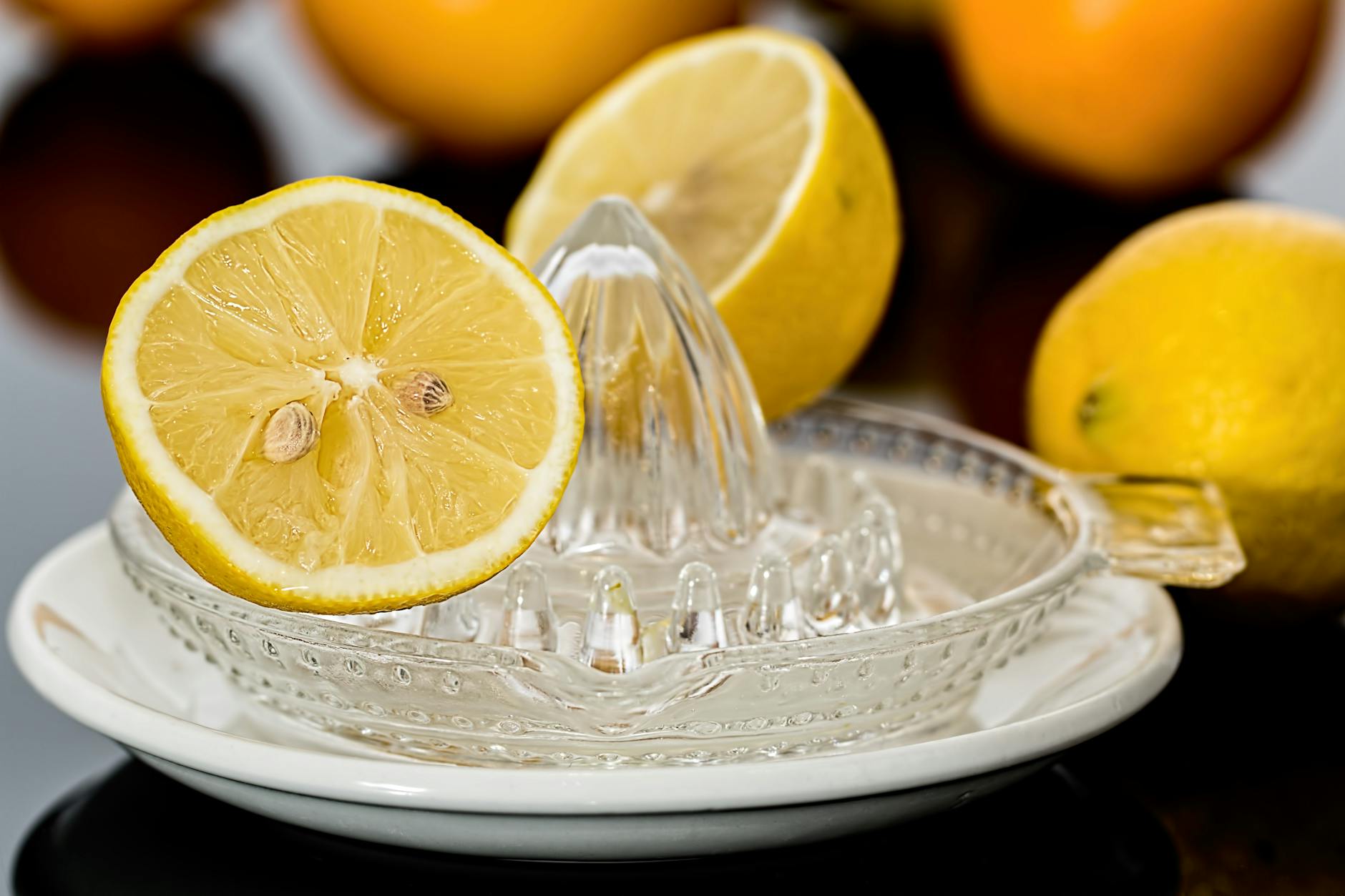
You'll find AHAs in both natural and synthetic forms. Glycolic acid comes from sugar cane, lactic acid from fermented milk, and citric acid from citrus fruits. For example, the lactic acid in yogurt has been used for centuries as a gentle skin brightener. Today's skincare products often use lab-created versions that offer more consistent concentrations and stability than their natural counterparts, ensuring safer and more predictable results for your skin concerns.
The Main Types of Alpha Hydroxy Acids

When starting your journey with AHAs, you'll encounter several different types, each with unique characteristics that affect how they work on your skin. Understanding these differences helps you choose the right acid without worrying about causing unwanted damage.
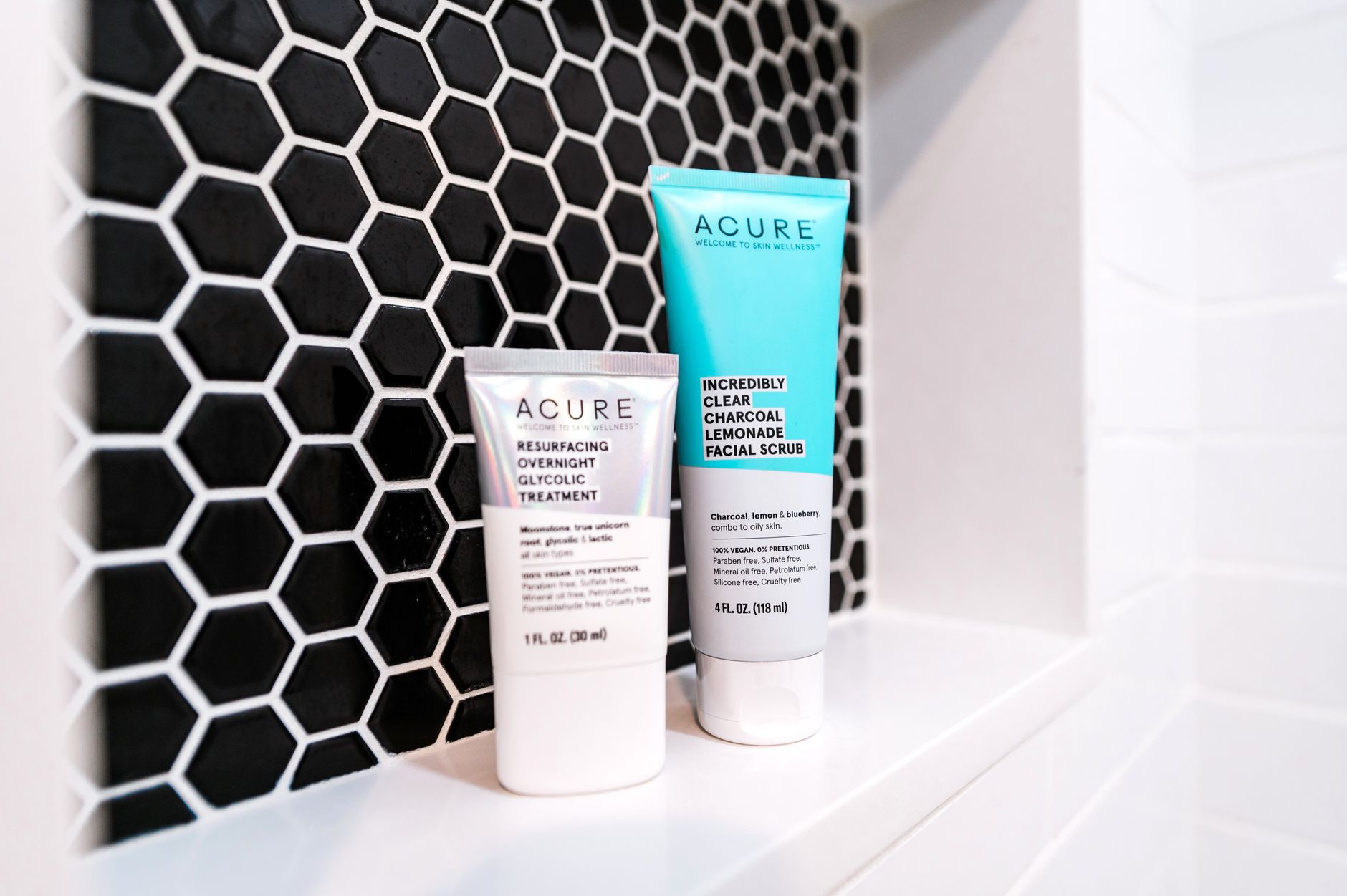
Glycolic acid stands out as the smallest AHA molecule, which allows it to penetrate deeply into your skin. This makes it highly effective for tackling stubborn concerns, but its strength means beginners should start slowly. You'll find glycolic acid in many professional peels and stronger over-the-counter products.
“The size of the AHA molecule directly impacts how deeply it can penetrate your skin and how gentle or strong its effects will be.”
Lactic acid offers a gentler approach while still delivering noticeable results. Derived from milk, it works more gradually than glycolic acid, making it ideal for sensitive skin types or those new to chemical exfoliation. Many dermatologists recommend starting with lactic acid products.
Mandelic acid features the largest molecular size among common AHAs, which means it penetrates slowly and causes minimal irritation. This makes it perfect for beginners concerned about redness or peeling.
Citric and malic acids, found in fruits, typically appear in gentler formulations and work well for maintenance routines once your skin adjusts to regular AHA use.
Key Benefits of Using AHAs in Your Skincare Routine
Regular AHA use delivers transformative improvements that build confidence and reduce concerns about skin appearance. Your skin texture becomes noticeably smoother as AHAs remove dead skin cells that create rough, uneven surfaces. This gentle exfoliation reveals the healthy skin beneath, giving you a refined complexion.
Fine lines diminish as AHAs stimulate natural collagen production and accelerate cell turnover. Your skin tone becomes brighter and more even, addressing dark spots and discoloration that often cause self-consciousness. This evening effect helps prevent the scarring concerns many people face with acne.
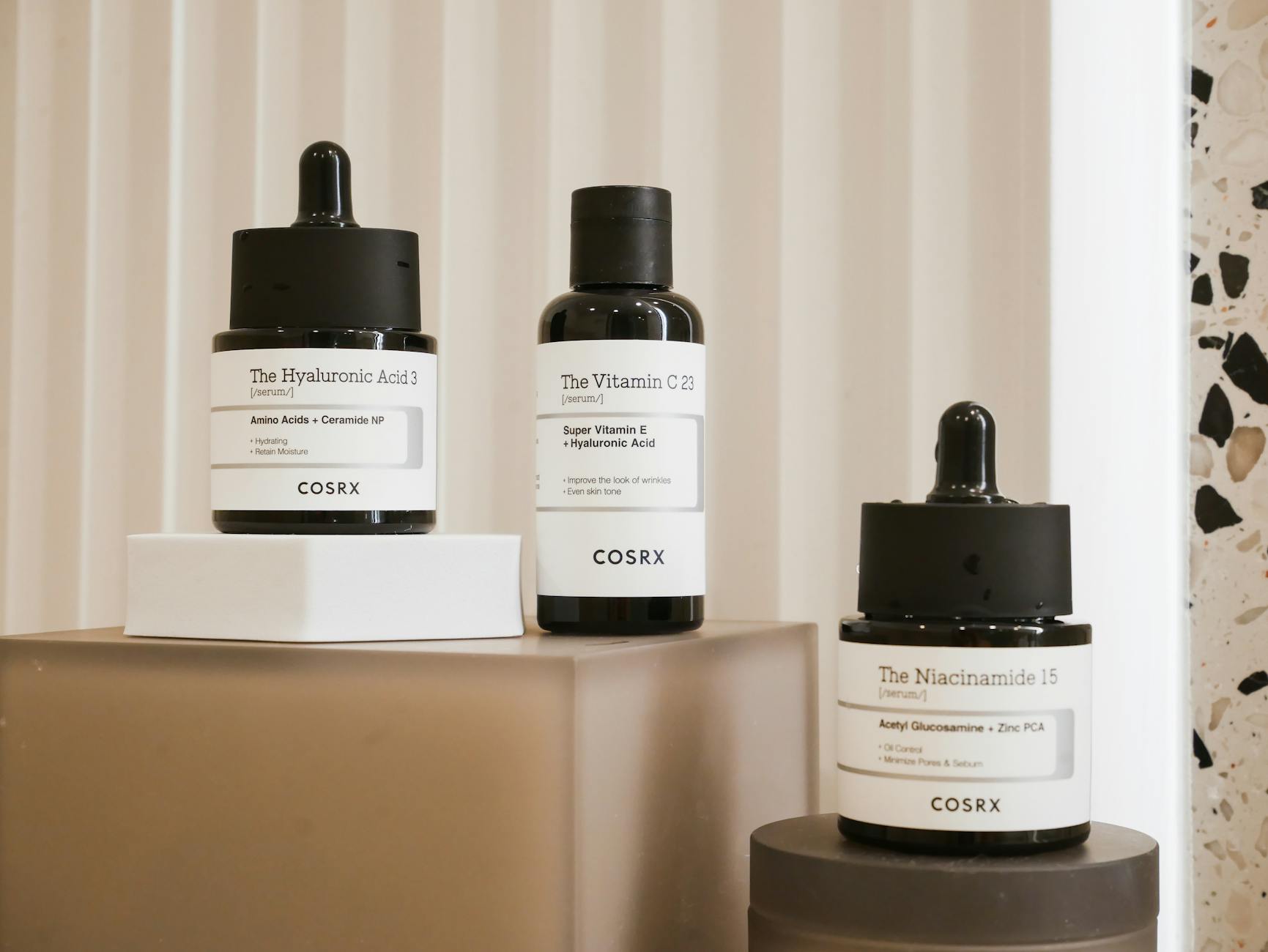
AHAs dramatically improve how other skincare products work. By removing the barrier of dead skin cells, active ingredients like Vitamin C and Hyaluronic Acid penetrate deeper and work more effectively. Vitamin C brightens skin and protects against environmental damage, while Hyaluronic Acid provides deep hydration that plumps skin and reduces fine lines.
These combined benefits create clearer, healthier-looking skin that helps you feel confident in social situations.
AHAs vs Other Skincare Acids: Understanding the Difference
Understanding the differences between skincare acids helps you choose the right treatment without risking further skin damage or scarring. AHAs work on your skin's surface, gently dissolving the bonds between dead skin cells to reveal fresh skin underneath. This surface-level exfoliation makes them perfect for addressing texture issues and hyperpigmentation.
Beta hydroxy acids like Salicylic Acid work differently. Salicylic Acid penetrates deep into your pores because it's oil-soluble, making it exceptional for treating acne and blackheads by dissolving debris inside follicles. AHAs, being water-soluble, can't reach these depths but excel at surface renewal.
Choose AHAs when you want to improve skin texture, reduce fine lines, or fade dark spots from old breakouts. They're gentler than stronger chemical peels but more effective than physical scrubs. If you're dealing with active acne or clogged pores, Salicylic Acid might serve you better. For overall skin rejuvenation and preventing the textural issues that can lead to scarring, AHAs provide consistent, predictable results.
How to Start Using AHAs Safely

Starting with AHAs doesn't have to lead to irritation or damage if you follow a careful approach. The key is introducing these acids gradually to let your skin build tolerance over time.
Apply a small amount of AHA product behind your ear or on your inner forearm and wait 24 hours to check for reactions.
Begin with gentle formulations like 2-5% glycolic acid or 5-8% lactic acid to minimize irritation risk.
Apply AHAs once per week for the first month, then gradually increase to 2-3 times weekly as tolerated.
AHAs increase sun sensitivity, making sunscreen absolutely essential to prevent darkening or permanent marks.
Start your AHA routine in the evening after cleansing, and avoid mixing with other active ingredients like retinol or vitamin C initially. If you experience persistent redness, burning, or peeling, reduce frequency or concentration. Remember that results take 4-6 weeks to become visible, so patience prevents overuse that could lead to lasting skin damage.
Combining AHAs with Other Skincare Ingredients
Smart layering prevents irritation and maximizes results. Hyaluronic Acid pairs perfectly with AHAs, as this powerful humectant holds up to 1000 times its weight in water, soothing any potential dryness from acid exfoliation.
Niacinamide works well with AHAs when applied at different times. This form of vitamin B3 regulates sebum production and strengthens your skin barrier, complementing AHA's exfoliating action without competing for absorption.
Timing matters with potent actives. Use Retinol on alternate nights from AHAs initially, as this vitamin A derivative stimulates cell turnover similarly to acids. Combining both too quickly can cause excessive irritation and potentially worsen breakouts rather than clear them.
Avoid mixing AHAs with vitamin C serums in the same routine, as different pH requirements can reduce effectiveness. Never combine with other acids like salicylic acid or glycolic acid when starting out.
Layer hydrating ingredients like hyaluronic acid with AHAs, but alternate nights with retinol until your skin adapts.
Frequently Asked Questions
What are alpha hydroxy acids and how do they work on skin?
Alpha hydroxy acids (AHAs) are naturally occurring, water-soluble acids that work as gentle chemical exfoliants for your skin. They work by breaking down the glue-like bonds that hold dead skin cells together, revealing fresh, healthy skin underneath. The acids dissolve the proteins that cement dead skin cells to your skin's surface, stimulating cell turnover and helping prevent pore-clogging buildup.
What are the main types of alpha hydroxy acids?
The main types of AHAs include glycolic acid (from sugar cane), lactic acid (from fermented milk), mandelic acid, and citric acid (from citrus fruits). Glycolic acid has the smallest molecule size and penetrates deeply, making it highly effective but requiring careful use for beginners. Lactic acid offers a gentler approach while still delivering results, and mandelic acid has the largest molecular size, causing minimal irritation.
Which alpha hydroxy acid is best for beginners?
Lactic acid and mandelic acid are best for beginners or those with sensitive skin. Lactic acid works more gradually than glycolic acid, making it ideal for those new to chemical exfoliation, and many dermatologists recommend starting with it. Mandelic acid features the largest molecular size, which means it penetrates slowly and causes minimal irritation.
What benefits can I expect from using AHAs in my skincare routine?
Regular AHA use delivers transformative improvements including noticeably smoother skin texture and a refined complexion. AHAs remove dead skin cells that create rough, uneven surfaces while revealing healthy skin beneath. Fine lines diminish as AHAs stimulate natural collagen production and accelerate cell turnover, and your skin tone becomes brighter and more even.
How long does it take to see results from alpha hydroxy acids?
Based on clinical data, visible results from AHA use typically become apparent around 12 weeks of consistent use. During this time, you can expect up to 30% reduction in wrinkles along with improvements in skin texture and tone. The gradual process allows your skin to adjust while building noticeable benefits over time.
Disclaimer: This content is for informational purposes only and does not constitute medical advice. Always consult a qualified healthcare provider before making health decisions.