What You'll Achieve with Proper Salicylic Acid Use

Salicylic Acid transforms your skin by dissolving dead skin cells and unclogging pores from within, targeting the root causes of breakouts and blackheads. When used correctly, you'll notice reduced inflammation within the first week, clearer pores by week three, and significantly fewer breakouts after six to eight weeks of consistent use.
“Proper technique prevents irritation while maximizing your skin's healing potential.”
Your skin will gradually become smoother and less prone to scarring as this beta hydroxy acid gently exfoliates and prevents new blemishes from forming. Following proper application methods ensures you achieve these results safely without over-drying or damaging your skin barrier, giving you the clear, healthy complexion you're working toward.
Choose Your Salicylic Acid Product

Start with a 0.5-1% salicylic acid concentration to minimize irritation while your skin adjusts. Higher percentages can cause excessive dryness and worsen breakouts initially, which won't help you achieve clear skin faster.
“Starting with lower concentrations prevents the irritation that can lead to post-inflammatory hyperpigmentation.”
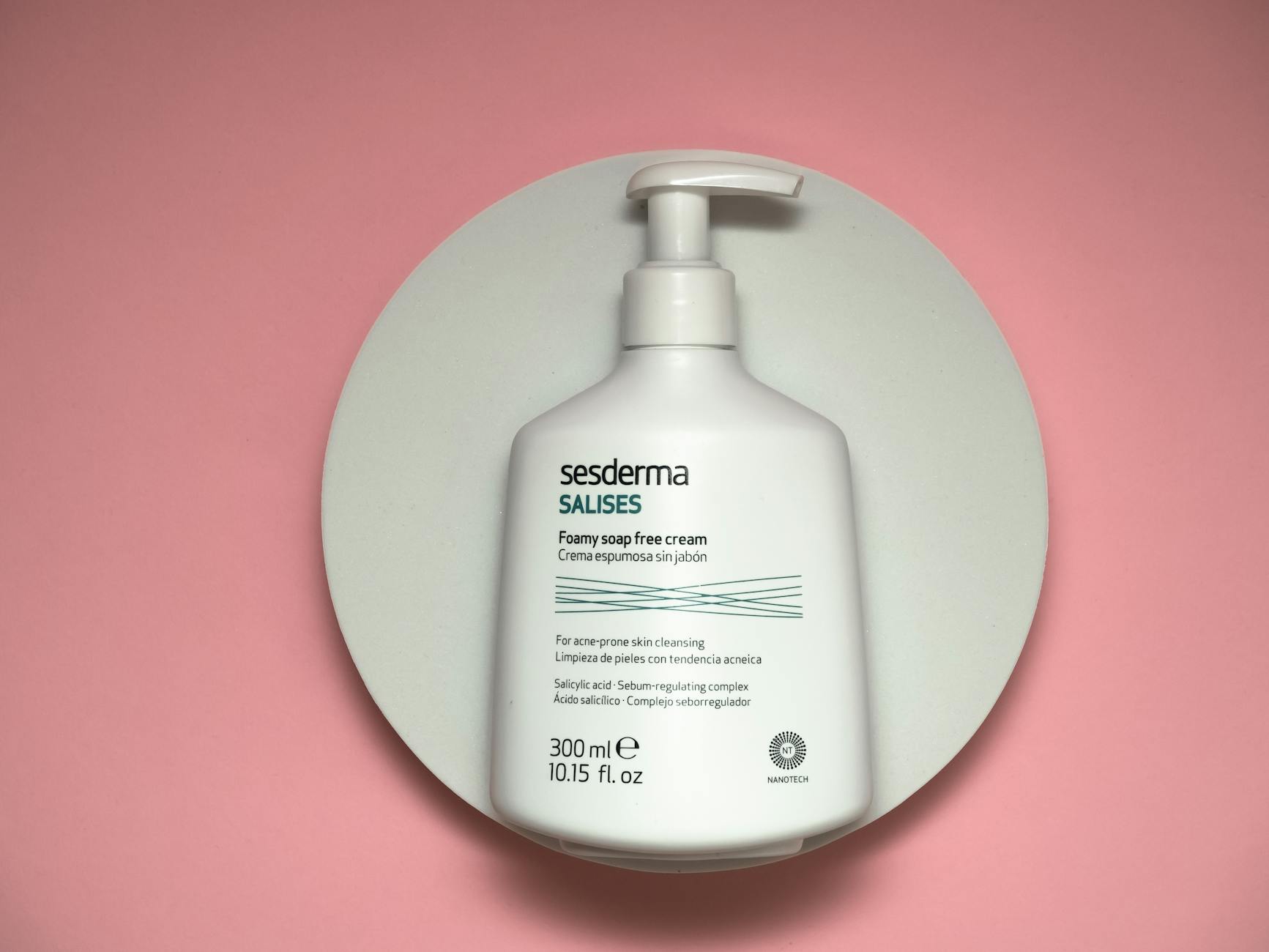
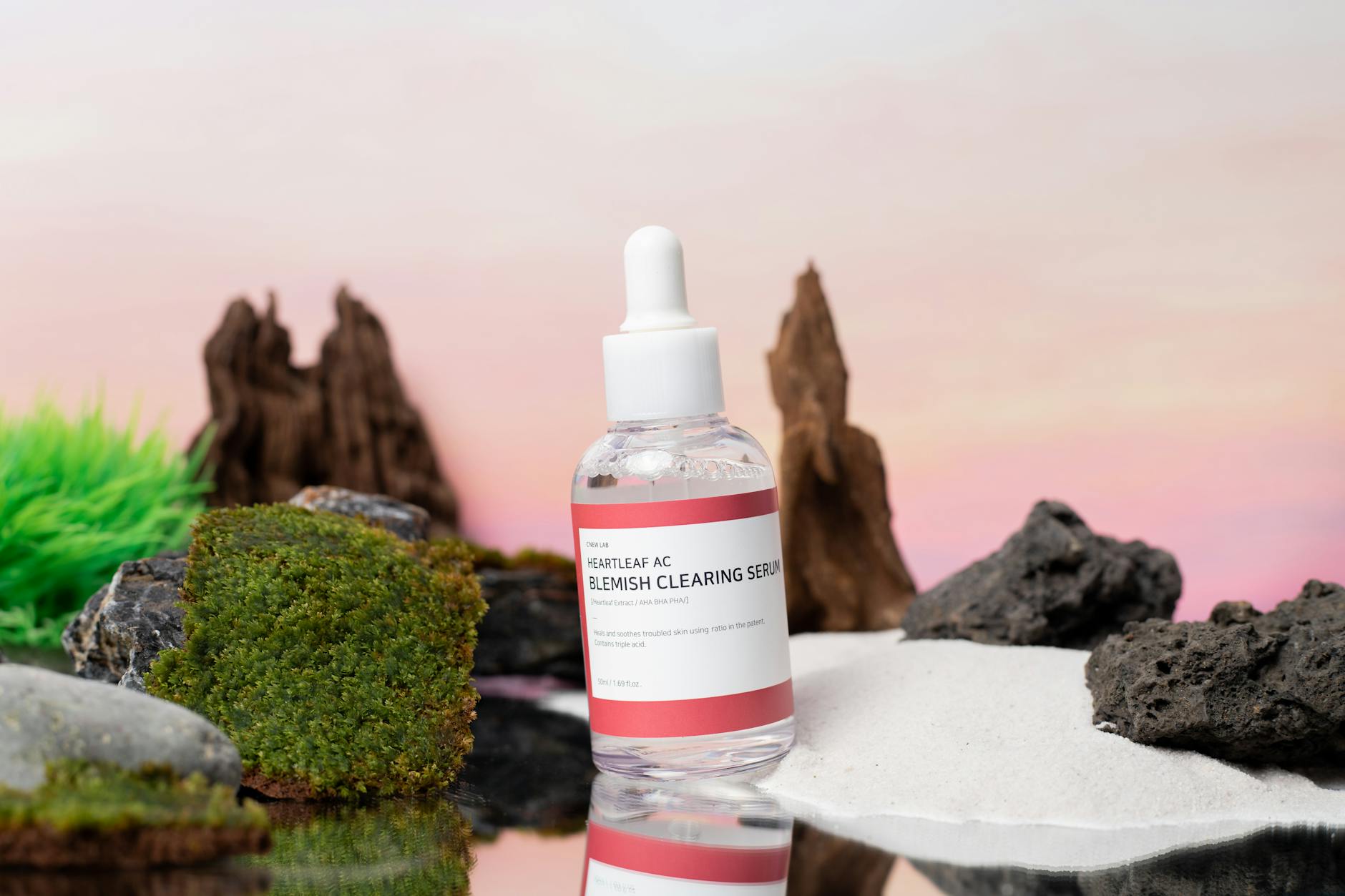
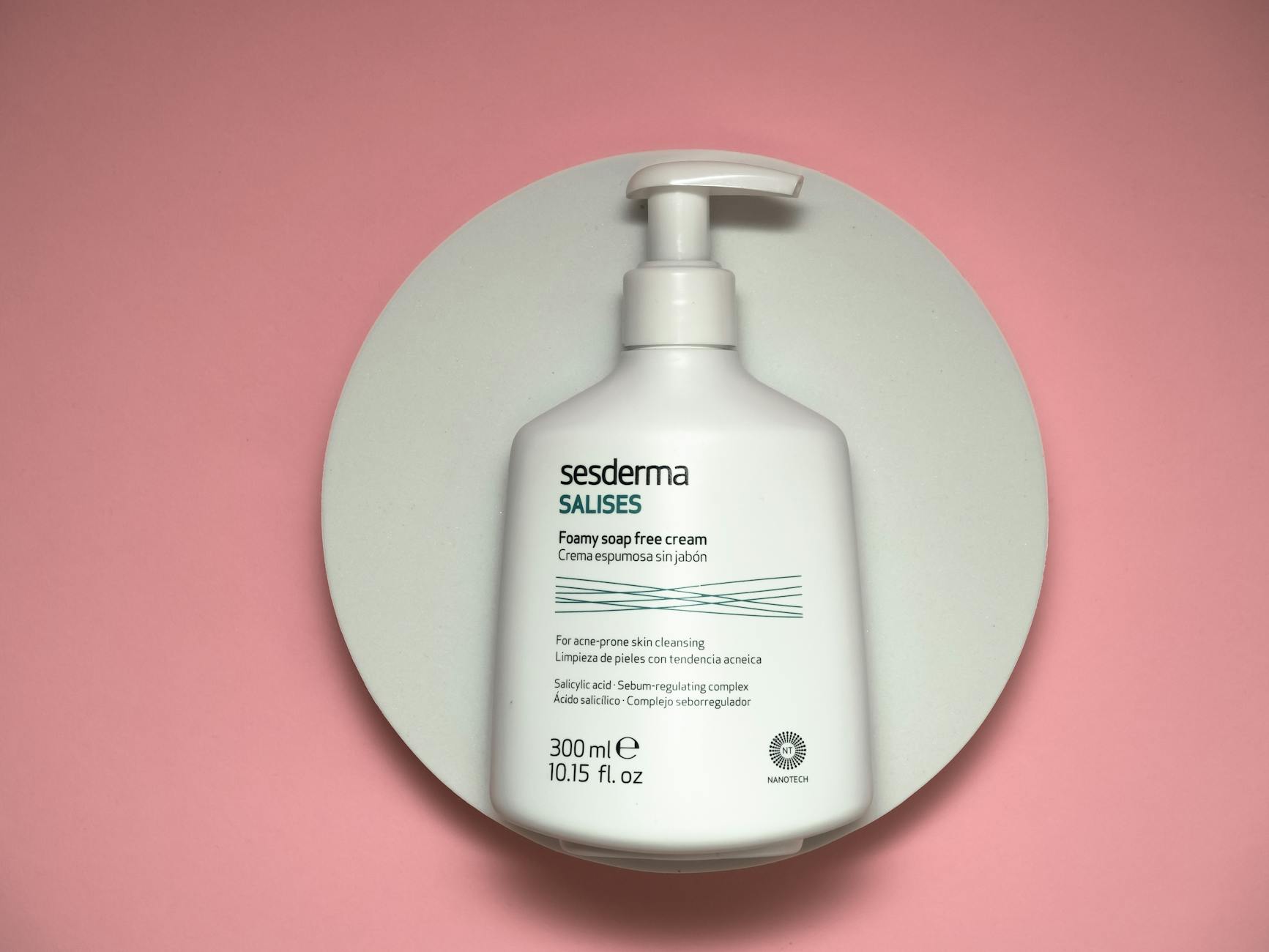
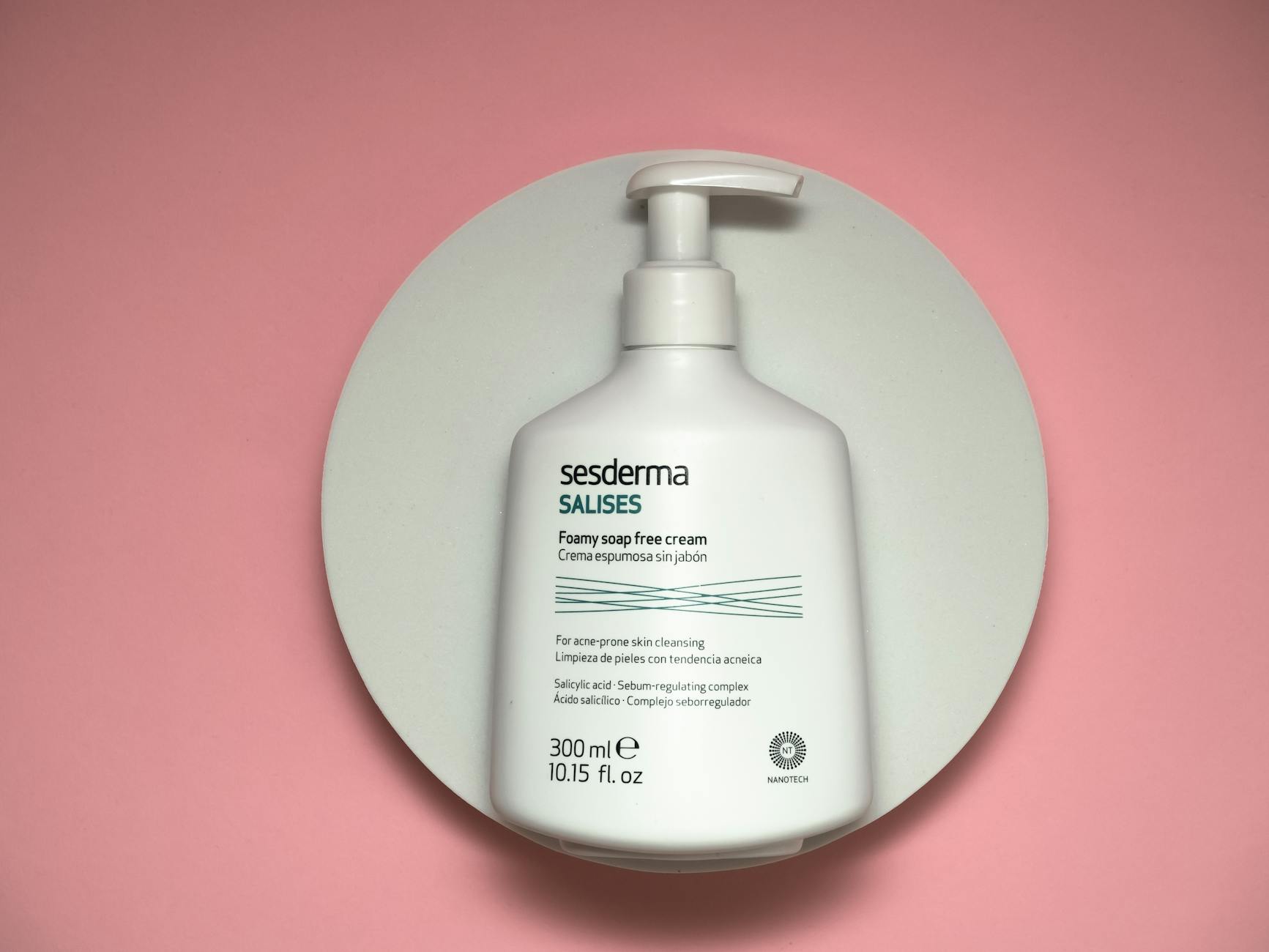
Product format matters for your routine. Cleansers provide gentle daily exfoliation but rinse off quickly. Serums deliver concentrated salicylic acid that stays on your skin longer. Spot treatments target individual blemishes with higher concentrations for stubborn areas.
Read labels carefully for the actual salicylic acid percentage, not marketing terms like "maximum strength." Look for products labeled as containing salicylic acid or its chemical name, 2-hydroxybenzoic acid. For example, CeraVe Foaming Facial Cleanser contains 0.5% salicylic acid, making it perfect for beginners.
Step-by-Step Application Process
Following proper application steps prevents irritation and reduces the risk of permanent scarring. Salicylic Acid requires careful introduction to your skin routine for best results.
Apply a small amount to your inner forearm and wait 24 hours to check for adverse reactions.
Wash your face with a gentle cleanser and pat completely dry before application.
Use a pea-sized amount and spread evenly over affected areas, avoiding the eye area.
Allow 10-15 minutes before applying moisturizer or other products.
Start with every other night for the first two weeks. Your skin needs time to adjust to the exfoliating effects. For example, use Monday, Wednesday, and Friday initially. Once your skin tolerates this schedule without redness or excessive dryness, you can increase to nightly use.
Apply sunscreen daily when using Salicylic Acid, as it increases sun sensitivity. Skip application if you notice persistent irritation or peeling.
Building Your Routine Around Salicylic Acid

Layer salicylic acid correctly to avoid irritation and maximize results. Start with a gentle cleanser, then apply your salicylic acid product to clean skin. Wait 10-15 minutes before adding other ingredients.
Compatible ingredients work well with salicylic acid. Hyaluronic Acid provides deep hydration without interfering with exfoliation. Niacinamide regulates oil production and strengthens your skin barrier. Both ingredients actually complement salicylic acid's effects and reduce potential dryness.
Avoid mixing salicylic acid with certain actives on the same day. Vitamin C can cause irritation when combined directly. Retinol paired with salicylic acid may lead to excessive peeling that could cause scarring. Instead, alternate these ingredients—use Vitamin C in the morning and salicylic acid at night, or use retinol on different days entirely.
Always finish with moisturizer and sunscreen during the day. Your newly exfoliated skin needs protection to prevent damage and maintain your progress toward clear skin.
Common Mistakes to Avoid
The biggest mistake beginners make is using too much Salicylic Acid too quickly. Start with a 0.5% concentration every other night, then gradually increase frequency. Your skin needs time to adjust, and rushing this process often leads to redness and irritation that can worsen acne.
Skipping moisturizer is another common error. Many people think oily or acne-prone skin doesn't need hydration, but Salicylic Acid can be drying. Always follow with a lightweight, non-comedogenic moisturizer to maintain your skin barrier.
Avoid mixing Salicylic Acid with retinoids, vitamin C, or benzoyl peroxide in the same routine. These combinations can cause severe irritation and potentially lead to scarring. Use Salicylic Acid at night and other actives in the morning, or alternate days.
Never skip sunscreen when using Salicylic Acid. This ingredient increases sun sensitivity, and UV exposure can worsen acne marks and cause lasting discoloration.
Start slowly with low concentrations, always moisturize, separate conflicting ingredients, and wear sunscreen daily to avoid irritation and achieve clear skin safely.
Frequently Asked Questions
How long does it take to see results from salicylic acid?
When used correctly, you'll notice reduced inflammation within the first week of using salicylic acid. Clearer pores typically appear by week three, and significantly fewer breakouts occur after six to eight weeks of consistent use. Your skin will gradually become smoother and less prone to scarring as the beta hydroxy acid gently exfoliates and prevents new blemishes from forming.
What percentage of salicylic acid should I start with?
Start with a 0.5-1% salicylic acid concentration to minimize irritation while your skin adjusts to the treatment. Higher percentages can cause excessive dryness and worsen breakouts initially, which won't help you achieve clear skin faster. Starting with lower concentrations prevents the irritation that can lead to post-inflammatory hyperpigmentation.
How often should I use salicylic acid when starting out?
Start with every other night for the first two weeks to allow your skin time to adjust to the exfoliating effects. For example, use it on Monday, Wednesday, and Friday initially. Once your skin tolerates this schedule without redness or excessive dryness, you can increase to nightly use.
How do I apply salicylic acid properly?
First, patch test on your inner forearm and wait 24 hours to check for reactions. Cleanse your face with a gentle cleanser and pat completely dry, then apply a pea-sized amount in a thin layer over affected areas, avoiding the eye area. Wait 10-15 minutes before applying moisturizer or other products to allow proper absorption.
Do I need to use sunscreen when using salicylic acid?
Yes, you must apply sunscreen daily when using salicylic acid because it increases sun sensitivity. This protection is essential to prevent further skin damage and irritation. Skip salicylic acid application if you notice persistent irritation or peeling.
Disclaimer: This content is for informational purposes only and does not constitute medical advice. Always consult a qualified healthcare provider before making health decisions.