
What is Salicylic Acid
Complete guide to salicylic acid including chemical structure, how it works as a BHA, and why it's effective for acne and pore clearing
Read article →
8 articles
Beta hydroxy acids (BHAs) are oil-soluble chemical exfoliants that penetrate deep into pores to clear out dead skin cells, excess oil, and debris. Salicylic acid, the most common BHA used in skincare, is particularly effective for treating acne, blackheads, and oily skin conditions. Unlike alpha hydroxy acids that work on the skin's surface, BHAs can reach inside pores where many skin problems begin, making them essential tools for anyone struggling with congested or acne-prone skin.
This section covers everything you need to know about incorporating salicylic acid into your skincare routine safely and effectively. You'll find detailed guides on proper concentrations, application techniques, product recommendations, and how BHAs compare to other acne treatments like benzoyl peroxide.
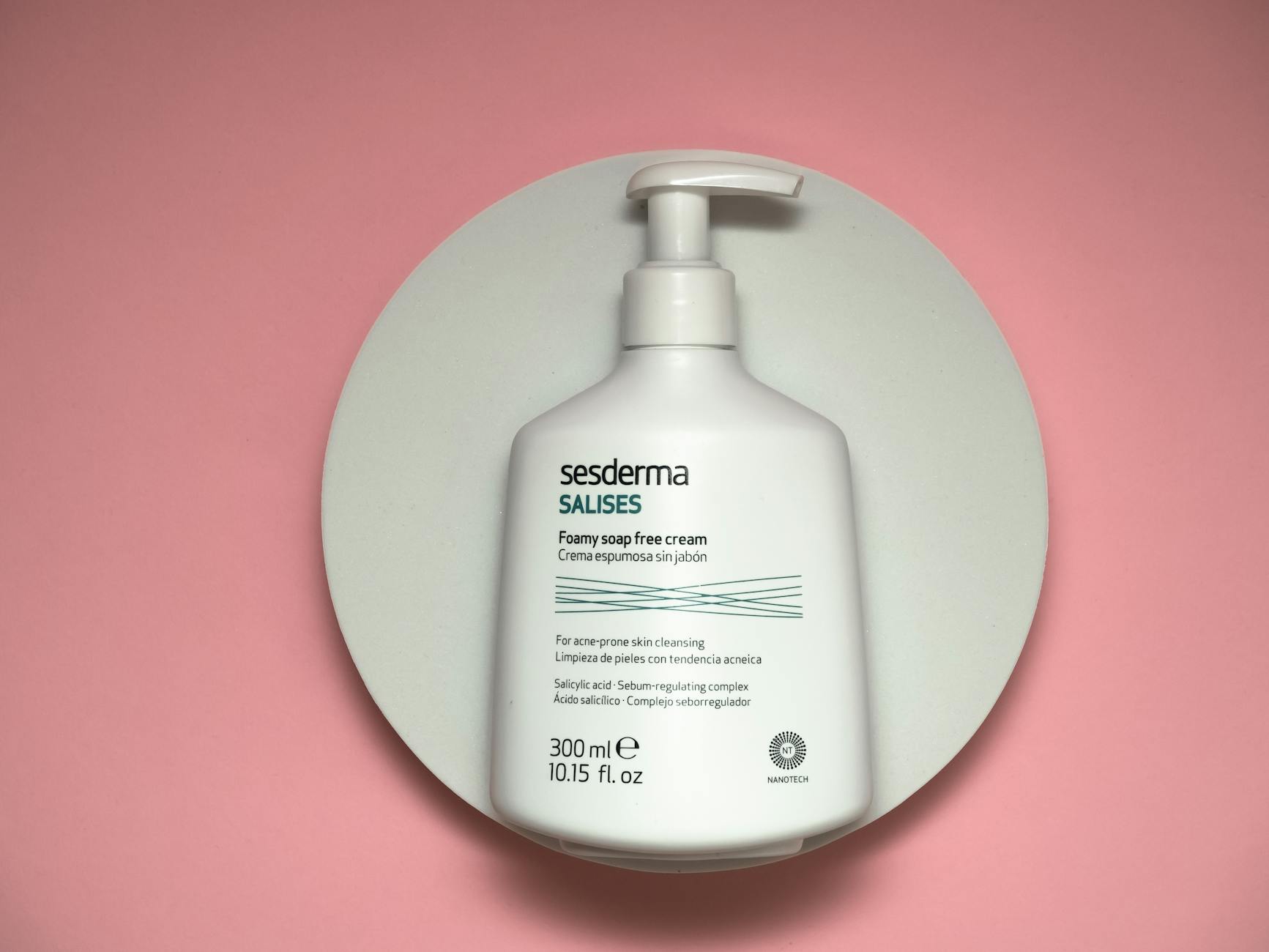
Complete guide to salicylic acid including chemical structure, how it works as a BHA, and why it's effective for acne and pore clearing
Read article →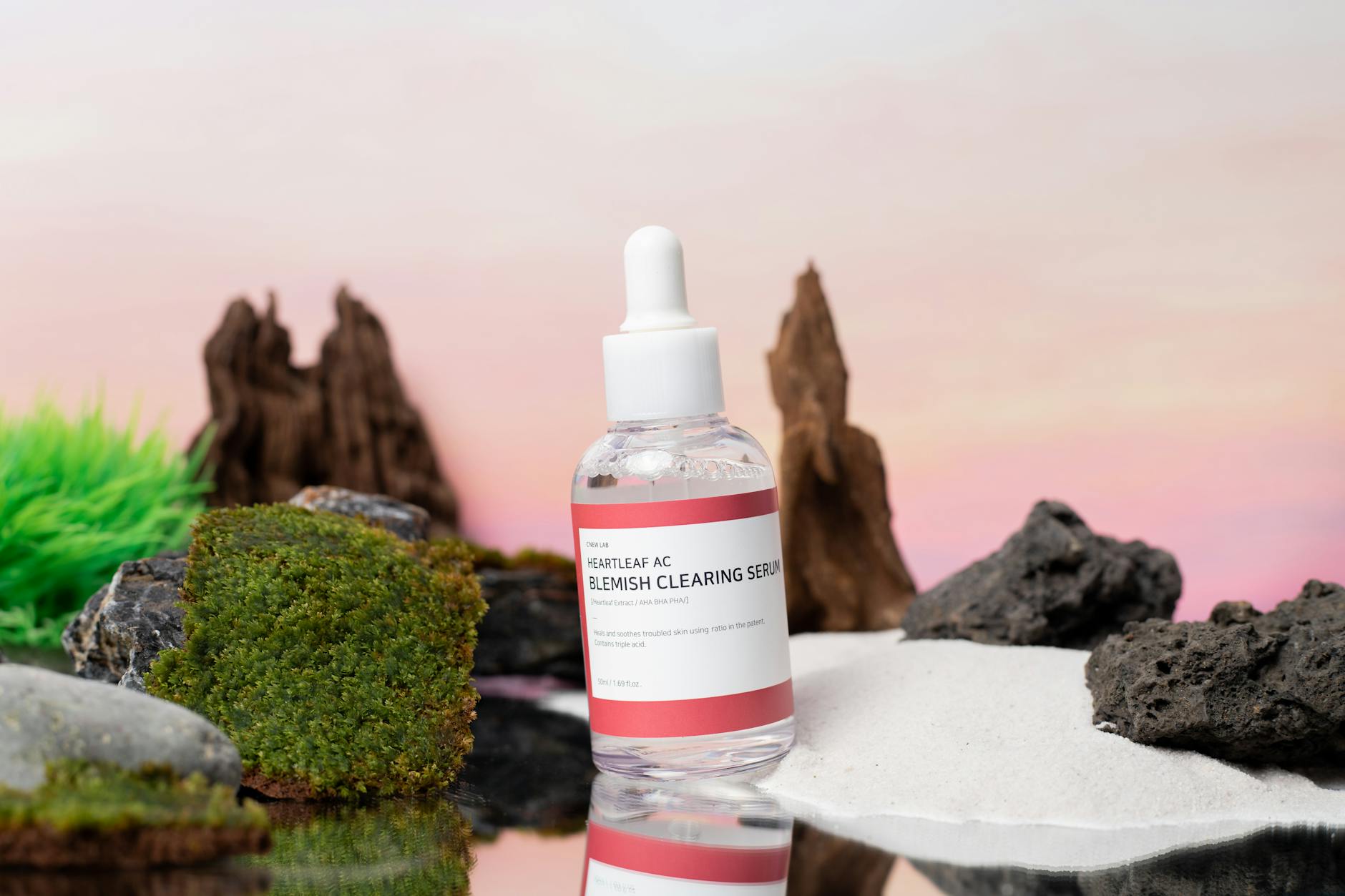
How salicylic acid treats acne by unclogging pores, reducing inflammation, and preventing new breakouts with scientific evidence
Read article →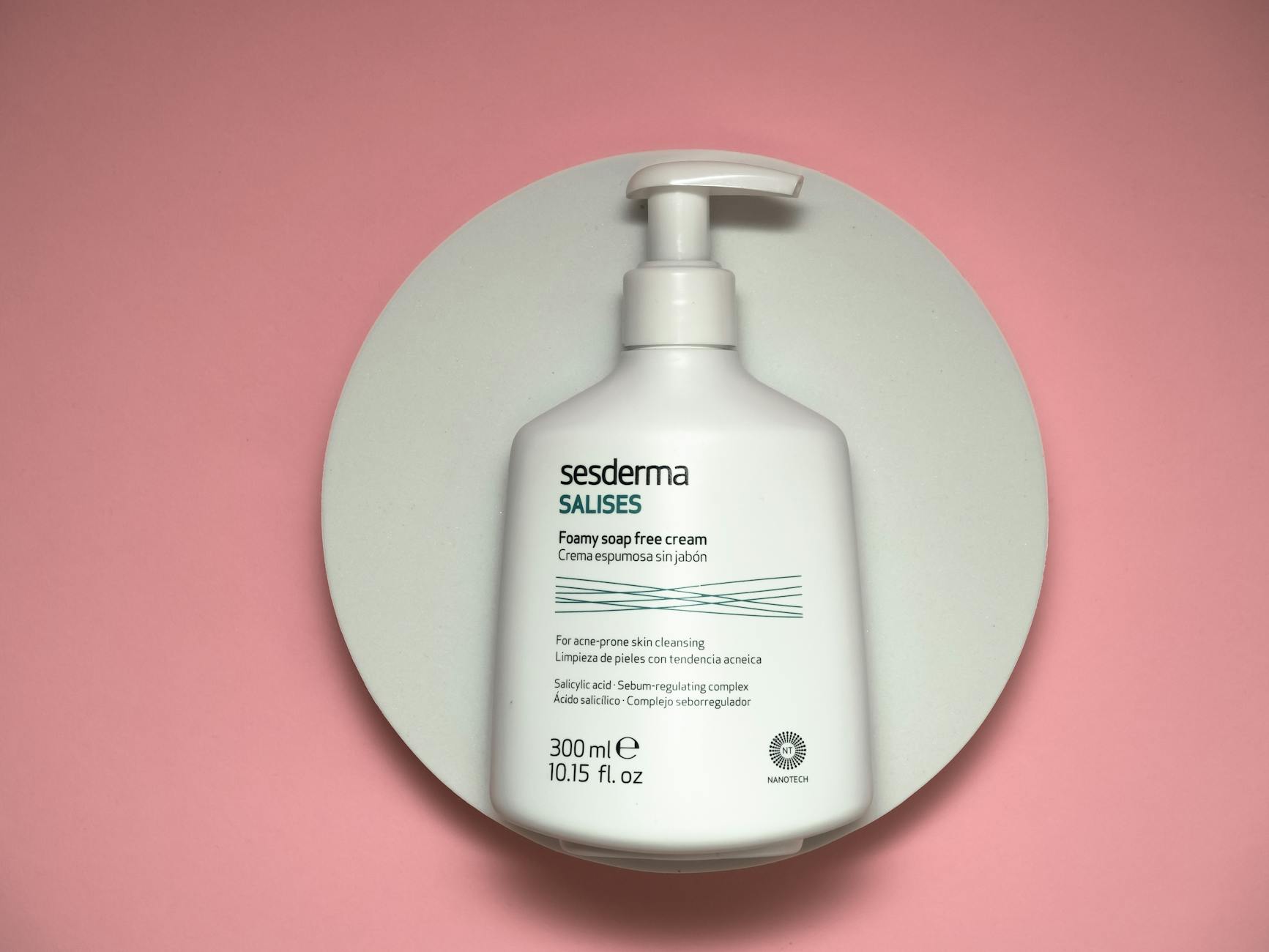
Understanding salicylic acid concentrations from 0.5% to 2%, choosing the right strength for your skin type and tolerance
Read article →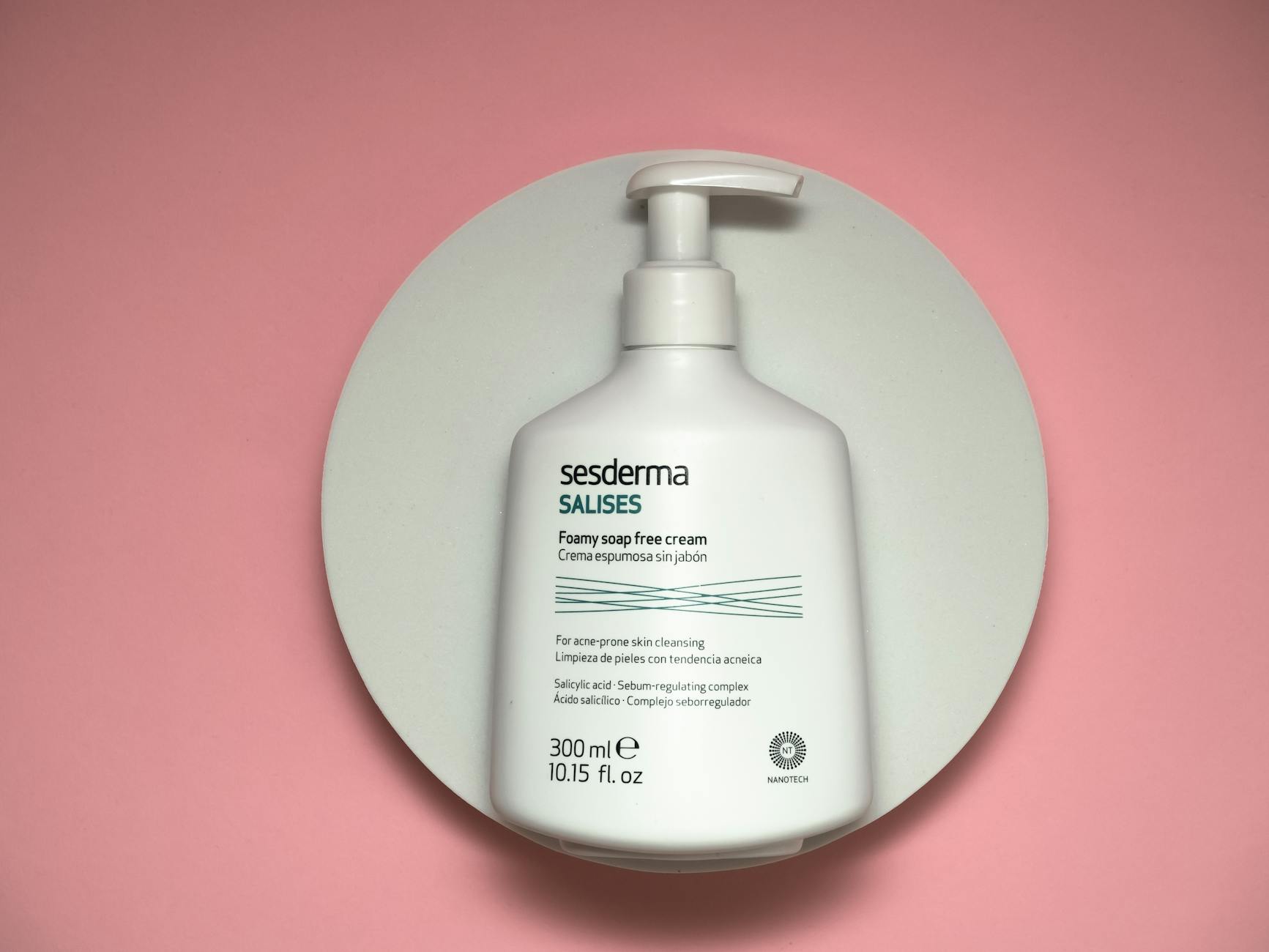
Step-by-step guide to using salicylic acid products safely including application frequency, layering with other products, and building tolerance
Read article →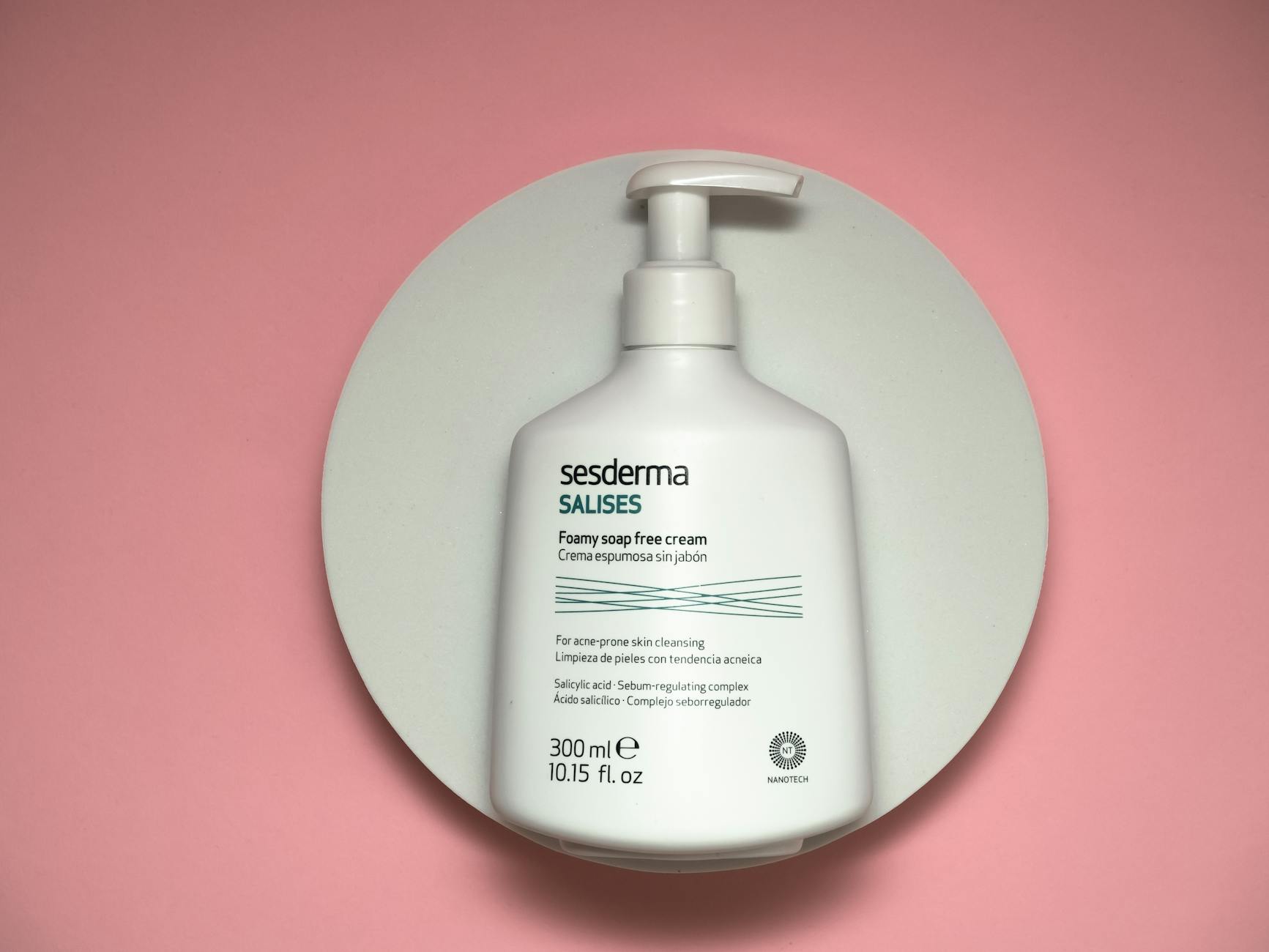
Top-rated salicylic acid cleansers, toners, serums, and spot treatments with detailed reviews and recommendations by skin type
Read article →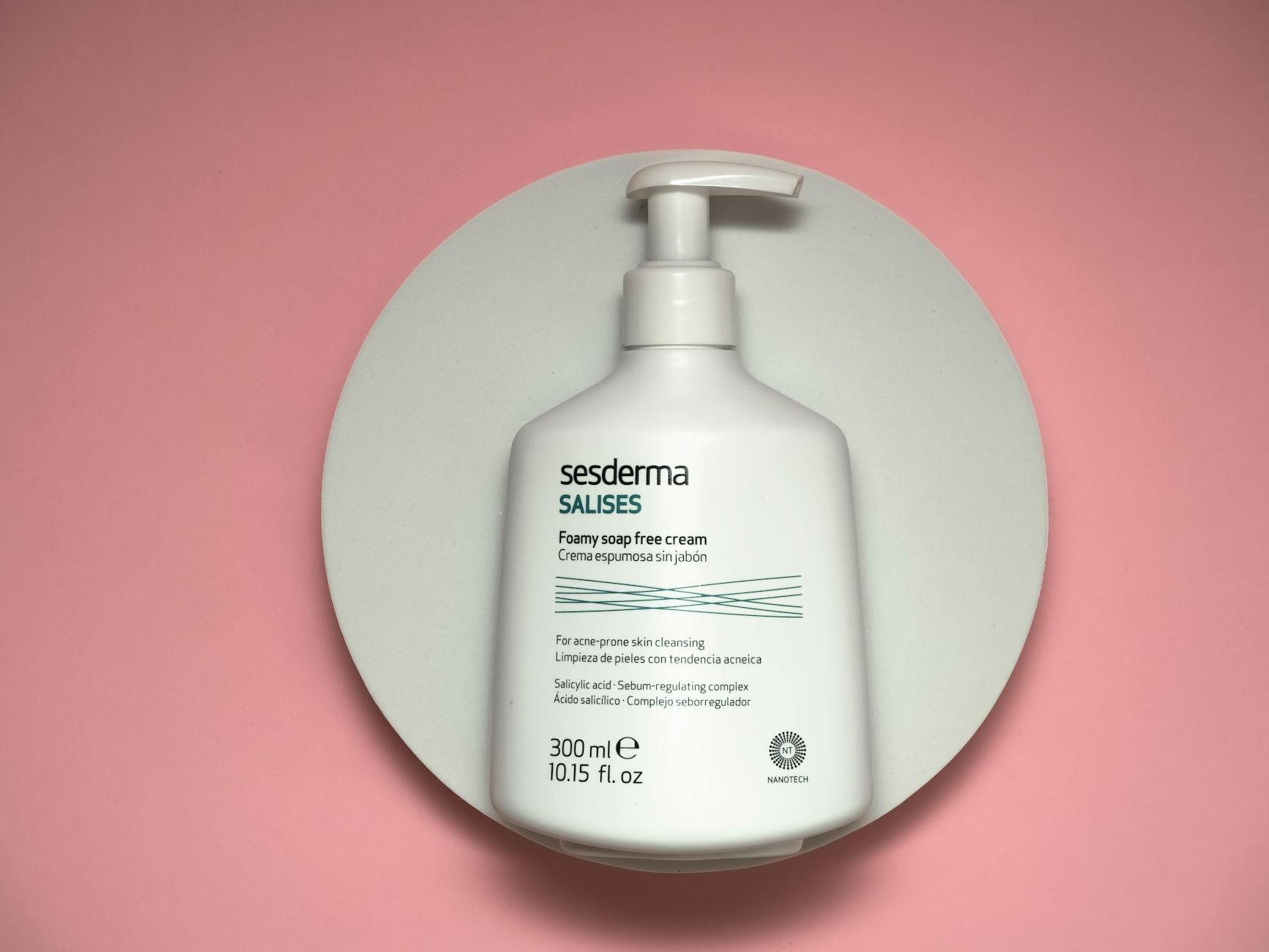
Detailed comparison of salicylic acid and benzoyl peroxide for acne treatment including effectiveness, side effects, and which to choose
Read article →
Common salicylic acid side effects including dryness, irritation, and sun sensitivity with prevention and management strategies
Read article →
Using salicylic acid safely for oily, dry, sensitive, and combination skin with specific recommendations and precautions
Read article →