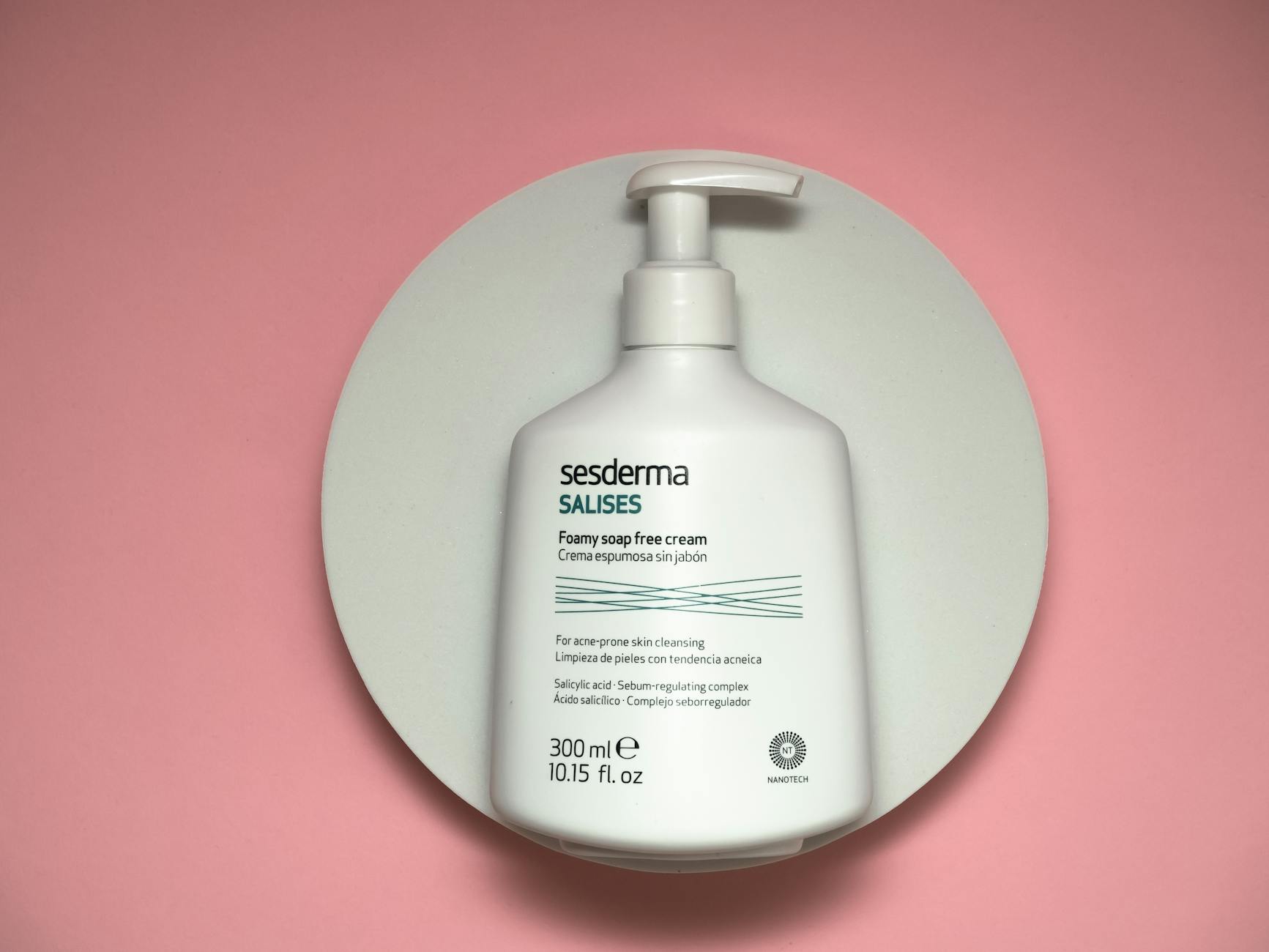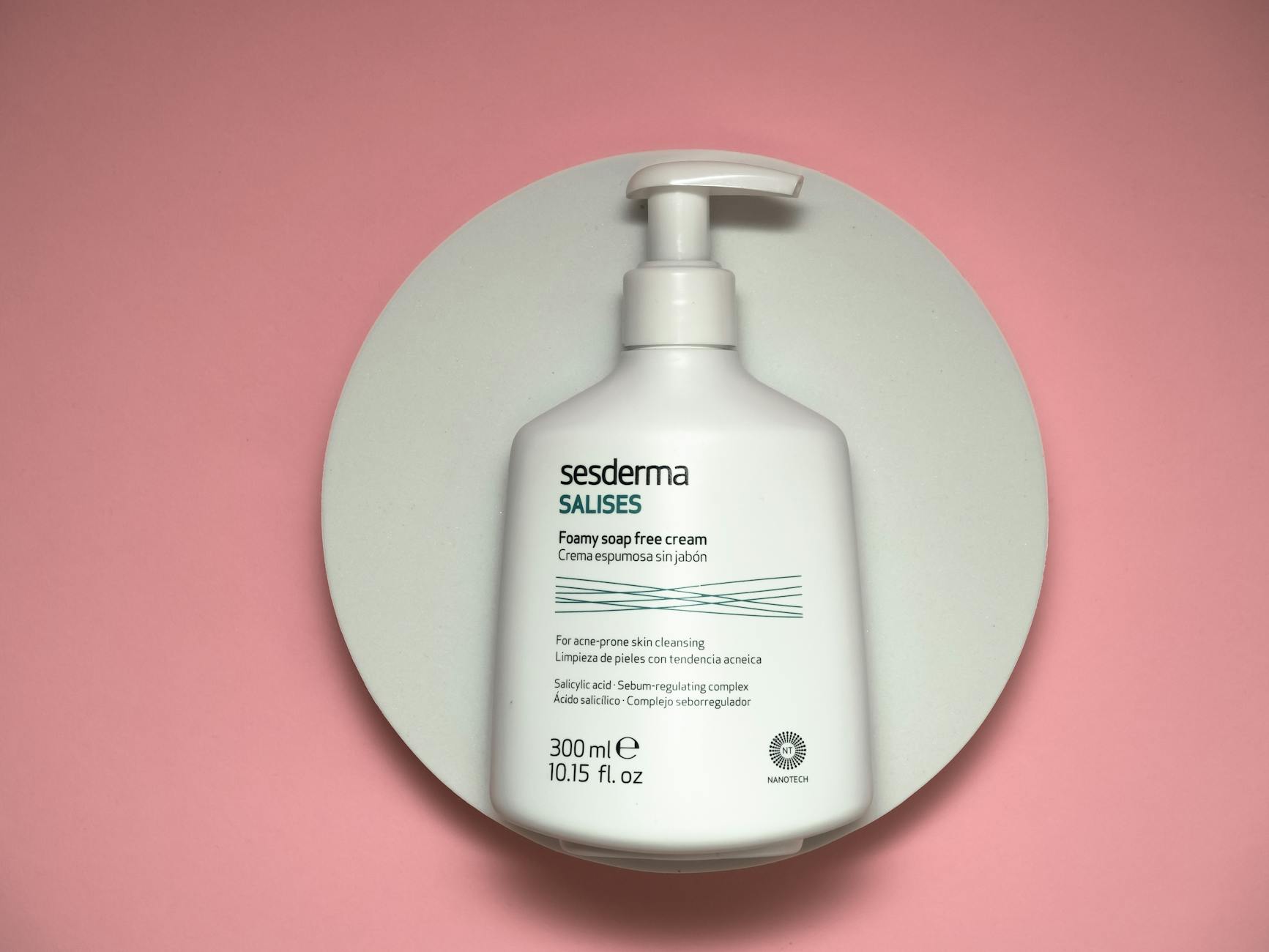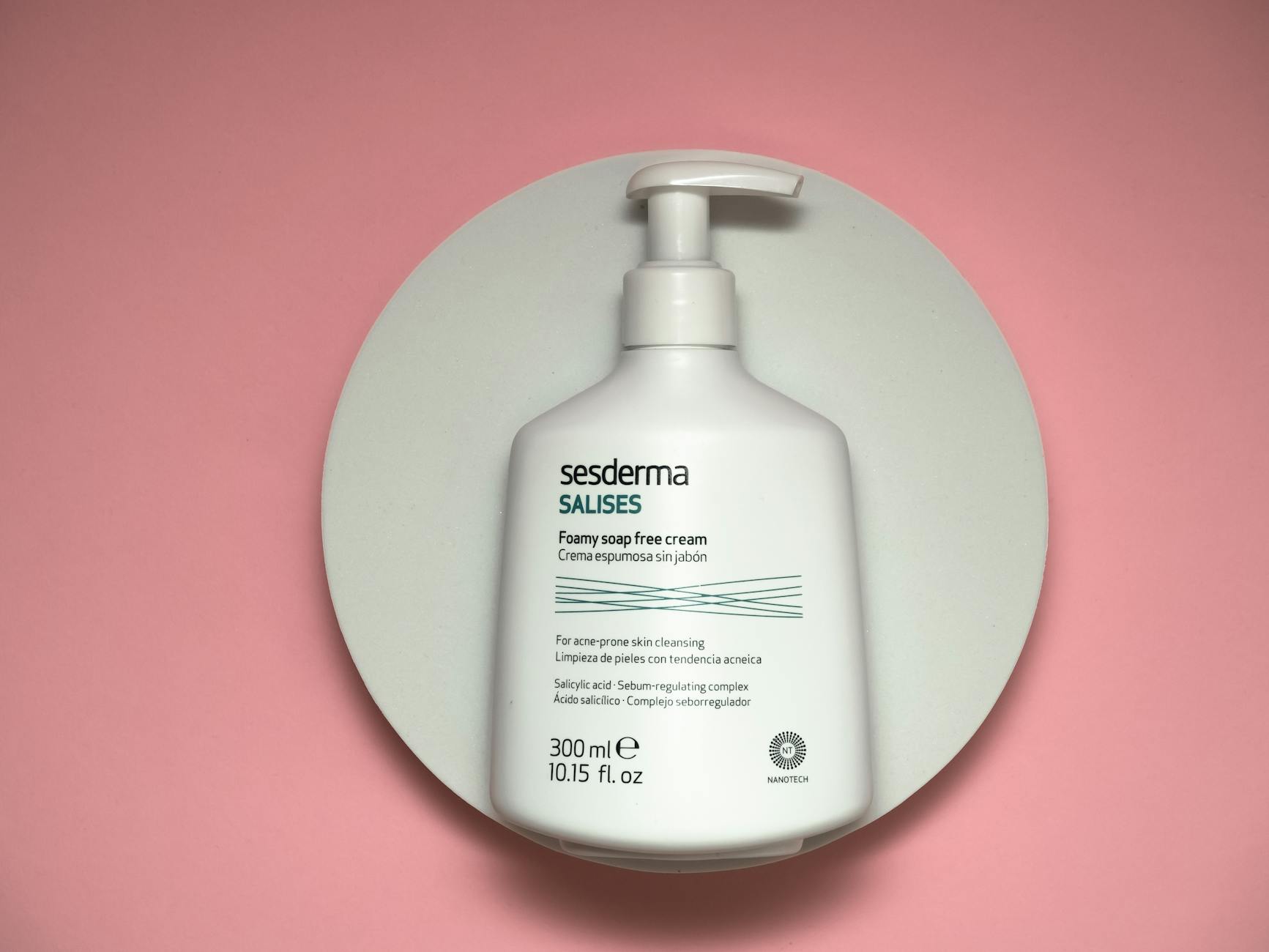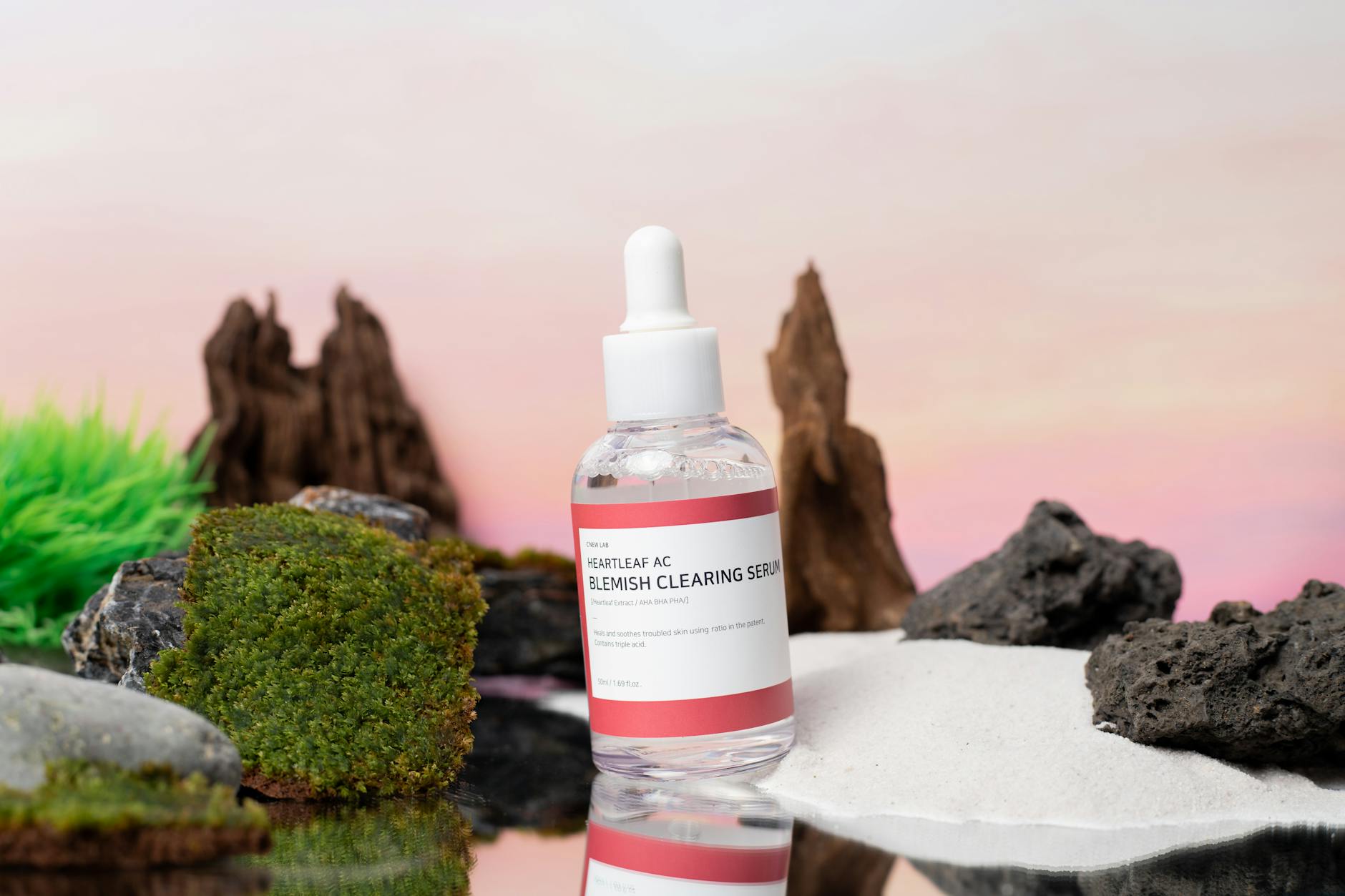
Why Salicylic Acid is Effective for Acne

Salicylic Acid stands apart from other acne treatments because of its unique molecular structure. As a beta hydroxy acid (BHA), it works differently than the alpha hydroxy acids you might have heard about. The key difference lies in its oil-soluble properties, which allow it to penetrate deep into your pores where acne actually begins.
“Salicylic Acid's oil-soluble properties allow it to penetrate deep into your pores where acne actually begins.”
Most acne treatments work on the skin's surface, but Salicylic Acid travels through the oil in your pores to reach the source of the problem. Once inside, it dissolves the dead skin cells and excess oil that create blackheads and whiteheads. This process prevents the buildup that leads to inflamed pimples and reduces your risk of scarring from severe breakouts.
The exfoliation happens from within the pore itself, not just on the surface. This targeted approach means Salicylic Acid can unclog existing blockages while preventing new ones from forming. Your skin sheds dead cells naturally, but when this process slows down or becomes uneven, pores get clogged and acne develops.
Key Benefits of Salicylic Acid for Acne Treatment

Salicylic Acid offers unique advantages that make it particularly effective for treating acne without causing permanent scarring. This beta hydroxy acid works differently than harsh scrubs or treatments that can damage your skin's surface.
“Salicylic Acid penetrates deep into pores to clear blockages from the inside out, preventing the formation of acne scars.”
The primary benefit is its ability to unclog pores and prevent blackheads by dissolving dead skin cells that trap oil and bacteria. Unlike physical exfoliants that only work on the surface, Salicylic Acid reaches inside your pores where acne actually begins.
This ingredient reduces inflammation and redness around existing breakouts, helping them heal faster. For example, inflamed whiteheads often become less swollen within 24-48 hours of consistent use.
Salicylic Acid prevents new breakouts from forming by keeping pores clear of debris. This proactive approach means fewer surprise pimples appearing before important events.
Regular use improves overall skin texture by removing dead skin cells that make your complexion look dull or rough. Your skin appears smoother and more even-toned.
Most importantly for daily care, Salicylic Acid is gentle enough for long-term use. Unlike stronger treatments that require cycling on and off, you can use it consistently to maintain clear skin without irritation.
How Salicylic Acid Compares to Other Acne Treatments
Salicylic acid stands out as one of the gentler acne-fighting ingredients compared to harsher alternatives like benzoyl peroxide, which can cause significant dryness and irritation. This makes salicylic acid an excellent starting point for sensitive skin or those worried about permanent scarring from overly aggressive treatments.
The real strength of salicylic acid lies in its versatility with other ingredients. It pairs beautifully with retinol, helping prepare your skin by clearing pores before vitamin A derivatives work their cell-turnover magic. When combined with niacinamide, which regulates sebum production and strengthens your skin barrier, you get comprehensive oil control without over-drying.
Unlike many acne treatments that strip moisture, salicylic acid works well alongside hydrating ingredients like hyaluronic acid. This powerful humectant can hold up to 1000 times its weight in water, ensuring your skin stays plump and healthy while fighting breakouts. This combination prevents the tight, flaky skin that often leads people to abandon their acne routine.
What Results to Expect and Timeline
Starting salicylic acid means committing to patience. You won't see dramatic changes overnight, and understanding this timeline prevents disappointment and helps you stick with treatment.
Initial improvements typically appear within 2-4 weeks of consistent daily use. During this period, you'll notice your skin feels less oily and existing blackheads begin loosening. Some people experience mild irritation or dryness initially as their skin adjusts to the active ingredient.
The most significant improvements occur after 6-8 weeks of regular application. At this point, pore appearance gradually refines, new breakouts become less frequent, and existing blemishes clear faster. For example, if you previously developed 3-4 new pimples weekly, you might see only 1-2 after two months of treatment.
While salicylic acid won't prevent scarring from existing deep cystic acne, consistent use helps prevent the formation of new inflammatory lesions that could lead to permanent marks.
Who Should Use Salicylic Acid for Acne

Salicylic acid works best for people with oily and combination skin types. The ingredient penetrates oil-filled pores effectively, making it particularly powerful against blackheads and whiteheads that form when sebum clogs your follicles.
If you have sensitive skin that reacts poorly to stronger treatments like benzoyl peroxide or retinoids, salicylic acid offers a gentler alternative. Many people find they can build tolerance gradually without the irritation that leads to the scarring you want to avoid.
Both teenagers dealing with hormonal breakouts and adults experiencing persistent acne benefit from salicylic acid's consistent action. The treatment suits anyone seeking steady improvement rather than aggressive intervention.
You should avoid salicylic acid if you're allergic to aspirin, pregnant, or have extremely dry skin that lacks sufficient oil production for the ingredient to work effectively.
Getting Started with Salicylic Acid
Taking the first step with salicylic acid doesn't have to feel overwhelming. Starting slowly protects your skin while building tolerance for better long-term results.
Begin with 0.5-1% salicylic acid products to minimize irritation while your skin adjusts.
Use your product every other evening initially, then gradually increase to daily use as tolerated.
Salicylic acid increases sun sensitivity, making daily SPF 30+ essential to prevent scarring and discoloration.
Consider consulting a dermatologist for personalized product recommendations and concentration guidance. Professional oversight helps prevent irritation that could delay your progress toward clearer skin.
Start with low concentrations and gradual application while maintaining consistent sunscreen use for safe, effective acne treatment.
Frequently Asked Questions
Why is salicylic acid effective for acne treatment?
Salicylic acid is effective for acne because it's oil-soluble, allowing it to penetrate deep into pores where acne begins. Unlike most treatments that work on the skin's surface, it travels through pore oil to dissolve dead skin cells and excess oil that create blackheads and whiteheads. This targeted approach unclogs existing blockages while preventing new ones from forming.
What are the main benefits of using salicylic acid for acne?
Salicylic acid offers several key benefits including unclogging pores by dissolving dead skin cells that trap oil and bacteria. It reduces inflammation and redness around existing breakouts, helping them heal faster, often within 24-48 hours. The ingredient also prevents new breakouts while improving overall skin texture and is gentle enough for long-term daily use without irritation.
How does salicylic acid compare to other acne treatments?
Salicylic acid is gentler than harsher alternatives like benzoyl peroxide, which can cause significant dryness and irritation. This makes it an excellent starting point for sensitive skin or those concerned about permanent scarring from overly aggressive treatments. It also pairs well with other ingredients like retinol and niacinamide for enhanced results.
What concentration of salicylic acid should I start with?
The typical starting strength for salicylic acid is 0.5%, with a maximum over-the-counter concentration of 2%. You can expect to see results within 28 days of consistent use. Starting with a lower concentration helps minimize potential irritation while still providing effective acne treatment.
Disclaimer: This content is for informational purposes only and does not constitute medical advice. Always consult a qualified healthcare provider before making health decisions.