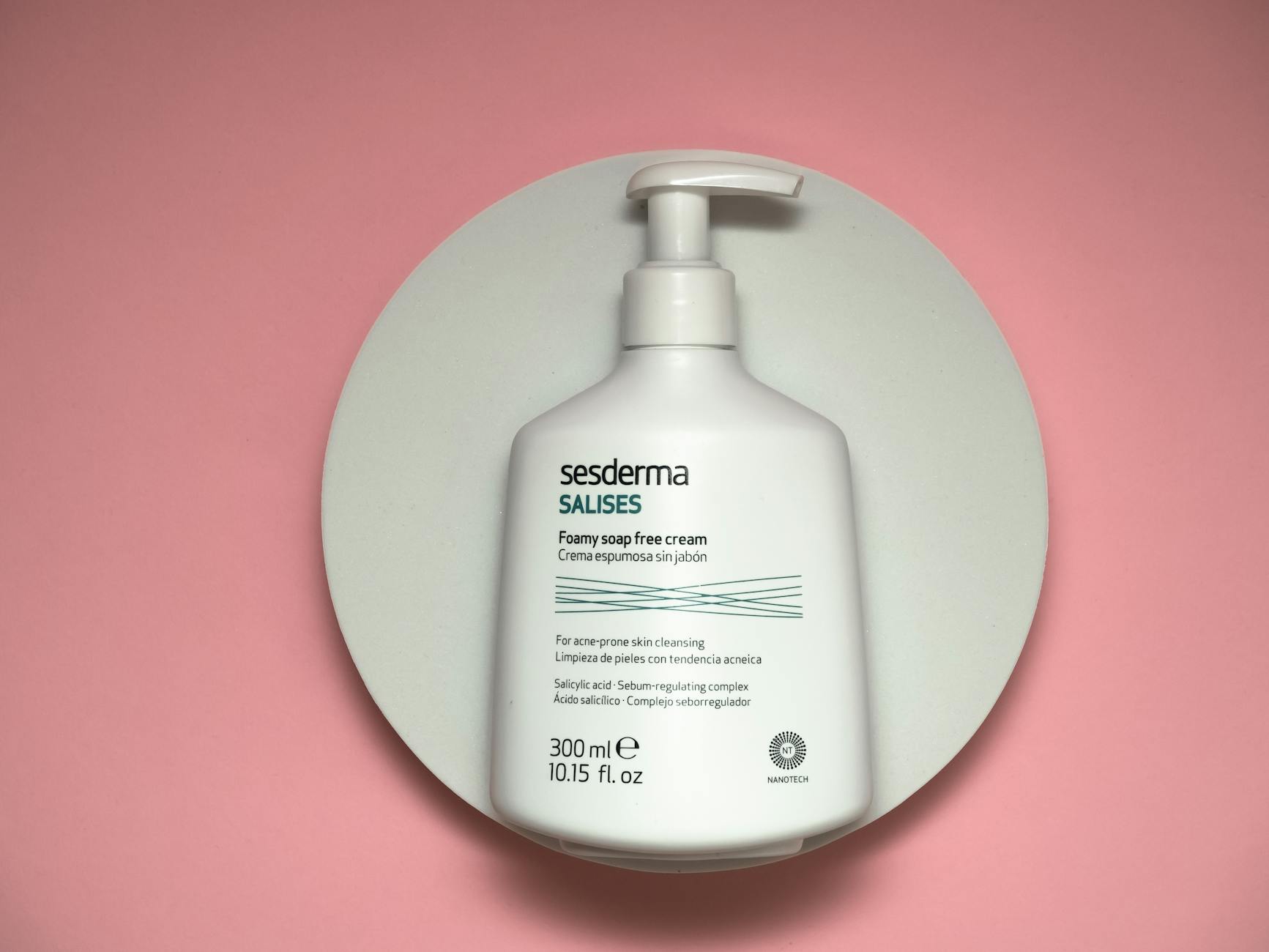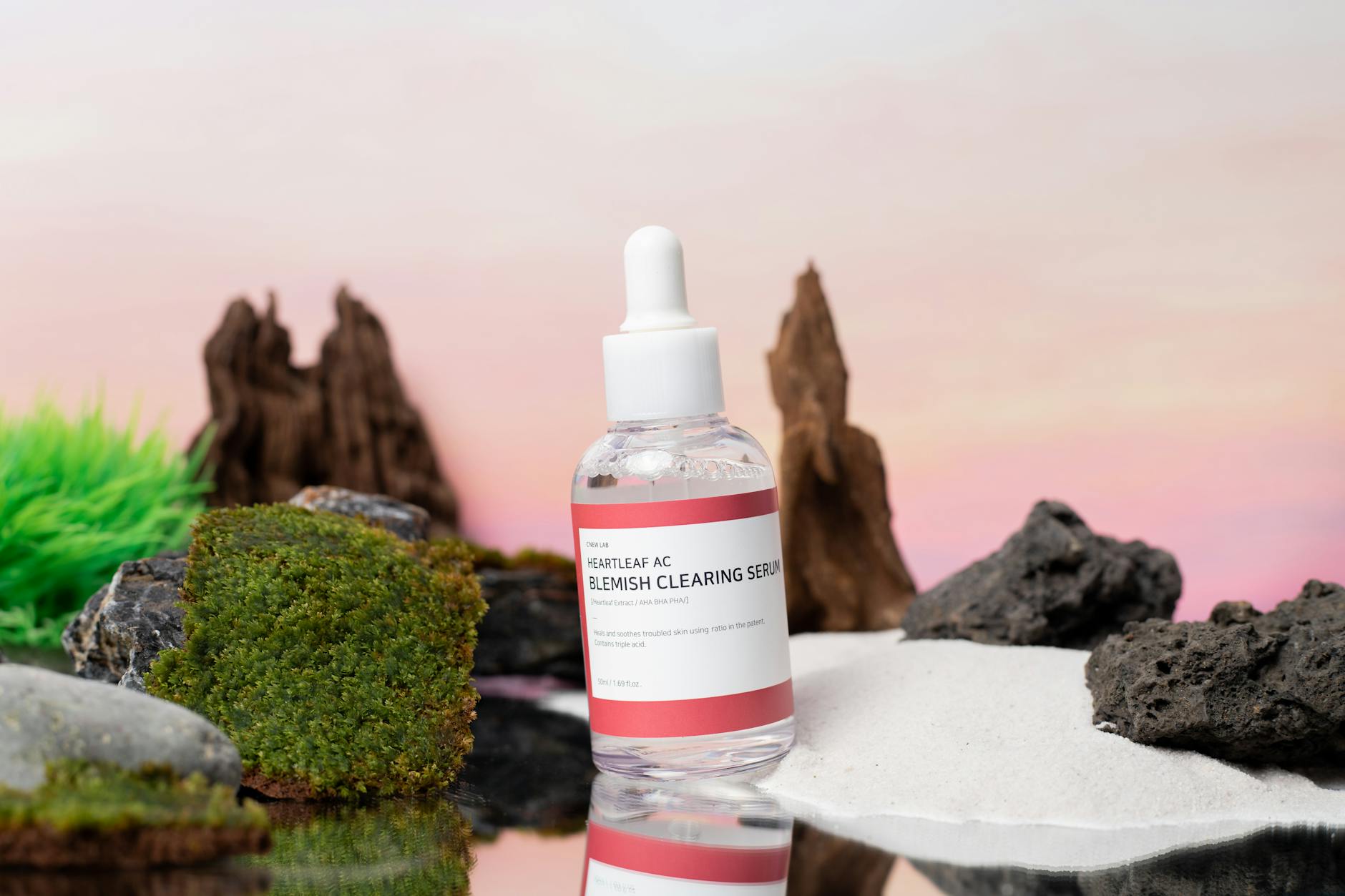
Common Salicylic Acid Side Effects

When you first start using Salicylic Acid, your skin will likely respond with several predictable reactions. Understanding these common side effects helps you distinguish between normal adjustment and concerning problems that might lead to permanent scarring.
The most frequent side effect is skin dryness and flaking, which occurs as Salicylic Acid dissolves dead skin cells and unclogs pores. Your skin may feel tight and shed visible flakes for the first 2-3 weeks. This happens because the beta hydroxy acid increases cell turnover faster than your skin initially handles.
"Initial skin purging is actually a sign that Salicylic Acid is working to clear your pores effectively."
Many users experience an initial purging period where existing blackheads and clogged pores surface more quickly. You might see increased breakouts during weeks 2-4 of treatment. This temporary worsening occurs because Salicylic Acid pushes impurities from deep within pores to the surface.
Mild irritation and redness frequently appear around the nose, chin, and forehead areas. Your skin may look pink or feel slightly stinging after application, especially if you use concentrations above 1%. This reaction typically subsides as your skin builds tolerance.
Photosensitivity becomes a concern since exfoliated skin burns more easily. Always apply broad-spectrum SPF 30 sunscreen daily when using Salicylic Acid products to prevent sun damage that could worsen acne scarring.
Serious Side Effects to Watch For

While most people tolerate Salicylic Acid well, serious reactions can occur that demand immediate medical attention. These severe side effects, though rare, can cause lasting skin damage if ignored.
Allergic reactions present the greatest immediate risk. Watch for widespread redness, swelling, intense itching, or hives spreading beyond the treatment area. Contact dermatitis can develop suddenly, creating painful, blistering skin that may lead to permanent scarring if untreated.
“Severe chemical burns from overusing Salicylic Acid can cause deeper tissue damage than many people realize.”
Chemical burns represent another serious concern. Overusing products containing this beta hydroxy acid or leaving treatments on too long can create deep burns that penetrate multiple skin layers. These burns appear as white or gray patches with severe pain and may require professional wound care.
Systemic absorption becomes dangerous when large amounts enter your bloodstream. Symptoms include ringing ears, nausea, confusion, or rapid breathing. This risk increases when treating large body areas or using high-concentration products.
Seek emergency medical help immediately if you experience difficulty breathing, facial swelling, or signs of infection like pus or red streaking. Contact your dermatologist if burns appear white, numbness develops, or healing stalls after one week.
Who Should Avoid Salicylic Acid
While Salicylic Acid proves effective for most people seeking clear skin, certain groups should exercise caution or avoid it entirely. Understanding these contraindications prevents complications and protects vulnerable populations from adverse reactions.
Pregnant and breastfeeding women should consult their healthcare provider before using Salicylic Acid products. Though topical use poses lower risk than oral medications, systemic absorption remains a concern during these critical periods.
People with aspirin allergies must avoid Salicylic Acid completely. Both compounds belong to the salicylate family, making cross-reactions highly likely. These reactions can range from mild skin irritation to severe allergic responses.
Children under two years old and individuals with extremely sensitive skin require special consideration. Their delicate skin barriers cannot tolerate the exfoliating effects, potentially leading to severe irritation or chemical burns that could cause the very scarring you're trying to prevent.
Certain medical conditions also warrant caution. People with kidney disease, bleeding disorders, or those taking blood-thinning medications should avoid Salicylic Acid due to potential systemic effects. Always discuss your medical history with a dermatologist before starting any new treatment regimen.
Preventing and Managing Side Effects

Smart application techniques can dramatically reduce salicylic acid's potential for irritation and help you achieve clear skin without permanent scarring. Start with the lowest concentration available, typically 0.5%, and use it only twice per week during your first month. This gradual introduction allows your skin to build tolerance naturally.
Apply a pea-sized amount to clean, dry skin twice weekly for the first month.
Follow with Hyaluronic Acid and Niacinamide to restore moisture and calm inflammation.
Use SPF 30 or higher daily since salicylic acid increases sun sensitivity.
Hyaluronic Acid works exceptionally well with salicylic acid because it holds up to 1000 times its weight in water, counteracting the drying effects while maintaining the acne-fighting benefits. Niacinamide, a form of vitamin B3, strengthens your skin barrier and provides anti-inflammatory benefits that reduce redness and irritation.
Apply salicylic acid to completely dry skin, wait 10 minutes, then layer your hydrating products. Avoid combining it with retinoids, vitamin C, or other acids initially. If you experience persistent stinging or burning beyond the first week, reduce frequency to once weekly until your skin adapts. Never skip moisturizer or sunscreen, as dehydrated, sun-damaged skin is more prone to scarring and takes longer to heal from breakouts.
When to Stop Using Salicylic Acid
Knowing when to discontinue salicylic acid prevents skin damage and permanent scarring that many patients fear. Stop using this ingredient immediately if you experience persistent redness, burning, or peeling that continues for more than a week despite reducing application frequency.
Overexfoliation warning signs include increased sensitivity, skin that feels tight or raw, and breakouts that worsen rather than improve. Your skin shouldn't feel constantly irritated or look inflamed after the initial adjustment period.
When salicylic acid fails or causes problems, effective alternatives exist. Retinol (vitamin A alcohol, CAS: 68-26-8) stimulates cell turnover and unclogs pores through a different mechanism than salicylic acid. Vitamin C (L-Ascorbic Acid, CAS: 50-81-7) brightens skin and reduces hyperpigmentation while providing antioxidant protection.
Trust your skin's response. If irritation persists despite proper application and gradual introduction, switching treatments prevents long-term damage and helps you achieve the clear skin you want through a gentler approach.
Stop using salicylic acid if irritation persists beyond one week or worsens over time.
Frequently Asked Questions
What are the most common side effects of salicylic acid?
The most frequent side effects include skin dryness and flaking, which occurs as salicylic acid dissolves dead skin cells and increases cell turnover. Many users also experience mild irritation and redness, especially around the nose, chin, and forehead areas. An initial purging period with increased breakouts during weeks 2-4 is also common as the acid pushes impurities from deep pores to the surface.
How long do salicylic acid side effects last?
Initial dryness and flaking typically occur for the first 2-3 weeks as your skin adjusts to increased cell turnover. The purging period with temporary breakouts usually happens during weeks 2-4 of treatment. Mild irritation and redness typically subside as your skin builds tolerance to the product.
When should I see a doctor about salicylic acid side effects?
Seek emergency medical help immediately if you experience difficulty breathing, facial swelling, or signs of infection like pus or red streaking. Contact your dermatologist if burns appear white, numbness develops, or healing stalls after one week. Allergic reactions with widespread redness, swelling, intense itching, or hives also require immediate medical attention.
Who should avoid using salicylic acid?
People with aspirin allergies must avoid salicylic acid completely since both belong to the salicylate family and can cause cross-reactions. Pregnant and breastfeeding women should consult their healthcare provider before use due to concerns about systemic absorption. Children under two years old should also avoid salicylic acid products.
Can salicylic acid cause permanent skin damage?
Yes, overusing salicylic acid or leaving treatments on too long can create deep chemical burns that penetrate multiple skin layers and may require professional wound care. Severe allergic reactions can also lead to permanent scarring if left untreated. Additionally, the increased photosensitivity from exfoliated skin can lead to sun damage that worsens acne scarring if proper sun protection isn't used.
Disclaimer: This content is for informational purposes only and does not constitute medical advice. Always consult a qualified healthcare provider before making health decisions.