How Vitamin C Helps Acne-Prone Skin

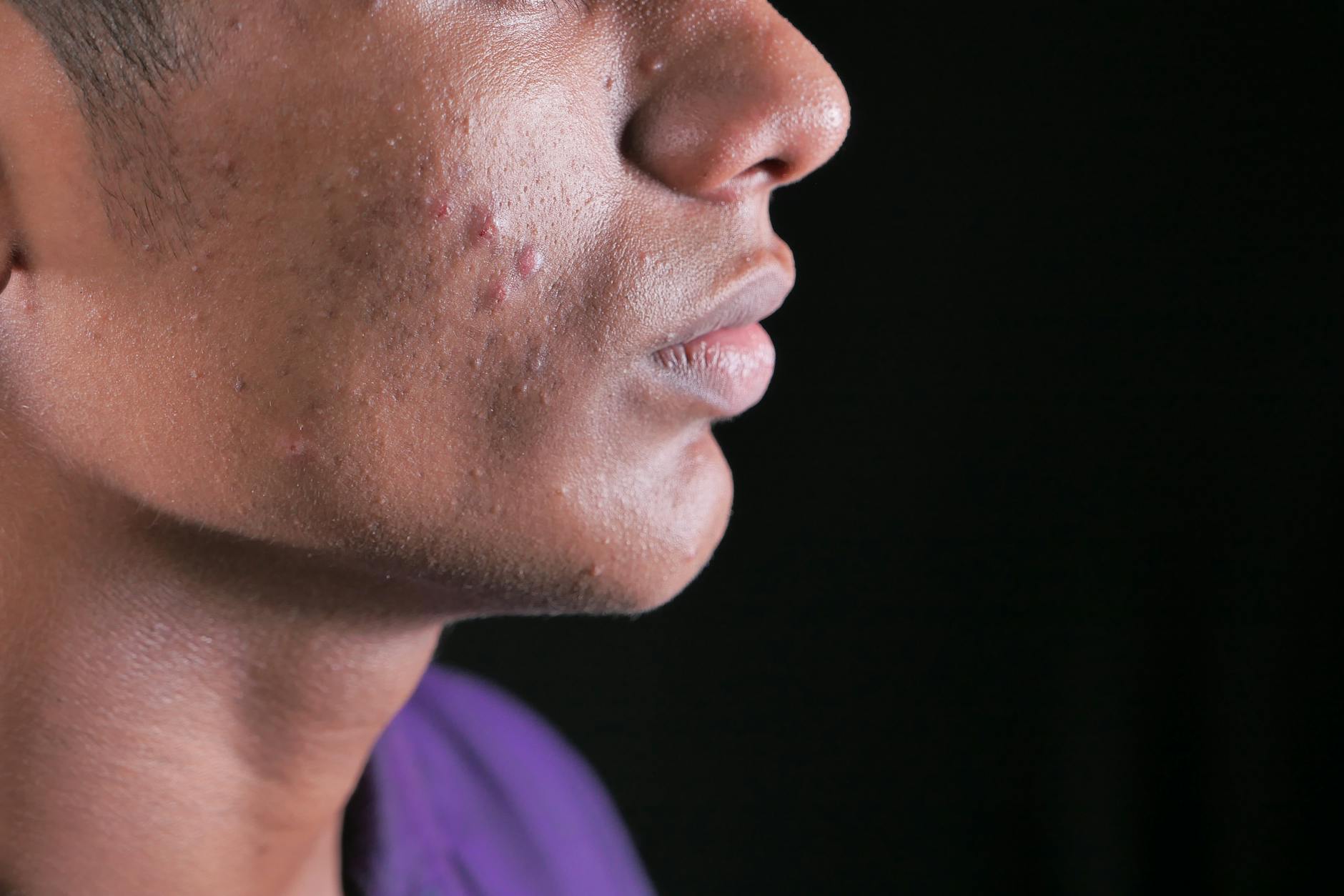
Vitamin C works as a powerful ally against acne through four key mechanisms that target both active breakouts and their aftermath. This antioxidant reduces inflammation around acne lesions by neutralizing free radicals that worsen swelling and redness. When you apply vitamin C consistently, it calms angry breakouts faster than leaving them untreated.
“Vitamin C doesn't just treat acne—it helps prevent the scarring and dark spots that cause lasting embarrassment.”
The vitamin also accelerates healing by boosting collagen production, helping existing breakouts resolve more quickly. For post-acne dark spots, vitamin C acts as a gentle brightening agent, fading hyperpigmentation that can linger for months. Finally, it strengthens your skin barrier, protecting against environmental damage that can trigger new breakouts.
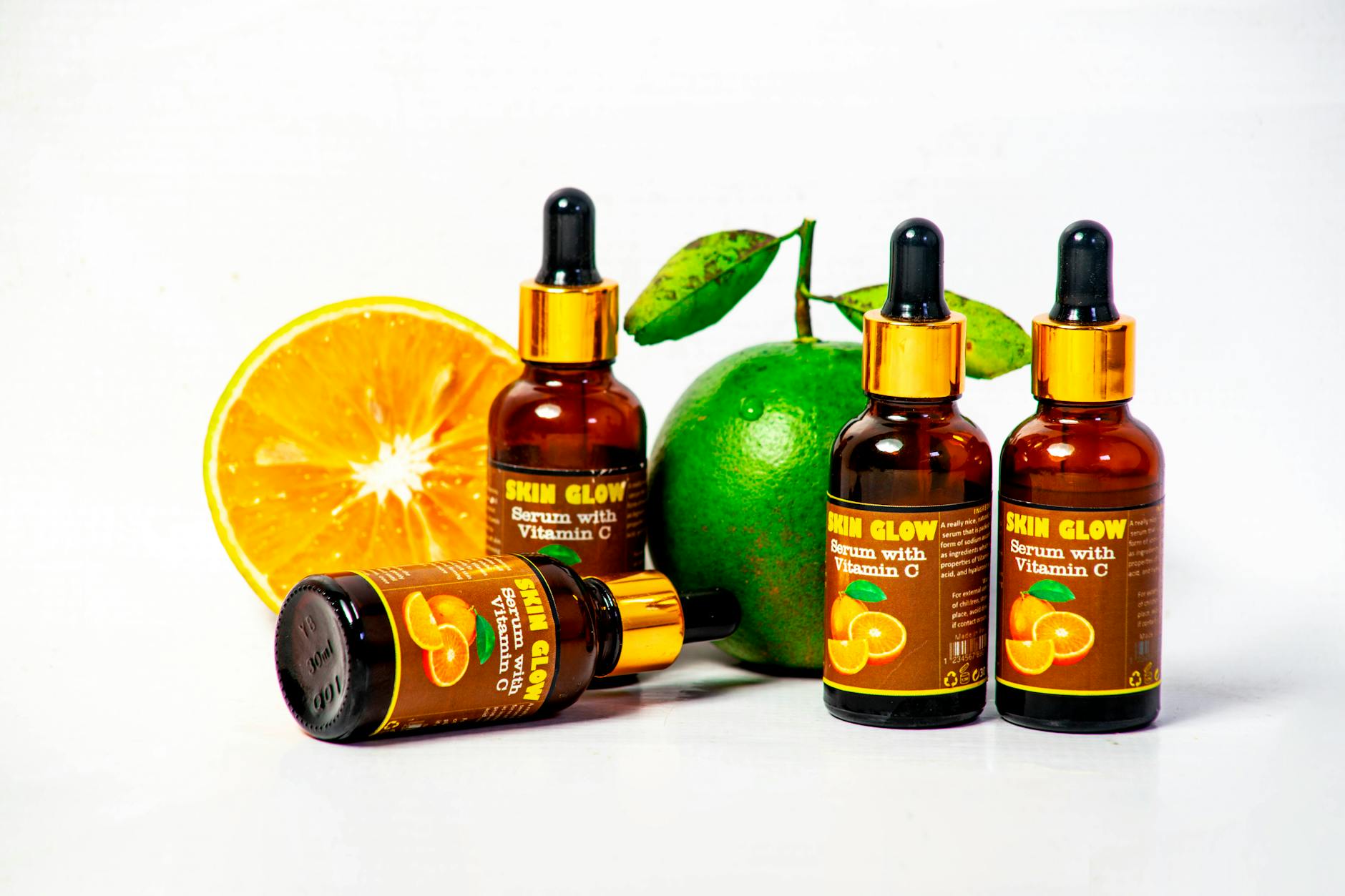
For example, someone using a 10% vitamin C serum typically sees reduced redness within two weeks and noticeable fading of dark spots within six to eight weeks of consistent use.
Best Forms of Vitamin C for Acne

Not all vitamin C forms work equally well for acne-prone skin. L-ascorbic acid, the most potent form, delivers the fastest results but can irritate sensitive skin. Start with concentrations between 10-15% to avoid the redness and peeling that might worsen your acne concerns.
“Magnesium ascorbyl phosphate offers the gentlest path to clearer skin without triggering breakouts.”
Magnesium ascorbyl phosphate works perfectly for sensitive, acne-prone skin. This stable derivative converts to vitamin C slowly, preventing irritation while still fighting inflammation and supporting healing. You'll find it in many dermatologist-recommended serums at 5-10% concentrations.
Sodium ascorbyl phosphate offers unique antibacterial benefits that directly target acne-causing bacteria. Studies show this form reduces both inflammatory lesions and prevents new breakouts. Products containing 1-5% sodium ascorbyl phosphate work well as daily treatments without causing dryness or sensitivity that could lead to scarring.
How to Use Vitamin C with Acne Treatments
Timing matters when combining vitamin C with your acne medications. Apply vitamin C serum in the morning to protect against environmental damage, while saving stronger acne treatments like retinoids for nighttime use. This prevents potential irritation and maximizes each ingredient's effectiveness.
Benzoyl peroxide can deactivate vitamin C when applied together, so space them apart by several hours or use one in the morning and the other at night. For example, use vitamin C serum after your morning cleanser, then apply benzoyl peroxide in your evening routine.
Use vitamin C serums with pH below 4 for better absorption and stability.
Begin with every other day application to build tolerance gradually.
Test on a small skin area for 24-48 hours before full face application.
Always patch test new combinations to prevent unexpected reactions that could worsen breakouts or delay your progress toward clear skin.
What to Expect When Using Vitamin C for Acne

Most people see initial improvements in skin brightness and texture within 2-3 weeks of consistent Vitamin C use. However, acne-specific changes typically take 6-8 weeks to become noticeable, as your skin needs time to complete several renewal cycles.
Some people experience mild purging during the first 2-4 weeks, where existing clogged pores surface faster. This temporary increase in breakouts differs from irritation, which causes burning, excessive redness, or persistent dryness. For example, purging appears as small whiteheads in your usual breakout zones, while irritation creates widespread inflammation.
Contact a dermatologist if you experience severe burning, persistent irritation lasting over two weeks, or worsening acne after eight weeks of consistent use.
Common Mistakes to Avoid
Starting with high-concentration Vitamin C serums can trigger irritation and worsen breakouts instead of clearing them. Begin with 10% concentrations or lower to let your skin adjust gradually.
Never mix Vitamin C with retinoids, benzoyl peroxide, or alpha hydroxy acids in the same routine. These combinations can cause severe irritation and potentially lead to the scarring you're trying to prevent. Use Vitamin C in the morning and other actives at night.
Skipping sunscreen after applying Vitamin C is counterproductive. Vitamin C increases photosensitivity, making your skin more vulnerable to sun damage and hyperpigmentation.
Expecting immediate results sets you up for disappointment. Vitamin C requires 6-8 weeks of consistent use to show noticeable improvements in acne and skin texture.
Start slowly with low concentrations, separate your actives, always wear sunscreen, and give Vitamin C time to work.
Frequently Asked Questions
How does vitamin C help with acne?
Vitamin C helps acne through four key mechanisms: reducing inflammation around breakouts by neutralizing free radicals, accelerating healing by boosting collagen production, fading post-acne dark spots through gentle brightening, and strengthening the skin barrier to prevent new breakouts. It calms angry breakouts faster than leaving them untreated and helps prevent the scarring and dark spots that can cause lasting embarrassment.
What is the best form of vitamin C for acne-prone skin?
For acne-prone skin, magnesium ascorbyl phosphate is the gentlest option, converting to vitamin C slowly to prevent irritation while still fighting inflammation. Sodium ascorbyl phosphate offers unique antibacterial benefits that directly target acne-causing bacteria and reduce inflammatory lesions. L-ascorbic acid is the most potent form but can irritate sensitive skin, so it's best to start with 10-15% concentrations.
Can I use vitamin C with benzoyl peroxide for acne?
Benzoyl peroxide can deactivate vitamin C when applied together, so you should space them apart by several hours or use one in the morning and the other at night. For example, you can use vitamin C serum after your morning cleanser, then apply benzoyl peroxide in your evening routine. This prevents potential irritation and maximizes each ingredient's effectiveness.
How long does it take to see results from vitamin C for acne?
Most people see initial improvements in skin brightness and texture within 2-3 weeks of consistent vitamin C use. However, acne-specific changes typically take 6-8 weeks to become noticeable. For example, someone using a 10% vitamin C serum typically sees reduced redness within two weeks and noticeable fading of dark spots within six to eight weeks of consistent use.
How should I start using vitamin C for acne-prone skin?
Start slowly by applying vitamin C every other day to build tolerance gradually, and always patch test on a small skin area for 24-48 hours before full face application. Use vitamin C serums with pH below 4 for better absorption and stability. Apply vitamin C serum in the morning to protect against environmental damage while saving stronger acne treatments for nighttime use.
Disclaimer: This content is for informational purposes only and does not constitute medical advice. Always consult a qualified healthcare provider before making health decisions.