
What is Vitamin C for Skin
Complete overview of vitamin C's role in skincare, how it works, and why it's essential for healthy skin
Read article →
9 articles
Vitamin C serums are among the most powerful anti-aging ingredients available, offering proven benefits for brightening skin, reducing fine lines, and protecting against environmental damage. These potent antioxidant formulations can transform your skin when used correctly, but choosing the right product and application method is crucial for optimal results. Understanding the different types of vitamin C, proper usage techniques, and potential side effects helps you maximize benefits while avoiding common mistakes.
This section covers everything you need to know about incorporating vitamin C serums into your skincare routine. You'll find detailed guides on different vitamin C forms, product recommendations for 2024, usage instructions, and specialized advice for acne-prone and sensitive skin types.

Complete overview of vitamin C's role in skincare, how it works, and why it's essential for healthy skin
Read article →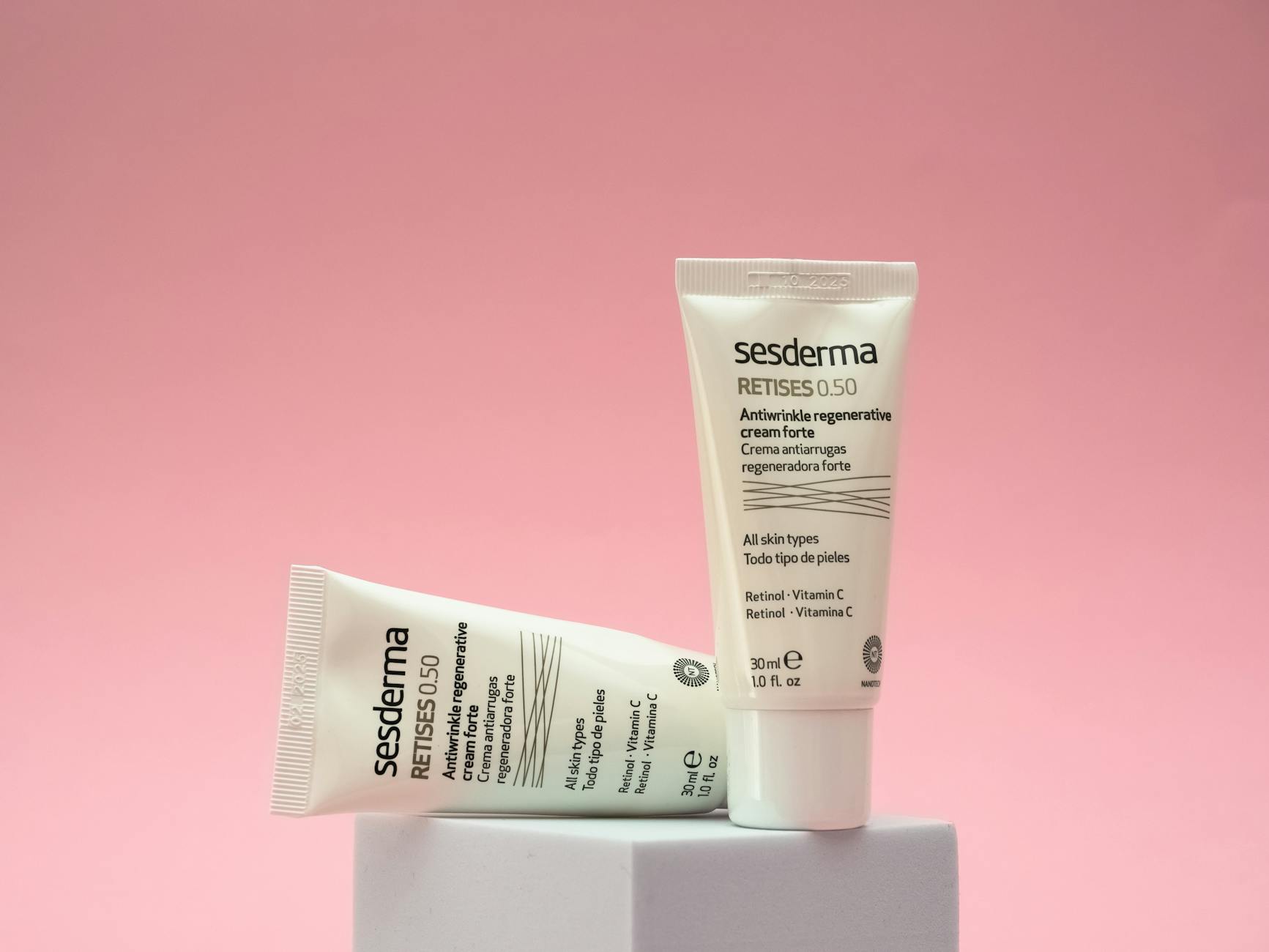
Detailed breakdown of L-ascorbic acid, magnesium ascorbyl phosphate, sodium ascorbyl phosphate, and other vitamin C forms
Read article →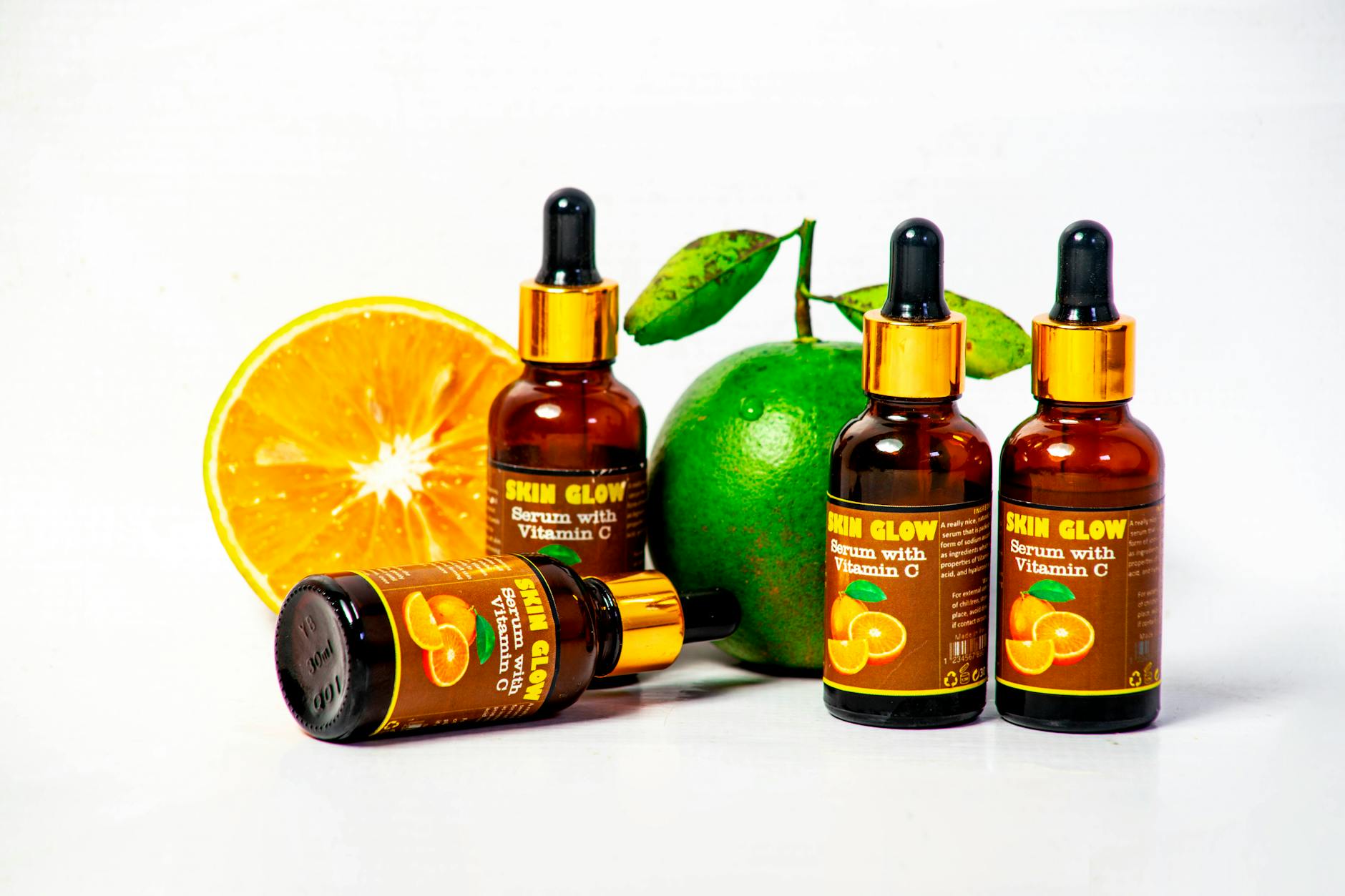
Top-rated vitamin C serums reviewed and compared, including budget and luxury options with detailed analysis
Read article →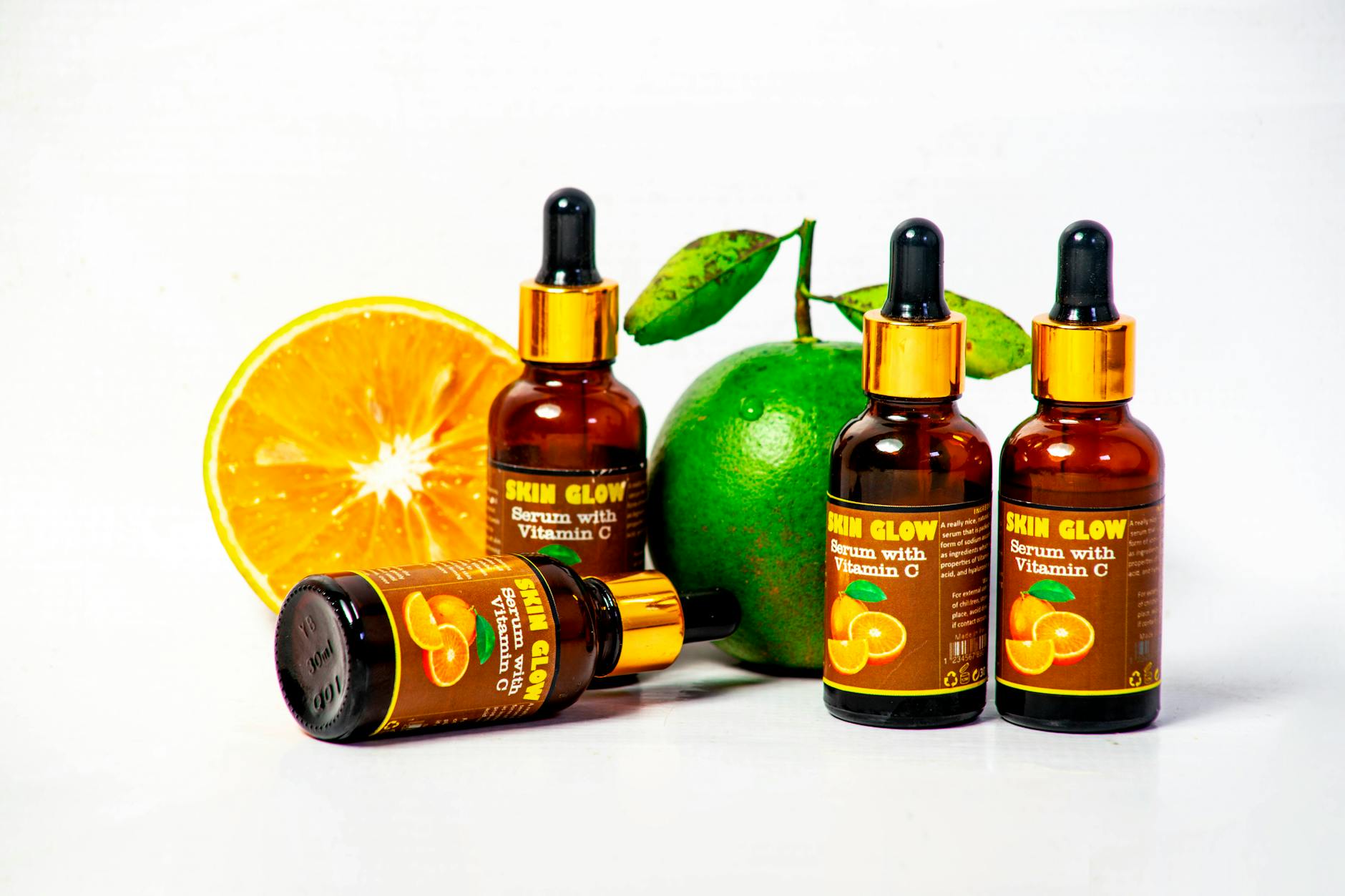
Step-by-step guide to applying vitamin C serum, timing, layering with other products, and building a routine
Read article →
How vitamin C helps acne-prone skin, best formulations for breakout prevention, and combining with acne treatments
Read article →
Gentle vitamin C options for sensitive skin, how to avoid irritation, and gradual introduction strategies
Read article →
Common vitamin C serum reactions, how to prevent irritation, and when to discontinue use
Read article →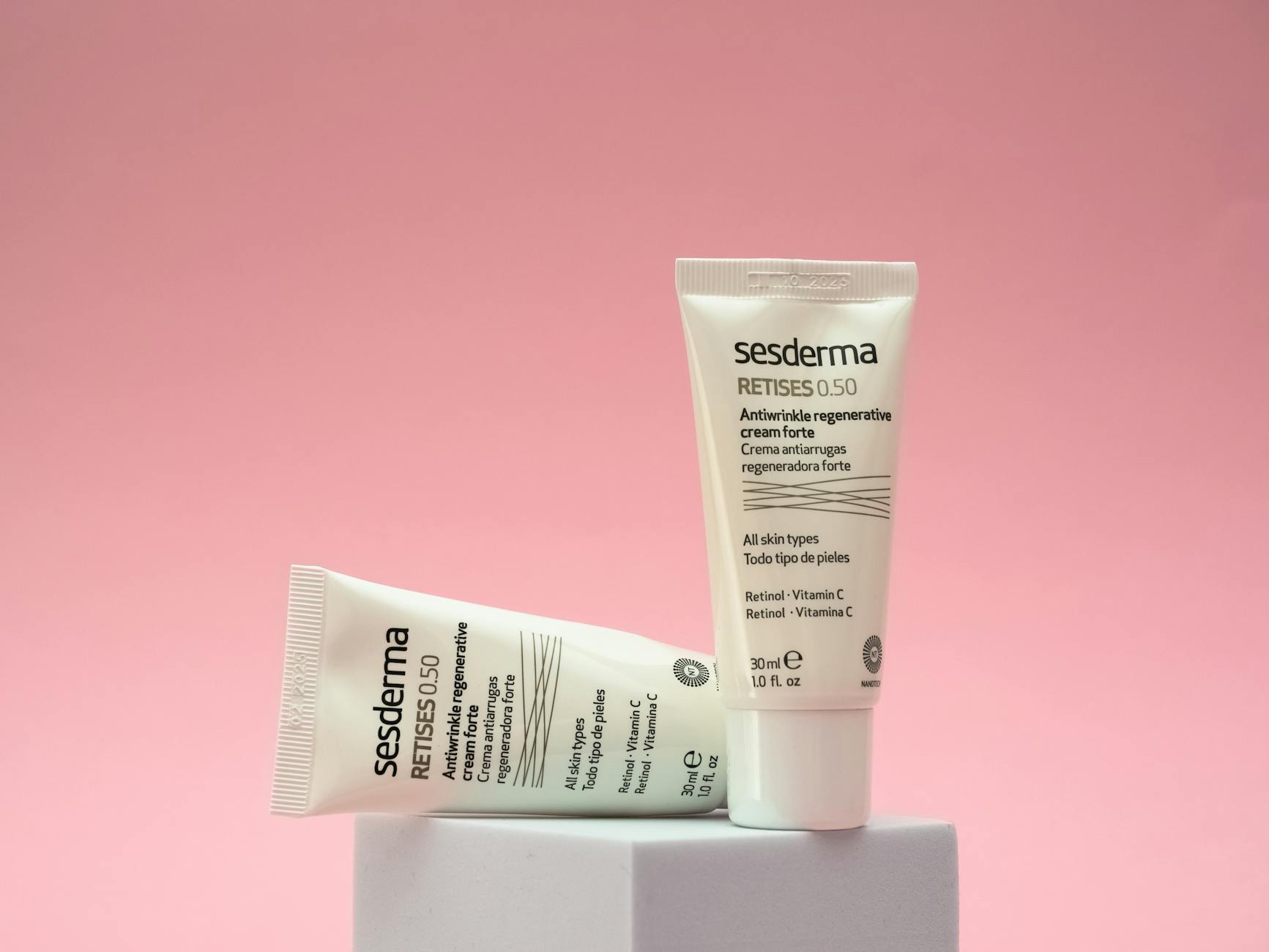
Detailed comparison of vitamin C and retinol for anti-aging, which to choose, and how to use both together
Read article →
Frequently asked questions about vitamin C serums including storage, expiration, and compatibility concerns
Read article →