Common Vitamin C Serum Side Effects

While vitamin C serums offer powerful anti-aging and brightening benefits, they can cause uncomfortable reactions, especially when you're starting out. Understanding these common side effects helps you distinguish between normal adjustment periods and signs you need to switch products or adjust your routine.
The most frequent complaint is skin irritation and redness, particularly around the cheeks, nose, and forehead. Your skin might look flushed or feel tender to the touch for several hours after application. This typically happens when you use concentrations above 10% without proper introduction or choose unstable vitamin C forms like L-ascorbic acid.
“Most vitamin C side effects are temporary and resolve as your skin builds tolerance over 2-3 weeks.”
Stinging or burning sensations occur immediately upon application, making you question whether something's wrong. This sharp discomfort usually indicates your skin barrier needs strengthening or the product's pH is too acidic for your current tolerance level.
Dryness and peeling resemble mild sunburn aftermath, with flaky patches appearing within days of starting vitamin C. This happens because vitamin C accelerates cell turnover, revealing fresh skin underneath before your moisture barrier adapts.
Breakouts from improper formulation catch many people off guard. Heavy serums with comedogenic ingredients can clog pores, while products lacking proper stabilizers may irritate sensitive skin and trigger inflammatory acne.
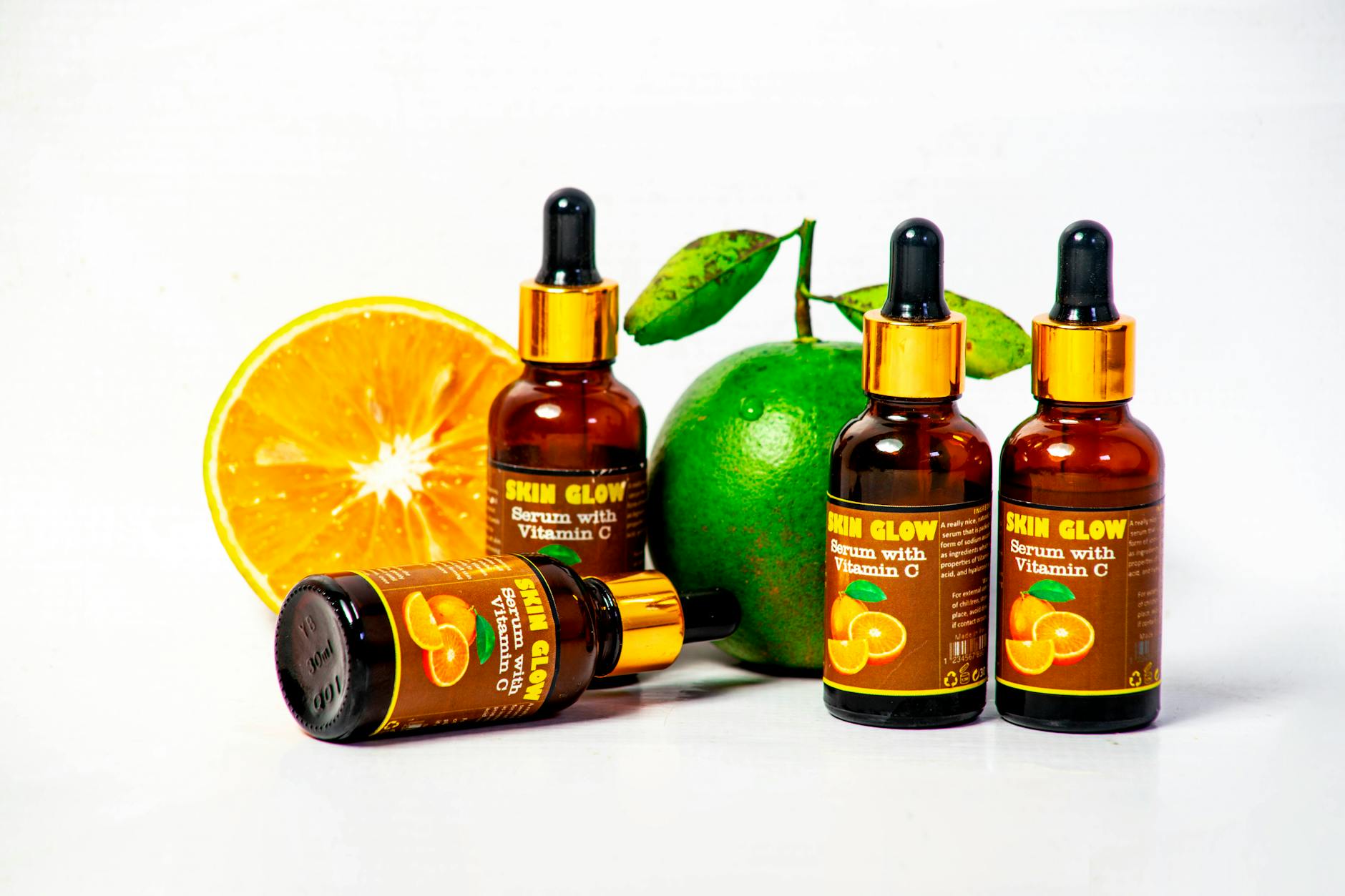
Oxidation causes your clear serum to turn brown or orange, creating temporary staining on your skin. While this discoloration washes off and won't cause permanent scarring, it signals your product has lost potency and may irritate more than help your skin goals.
Who Is Most at Risk for Side Effects

While vitamin C is generally safe for most people, certain groups face higher risks of experiencing adverse reactions. Understanding your risk factors helps you make informed decisions about introducing vitamin C into your skincare routine without causing permanent damage or scarring.
“People with sensitive skin conditions face three times higher risk of vitamin C reactions compared to those with normal skin types.”
Individuals with sensitive skin conditions like rosacea, eczema, or dermatitis top the high-risk list. Their already compromised skin barriers struggle to handle active ingredients, making irritation more likely. First-time vitamin C users also face elevated risks because their skin hasn't built tolerance to the ingredient's acidic nature.
Those jumping straight into high concentrations represent another vulnerable group. Starting with 20% vitamin C without gradual introduction often triggers burning, redness, and peeling. Your skin needs time to adapt, regardless of your eagerness for quick results.
People with damaged skin barriers from over-exfoliation, sun damage, or harsh treatments should exercise extra caution. Their protective layer can't effectively shield against irritation. Certain medications, particularly retinoids and chemical exfoliants, increase photosensitivity and reaction risks when combined with vitamin C.
If you fall into any of these categories, start with lower concentrations and patch test before full application to protect your skin's health.
How to Minimize Side Effects
Preventing vitamin C reactions doesn't require avoiding this powerful ingredient entirely. Smart application strategies can help you build tolerance while minimizing irritation risks that could lead to temporary redness or sensitivity.
Start with the lowest concentration available, typically 5-10% vitamin C serums. Your skin needs time to adapt to this active ingredient, and jumping straight to 20% formulations often triggers unnecessary irritation. Think of it like building exercise endurance—you wouldn't run a marathon on day one.
Apply a small amount behind your ear or on your inner wrist, wait 24 hours to check for reactions.
Use vitamin C every third day for the first week, then gradually increase to daily application.
Apply vitamin C in the morning with sunscreen, or start with evening use if you have sensitive skin.
Proper storage prevents oxidation that makes vitamin C more irritating. Keep serums in cool, dark places—your refrigerator works perfectly. Brown or yellow-tinged products have oxidized and should be replaced immediately.
Layer vitamin C correctly by applying it to clean, dry skin before moisturizer. Avoid mixing with retinol or alpha hydroxy acids initially, as these combinations can overwhelm sensitive skin. If you experience mild tingling that subsides within minutes, that's normal. Persistent burning, excessive redness, or peeling signals you need to reduce frequency or concentration.
Most people successfully incorporate vitamin C within 2-4 weeks using this gradual approach. Your skin will signal when it's ready for stronger formulations or more frequent use.
When to Stop Using Vitamin C Serum

Knowing when to stop using Vitamin C serum can prevent permanent damage to your skin. While most people experience only mild irritation initially, certain warning signs signal that you need to discontinue use immediately.
Stop using Vitamin C serum if you experience persistent severe irritation that doesn't improve after reducing frequency or concentration. Your skin should adapt within one to two weeks—continued burning, stinging, or redness beyond this period indicates your skin cannot tolerate the product.
Watch for allergic reaction symptoms including widespread redness, swelling, hives, or intense itching that spreads beyond the application area. These reactions can worsen rapidly and may lead to scarring if treatment continues.
Discontinue use immediately if you notice chemical burns, blistering, or open wounds. High concentrations of Vitamin C can cause chemical burns on sensitive skin, creating lasting damage that takes months to heal properly.
If your existing skin conditions worsen—such as increased acne breakouts, heightened sensitivity, or spreading irritation—the serum may be too aggressive for your current skin state.
Consult a dermatologist immediately if you experience any severe reactions, notice changes in skin pigmentation, or develop persistent irritation lasting more than 72 hours after stopping use. Professional evaluation prevents complications and helps determine appropriate alternatives for your skincare routine.
Safe Alternatives and Next Steps
If vitamin C causes persistent irritation, gentler derivatives like magnesium ascorbyl phosphate or sodium ascorbyl phosphate deliver similar benefits with less irritation risk. These stabilized forms convert to active vitamin C in your skin gradually.
Alternative brightening ingredients include niacinamide, kojic acid, and azelaic acid. Niacinamide works particularly well for sensitive skin and helps reduce redness while evening skin tone. Professional treatments like chemical peels or laser therapy provide faster results under dermatologist supervision.
Don't worry about permanent damage from temporary vitamin C sensitivity. You can reintroduce vitamin C later by starting with lower concentrations once your skin barrier recovers. Begin with 5% L-ascorbic acid every third day, then gradually increase frequency as tolerance improves.
Vitamin C sensitivity doesn't mean you can't achieve clear, bright skin through gentler alternatives and professional guidance.
Frequently Asked Questions
What are the most common side effects of vitamin C serum?
The most frequent side effects include skin irritation and redness, particularly around the cheeks, nose, and forehead. You may also experience stinging or burning sensations immediately after application, dryness and peeling similar to mild sunburn, and potential breakouts from improperly formulated products. These reactions typically happen when using concentrations above 10% without proper introduction or when choosing unstable vitamin C forms.
Why does my vitamin C serum cause burning and stinging?
Stinging or burning sensations occur immediately upon application and usually indicate that your skin barrier needs strengthening or the product's pH is too acidic for your current tolerance level. This sharp discomfort is a sign that you may need to start with a lower concentration or choose a gentler vitamin C form. Most vitamin C side effects are temporary and resolve as your skin builds tolerance over 2-3 weeks.
Who is most at risk for vitamin C serum side effects?
Individuals with sensitive skin conditions like rosacea, eczema, or dermatitis face the highest risk, as their compromised skin barriers struggle to handle active ingredients. First-time vitamin C users and those jumping straight into high concentrations (like 20%) without gradual introduction are also vulnerable groups. People with damaged skin barriers from over-exfoliation, sun damage, or those using medications like retinoids face elevated reaction risks.
How can I minimize vitamin C serum side effects?
Start with the lowest concentration available, typically 5-10% vitamin C serums, to allow your skin time to adapt to this active ingredient. Always patch test before full application and introduce the product gradually into your routine. Smart application strategies can help you build tolerance while minimizing irritation risks that could lead to temporary redness or sensitivity.
Why did my vitamin C serum turn brown and stain my skin?
Oxidation causes clear vitamin C serums to turn brown or orange, which can create temporary staining on your skin. While this discoloration washes off and won't cause permanent scarring, it signals that your product has lost potency and may irritate more than help your skin. When a serum changes color, it's time to replace it with a fresh product.
Disclaimer: This content is for informational purposes only and does not constitute medical advice. Always consult a qualified healthcare provider before making health decisions.