How PDT Targets Acne at the Source

Photodynamic therapy works by attacking acne where it begins—deep within your pores and sebaceous glands. Unlike topical treatments that only reach the skin's surface, PDT penetrates directly to the source of your breakouts.
The process starts when your dermatologist applies a light-sensitizing medication called aminolevulinic acid (ALA) to your skin. This solution absorbs specifically into your overactive sebaceous glands and areas where acne-causing bacteria thrive. Think of it as painting a target on the exact spots causing your breakouts.
"PDT penetrates directly to the source of your breakouts."
After the solution sits for about an hour, your doctor activates it with a specialized light. This light activation creates a powerful reaction that destroys Propionibacterium acnes bacteria living deep in your pores. The same process also damages the sebaceous glands responsible for producing excess oil.
The beauty of this targeted approach is its long-term effect on oil production. While you might worry about scarring from severe acne, PDT actually helps prevent the deep, cystic breakouts that typically cause permanent marks. Most patients see their skin producing less oil for months after treatment, breaking the cycle that leads to new breakouts.
For example, patients with cystic acne often notice their skin feels less oily within two weeks, with significantly fewer deep, painful bumps forming over the following months.
The PDT Acne Treatment Process

Understanding what happens during your PDT session helps you prepare and know what to expect. The treatment follows a structured three-phase approach that maximizes effectiveness while minimizing discomfort.
Your dermatologist applies a light-activated medication called aminolevulinic acid (ALA) to clean skin and you wait 30-60 minutes for absorption.
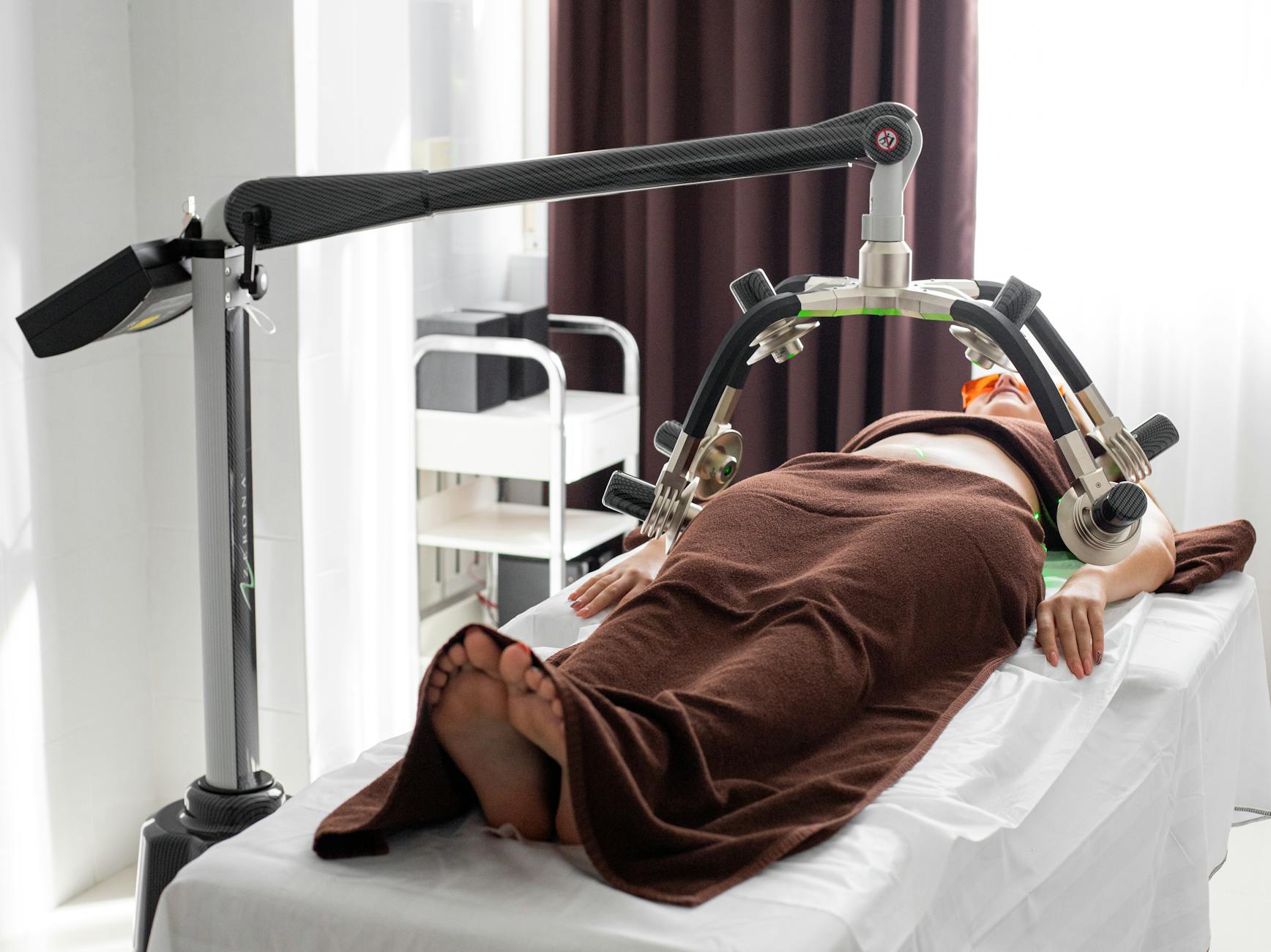
Blue or red LED light activates the medication for 8-20 minutes, targeting acne bacteria and oil glands without damaging surrounding tissue.
Your skin receives protective ointment and you'll avoid direct sunlight for 24-48 hours while temporary sensitivity subsides.
During the waiting period, you might read or relax in the treatment room. The photosensitizer makes your skin temporarily more sensitive to all light sources, which is why timing matters.
“PDT works by selectively targeting the root causes of acne without creating the scarring risks associated with aggressive physical treatments.”
The light exposure itself feels like mild warmth or tingling. Most patients describe it as tolerable, similar to a sunburn sensation. Your dermatologist monitors your comfort level throughout and can adjust intensity if needed.
Immediately after treatment, expect some redness and possible swelling that typically resolves within 2-7 days. This temporary inflammation signals that the treatment is working to clear existing breakouts and prevent future ones.
Who Benefits Most from PDT for Acne
PDT works best for patients with moderate to severe acne that hasn't responded to standard treatments like topical retinoids, antibiotics, or benzoyl peroxide. If you've tried multiple medications for months without seeing significant improvement, PDT might be your next step toward clear skin.
The ideal candidates have active inflammatory acne with red, swollen papules and pustules. PDT targets the bacteria and oil production that fuel these painful breakouts, making it particularly effective for this type of acne. Patients who experience frequent cystic acne episodes often see dramatic improvements after treatment.
PDT offers hope for patients who can't tolerate oral medications due to side effects or health conditions. For example, women who want to avoid isotretinoin due to pregnancy concerns find PDT an excellent alternative that won't interfere with future family planning.
However, PDT isn't suitable for everyone. Patients with certain skin conditions, those taking light-sensitizing medications, or individuals with very fair skin that burns easily may need to explore other options first.
PDT Results vs Traditional Acne Treatments
When comparing PDT to conventional acne therapies, the results show distinct advantages for severe cases. PDT typically achieves 70-90% improvement in inflammatory acne within 3-4 treatment sessions, while traditional topical treatments often require 6-12 weeks of consistent use to show similar results.
The timeline for visible improvements favors PDT significantly. Most patients see initial clearing within 1-2 weeks after their first session, compared to 4-8 weeks with antibiotics or retinoids. This faster response can help prevent the scarring that many patients fear from prolonged acne activity.
Long-term acne control represents PDT's strongest advantage. Unlike Chemical Peels, which improve skin texture through controlled chemical exfoliation but require regular maintenance every 4-6 weeks, PDT can provide 6-12 months of clear skin after a complete treatment series. Traditional treatments like benzoyl peroxide or salicylic acid require daily application indefinitely.
For severe cystic acne, PDT outperforms most conventional options except isotretinoin, offering comparable results without the systemic side effects or strict monitoring requirements.
What to Expect: Recovery and Results Timeline

Your skin will look and feel different immediately after PDT treatment. Expect redness, swelling, and a sunburn-like sensation that peaks within 24-48 hours. Most patients experience peeling and flaking as treated skin renews itself over the following week. Plan for 3-5 days of noticeable downtime when you might prefer staying home.
Acne improvement follows a predictable pattern. You'll notice initial clearing within 1-2 weeks as inflammation reduces. The most dramatic results appear after your second or third treatment, typically 6-8 weeks into your treatment plan. New breakouts become less frequent and less severe with each session.
Most dermatologists recommend 3-4 initial treatments spaced 2-4 weeks apart. After completing your initial series, maintenance sessions every 6-12 months help prevent acne from returning. This schedule differs significantly from daily topical treatments or monthly medication monitoring required with traditional approaches.
Your skin won't develop permanent scarring from PDT itself, though existing acne may still cause scarring if left untreated. The treatment actually helps prevent future scarring by reducing active breakouts.
Making the Decision: Is PDT Right for Your Acne?
PDT works best for moderate to severe acne that hasn't responded to traditional treatments. Your dermatologist will evaluate your acne type, medical history, and lifestyle to determine if you're a good candidate.
During your consultation, ask about expected results for your specific acne severity, total treatment costs, and how PDT compares to other options like oral medications or laser therapy. Discuss any concerns about temporary redness or light sensitivity that could impact your daily routine.
If PDT seems right for you, your dermatologist will schedule your first session and provide pre-treatment instructions. Remember, while scarring concerns are valid, PDT can actually help prevent future scarring by effectively treating active breakouts.
Schedule a consultation with a board-certified dermatologist to determine if PDT aligns with your acne severity and treatment goals.
Frequently Asked Questions
How does PDT work for acne treatment?
PDT works by applying a light-sensitizing medication called aminolevulinic acid (ALA) to your skin, which absorbs into overactive sebaceous glands and areas where acne bacteria thrive. After about an hour, a specialized light activates the solution, creating a reaction that destroys Propionibacterium acnes bacteria and damages oil-producing glands. This targeted approach penetrates directly to the source of breakouts, unlike topical treatments that only reach the surface.
What happens during a PDT acne treatment session?
The treatment follows a three-phase process: first, your dermatologist applies the photosensitizer medication and you wait 30-60 minutes for absorption. Next, blue or red LED light activates the medication for 8-20 minutes, targeting acne bacteria without damaging surrounding tissue. Finally, protective ointment is applied and you must avoid direct sunlight for 24-48 hours while temporary sensitivity subsides.
Does PDT for acne hurt?
The light exposure feels like mild warmth or tingling, which most patients describe as tolerable and similar to a sunburn sensation. Your dermatologist monitors your comfort level throughout the treatment and can adjust the intensity if needed. After treatment, you can expect some redness and possible swelling that typically resolves within 2-7 days.
Who is a good candidate for PDT acne treatment?
PDT works best for patients with moderate to severe acne that hasn't responded to standard treatments like topical retinoids, antibiotics, or benzoyl peroxide. If you've tried multiple medications for months without seeing significant improvement, PDT might be your next step toward clear skin. The treatment is particularly effective for those with cystic acne or overactive oil production.
How long do PDT results last for acne?
Most patients see their skin producing less oil for months after treatment, breaking the cycle that leads to new breakouts. Patients with cystic acne often notice their skin feels less oily within two weeks, with significantly fewer deep, painful bumps forming over the following months. The treatment helps prevent the deep, cystic breakouts that typically cause permanent scarring.
Disclaimer: This content is for informational purposes only and does not constitute medical advice. Always consult a qualified healthcare provider before making health decisions.