
What is Photodynamic Therapy (PDT)?
Complete explanation of photodynamic therapy, how it works, and the science behind light-activated medications
Read article →
8 articles
Photodynamic Therapy (PDT) is an advanced light-based treatment that combines a photosensitizing medication with specific wavelengths of light to target damaged skin cells and certain skin conditions. This innovative procedure offers effective treatment for precancerous lesions, acne, and other dermatological concerns with minimal downtime. PDT works by activating a light-sensitive drug applied to your skin, creating a targeted therapeutic response that destroys abnormal cells while preserving healthy tissue.
This section provides essential information about PDT treatment, from understanding the basics to preparing for your procedure. You'll find detailed guidance on PDT for actinic keratoses and acne treatment, along with practical information about costs, side effects, and what to expect during recovery.
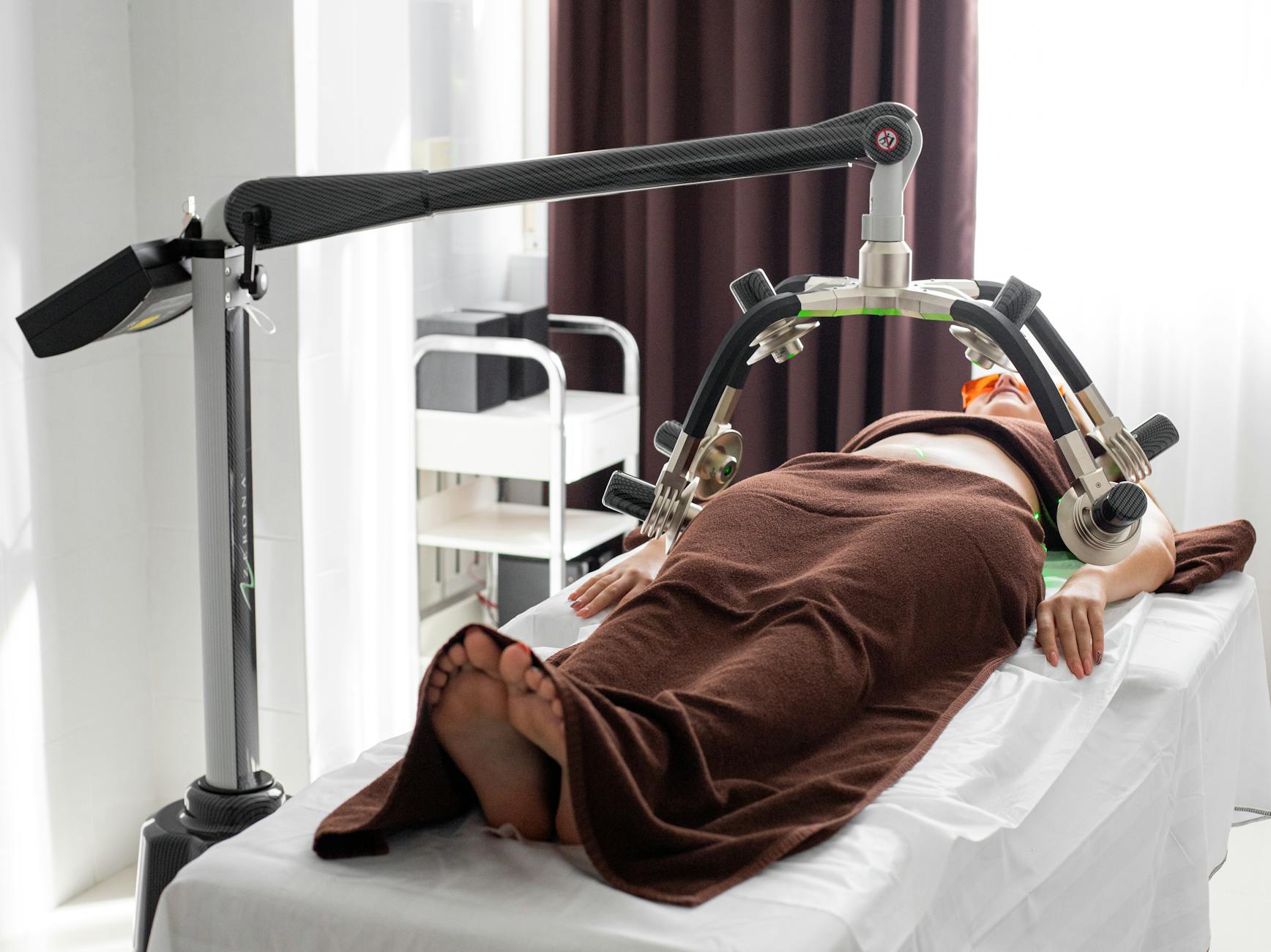
Complete explanation of photodynamic therapy, how it works, and the science behind light-activated medications
Read article →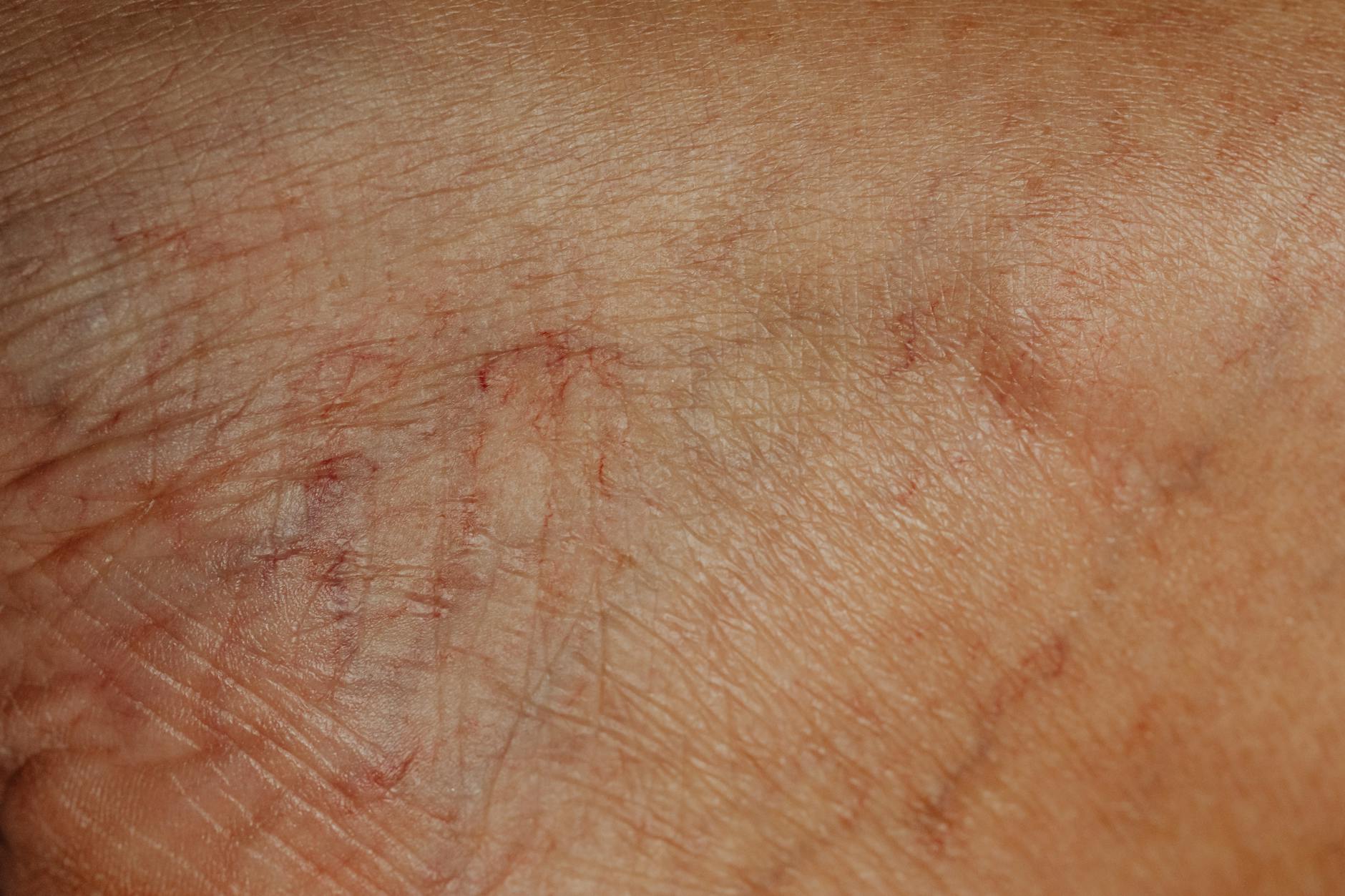
How photodynamic therapy treats actinic keratoses, effectiveness rates, and what to expect during treatment
Read article →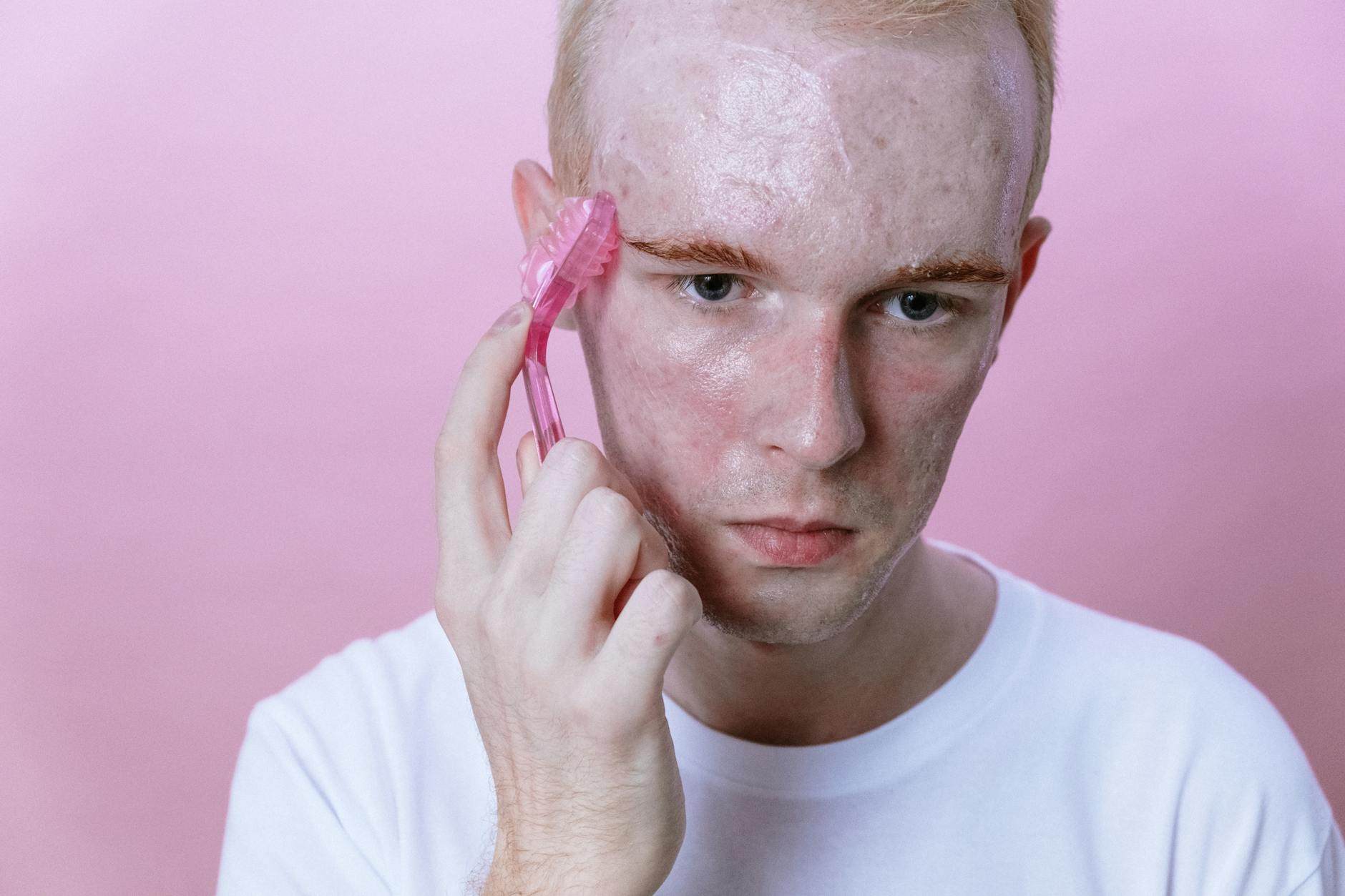
Using PDT to treat severe acne, how it targets oil glands, and results compared to other acne treatments
Read article →
Photodynamic therapy costs, factors affecting price, insurance coverage, and payment options
Read article →
Common side effects of photodynamic therapy, healing timeline, and post-treatment care instructions
Read article →
How to prepare for PDT treatment, step-by-step procedure overview, and session duration
Read article →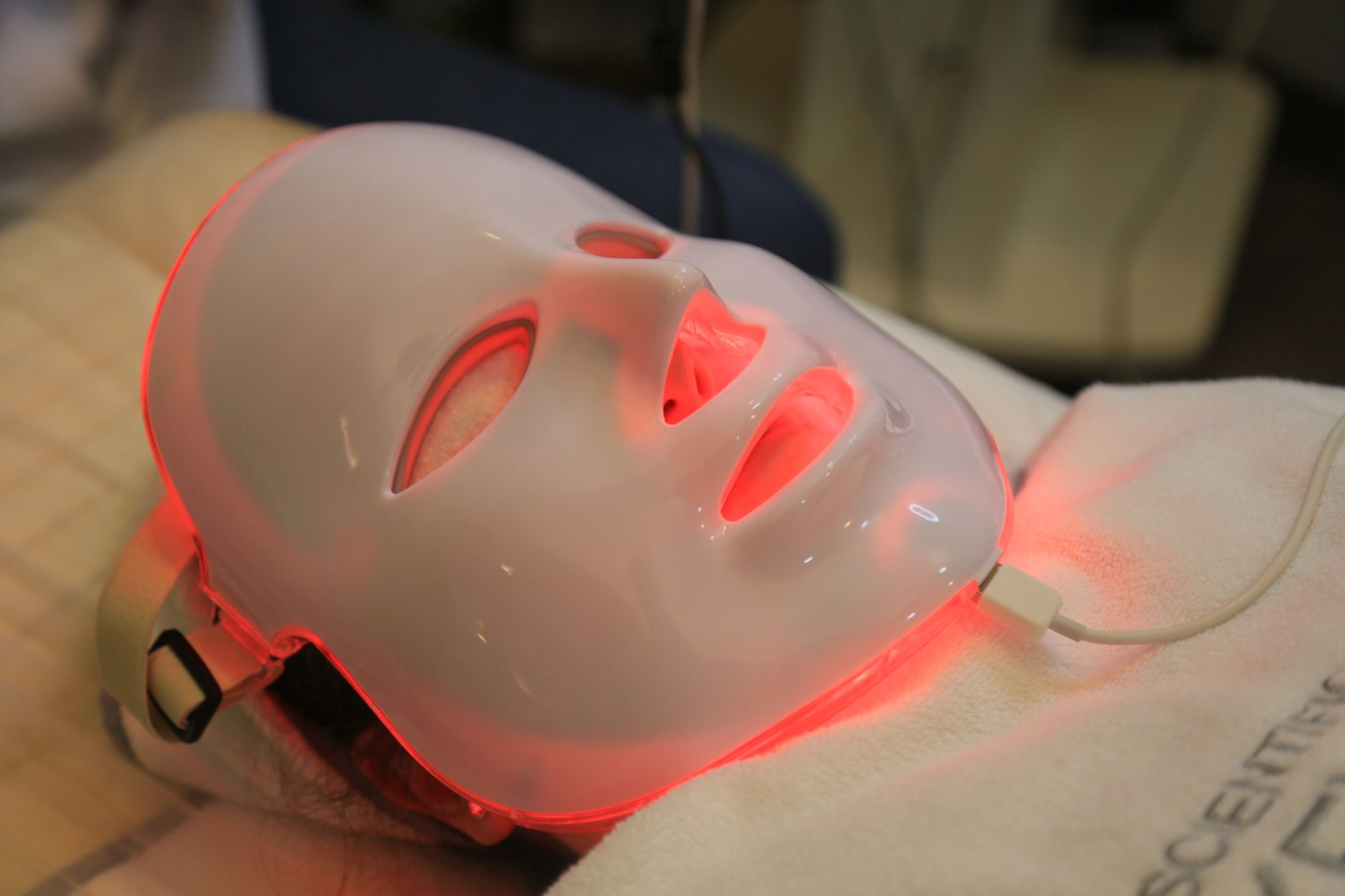
Comparing photodynamic therapy to IPL, LED therapy, and other light treatments for effectiveness and applications
Read article →
Who is a good candidate for PDT, medical conditions that may prevent treatment, and age considerations
Read article →