What Are Actinic Keratoses and Why PDT Works

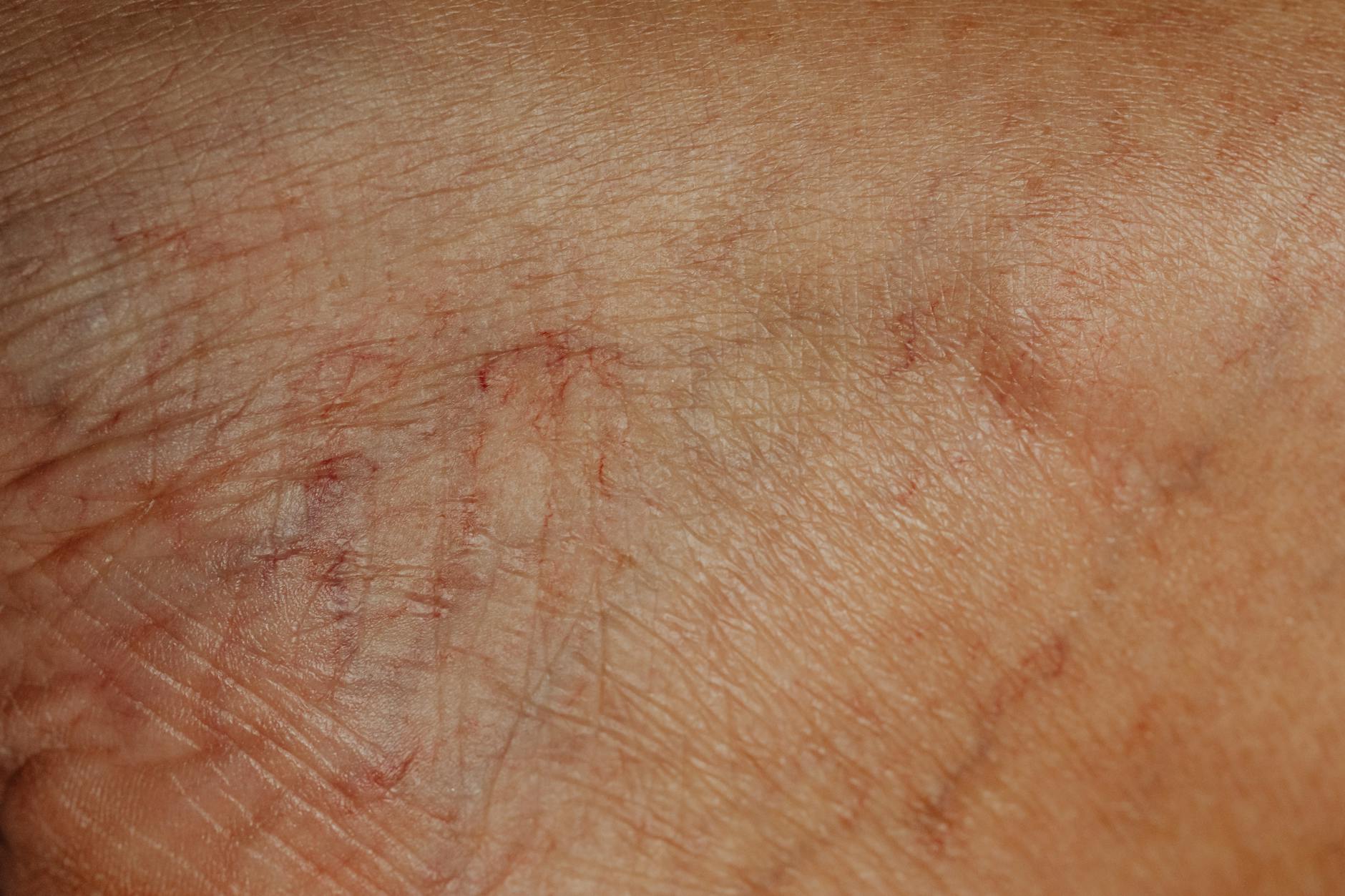
Actinic keratoses are rough, scaly patches that develop on sun-exposed skin after years of UV damage. These precancerous lesions feel like sandpaper and appear as red, pink, or flesh-colored spots on areas like your face, scalp, hands, and arms. While they start small and seemingly harmless, actinic keratoses can progress to squamous cell carcinoma if left untreated.
“PDT targets only the damaged cells while leaving healthy skin untouched, making it ideal for treating multiple lesions without scarring.”
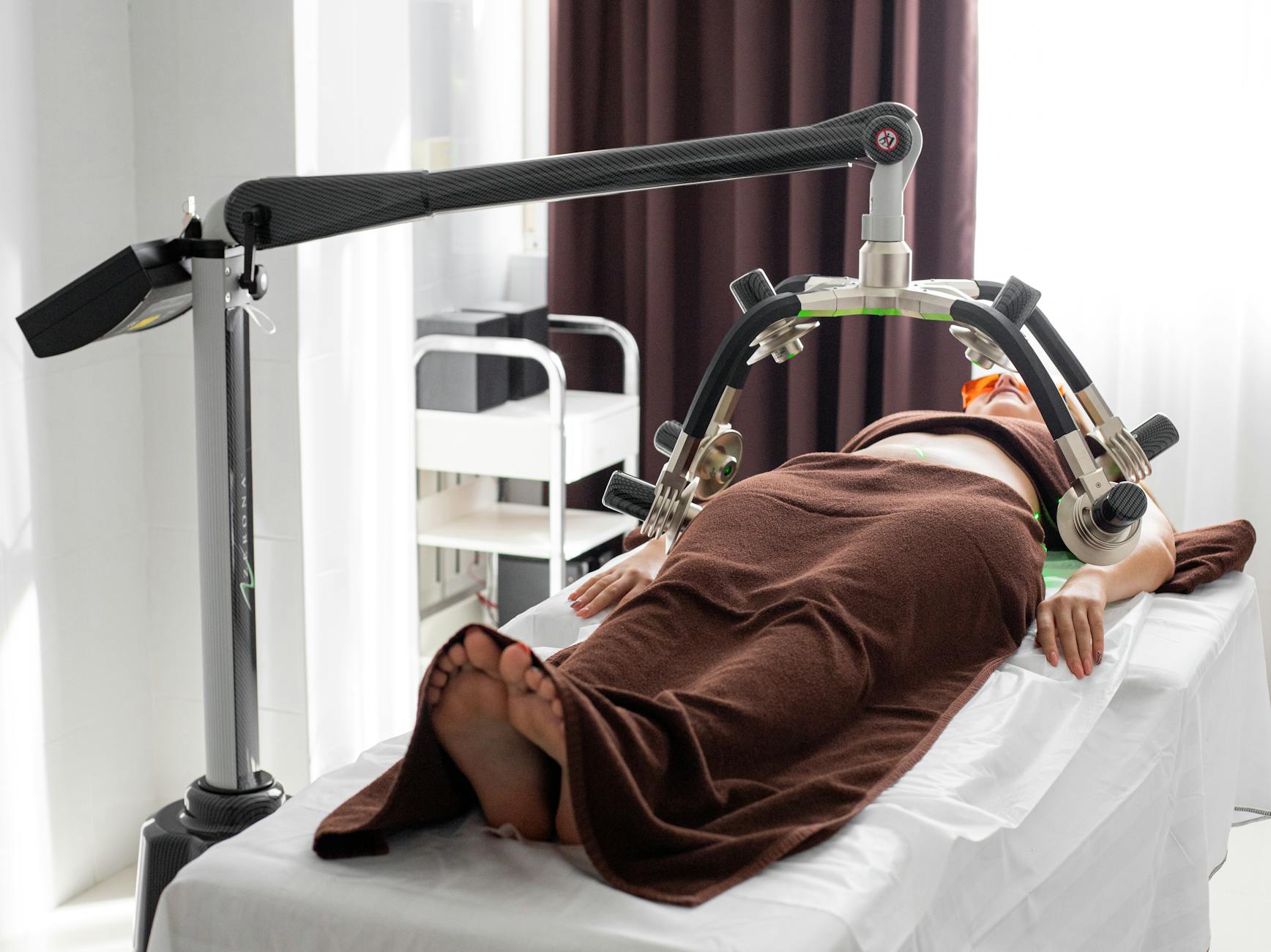
Photodynamic therapy works by using a special light-activated medication that abnormal cells absorb more readily than healthy tissue. When exposed to specific wavelengths of light, this medication destroys the precancerous cells from within. This selective targeting means PDT can treat entire areas where sun damage has occurred, catching both visible lesions and early changes you cannot see.
Early treatment with PDT prevents the progression from actinic keratoses to skin cancer. The procedure also addresses your concerns about scarring since it preserves normal skin architecture while eliminating damaged cells. Most patients see clear improvement without the permanent marks that other treatments might leave behind.
How PDT Treatment Works for Actinic Keratoses

PDT works through a three-step process that specifically targets abnormal skin cells while leaving healthy tissue unharmed. This targeted approach means you won't face the scarring concerns that often worry patients about other treatments.
Your dermatologist applies a light-activated medication called aminolevulinic acid (ALA) directly to the actinic keratosis lesions.
The medication sits on your skin for 1-3 hours, allowing abnormal cells to absorb it while healthy cells largely ignore it.
Blue or red light activates the medication, creating oxygen molecules that destroy only the abnormal cells that absorbed the photosensitizer.
During the incubation period, you might notice the treated areas becoming slightly red or sensitive. This reaction shows the medication is working properly. The abnormal cells in actinic keratoses absorb more photosensitizer than normal skin cells, making them vulnerable to destruction when light hits them.
“PDT selectively destroys abnormal cells while preserving healthy skin, minimizing scarring risk.”
For example, if you have multiple small actinic keratoses on your forehead, your dermatologist can treat the entire area in one session, eliminating visible lesions and catching microscopic damage you can't see yet.
PDT Treatment Timeline and What to Expect
Your PDT appointment takes approximately 3 to 4 hours from start to finish. The medication application happens in the first 15 minutes, followed by a waiting period of 1 to 3 hours for the photosensitizer to absorb into your skin. The actual light treatment lasts only 16 minutes and 40 seconds.
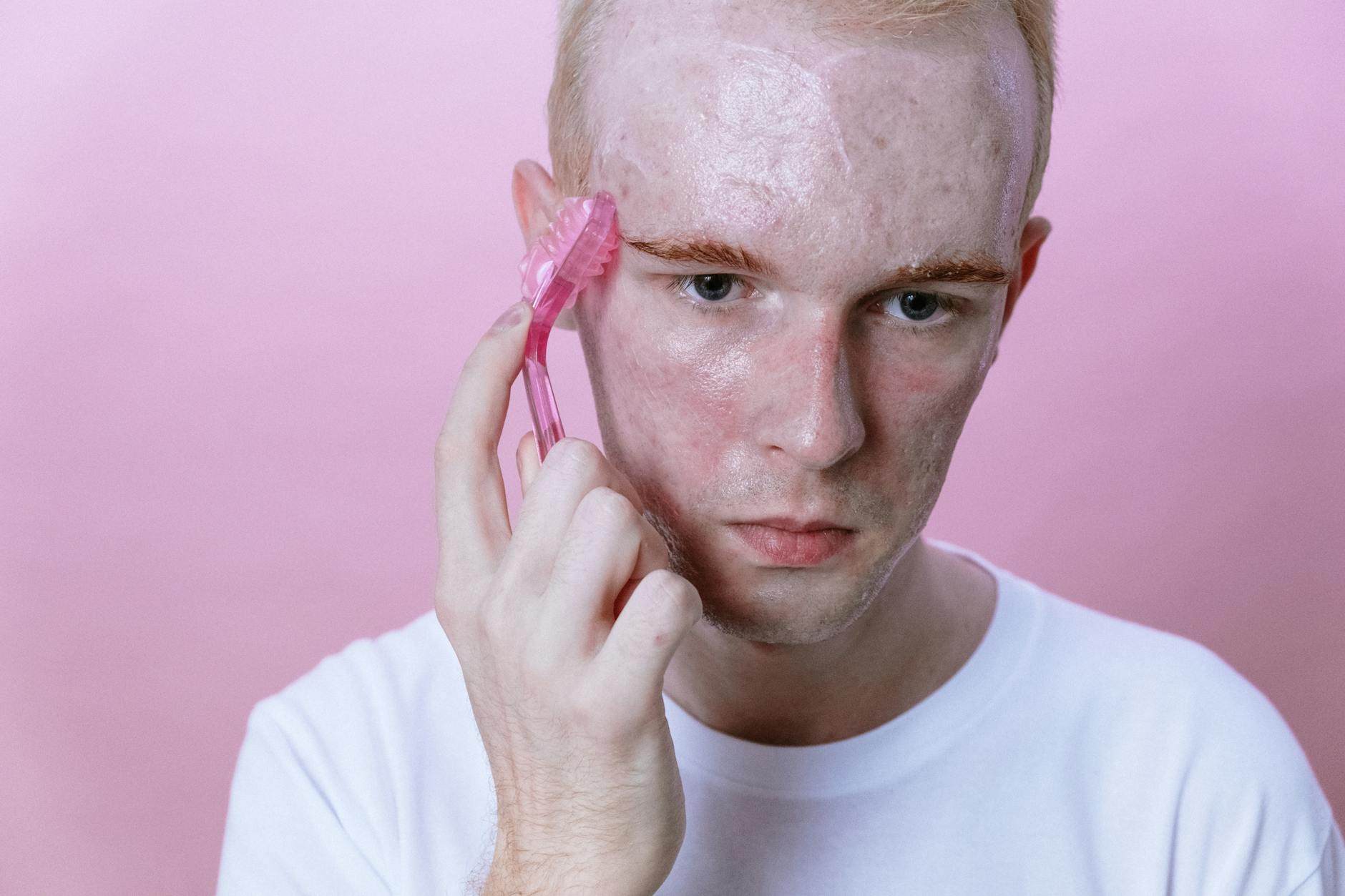
Immediately after treatment, your skin will appear red and feel like you have a sunburn. This reaction is normal and shows the treatment is working effectively on your actinic keratoses.
Over the next 24 to 48 hours, treated areas may develop crusting or scabbing. Your skin begins peeling around day 3 or 4, revealing fresh, healthy tissue underneath. Complete healing typically occurs within 7 to 10 days for facial treatments.
The good news about PDT scarring concerns: this treatment specifically targets abnormal cells while preserving healthy surrounding tissue, making permanent scarring extremely rare when performed by qualified dermatologists.
PDT Effectiveness for Actinic Keratoses
PDT shows impressive success rates for treating actinic keratoses. Clinical studies demonstrate complete clearance of AKs in 75-90% of patients after a single treatment session. Most patients see significant improvement within 4-6 weeks, with the best results appearing 8-12 weeks post-treatment.
Compared to other treatments, PDT offers competitive results. Cryotherapy clears 67-99% of lesions but can cause permanent white spots. Chemical peels show 60-80% clearance rates for superficial AKs but require multiple sessions. Topical medications like fluorouracil achieve 50-80% clearance over several weeks of daily application.
Long-term data reveals PDT's durability. Recurrence rates remain low at 15-25% after one year, and retreatment is straightforward when needed. The treatment's ability to address both visible and subclinical lesions contributes to its lasting effectiveness, giving patients confidence in their results.
Managing Side Effects During AK Treatment

PDT treatment causes predictable side effects that signal the therapy is working. Understanding what to expect helps you manage the process confidently without worrying about permanent damage to your skin.
Photosensitivity reactions are the most common side effect. Your treated skin becomes extremely sensitive to light for 24-48 hours after treatment. Even indoor lighting can cause burning, so stay indoors and avoid bright lights completely. Sunglasses and wide-brimmed hats become essential when you must go outside, even briefly.
Use cool, damp cloths for 10-15 minutes to reduce burning sensations.
Ibuprofen or acetaminophen helps manage discomfort during the first two days.
Use fragrance-free lotions to prevent excessive dryness and cracking.
Normal healing includes redness, mild swelling, and eventual peeling within one week. However, contact your dermatologist immediately if you develop severe blistering, pus, or spreading redness, which may indicate infection requiring prompt treatment.
Who Is a Good Candidate for PDT Actinic Keratoses Treatment
PDT works best for people with multiple actinic keratoses on sun-damaged areas like the face, scalp, or hands. You're an ideal candidate if you have thin, superficial lesions rather than thick, raised growths. Fair-skinned individuals who burn easily often see excellent results because their skin responds well to the photosensitizing medication.
Your dermatologist may recommend PDT if you have numerous lesions that would require multiple procedures with other treatments. People who want to avoid surgical scarring often choose PDT since it preserves healthy skin tissue around the treatment area, addressing concerns about permanent marks or social embarrassment.
However, PDT might not be your best option if you have very thick actinic keratoses, as the light may not penetrate deeply enough. Patients taking certain medications that increase light sensitivity should discuss alternatives with their doctor. Those with compromised immune systems or certain skin conditions may need different treatment approaches.
Your age, skin type, and ability to avoid sun exposure during healing all influence treatment success. People who can commit to proper aftercare and sun protection typically achieve the best long-term results.
PDT works best for multiple, thin actinic keratoses on fair skin when you can commit to proper sun protection during healing.
Frequently Asked Questions
What are actinic keratoses and why should I be concerned about them?
Actinic keratoses are rough, scaly patches that develop on sun-exposed skin after years of UV damage. These precancerous lesions feel like sandpaper and appear as red, pink, or flesh-colored spots on areas like your face, scalp, hands, and arms. While they start small and seemingly harmless, actinic keratoses can progress to squamous cell carcinoma if left untreated.
How does PDT work for treating actinic keratoses?
PDT works through a three-step process that specifically targets abnormal skin cells while leaving healthy tissue unharmed. Your dermatologist applies a light-activated medication called aminolevulinic acid (ALA) directly to the lesions, allows it to absorb for 1-3 hours, then activates it with blue or red light. The light creates oxygen molecules that destroy only the abnormal cells that absorbed the photosensitizer.
How long does PDT treatment take?
Your PDT appointment takes approximately 3 to 4 hours from start to finish. The medication application happens in the first 15 minutes, followed by a waiting period of 1 to 3 hours for the photosensitizer to absorb into your skin. The actual light treatment lasts only 16 minutes and 40 seconds.
Will PDT treatment leave scars on my skin?
PDT targets only the damaged cells while leaving healthy skin untouched, making it ideal for treating multiple lesions without scarring. The procedure preserves normal skin architecture while eliminating damaged cells. Most patients see clear improvement without the permanent marks that other treatments might leave behind.
Disclaimer: This content is for informational purposes only and does not constitute medical advice. Always consult a qualified healthcare provider before making health decisions.