What to Expect Immediately After PDT Treatment

Your skin will look and feel different immediately after photodynamic therapy, but these changes are normal parts of the healing process. Understanding what happens in the first 24-48 hours helps you prepare mentally and practically for recovery.
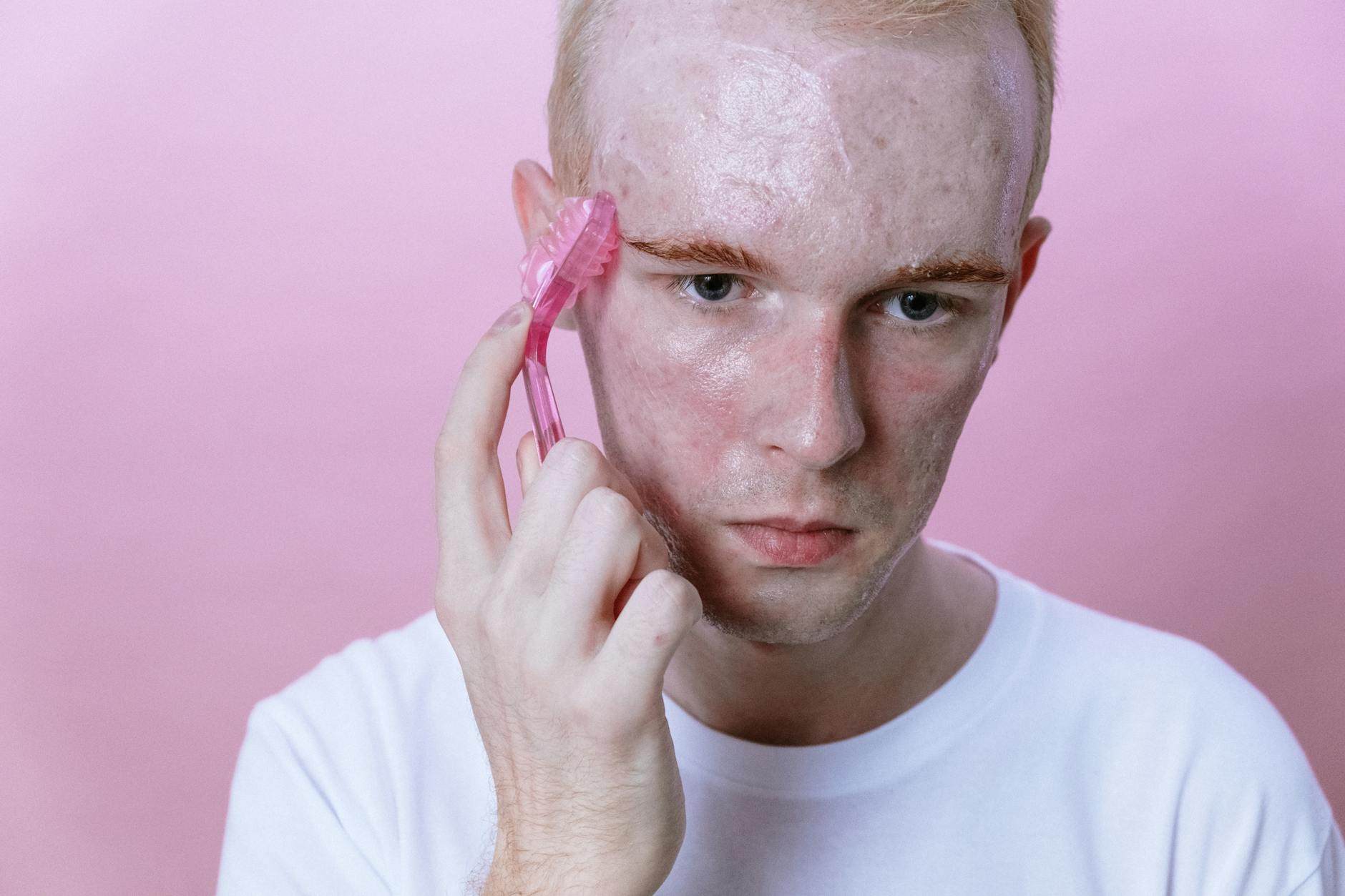
Redness appears first and most noticeably. Your treated skin will look sunburned, ranging from pink to deep red depending on your skin type and the intensity of treatment. This burning sensation feels similar to a moderate sunburn and typically peaks within the first few hours after treatment.
“The immediate redness and burning are signs that the treatment is working to eliminate damaged skin cells.”
Light sensitivity becomes your biggest concern during the first 48 hours. Even indoor lighting can cause discomfort or worsen your symptoms. For example, sitting near a bright window or under fluorescent office lights can intensify burning and prolong redness.
Swelling often develops within hours, especially around the eyes, lips, or areas with thinner skin. This puffiness usually peaks around day two and gradually subsides.
Most immediate effects resolve within 3-5 days, though some redness may linger for up to two weeks. While your skin looks dramatic initially, these temporary changes lead to the clearer complexion you're seeking without causing permanent scarring when you follow proper aftercare instructions.
Common Side Effects During Recovery

Understanding what happens to your skin during PDT recovery helps you prepare for the healing process and avoid unnecessary worry. Most patients experience several predictable side effects that signal your skin is responding properly to treatment.
“These side effects are actually signs that your treatment is working—they show your skin is actively healing and regenerating.”
Peeling and flaking typically begins 2-3 days after treatment and can last up to two weeks. Your skin will shed damaged cells in sheets or small flakes, similar to what happens after Chemical Peels. This process reveals fresh, healthy skin underneath but can feel embarrassing during social situations. Gentle moisturizing helps manage the flaking without interfering with healing.
Crusting and scabbing occur when treated lesions form protective barriers during healing. These crusts may look concerning but protect the new skin forming beneath. Never pick at crusts, as this can lead to scarring—your biggest fear during this vulnerable time.
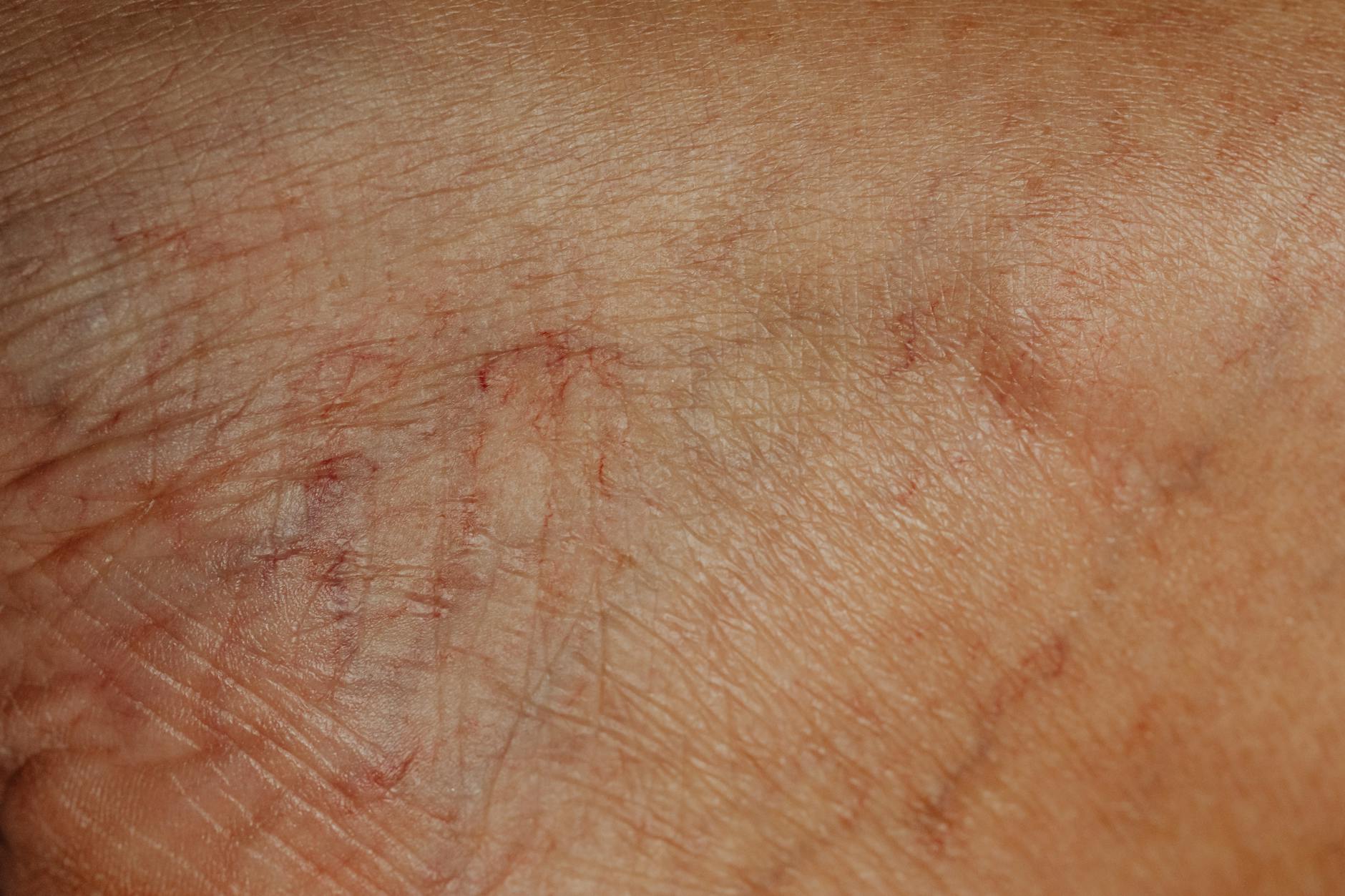
Temporary pigment changes affect most patients. Treated areas may appear darker (hyperpigmentation) or lighter (hypopigmentation) than surrounding skin. Dark spots usually fade within 2-6 months, while light patches may take longer but almost always return to normal color.
Dryness and tightness make your skin feel like it's shrinking. This sensation peaks around day 3-5 and gradually improves as your skin barrier repairs itself. Using gentle, fragrance-free moisturizers several times daily provides relief without disrupting the healing process.
These effects vary in intensity based on your skin type, the treatment area size, and the photosensitizer used during your procedure.
PDT Recovery Timeline: What Happens When
Understanding your PDT recovery timeline helps you plan for treatment and manage expectations during healing. Most patients follow a predictable pattern, though individual recovery speeds vary based on skin type and treatment intensity.
Days 1-3: Initial Reaction Phase
Your skin begins responding immediately after treatment. Expect mild redness similar to a sunburn, with some patients experiencing slight swelling. Your skin may feel tight or sensitive to touch, but serious discomfort remains minimal during this phase.
Days 4-7: Peak Peeling Period
This phase brings the most dramatic changes. Your skin starts peeling extensively, revealing fresh tissue underneath. Many patients worry about permanent scarring during this stage, but the peeling represents normal healing as damaged cells shed away. You might look like you have a moderate sunburn with visible flaking.
Weeks 2-4: Final Healing
New skin emerges pink and slightly sensitive. The dramatic peeling subsides, replaced by gradual improvement in skin texture and tone. Your skin continues strengthening and developing its protective barrier during this period.
Complete Recovery Timeframe
Most patients achieve complete recovery within two to four weeks. For example, a patient treating sun damage on their face typically shows full healing by day 14, while deeper actinic keratosis treatments may require the full four-week timeline. Your dermatologist monitors progress to ensure proper healing without complications.
Essential Post-PDT Care Instructions

Following the right aftercare routine makes the difference between smooth healing and potential complications. Your skin needs specific protection and gentle treatment during this vulnerable phase.
Use broad-spectrum SPF 30 or higher and reapply every two hours when outdoors.
Use a fragrance-free, mild cleanser like Cetaphil or CeraVe with lukewarm water.
Apply an unscented, hypoallergenic moisturizer while your skin is still slightly damp.
Avoid retinoids, exfoliants, and alcohol-based toners for at least one week post-treatment.
Avoid direct sunlight completely for 48 hours after treatment. Even brief exposure can worsen swelling and delay healing. When you must go outside, wear a wide-brimmed hat and protective clothing alongside your sunscreen.
Your skin may feel tight or tender, which is normal. Resist the urge to pick at peeling areas, as this can lead to scarring or infection. Instead, keep the area well-moisturized to minimize discomfort and support natural healing.
Skip makeup for the first 24 hours unless your dermatologist specifically approves it. When you do resume makeup, choose mineral-based products that won't clog pores or irritate sensitive skin. Remove makeup gently with a soft cloth or cotton pad.
When to Contact Your Dermatologist
Most PDT side effects resolve naturally, but certain warning signs require immediate medical attention to prevent complications that could lead to permanent scarring. Contact your dermatologist immediately if you notice yellow or green discharge, red streaking around the treatment area, or foul-smelling drainage—these indicate infection.
Severe, worsening pain that doesn't improve with over-the-counter medication warrants a call. While some discomfort is normal, escalating pain signals potential complications. Watch for unusual discoloration like deep purple or black patches that develop suddenly, as these may indicate tissue damage.
Monitor your healing progress carefully. If treated areas show no improvement after two weeks or continue bleeding beyond the first few days, professional evaluation is necessary. Trust your instincts—any concerning changes deserve prompt medical assessment to ensure optimal healing.
Contact your dermatologist immediately for signs of infection, severe pain, unusual discoloration, or delayed healing beyond two weeks.
Frequently Asked Questions
What does skin look like immediately after PDT treatment?
Your skin will look sunburned, ranging from pink to deep red depending on your skin type and treatment intensity. The redness appears first and most noticeably, with a burning sensation similar to a moderate sunburn that typically peaks within the first few hours. Swelling often develops within hours, especially around the eyes, lips, or areas with thinner skin.
How long does PDT recovery take?
Most immediate effects resolve within 3-5 days, though some redness may linger for up to two weeks. Peeling and flaking typically begins 2-3 days after treatment and can last up to two weeks. The typical healing period is 7-14 days, though individual recovery speeds vary based on skin type and treatment intensity.
Why is my skin peeling after PDT treatment?
Peeling and flaking typically begins 2-3 days after treatment as your skin sheds damaged cells in sheets or small flakes, similar to what happens after chemical peels. This process reveals fresh, healthy skin underneath and is a normal sign that your treatment is working. The peeling can last up to two weeks and should be managed with gentle moisturizing.
How sensitive to light will I be after PDT?
Light sensitivity becomes your biggest concern during the first 48 hours after PDT treatment. Even indoor lighting can cause discomfort or worsen your symptoms, such as sitting near a bright window or under fluorescent office lights. This sensitivity can intensify burning and prolong redness during the initial recovery period.
Will PDT cause permanent changes to my skin color?
Temporary pigment changes affect most patients, with treated areas appearing darker or lighter than surrounding skin. Dark spots usually fade within 2-6 months, while light patches may take longer but almost always return to normal color. These pigment changes are temporary and do not cause permanent scarring when you follow proper aftercare instructions.
Disclaimer: This content is for informational purposes only and does not constitute medical advice. Always consult a qualified healthcare provider before making health decisions.