Quick Verdict: Which Light Therapy is Best?

The right light therapy depends entirely on your specific skin concerns. PDT (photodynamic therapy) delivers the most powerful results for severe actinic keratoses and stubborn acne that hasn't responded to other treatments. This targeted approach prevents the permanent scarring that many patients fear when dealing with persistent breakouts.
“PDT delivers the most powerful results for severe actinic keratoses and stubborn acne that hasn't responded to other treatments.”
IPL (intense pulsed light) excels at treating pigmentation issues, sun spots, and rosacea without the downtime of more aggressive procedures. For those seeking gentle maintenance and mild acne control, LED therapy offers consistent results with zero recovery time.
Your dermatologist will assess your skin type, concern severity, and lifestyle to recommend the most effective option for achieving clear skin quickly.
PDT vs IPL vs LED: Key Differences

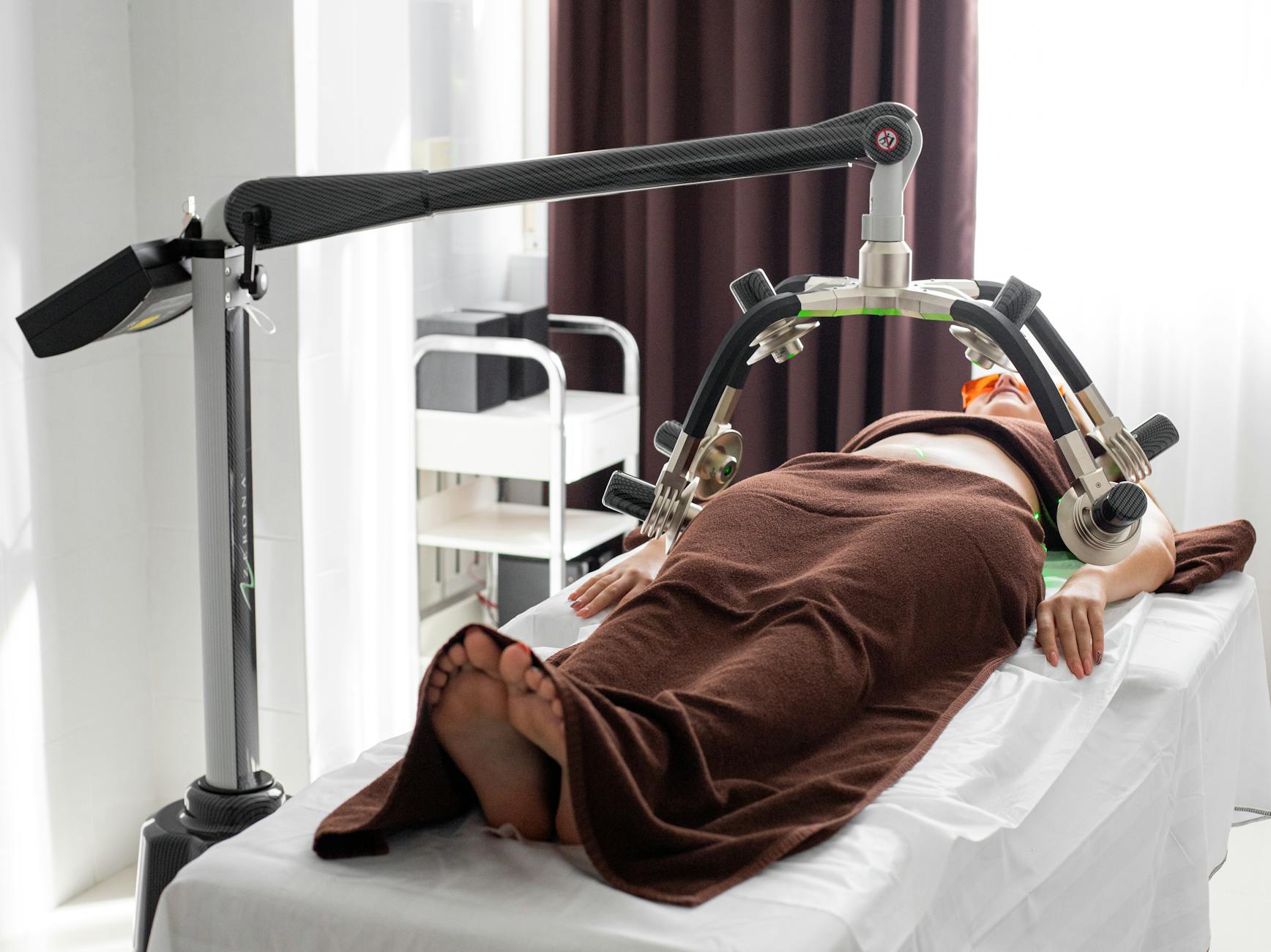
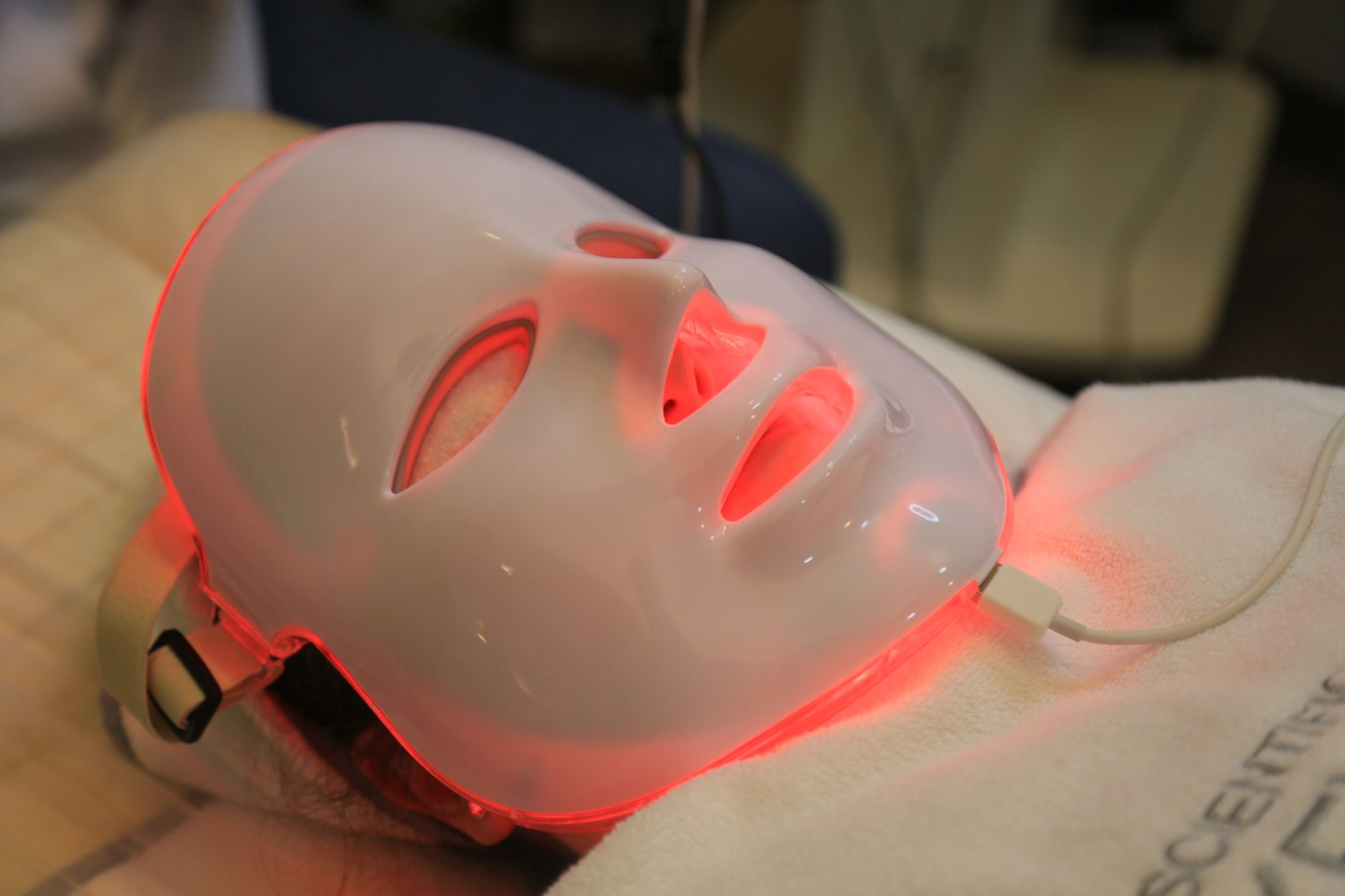
These three light therapies work completely differently under the skin. PDT uses a light-activated medication that destroys targeted cells, making it the most aggressive option. IPL delivers intense broad-spectrum light that heats and destroys damaged tissue. LED therapy uses specific wavelengths to stimulate cellular healing without creating any damage.
“PDT remains the gold standard for severe acne and precancerous lesions because it actually destroys problem cells at their source.”
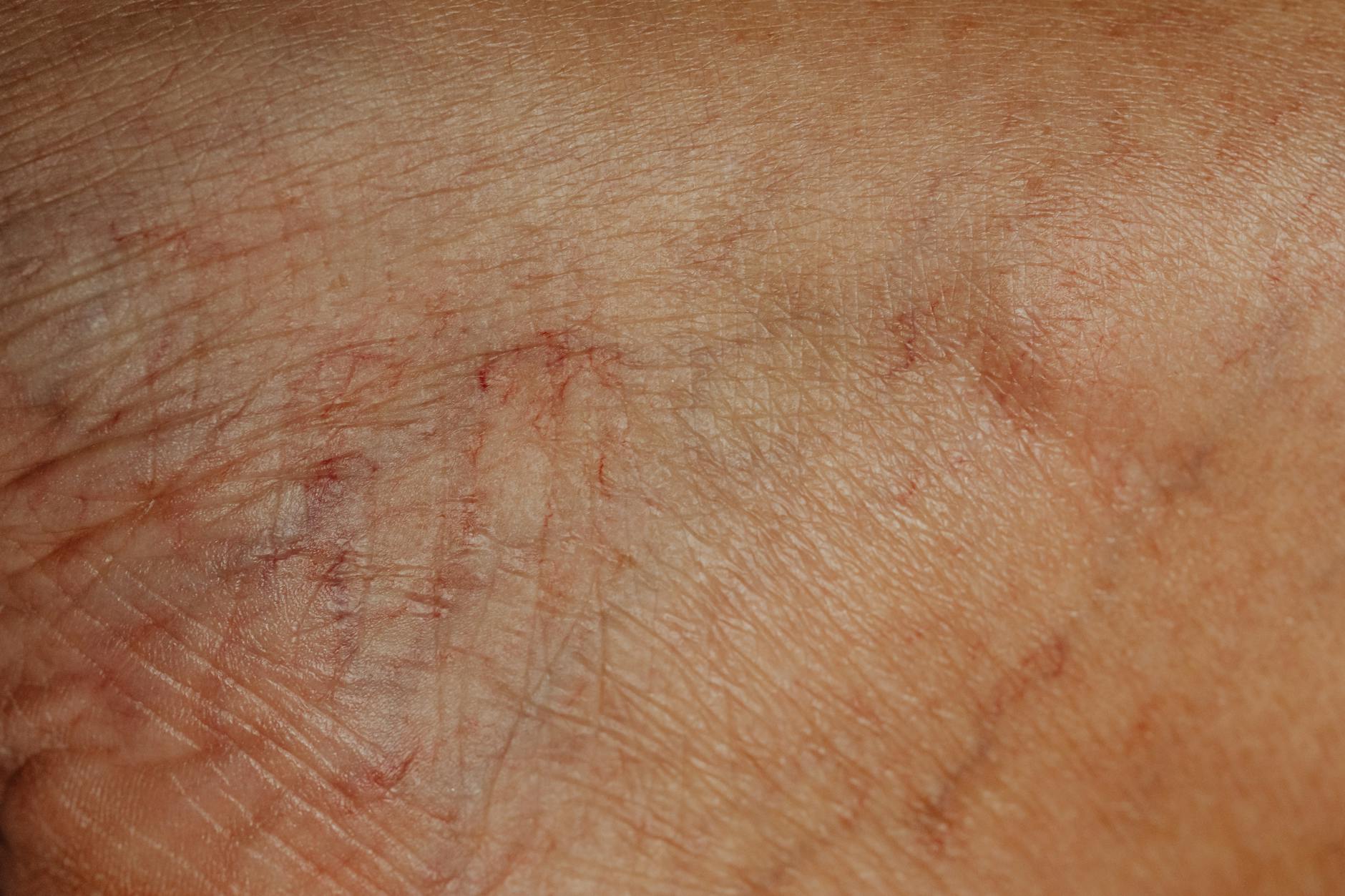
Each treatment excels for different conditions. PDT works best for severe acne, sun damage, and precancerous spots. IPL targets brown spots, redness, and broken blood vessels effectively. LED therapy helps with mild acne and general skin health but won't eliminate existing damage.
Recovery time varies dramatically. PDT requires significant downtime with peeling and sun sensitivity lasting up to two weeks. IPL causes mild swelling and darkening that resolves within days. LED therapy has zero downtime, making it perfect for busy schedules. Cost-wise, PDT runs highest at $300-600 per session, IPL costs $200-400, while LED typically ranges $50-150 per treatment.
How PDT Compares to Other Treatments
PDT stands out from other treatments through its unique photosensitizer advantage. While Chemical Peels use acid treatments that remove damaged skin layers to improve texture and appearance through controlled chemical exfoliation, PDT targets abnormal cells specifically without damaging healthy surrounding tissue.
For actinic keratoses, PDT proves more effective than chemical peels because it destroys precancerous cells completely rather than simply removing surface layers. The photosensitizer ensures only abnormal cells absorb the light, reducing scarring risk that concerns many patients.
PDT beats IPL when treating deeper lesions or widespread sun damage. IPL only penetrates superficially, while PDT's activated photosensitizer works throughout affected tissue. This makes PDT ideal for stubborn acne that hasn't responded to surface treatments, offering hope for clear skin without the harsh recovery of deep chemical peels.
Who Should Choose Each Treatment

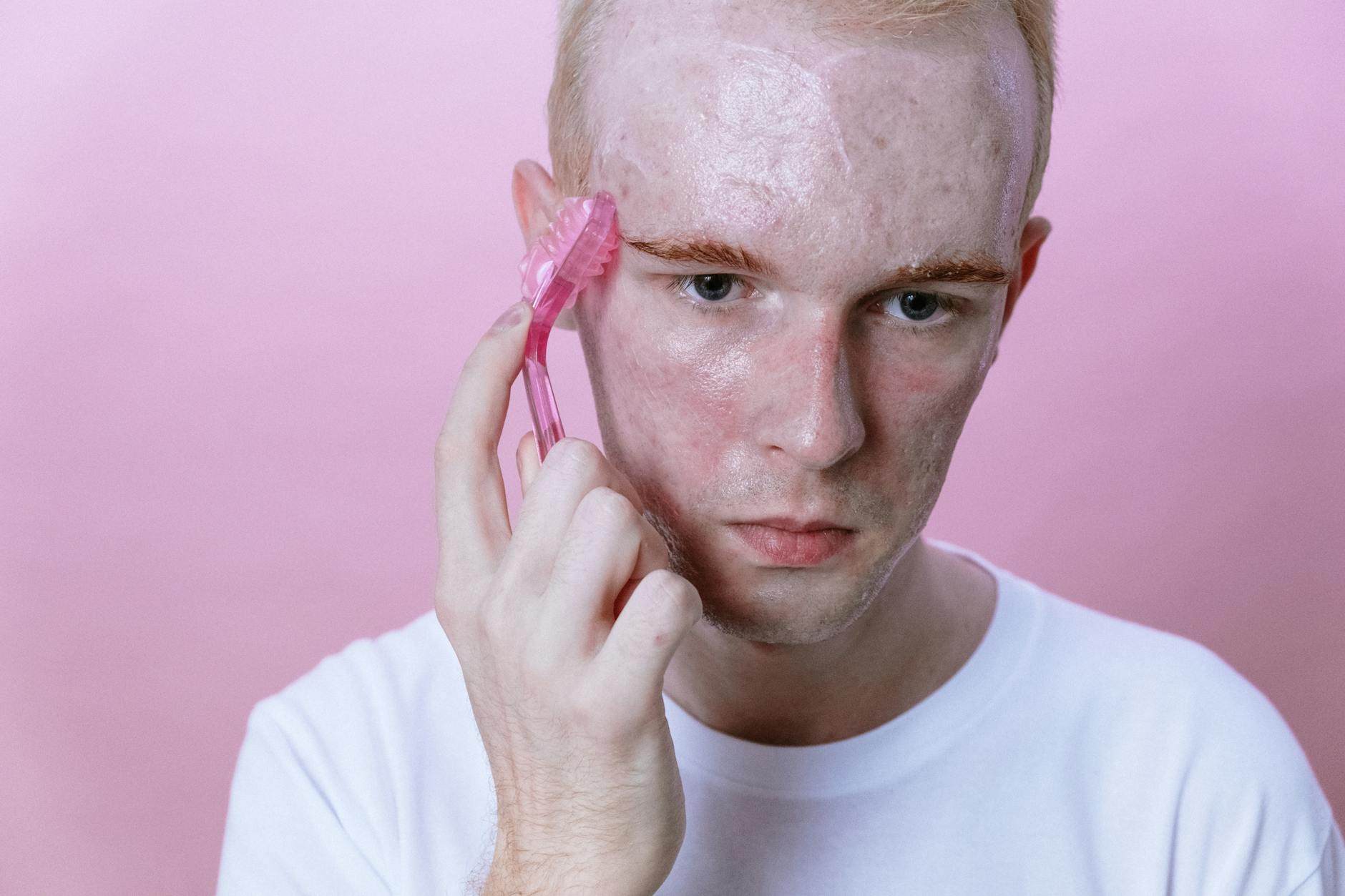
PDT works best for patients with severe sun damage and stubborn acne that hasn't responded to other treatments. If you have precancerous lesions or deep-seated acne, PDT's powerful light activation can target these challenging conditions without causing permanent scarring when performed correctly.
IPL suits patients dealing with pigmentation issues like age spots, melasma, or rosacea symptoms. This gentler approach works well for those who want gradual improvement without significant downtime. For example, someone with scattered sun spots across their face would see excellent results with IPL sessions.
LED therapy benefits patients with sensitive skin or those seeking maintenance after other treatments. It's perfect for teenagers with mild acne or adults wanting to prevent future breakouts. LED's gentle nature makes it ideal for regular use without irritation concerns, helping maintain clear skin long-term.
Making Your Decision
Professional evaluation is essential before starting any light therapy treatment. Your dermatologist will assess your skin type, acne severity, and medical history to recommend the safest, most effective option for your specific needs.
Ask your dermatologist about treatment timelines, potential side effects, and realistic expectations for your skin goals. Inquire about maintenance requirements and whether your insurance covers the procedures.
Your next steps depend on the recommended treatment: PDT patients typically schedule multiple sessions, LED therapy users may start home treatments, and IPL candidates usually begin with patch testing. Remember that proper treatment prevents the permanent scarring you want to avoid while helping achieve the clear skin you're seeking.
Schedule a dermatologist consultation to determine which light therapy will safely deliver the fastest, most effective results for your unique skin concerns.
Frequently Asked Questions
What is the best light therapy for severe acne?
PDT (photodynamic therapy) delivers the most powerful results for severe actinic keratoses and stubborn acne that hasn't responded to other treatments. This targeted approach prevents the permanent scarring that many patients fear when dealing with persistent breakouts. PDT remains the gold standard for severe acne because it actually destroys problem cells at their source.
How long is the recovery time for different light therapies?
Recovery time varies dramatically between light therapies. PDT requires significant downtime with peeling and sun sensitivity lasting up to two weeks. IPL causes mild swelling and darkening that resolves within 24-48 hours, while LED therapy has zero downtime.
What conditions does IPL treat best?
IPL (intense pulsed light) excels at treating pigmentation issues, sun spots, and rosacea without the downtime of more aggressive procedures. It targets brown spots, redness, and broken blood vessels effectively. IPL delivers intense broad-spectrum light that heats and destroys damaged tissue but only penetrates superficially.
How much do different light therapy treatments cost?
Cost varies significantly between light therapy options. PDT runs highest at $300-600 per session due to its aggressive targeting approach. IPL costs $200-400 per treatment, while LED typically ranges $50-150 per session and offers the most budget-friendly option.
Why is PDT more effective than chemical peels for actinic keratoses?
PDT proves more effective than chemical peels for actinic keratoses because it destroys precancerous cells completely rather than simply removing surface layers. The photosensitizer ensures only abnormal cells absorb the light, reducing scarring risk. PDT has an 89% success rate for actinic keratoses and targets abnormal cells specifically without damaging healthy surrounding tissue.
Disclaimer: This content is for informational purposes only and does not constitute medical advice. Always consult a qualified healthcare provider before making health decisions.