Understanding Photodynamic Therapy: The Basics

Photodynamic Therapy (PDT) is a light-activated treatment that uses three components working together: a photosensitizing medication, specific wavelengths of light, and oxygen naturally present in your skin. Unlike traditional treatments that work on the surface, PDT targets problem areas at the cellular level, offering precision that many patients find reassuring when they're concerned about potential damage to healthy skin.
“PDT combines science and light to transform how we treat stubborn skin conditions without the guesswork of one-size-fits-all approaches.”
The process works differently than chemical peels or laser treatments. First, your dermatologist applies a photosensitizing agent to the treatment area. This medication accumulates preferentially in abnormal cells over several hours. When exposed to specific light wavelengths, the medication activates and creates reactive oxygen that destroys targeted cells while leaving surrounding healthy tissue largely untouched.
This targeted approach makes PDT particularly effective for conditions like actinic keratoses, certain types of skin cancer, and severe acne. For example, when treating acne, the photosensitizer accumulates in oil glands and targets acne-causing bacteria, reducing both active breakouts and future inflammation.
What sets PDT apart from other dermatological treatments is its selectivity. The photosensitizing medication preferentially collects in problem cells, meaning healthy skin experiences minimal impact. This precision targeting often appeals to patients who want effective treatment while minimizing unnecessary exposure to surrounding tissue.
PDT requires multiple sessions spaced weeks apart, but this gradual approach allows your skin to heal between treatments while building cumulative benefits over time.
How Photodynamic Therapy Works
Photodynamic therapy operates through a precise three-step process that targets problem cells while leaving healthy skin intact. Think of it as a guided missile system for your skin—it only destroys what needs to go.
Your doctor applies a special medication called a photosensitizer to the treatment area, which absorbs into abnormal cells over several hours.
A specific wavelength of light activates the photosensitizer, creating reactive oxygen that destroys targeted cells.
Only cells containing the photosensitizer are eliminated, preserving surrounding healthy tissue.
The photosensitizer acts like a selective dye that abnormal cells absorb more readily than healthy ones. For actinic keratoses (precancerous spots), damaged cells take up significantly more of the medication. When light hits these loaded cells, it triggers a chemical reaction that produces oxygen molecules called singlet oxygen. These molecules destroy the cell from within.
“PDT selectively targets abnormal cells while preserving healthy tissue, minimizing the risk of scarring.”
This selectivity addresses a major concern many patients have about permanent scarring. Unlike procedures that remove layers of skin indiscriminately, PDT works at the cellular level. For example, when treating sun-damaged areas on your face, the therapy eliminates precancerous cells while leaving normal skin cells untouched. The surrounding healthy tissue remains intact to heal the treated area naturally.
The light source varies depending on your condition. Blue light treats acne by targeting bacteria, while red light penetrates deeper for precancerous lesions. The entire activation process takes just minutes, but the precision of this targeted approach makes PDT particularly effective for widespread sun damage that would be impractical to treat with traditional methods.
Common Skin Conditions Treated with PDT

Photodynamic therapy has proven particularly effective for treating several common skin conditions that often cause embarrassment and concern about permanent damage. Understanding when PDT becomes the recommended treatment can help you make informed decisions about your skin care.
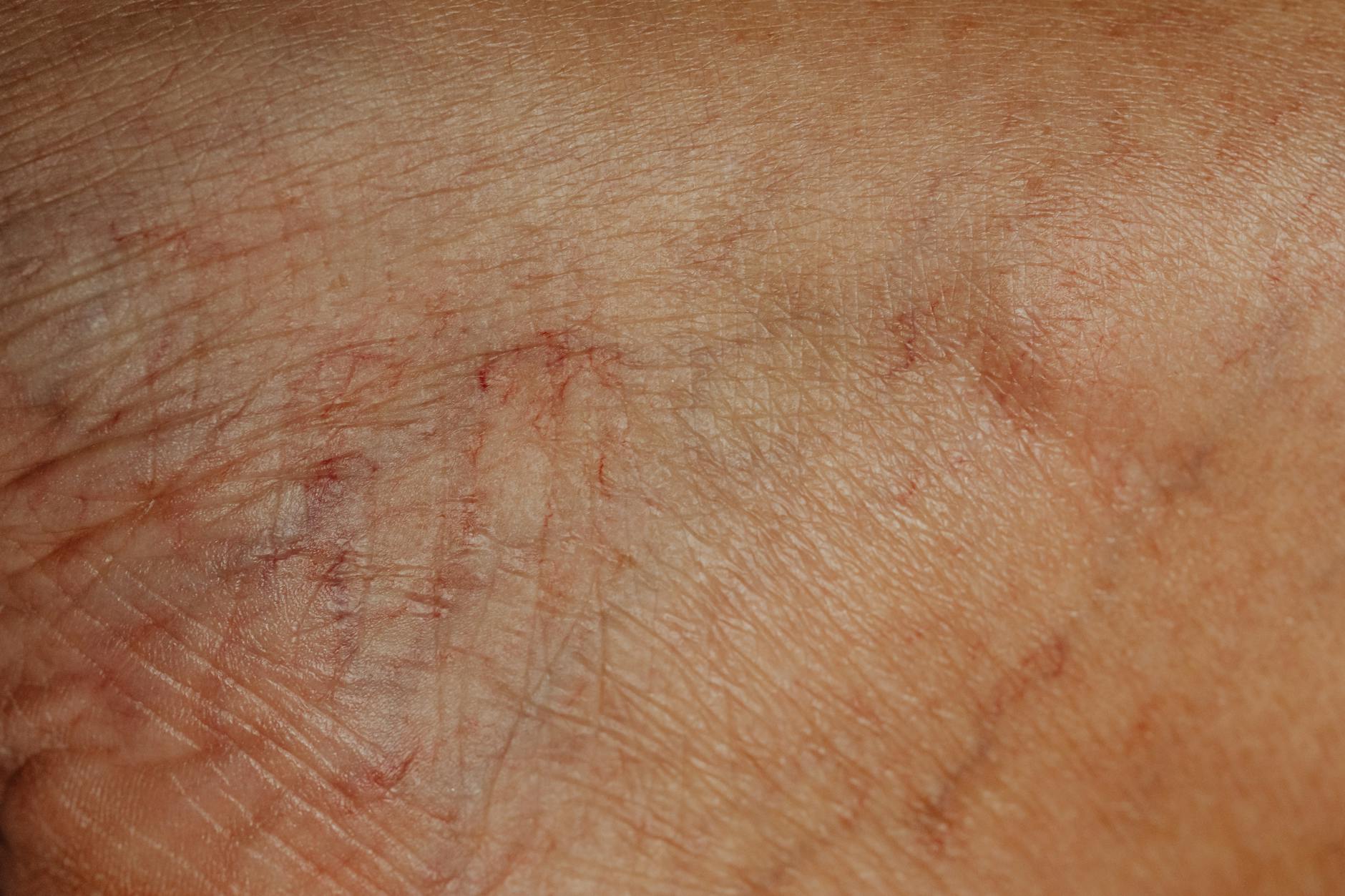
Actinic keratoses represent the most common application of PDT. These rough, scaly patches develop from years of sun exposure and can progress to skin cancer if left untreated. PDT successfully targets multiple lesions simultaneously across large areas like the face, scalp, or hands. Unlike surgical removal that can leave scars, PDT treats the entire affected area while preserving healthy tissue.
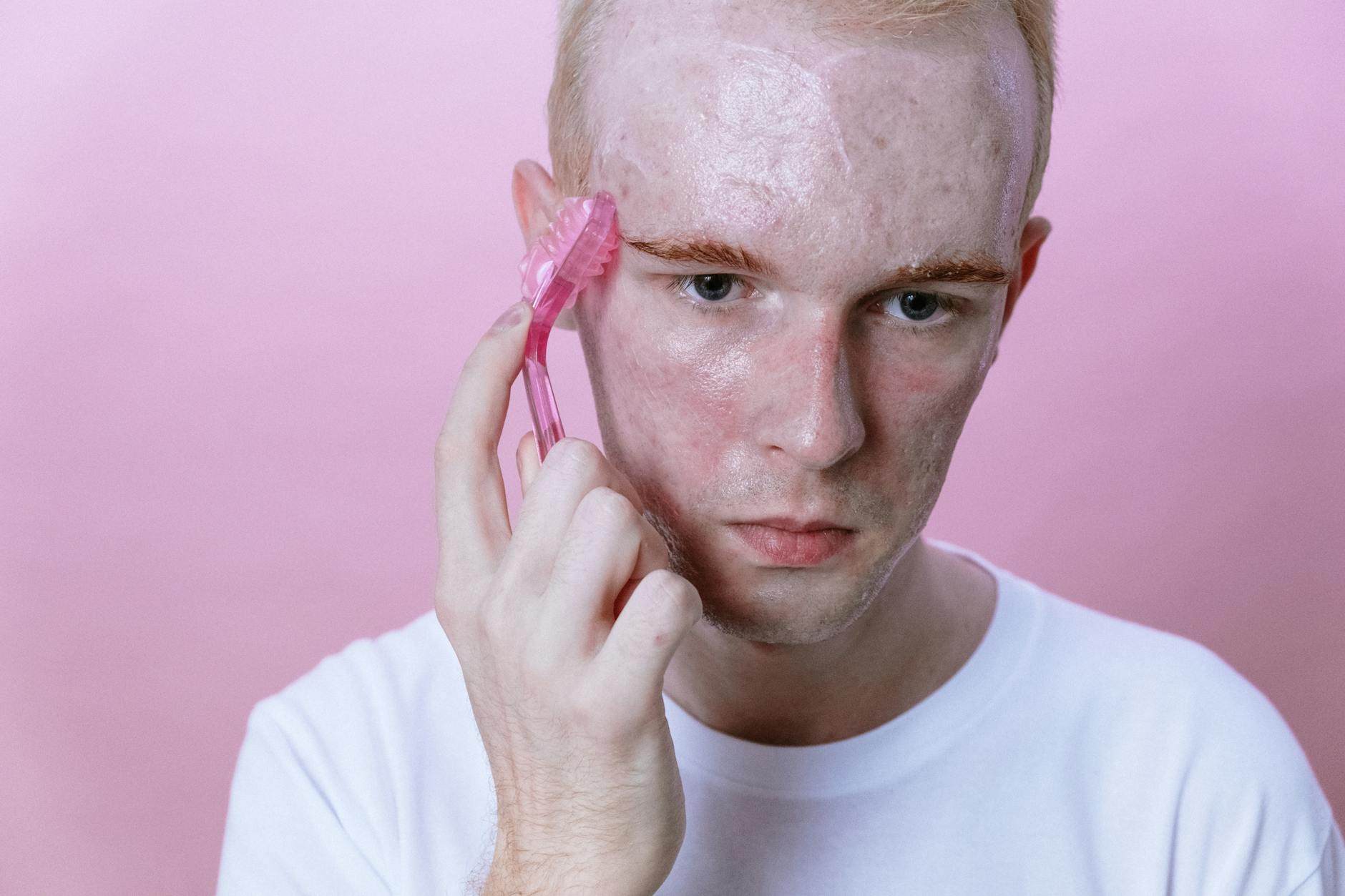
For acne treatment, PDT offers hope for patients who haven't responded to traditional therapies. The light therapy targets oil-producing glands and acne-causing bacteria, reducing both active breakouts and preventing future ones. This approach works especially well for severe cystic acne that tends to cause scarring.
PDT also addresses sun damage and photoaging effectively. The treatment improves overall skin texture, reduces brown spots, and minimizes fine lines by stimulating collagen production. Patients often notice smoother, more even-toned skin after completing their treatment series. For example, someone with extensive sun damage across their chest and shoulders can see significant improvement in skin quality and appearance without the downtime associated with more aggressive procedures.
The PDT Treatment Process
Understanding what happens during PDT helps reduce anxiety about the procedure. The treatment follows a structured approach that takes place in your dermatologist's office over several hours.
Your doctor cleans the treatment area thoroughly and may apply a topical anesthetic to minimize discomfort.
A thin layer of medication is applied to your skin and covered to prevent light exposure.
You wait 1-3 hours for the medication to absorb into targeted cells.
Your doctor exposes the treated area to specific light for 8-20 minutes to activate the medication.
During the preparation phase, your dermatologist removes makeup and cleanses your skin with antiseptic solution. They apply the photosensitizing medication evenly across the treatment area. For actinic keratoses on your face, this might cover your entire forehead and cheeks. The medication appears as a clear or slightly colored gel.
The waiting period feels similar to getting a facial mask. You stay in the office while the photosensitizer penetrates your skin cells. Staff members keep the treatment area covered and dim to prevent premature activation of the medication.
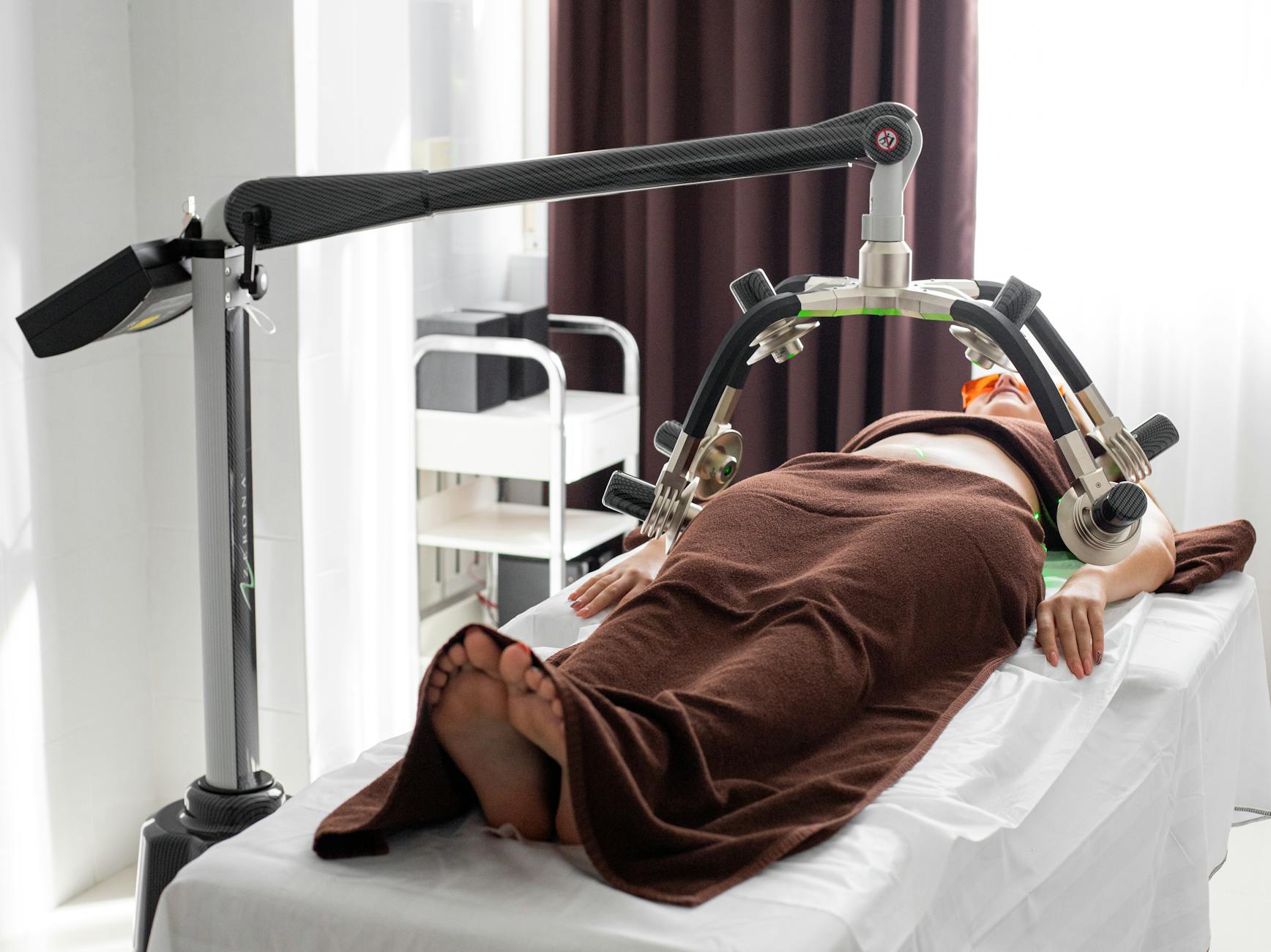
Light exposure creates the therapeutic effect. Your doctor positions the light source precisely over your skin. You might feel warmth or mild stinging during this phase. Some patients describe it as similar to a sunburn sensation. The light activates the medication, which then destroys targeted abnormal cells.
After light treatment, your doctor applies cool compresses and protective ointment. Your skin will appear red and feel tender, similar to a moderate sunburn. This reaction indicates the treatment is working effectively. Your doctor provides specific aftercare instructions and schedules your follow-up appointment to monitor healing progress.
PDT vs Other Skin Treatments
When weighing treatment options for acne, sun damage, or precancerous lesions, you'll likely encounter several approaches. Understanding how PDT compares to these alternatives helps you make informed decisions about your skin care.
Chemical Peels remove damaged skin layers through controlled acid exfoliation, targeting acne scars, fine lines, and pigmentation issues. While effective for surface-level problems, they work broadly across treated areas rather than targeting specific lesions. PDT offers more precision by activating only in cells that absorb the photosensitizing medication, leaving healthy surrounding tissue largely untouched.
The targeted nature of PDT reduces risks of permanent scarring compared to more aggressive treatments. This selectivity makes PDT particularly valuable for treating multiple scattered lesions without affecting the entire face, addressing concerns about social embarrassment during recovery.
PDT becomes the preferred choice when dealing with precancerous actinic keratoses, where precision matters most. For widespread sun damage, chemical peels might prove more practical. When treating active acne with concurrent sun damage, PDT addresses both issues simultaneously through its dual anti-bacterial and photo-rejuvenation effects.
Your dermatologist considers lesion type, skin sensitivity, lifestyle factors, and desired downtime when recommending between treatments. PDT typically requires longer appointment times but often delivers more comprehensive results for complex skin conditions requiring both therapeutic and cosmetic improvement.
What to Expect: Results and Timeline

PDT recovery follows a predictable pattern that helps you plan around treatment. Immediately after your session, your skin will appear red and feel tender, similar to a moderate sunburn. This initial reaction peaks within 24-48 hours and gradually subsides over the following week.
The first week involves peeling and flaking as damaged skin cells shed. While this might look concerning, it signals successful treatment. Most patients see significant improvement in acne lesions within 2-3 weeks, with full results visible after 4-6 weeks. For actinic keratoses, complete clearance often occurs within 1-2 weeks.
Signs of successful treatment include reduced inflammation, fewer active breakouts, and smoother skin texture. Don't worry about temporary dark spots or redness during healing—these fade naturally and rarely cause permanent scarring when you follow aftercare instructions properly.
For optimal results, you'll likely need 2-3 sessions spaced 4-6 weeks apart. For example, severe acne patients often see 70-80% improvement after their second treatment, with continued enhancement over several months as skin cell turnover normalizes.
Is PDT Right for You?
PDT works best for patients with mild to moderate acne who haven't responded well to traditional treatments. You're an ideal candidate if you have persistent breakouts, want to avoid long-term antibiotic use, or seek a treatment that targets both current acne and prevents future scarring.
Consider PDT if you've tried topical treatments for several months without significant improvement, experience frequent breakouts that affect your confidence, or have acne-prone skin that reacts poorly to harsh products. The treatment particularly benefits those with oily skin and enlarged pores.
Before scheduling PDT, ask your dermatologist these essential questions: How many sessions will I need for my specific skin type? What results can I realistically expect after treatment? Are there any medications or skincare products I should avoid before and after sessions? What's the total cost including follow-up care?
Your dermatologist will evaluate your skin condition, medical history, and treatment goals to determine if PDT aligns with your needs. They'll also discuss alternative options if PDT isn't suitable for your specific situation.
Schedule a consultation with a board-certified dermatologist to discuss whether PDT matches your skin concerns and treatment goals.
Frequently Asked Questions
What is photodynamic therapy and how does it work?
Photodynamic therapy (PDT) is a light-activated treatment that uses three components: a photosensitizing medication, specific wavelengths of light, and oxygen naturally present in your skin. The process involves applying a photosensitizer to the treatment area, which accumulates in abnormal cells over several hours. When exposed to specific light wavelengths, the medication activates and creates reactive oxygen that destroys targeted cells while leaving surrounding healthy tissue largely untouched.
What conditions can photodynamic therapy treat?
PDT is particularly effective for treating actinic keratoses (precancerous spots), certain types of skin cancer, and severe acne. For acne treatment, the photosensitizer accumulates in oil glands and targets acne-causing bacteria, reducing both active breakouts and future inflammation. The therapy works well for sun-damaged areas and other conditions where abnormal cells need to be selectively eliminated.
Does photodynamic therapy cause scarring?
PDT minimizes the risk of scarring because it selectively targets abnormal cells while preserving healthy tissue. Unlike procedures that remove layers of skin indiscriminately, PDT works at the cellular level. When treating sun-damaged areas, the therapy eliminates precancerous cells while leaving normal skin cells untouched, addressing major concerns patients have about permanent scarring.
How many PDT sessions are needed for treatment?
PDT requires multiple sessions spaced weeks apart to achieve optimal results. This gradual approach allows your skin to heal between treatments while building cumulative benefits over time. The spacing between sessions is designed to maximize effectiveness while giving your skin adequate recovery time.
Disclaimer: This content is for informational purposes only and does not constitute medical advice. Always consult a qualified healthcare provider before making health decisions.