What Makes Picosecond Laser Effective for Acne Scars

Picosecond laser technology works differently from traditional laser treatments by delivering energy in incredibly short bursts measured in trillionths of a second. These ultra-short pulses create precise mechanical pressure that breaks down scar tissue without generating excessive heat, which means less damage to surrounding healthy skin.
“Picosecond lasers deliver energy so quickly that they shatter scar tissue like a hammer breaking glass, rather than melting it away.”
The rapid energy delivery triggers your skin's natural healing response, stimulating new collagen production in the treated area. This fresh collagen helps fill in depressed acne scars and smooth out uneven skin texture. Your body essentially rebuilds the scarred area with healthier tissue.
Picosecond lasers can target multiple types of acne scars effectively, including rolling scars, boxcar scars, and ice pick scars. The technology adjusts to different scar depths and can treat both shallow surface irregularities and deeper indentations in a single session.
Recovery happens faster compared to traditional laser resurfacing because picosecond technology causes less thermal damage. Most patients experience only mild redness for a few days rather than weeks of downtime, addressing concerns about prolonged healing periods that might affect work or social activities.
Types of Acne Scars That Respond to Picosecond Laser

Picosecond laser treatment works differently on various acne scar types, and understanding which scars respond best helps set realistic expectations for your results.
Ice pick scars are narrow, deep indentations that look like tiny puncture wounds. These respond moderately well to picosecond laser, though multiple sessions are typically needed. The laser stimulates collagen production to gradually fill these deep channels.
“Rolling scars show the most dramatic improvement with picosecond laser treatment because the technology excels at breaking up the fibrous bands that create their wave-like appearance.”
Rolling scars create a wave-like texture across your skin due to fibrous bands pulling downward. Picosecond lasers excel here, breaking apart these restrictive bands while promoting new collagen formation.
Boxcar scars appear as round or oval depressions with sharp edges. These atrophic (sunken) scars respond well to treatment, with shallow boxcar scars showing better results than deeper ones.
The treatment specifically targets atrophic scars (sunken areas) rather than hypertrophic scars (raised bumps). If you're concerned about permanent scarring affecting your confidence, picosecond laser offers hope—though patience is essential as improvement occurs gradually over several months.
The Picosecond Laser Treatment Process for Acne Scars
Understanding what happens during your picosecond laser treatment helps reduce anxiety about the procedure and ensures you know what to expect.
Your dermatologist examines your skin, discusses expectations, and determines the optimal laser settings for your specific scar type.
The treatment area is thoroughly cleansed, and topical numbing cream is applied 30-45 minutes before the procedure begins.
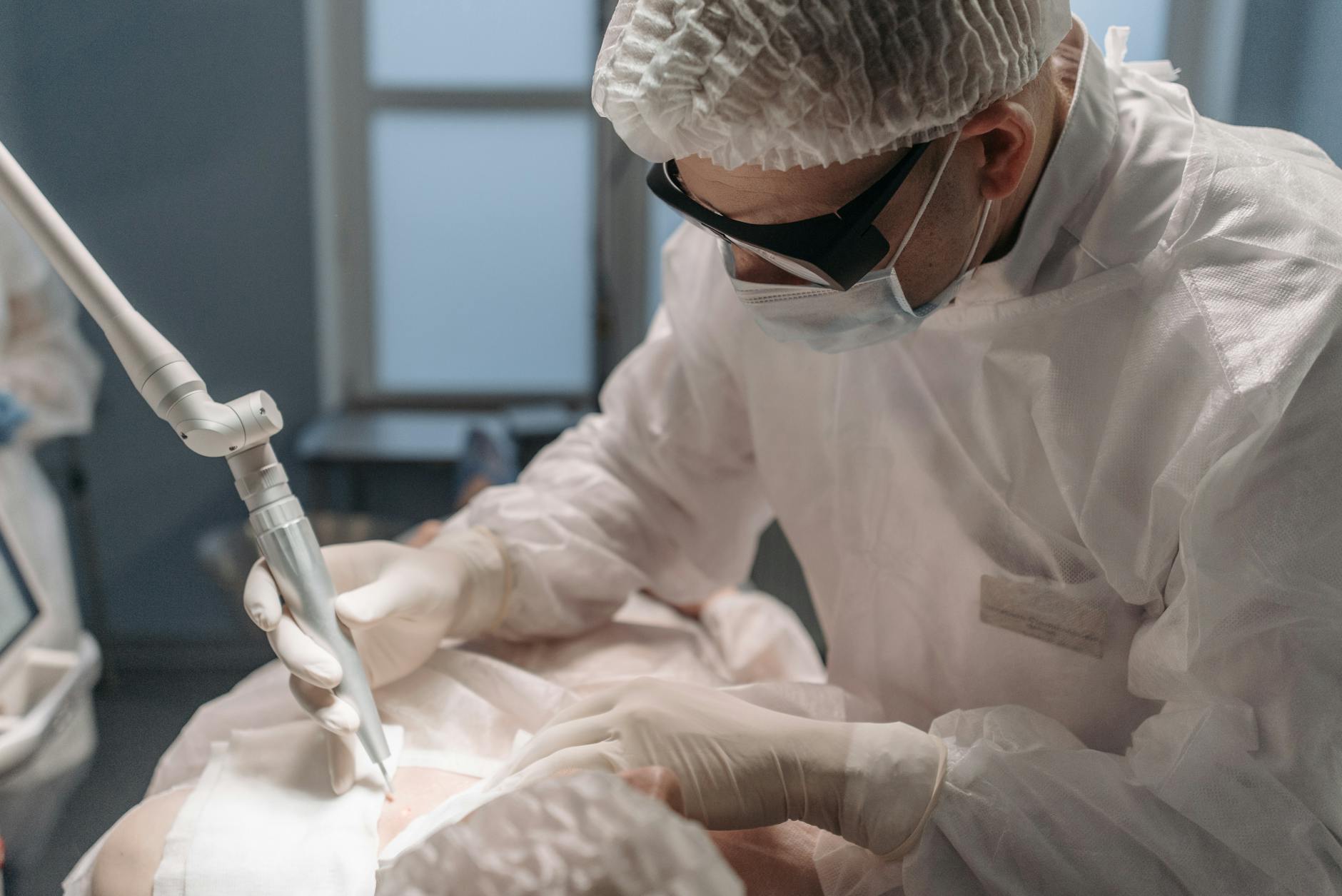
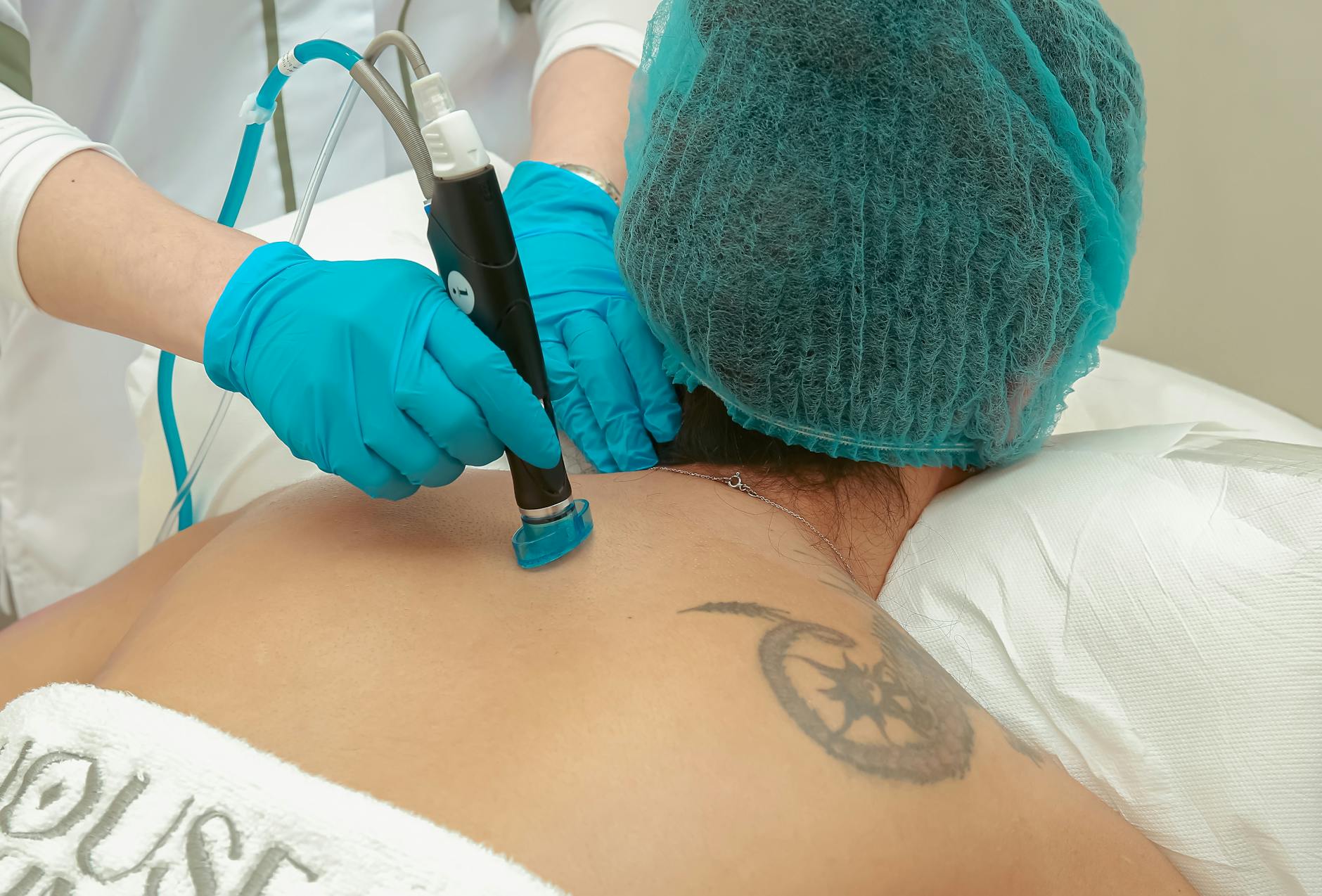
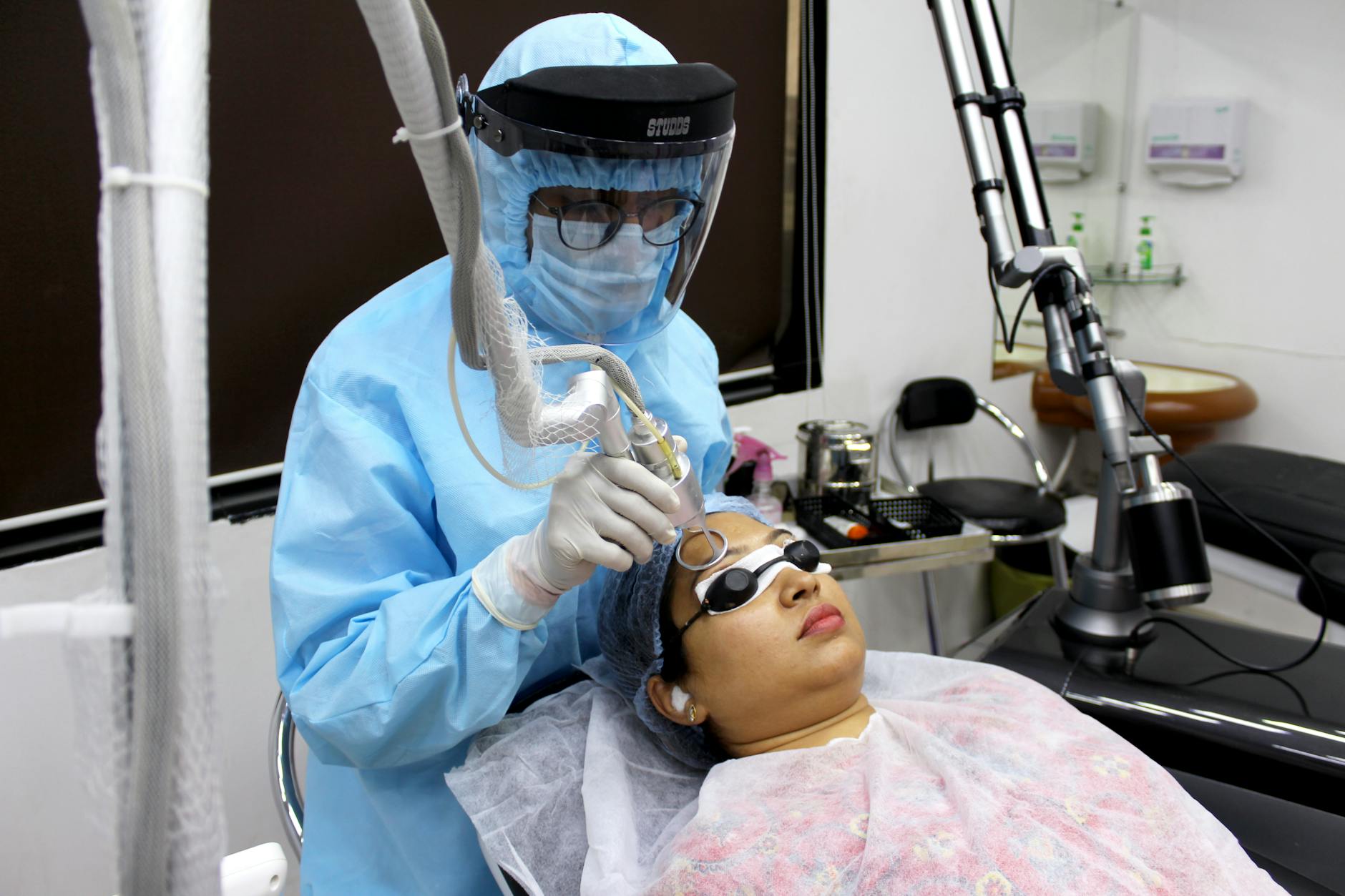
The picosecond laser delivers rapid pulses across the scarred areas, creating controlled micro-injuries that stimulate collagen production.
Cool compresses are applied to reduce heat sensation, and protective sunscreen is provided for your journey home.
Most treatment sessions last between 15-30 minutes, depending on the size and number of areas being treated. You'll hear popping sounds as the laser works, which is completely normal.
The procedure feels like rubber band snaps against your skin, but the numbing cream makes this very manageable. Your skin will appear red immediately after treatment, similar to a mild sunburn, but this typically fades within a few hours.
Rest assured that experienced practitioners take precautions to minimize any risk of additional scarring, which addresses a common concern many patients have about laser treatments.
Results Timeline and What to Expect
Understanding the healing timeline helps set realistic expectations for your picosecond laser treatment journey. Immediately after your session, you'll experience mild redness and swelling that typically subsides within 24-48 hours. Your skin may feel slightly tender, similar to a mild sunburn.
Initial improvements become visible around the 2-3 week mark as your skin completes its natural healing cycle. During this period, old damaged tissue is replaced with fresh, healthier skin cells. However, significant scar improvement requires patience and multiple sessions.
Most patients require 3-6 treatment sessions spaced 4-6 weeks apart for optimal results. Each session builds upon the previous one, gradually improving skin texture and reducing scar depth. Complete results typically emerge 3-6 months after your final session as collagen continues remodeling.
Several factors influence your outcomes, including scar type, skin tone, age, and aftercare compliance. Rolling scars generally respond better than deep ice-pick scars. Younger patients often see faster results due to enhanced healing capacity. Following post-treatment instructions and maintaining consistent sun protection significantly impacts your final results.
Picosecond Laser vs Other Acne Scar Treatments

When choosing acne scar treatments, understanding your options prevents disappointment and helps you make the right decision for your skin type and scar severity.
Picosecond laser offers significant advantages over traditional CO2 laser treatments. While CO2 lasers create controlled wounds that require 7-14 days of downtime and carry higher infection risks, picosecond technology works beneath the skin surface with minimal damage to the top layer. This means you can return to work the next day without the peeling and redness that traditional lasers cause.
Compared to microneedling, picosecond laser penetrates deeper and stimulates collagen more effectively. Microneedling requires 4-6 sessions for noticeable results, while picosecond typically shows improvement after 2-3 treatments.
Chemical Peels remove damaged skin layers through controlled chemical exfoliation but work primarily on surface-level scarring. They're effective for shallow acne marks but cannot address deeper pitted scars that picosecond laser targets.
Choose picosecond laser when you have moderate to severe acne scarring, limited time for recovery, or when other treatments haven't delivered satisfactory results.
Who Is a Good Candidate for Picosecond Acne Scar Treatment
The best candidates for picosecond laser treatment have mild to moderate acne scarring and realistic expectations about results. This treatment works effectively on all skin tones, including darker complexions that may not respond well to traditional laser resurfacing.
Your scars should be at least six months old and your acne should be under control before starting treatment. Active breakouts can interfere with healing and increase infection risk, potentially leading to more permanent scarring.
You're not a good candidate if you're pregnant, taking certain medications like isotretinoin, or have active skin infections. People with unrealistic expectations about instant results should reconsider, as picosecond treatment requires multiple sessions for optimal improvement.
Discuss your medical history thoroughly with your dermatologist to determine if this treatment aligns with your skin goals and health status.
Consult with a board-certified dermatologist to evaluate your specific scar type and skin condition before committing to picosecond laser treatment.
Frequently Asked Questions
How does picosecond laser work for acne scars?
Picosecond laser technology delivers energy in incredibly short bursts measured in trillionths of a second, creating precise mechanical pressure that breaks down scar tissue without generating excessive heat. The rapid energy delivery triggers your skin's natural healing response, stimulating new collagen production in the treated area. This fresh collagen helps fill in depressed acne scars and smooth out uneven skin texture as your body rebuilds the scarred area with healthier tissue.
What types of acne scars can picosecond laser treat?
Picosecond lasers can effectively target multiple types of acne scars, including rolling scars, boxcar scars, and ice pick scars. The treatment specifically targets atrophic (sunken) scars rather than hypertrophic (raised) scars. Rolling scars show the most dramatic improvement because the technology excels at breaking up the fibrous bands that create their wave-like appearance, while boxcar and ice pick scars also respond well though may require multiple sessions.
Is recovery time shorter with picosecond laser compared to other treatments?
Yes, recovery happens faster compared to traditional laser resurfacing because picosecond technology causes less thermal damage to surrounding healthy skin. Most patients experience only mild redness for a few days rather than weeks of downtime. This addresses concerns about prolonged healing periods that might affect work or social activities.
What happens during a picosecond laser treatment session?
The treatment process begins with a pre-treatment consultation where your dermatologist examines your skin and determines optimal laser settings for your specific scar type. The treatment area is thoroughly cleansed, and topical numbing cream is applied 30-45 minutes before the procedure begins. During the actual laser treatment, the picosecond laser delivers ultra-short energy pulses to break down scar tissue and stimulate collagen production.
Disclaimer: This content is for informational purposes only and does not constitute medical advice. Always consult a qualified healthcare provider before making health decisions.