
What is Picosecond Laser Treatment
Comprehensive overview of picosecond laser technology, how it works, and what makes it different from other laser types
Read article →
9 articles
Picosecond laser technology represents one of the most advanced approaches in modern dermatology, delivering ultra-short pulses measured in trillionths of a second. This cutting-edge treatment effectively targets a wide range of skin concerns including tattoo removal, pigmentation issues, and acne scarring with minimal damage to surrounding tissue. The precision and power of picosecond lasers make them a preferred choice for both cosmetic improvements and medical skin treatments.
This section provides essential information about picosecond laser treatments, from understanding the technology to practical considerations like costs and recovery. You'll find detailed guidance on specific applications, treatment comparisons, and step-by-step preparation advice.

Comprehensive overview of picosecond laser technology, how it works, and what makes it different from other laser types
Read article →
Complete guide to using picosecond lasers for safe and effective tattoo removal including treatment process and results
Read article →
How picosecond lasers treat age spots, melasma, and other pigmentation issues with minimal downtime
Read article →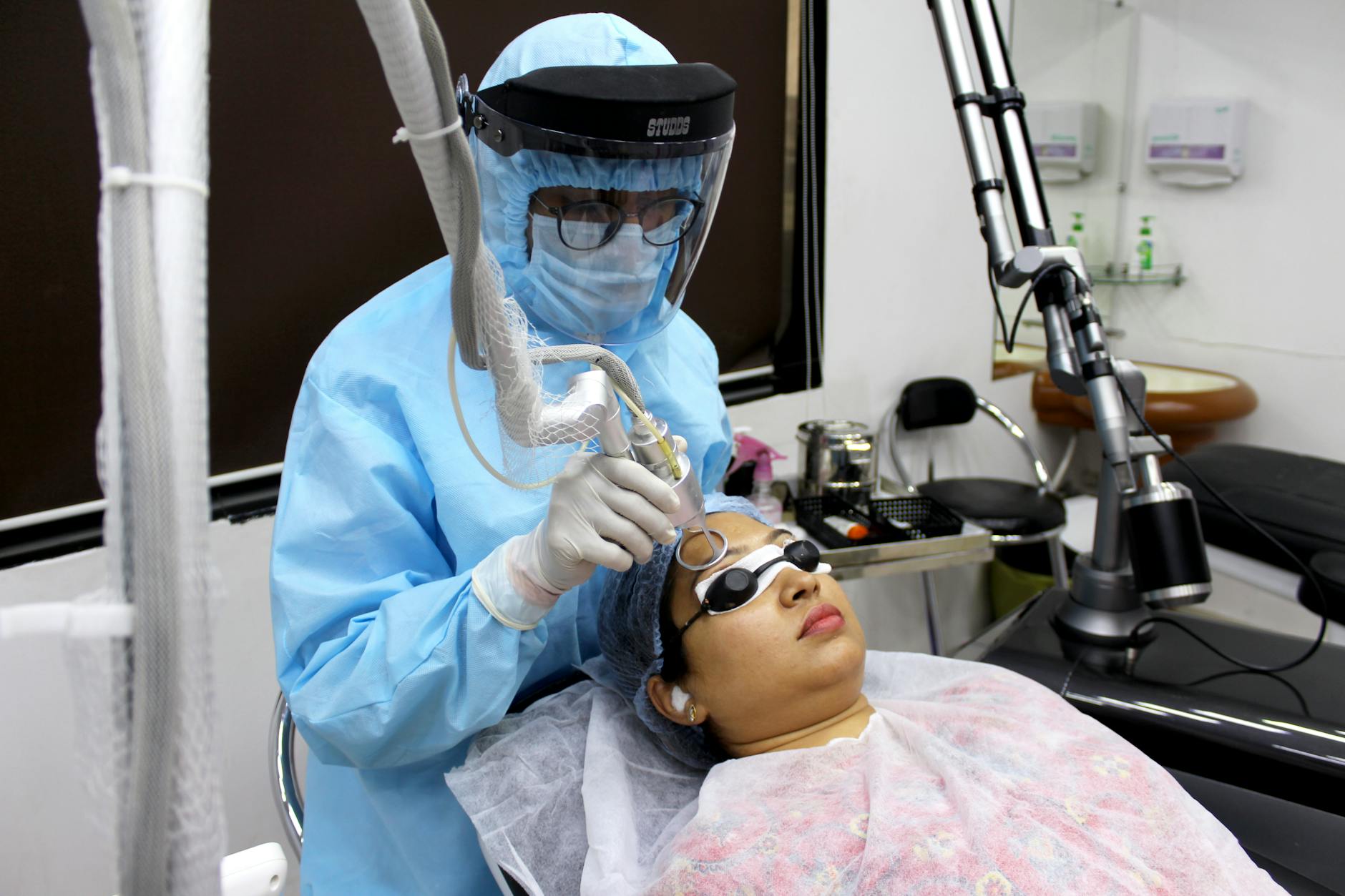
Using picosecond laser technology to improve acne scars and skin texture with faster healing times
Read article →
Detailed breakdown of picosecond laser treatment costs, factors affecting pricing, and financing options
Read article →
Complete guide to potential side effects, recovery timeline, and proper aftercare following picosecond laser treatment
Read article →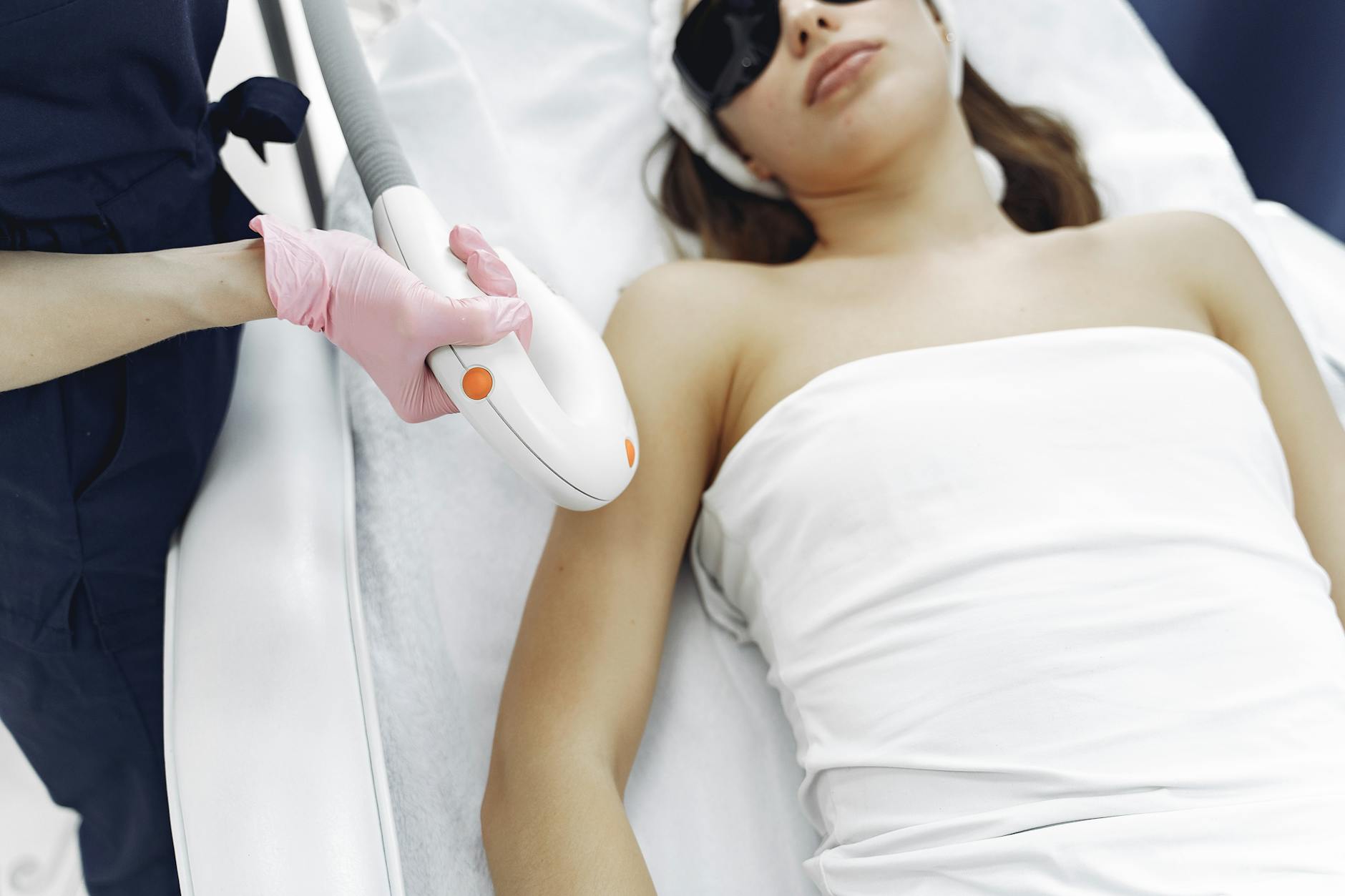
Essential pre-treatment instructions, what to avoid, and how to prepare your skin for optimal results
Read article →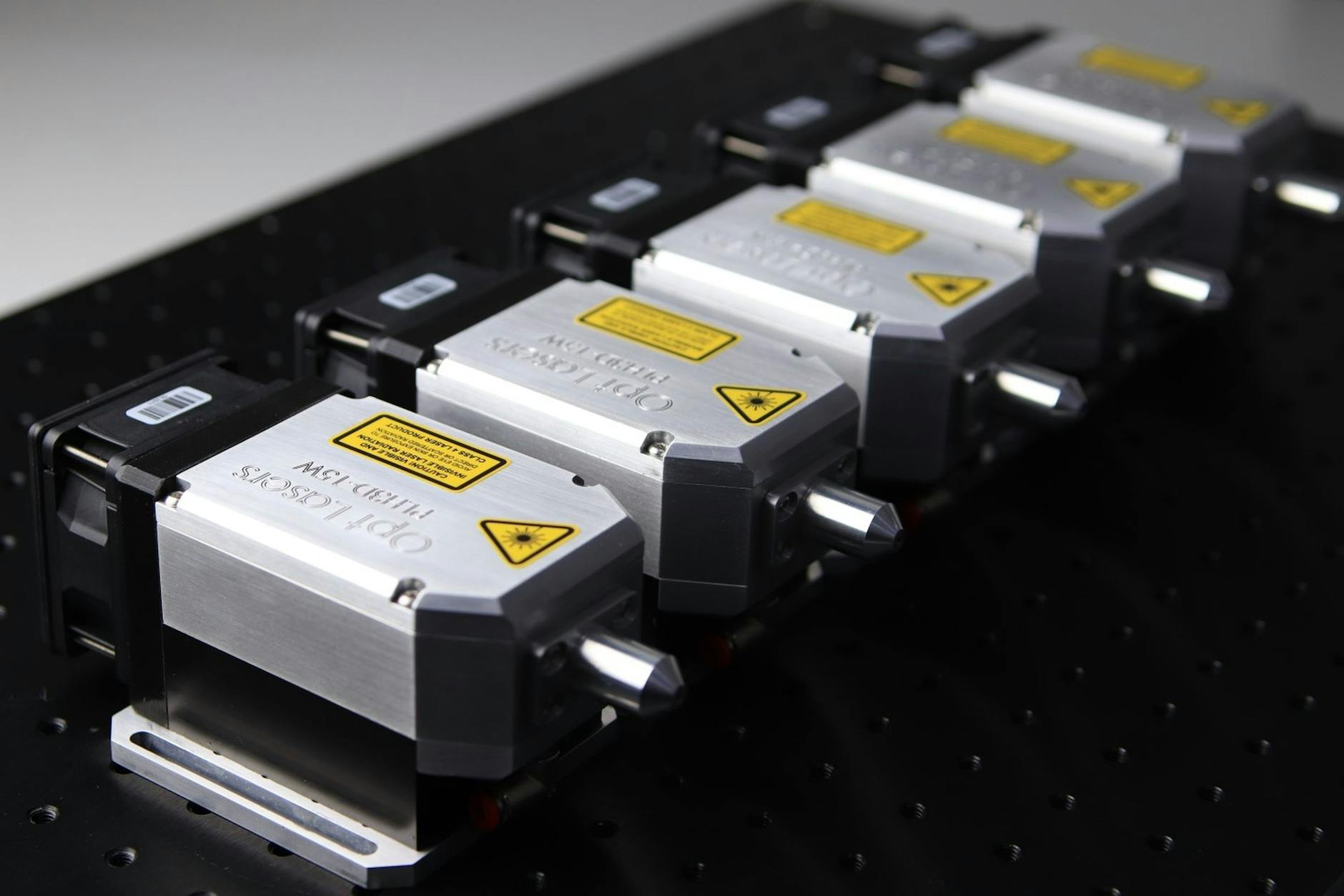
Detailed comparison of picosecond and Q-switched laser technologies for tattoo removal and pigmentation treatment
Read article →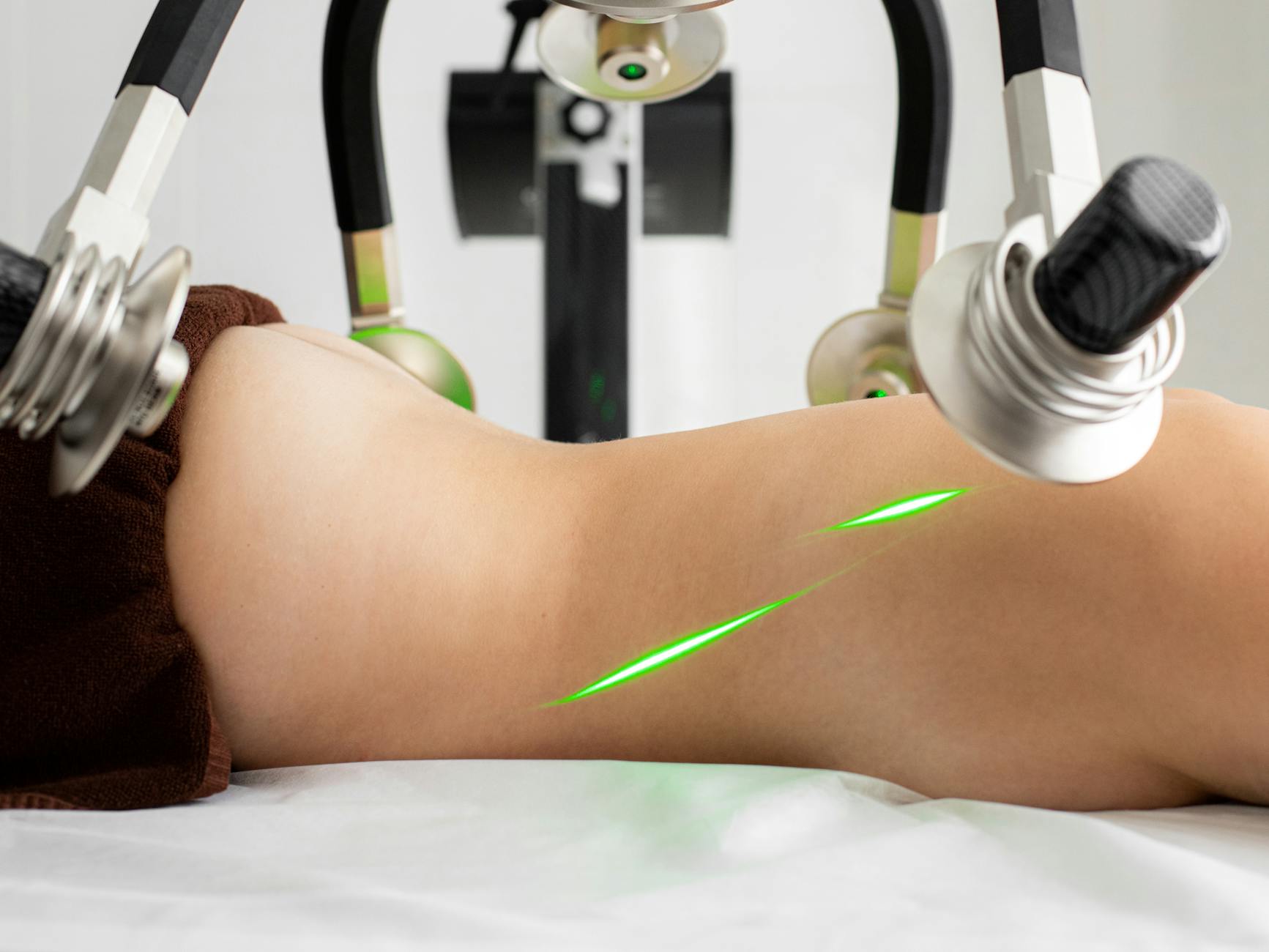
Treatment timeline expectations and factors that determine the number of sessions required for different conditions
Read article →