Picosecond Laser Treatment Cost Breakdown

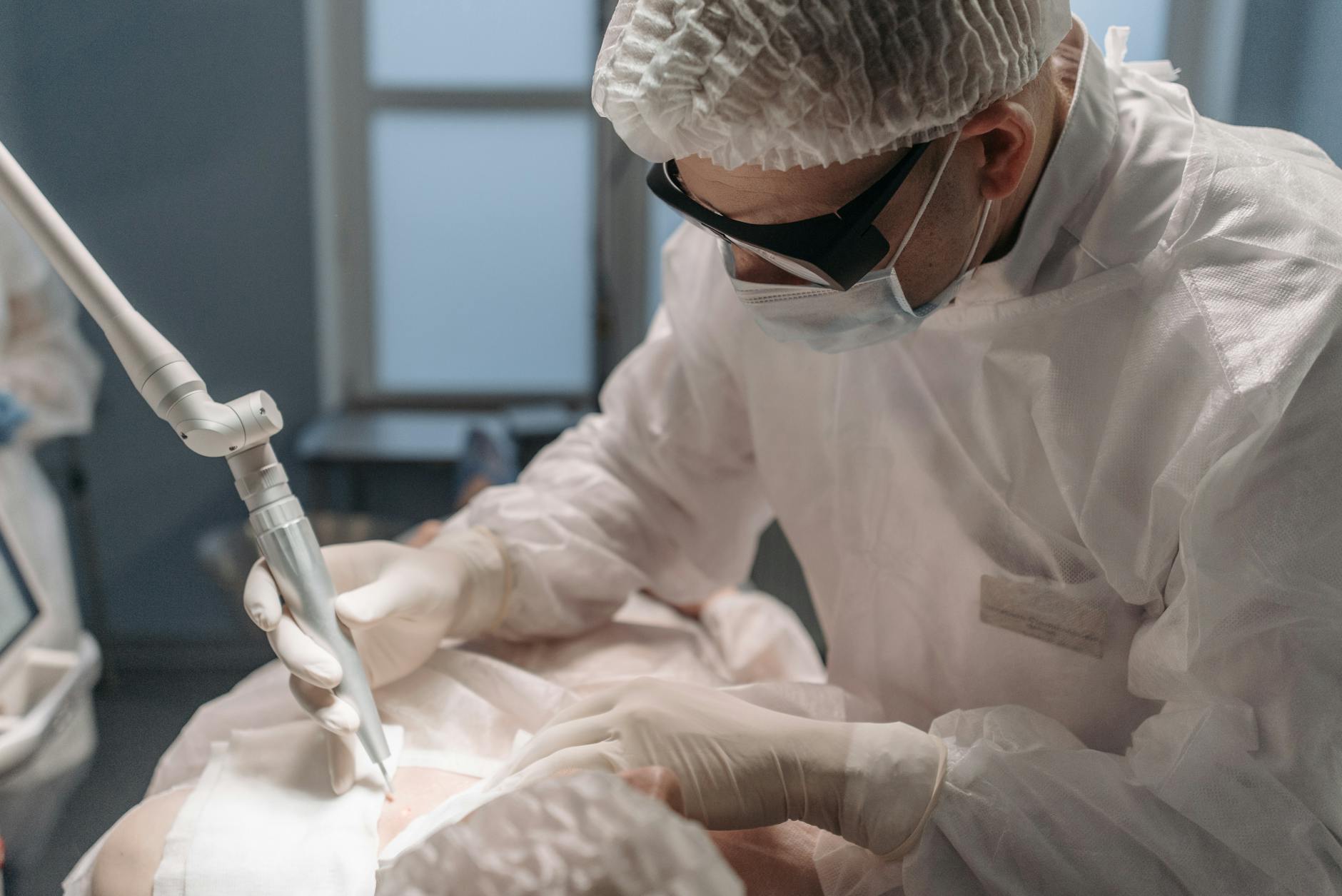
Picosecond laser treatments typically cost between $300 to $800 per session, depending on your location and the size of the treatment area. Most patients need 3-6 sessions spaced 6-8 weeks apart to see significant results.
Your treatment fee includes the laser session, numbing cream, and post-treatment care instructions. Many dermatology clinics offer package deals that reduce costs by 20-25% compared to individual sessions. For example, a four-session package might cost $1,600 instead of $2,000.
"Package deals often provide better value and ensure you complete your full treatment plan for optimal results."
Geographic location significantly affects pricing. Major metropolitan areas like New York or Los Angeles charge $600-800 per session, while smaller cities average $300-500. The advanced technology and proven safety record of picosecond lasers justify these costs for achieving clearer skin without permanent scarring risks.
Factors That Affect Your Treatment Cost

Several key factors determine your final picosecond laser treatment cost. Understanding these variables helps you prepare financially and avoid surprise charges.
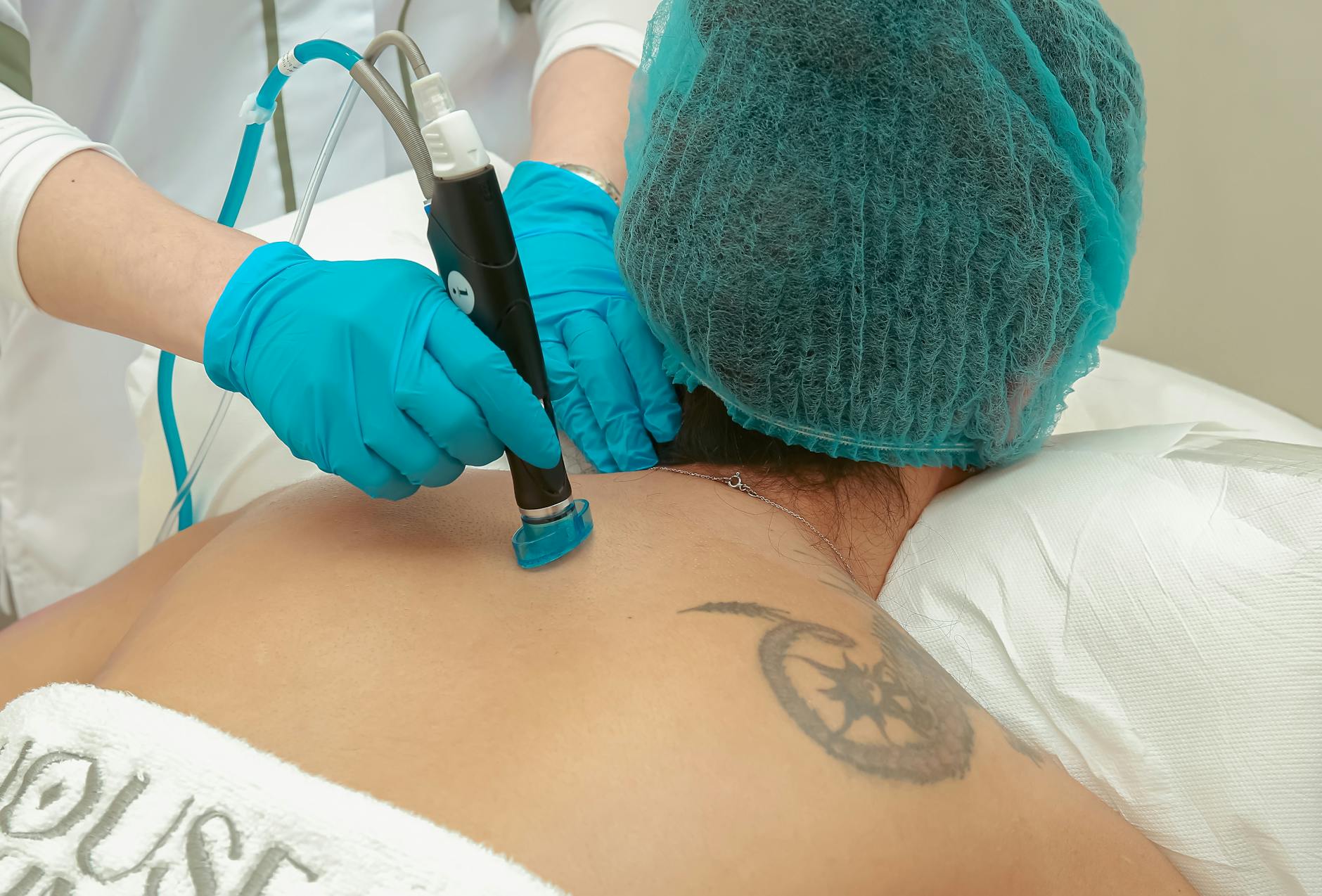
Treatment area size significantly impacts pricing. Removing a small tattoo on your wrist costs far less than treating a full back piece. Similarly, treating acne scars on your forehead differs from addressing full-face pigmentation issues.
“The severity of your condition directly correlates with the number of sessions you'll need.”
Condition severity plays a crucial role in total costs. Deep acne scars or dark tattoos require more sessions than surface-level concerns. Your dermatologist assesses your specific situation during consultation to provide accurate estimates.
Provider expertise and geographic location create notable price variations. Board-certified dermatologists in major cities typically charge premium rates compared to smaller markets. However, experienced providers often deliver better results with lower risk of scarring, making the investment worthwhile for your peace of mind.
How Picosecond Laser Costs Compare to Alternatives
Understanding your treatment options helps you make informed decisions about your skin investment. Picosecond lasers typically cost $400-$800 per session, while traditional Q-switched lasers range from $200-$500 per session. However, picosecond technology often requires fewer treatments, potentially reducing your total investment.
Chemical Peels offer a budget-friendly alternative at $75-$300 per treatment. These acid treatments remove damaged skin layers through controlled chemical exfoliation, addressing acne scars, age spots, and uneven texture. While gentler on your wallet, peels typically require more sessions and provide gradual results compared to laser precision.
Consider long-term value when comparing options. Picosecond lasers target specific concerns with minimal scarring risk, while alternatives may need ongoing maintenance treatments.
Financing and Payment Options

Many dermatology practices offer flexible payment options to make picosecond laser treatments more accessible. Payment plans typically allow you to spread costs over 6-24 months with low or zero interest rates.
Most practices partner with financing companies like CareCredit or Alphaeon Credit, which specialize in medical procedures. These programs often provide promotional rates for qualified patients. Some offices also offer in-house payment plans with smaller monthly installments.
Insurance rarely covers cosmetic laser treatments, but procedures addressing medical conditions like melasma or post-inflammatory hyperpigmentation may qualify for partial coverage. Check with your insurance provider before scheduling.
Package deals can significantly reduce per-session costs. Many clinics offer discounts for purchasing multiple treatments upfront. Start budgeting early and ask about seasonal promotions or first-time patient discounts. This approach helps prevent future scarring concerns while making treatment financially manageable.
Getting the Best Value for Your Investment
Smart planning helps you avoid both overpricing and poor outcomes that could require expensive corrections. During consultations, ask providers about their specific picosecond laser model, how many sessions they typically recommend for your condition, and what results you can realistically expect. Request to see before-and-after photos of patients with similar skin concerns.
Watch for red flags like unusually low prices (which often signal inexperienced operators or outdated equipment), pressure to book immediately, or vague treatment plans. Premium providers charging 20-30% above average rates often justify costs through advanced technology, extensive experience, and comprehensive aftercare that reduces complication risks.
Follow all post-treatment instructions carefully to maximize each session's effectiveness. Proper sun protection, gentle skincare, and attending follow-up appointments prevent setbacks that could require additional treatments. Skipping one $150 session due to poor healing can cost you $500 in extra treatments later.
Invest in experienced providers who offer transparent pricing and realistic timelines to minimize your total treatment costs.
Frequently Asked Questions
How much does picosecond laser treatment cost per session?
Picosecond laser treatments typically cost between $300 to $800 per session, depending on your location and the size of the treatment area. The average cost per session is around $500. Geographic location significantly affects pricing, with major metropolitan areas like New York or Los Angeles charging $600-800 per session, while smaller cities average $300-500.
How many sessions do you need for picosecond laser treatment?
Most patients need 3-6 sessions spaced 6-8 weeks apart to see significant results. The typical number of sessions needed is 4. The severity of your condition directly correlates with the number of sessions you'll need, as deep acne scars or dark tattoos require more sessions than surface-level concerns.
Are package deals available for picosecond laser treatments?
Yes, many dermatology clinics offer package deals that reduce costs by 20-25% compared to individual sessions. For example, a four-session package might cost $1,600 instead of $2,000. Package deals often provide better value and ensure you complete your full treatment plan for optimal results.
How does picosecond laser cost compare to other treatments?
Picosecond lasers typically cost $400-$800 per session, while traditional Q-switched lasers range from $200-$500 per session. However, picosecond technology often requires 30% fewer sessions, potentially reducing your total investment. Chemical peels offer a budget-friendly alternative at $75-$300 per treatment, but typically require more sessions and provide gradual results compared to laser precision.
What factors affect picosecond laser treatment cost?
Several key factors determine your final treatment cost including treatment area size, condition severity, provider expertise, and geographic location. Treatment area size significantly impacts pricing, as removing a small tattoo costs far less than treating a full back piece. Provider expertise and location create notable price variations, with board-certified dermatologists in major cities typically charging premium rates.
Disclaimer: This content is for informational purposes only and does not constitute medical advice. Always consult a qualified healthcare provider before making health decisions.