Understanding Picosecond Laser for Pigmentation

Picosecond laser technology represents a breakthrough in pigmentation treatment, delivering ultra-short pulses of laser energy measured in trillionths of a second. This incredible speed creates powerful photoacoustic waves that shatter pigment particles into microscopic fragments, allowing your body's natural healing process to clear them away safely.
“Picosecond lasers work so quickly that they minimize heat damage to surrounding skin, reducing your risk of scarring while maximizing results.”
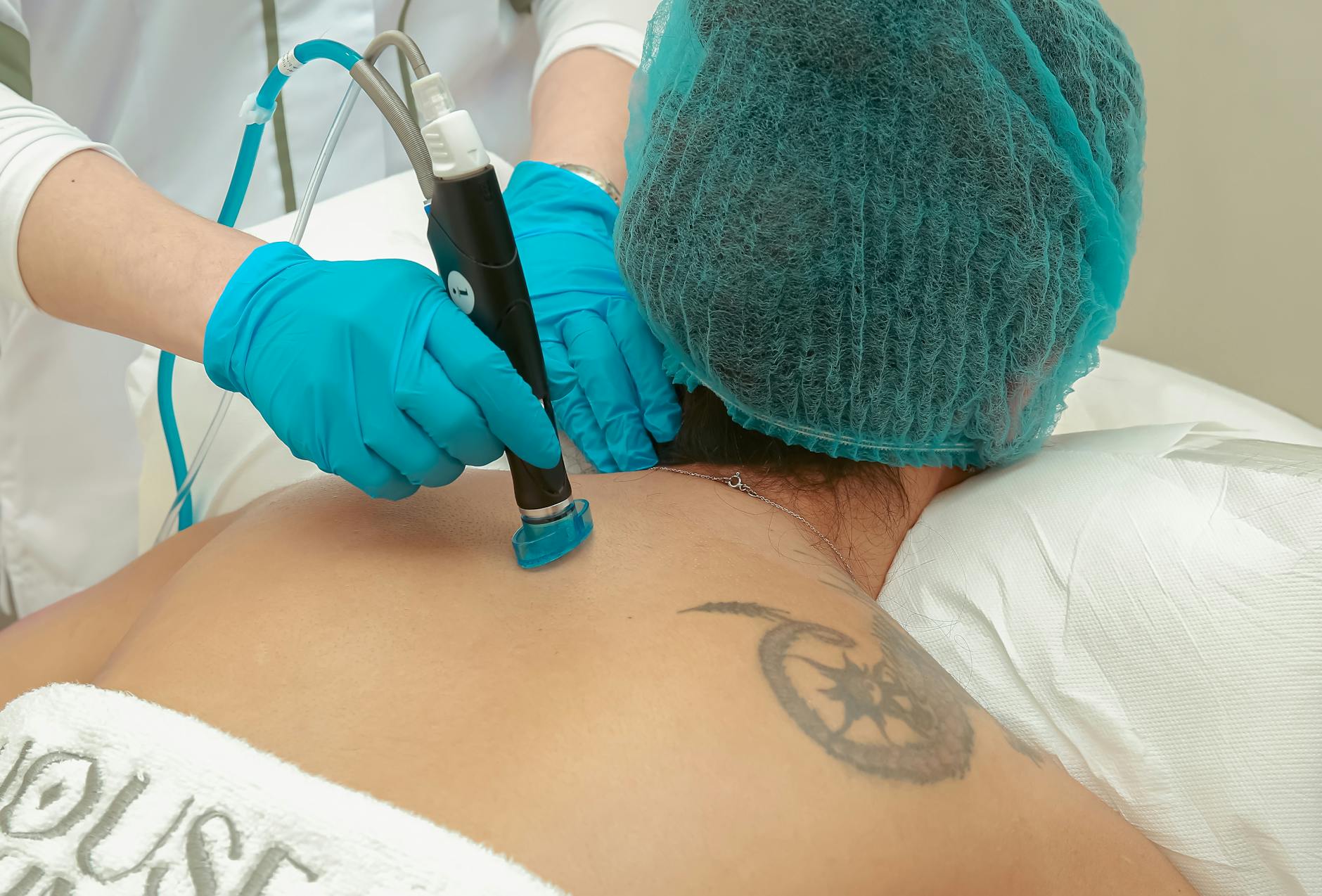
These advanced lasers effectively treat multiple types of pigmentation including melasma, age spots, sun damage, post-inflammatory hyperpigmentation from acne, and even stubborn tattoo ink. The technology works on both superficial and deeper pigment deposits that older lasers often miss.
Compared to traditional nanosecond lasers, picosecond technology operates 1,000 times faster. This speed advantage means less heat buildup in your skin tissue, which translates to reduced discomfort during treatment and faster healing afterward. Most patients see noticeable improvement within 2-4 sessions, with many achieving their desired results in half the time required by older laser systems.
The precision targeting also means healthier skin cells remain largely unaffected, preserving your skin's natural texture while eliminating unwanted pigmentation.
Types of Pigmentation Treated

Picosecond laser technology effectively targets several common pigmentation concerns that often cause social discomfort and self-consciousness. The laser works by breaking down pigment particles into microscopic fragments that your body can naturally eliminate, making it suitable for various skin conditions.
Age spots and sun damage respond exceptionally well to picosecond treatment. These brown patches, typically found on hands, face, and chest, develop from years of UV exposure. The laser precisely targets the melanin clusters without affecting surrounding healthy skin, reducing the risk of permanent scarring that many patients worry about.
“Picosecond laser technology breaks down pigment particles into microscopic fragments that your body can naturally eliminate.”
Melasma, those stubborn patches often triggered by hormones or pregnancy, presents a more complex challenge but still shows significant improvement with picosecond treatment. Post-inflammatory hyperpigmentation from acne, cuts, or other skin trauma also responds well, helping restore even skin tone.
Freckles and café-au-lait spots can be effectively lightened or eliminated. For example, a patient with extensive freckling from childhood sun exposure might see 70-80% improvement after a complete treatment series. The precision of picosecond technology means you can target specific spots while preserving your natural skin texture and minimizing downtime.
The Treatment Process: What to Expect
Understanding each step of picosecond laser treatment helps reduce anxiety and prepares you for the experience. The process follows a structured approach designed for both safety and effectiveness.
Your dermatologist examines your skin type, pigmentation severity, and medical history to create a personalized treatment plan.
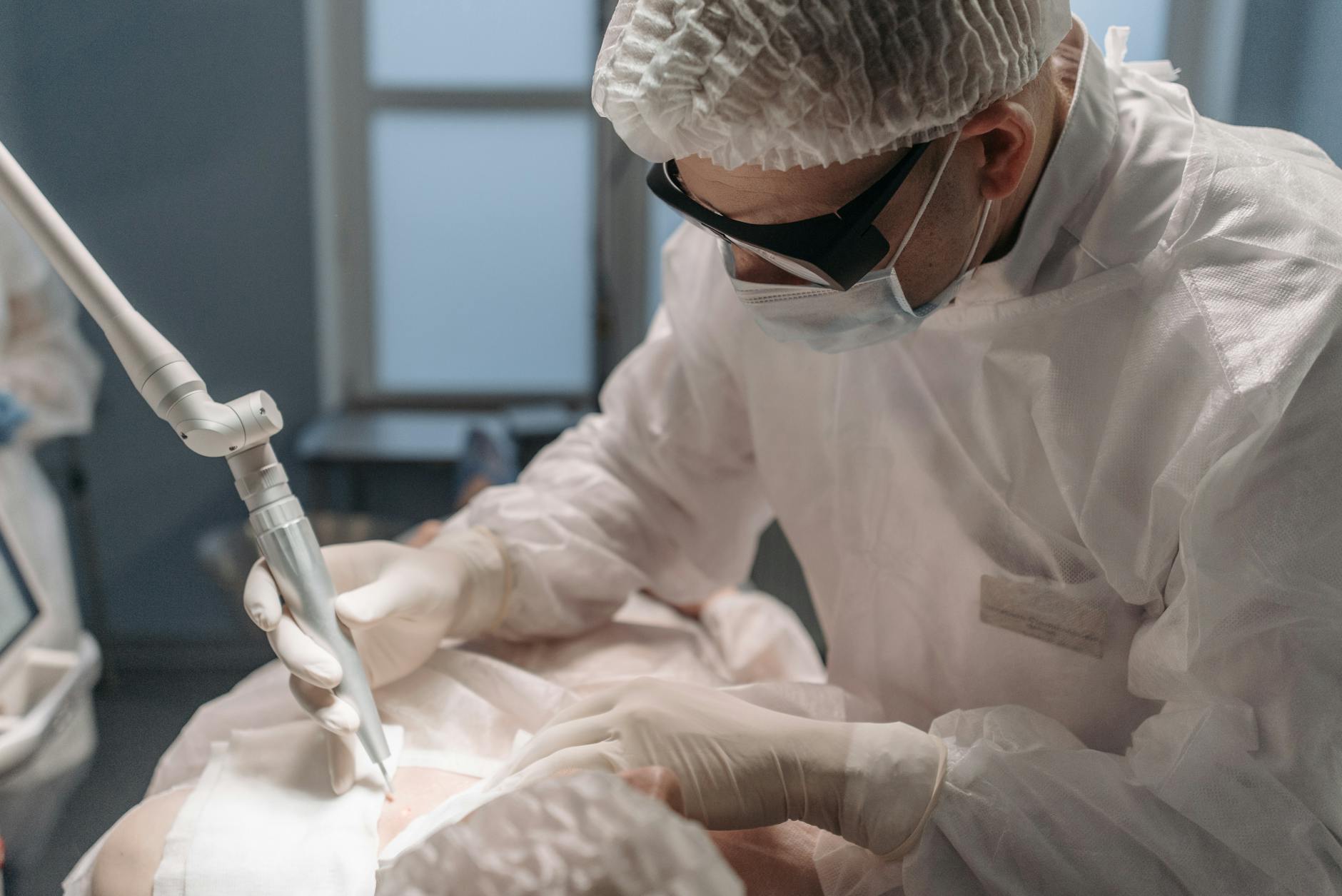
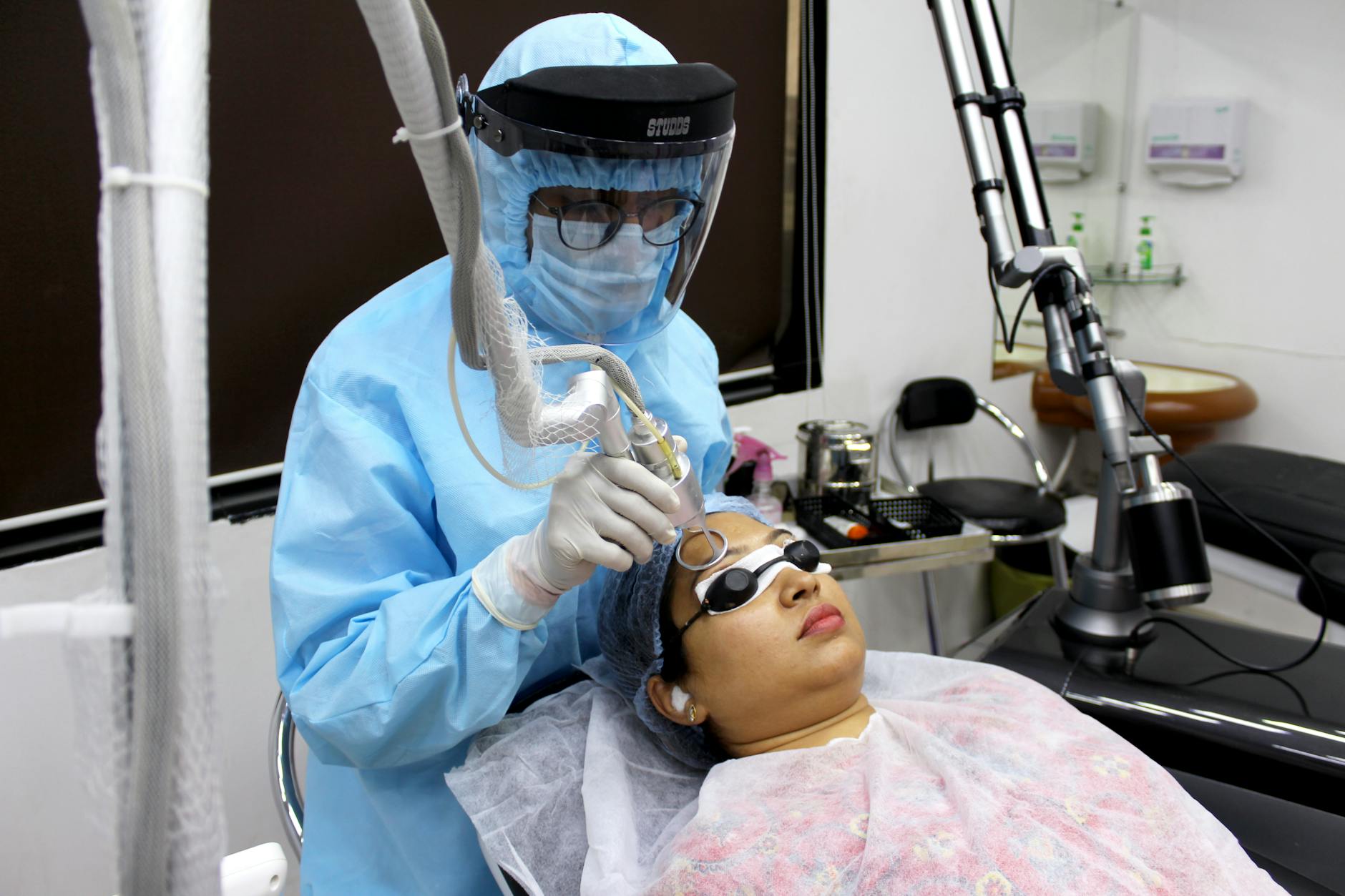
The treatment area is cleansed and protective eyewear is provided before the laser session begins.
Short pulses target pigmented areas with minimal discomfort, typically described as rubber band snaps against the skin.
Cooling gel or ice packs soothe the treated area, and aftercare instructions are provided.
Most sessions last 15-30 minutes depending on the treatment area size. You might notice immediate darkening of pigmented spots, which is normal and indicates the laser is working effectively.
The treated pigmentation typically flakes off within 7-14 days, revealing clearer skin underneath. Modern picosecond technology minimizes scarring risks when performed by qualified practitioners, addressing common patient concerns about permanent damage.
Full results become visible after 2-4 weeks, though some conditions require multiple sessions spaced 4-6 weeks apart for optimal clearance.
Comparing Treatment Options
When addressing pigmentation concerns, you have several treatment paths to consider. Picosecond lasers represent the newest technology, but understanding how they compare to established options helps you make the right choice for your skin.
Chemical Peels use acid solutions to remove damaged skin layers through controlled exfoliation. These treatments work well for surface-level pigmentation, fine lines, and uneven texture. However, they require multiple sessions and carry risks of uneven results or temporary darkening in darker skin tones. The recovery involves visible peeling for several days, which some patients find socially challenging.
Picosecond lasers offer superior precision by targeting specific pigment particles without affecting surrounding tissue. This accuracy reduces the risk of permanent scarring that concerns many patients. The treatment works faster than traditional methods and suits all skin types safely.
Combination approaches work best for complex cases. Your dermatologist might recommend starting with laser treatment for deep pigmentation, then maintaining results with gentler peels. This strategy maximizes effectiveness while minimizing risks and downtime.
Results and Recovery Timeline

Immediately after your picosecond laser session, your skin will appear red and slightly swollen, similar to a mild sunburn. This reaction is completely normal and shows the treatment is working. The targeted pigment areas may look darker initially as the broken-down melanin rises to the surface.
During the first week, treated spots may appear darker before they begin flaking off naturally. Resist the urge to pick at these areas, as this prevents scarring and ensures optimal healing. Your skin will shed the damaged pigment gradually over 7 to 14 days.
Most patients notice initial improvements after their first session, with pigmentation appearing lighter within two weeks. However, complete results typically require 3 to 6 sessions spaced 4 to 6 weeks apart. Deeper pigmentation like melasma often needs more treatments than surface-level sun spots.
Several factors influence your results timeline. Skin type, pigmentation depth, sun exposure habits, and your body's natural healing response all play crucial roles. Patients with lighter skin tones generally see faster results, while those with deeper pigmentation may need additional sessions for optimal clearing.
Making the Right Choice for Your Skin
Picosecond laser works best for people with darker pigmentation who haven't responded well to other treatments. You're an ideal candidate if you have melasma, sun spots, or post-inflammatory hyperpigmentation on healthy skin. However, avoid this treatment if you're pregnant, breastfeeding, or have active infections in the treatment area.
Prepare for your consultation by stopping retinoids one week before and avoiding sun exposure. Your provider should examine your skin type, discuss realistic timelines, and explain potential risks including temporary darkening. Don't worry about permanent scarring - when performed correctly on appropriate candidates, picosecond lasers have excellent safety profiles.
Choose a board-certified dermatologist experienced with picosecond lasers to ensure safe, effective treatment for your specific pigmentation concerns.
Frequently Asked Questions
How does picosecond laser technology work for pigmentation removal?
Picosecond laser technology delivers ultra-short pulses of laser energy measured in trillionths of a second. This incredible speed creates powerful photoacoustic waves that shatter pigment particles into microscopic fragments, allowing your body's natural healing process to clear them away safely. The technology works 1,000 times faster than traditional nanosecond lasers, minimizing heat damage to surrounding skin.
What types of pigmentation can picosecond laser treat?
Picosecond lasers effectively treat multiple types of pigmentation including melasma, age spots, sun damage, post-inflammatory hyperpigmentation from acne, freckles, café-au-lait spots, and even stubborn tattoo ink. The technology works on both superficial and deeper pigment deposits that older lasers often miss. Age spots and sun damage respond exceptionally well, while melasma shows significant improvement despite being more complex to treat.
How many picosecond laser sessions are needed for pigmentation treatment?
Most patients see noticeable improvement within 2-4 sessions with picosecond laser treatment. Many achieve their desired results in half the time required by older laser systems due to the advanced technology's efficiency. For example, patients with extensive freckling might see 70-80% improvement after a complete treatment series.
Is picosecond laser treatment safe and does it cause scarring?
Picosecond lasers work so quickly that they minimize heat damage to surrounding skin, reducing the risk of scarring while maximizing results. The precision targeting means healthier skin cells remain largely unaffected, preserving your skin's natural texture while eliminating unwanted pigmentation. The reduced heat buildup also translates to reduced discomfort during treatment and faster healing afterward.
What happens during a picosecond laser treatment session?
The treatment process begins with an initial consultation where your dermatologist examines your skin type, pigmentation severity, and medical history to create a personalized treatment plan. During the actual treatment, the area is cleansed and protective eyewear is provided before the laser session begins. The structured approach is designed for both safety and effectiveness throughout the process.
Disclaimer: This content is for informational purposes only and does not constitute medical advice. Always consult a qualified healthcare provider before making health decisions.