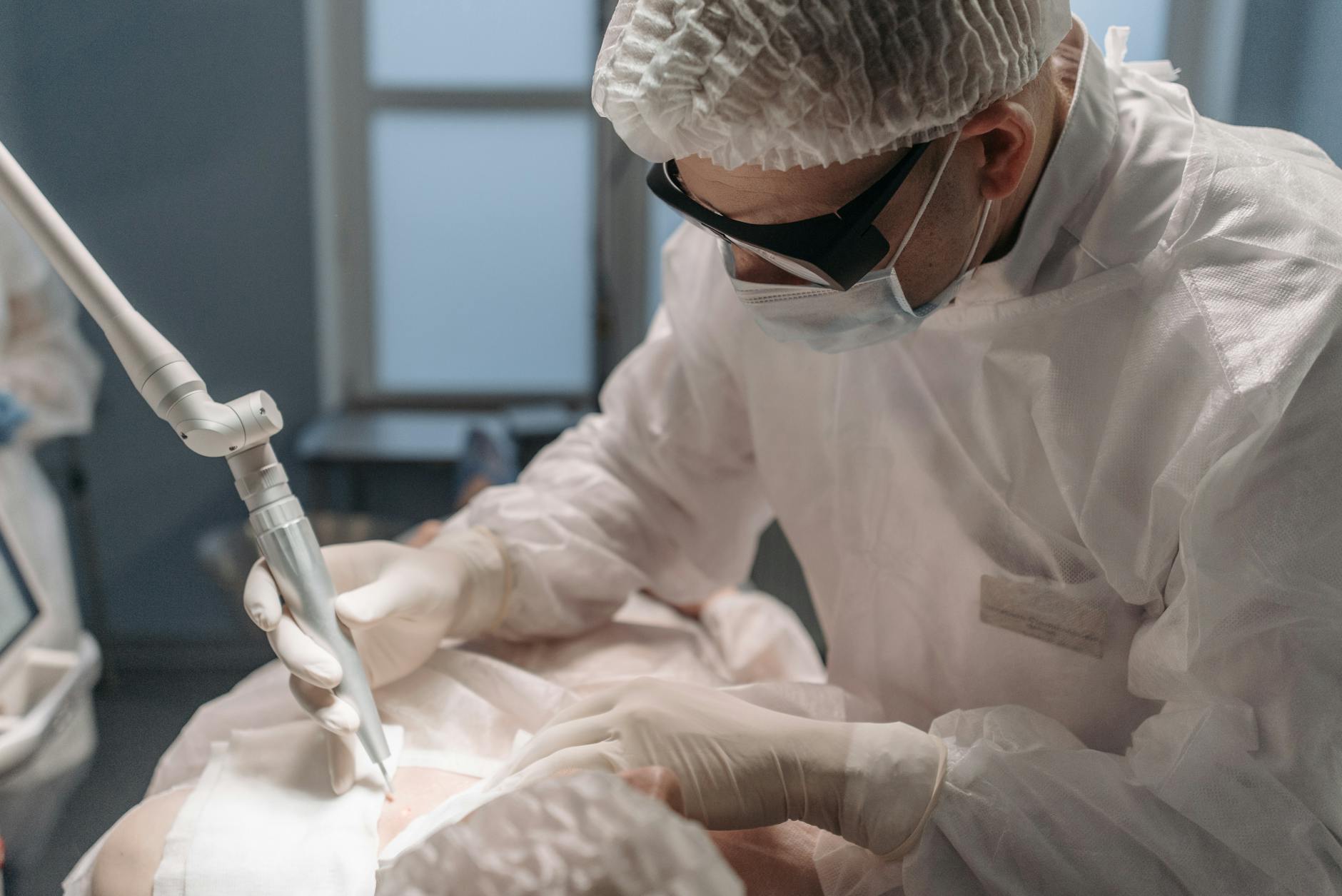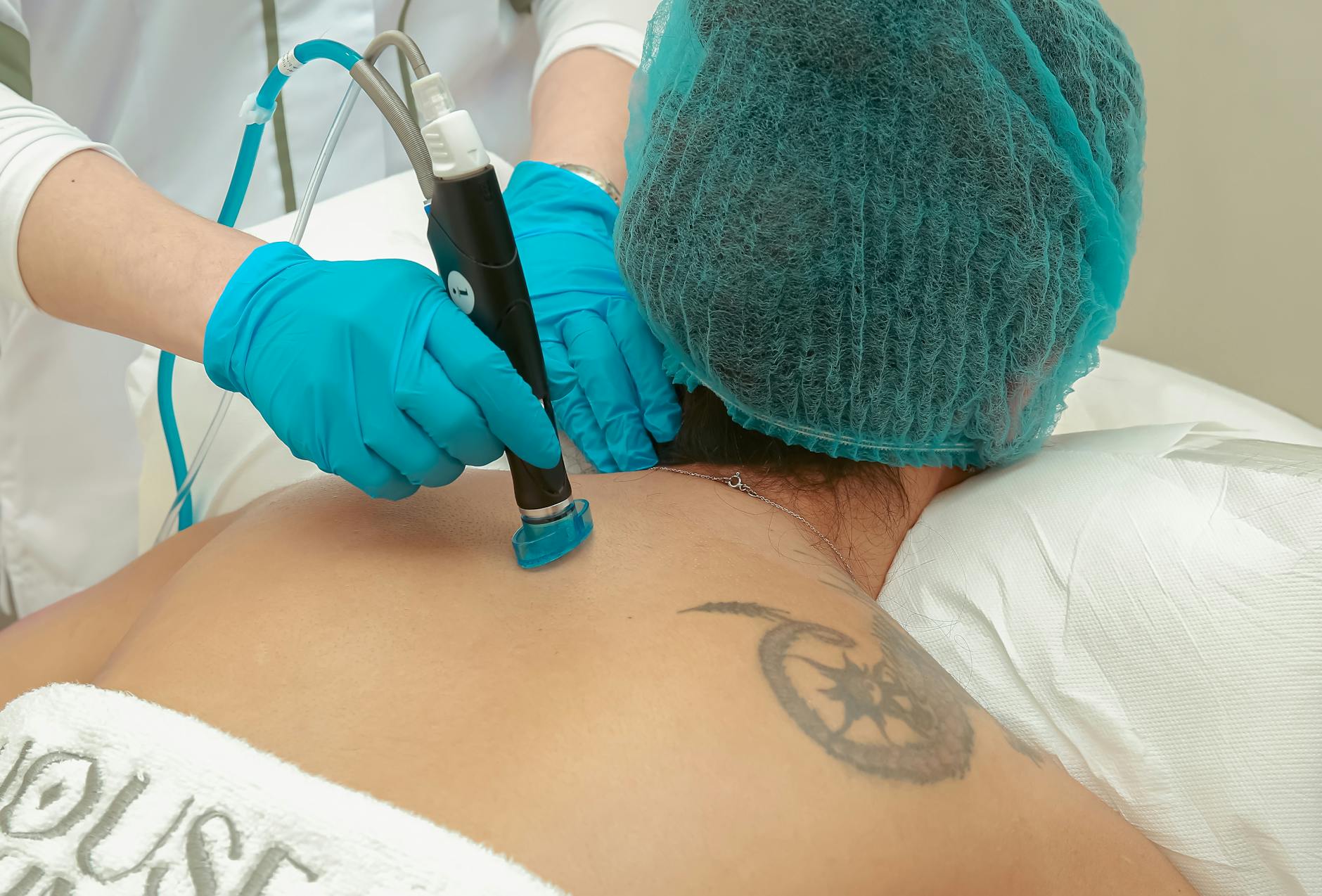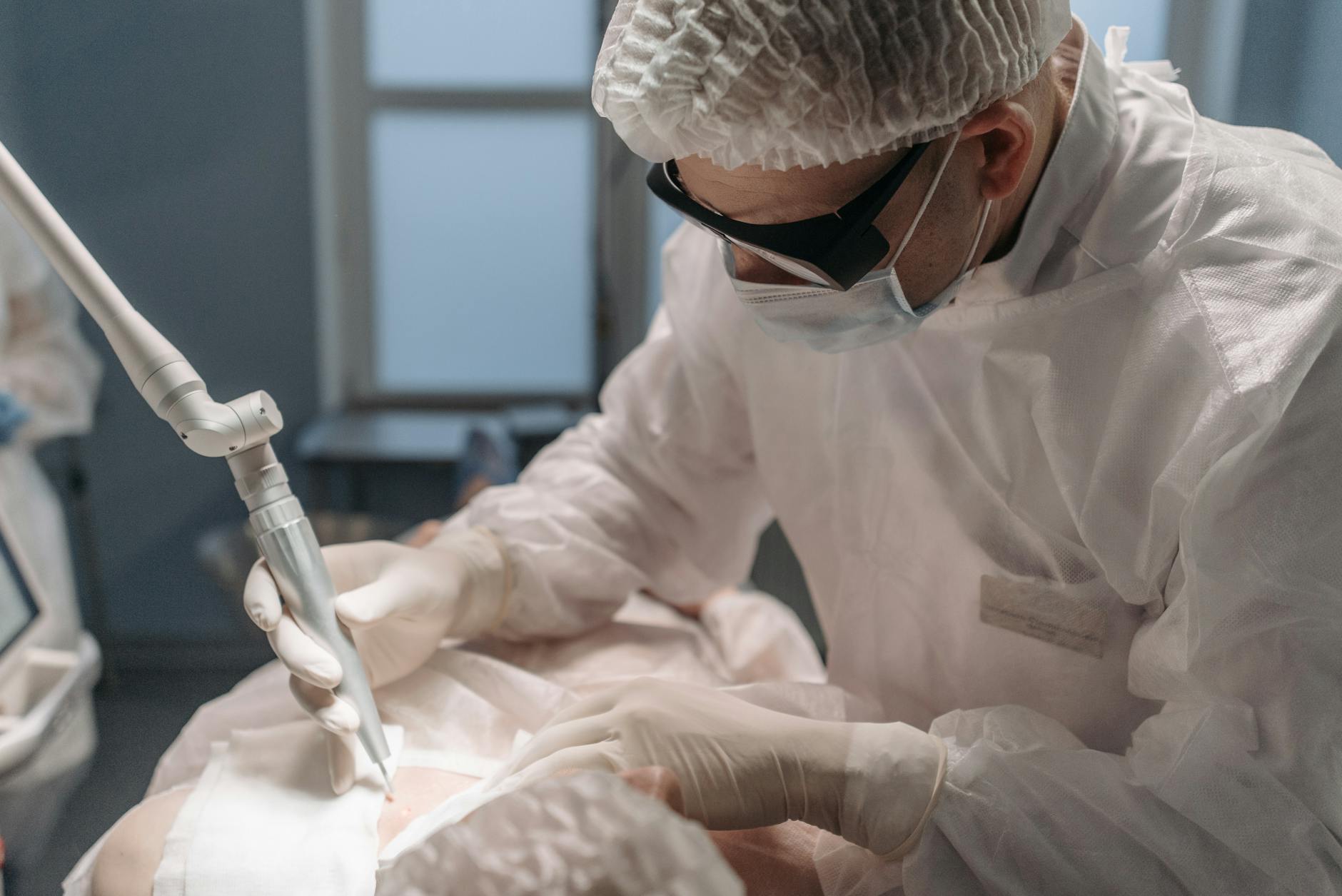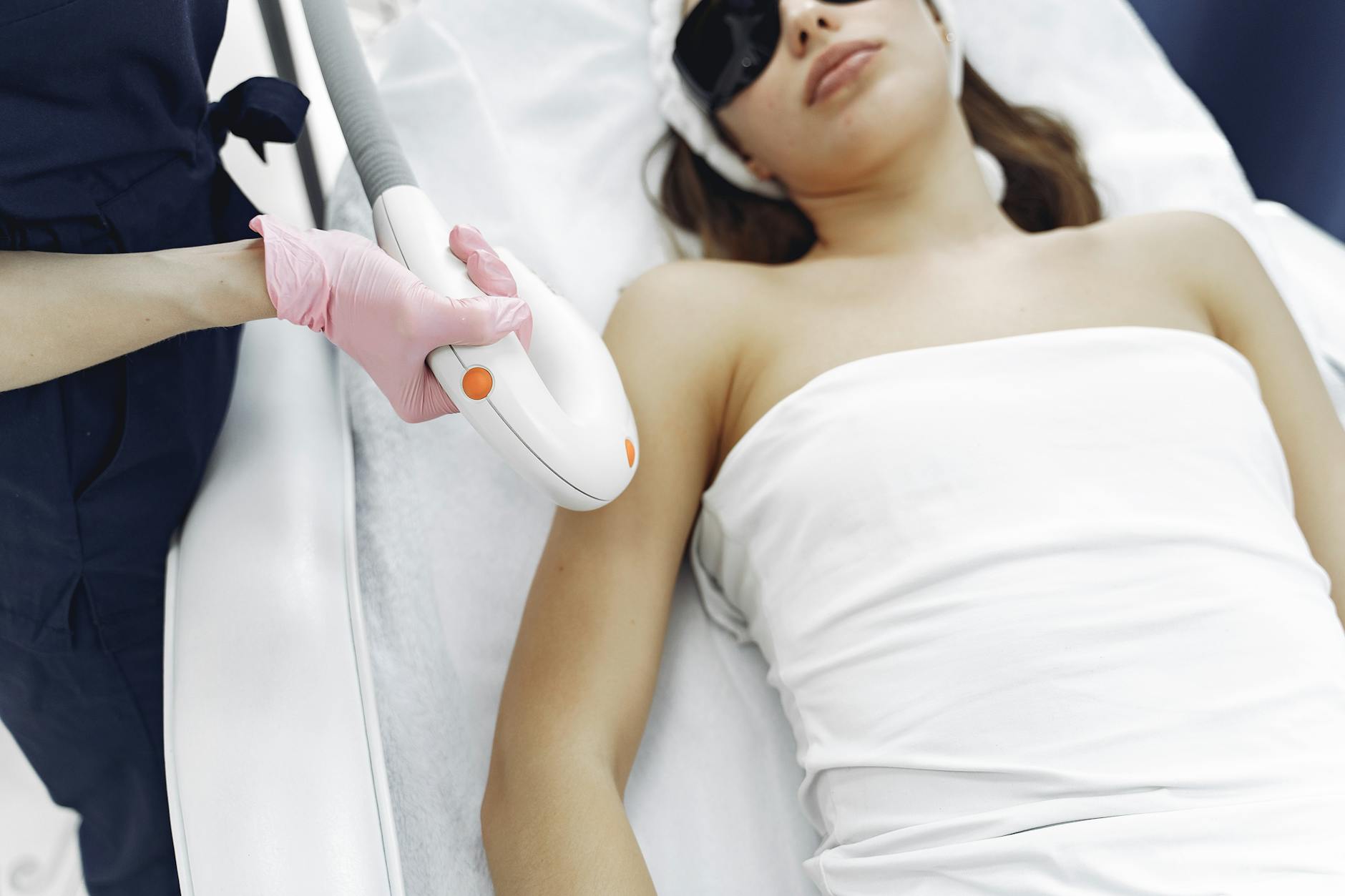
Why Proper Preparation Matters for Picosecond Laser Success

Think of picosecond laser preparation like prepping your skin for surgery. When you skip crucial preparation steps, your treatment becomes less effective and carries higher risks of complications, including the scarring you're trying to avoid.
“Proper preparation can mean the difference between glowing results and painful setbacks.”
Well-prepared skin responds better to laser energy, allowing your dermatologist to use optimal settings for maximum pigment breakdown. Poor preparation leads to increased inflammation, longer healing times, and potentially permanent discoloration.
Patients who arrive unprepared often face postponed treatments, wasted appointments, and suboptimal results. Your skin needs specific conditioning to handle the laser's intensity safely. This guide walks you through each preparation step to ensure your treatment delivers the clear, even-toned skin you're seeking without unnecessary risks or delays.
Timeline: When to Start Preparing (4-6 Weeks Before)
Starting your preparation four to six weeks before treatment gives your skin the best chance for optimal results and minimizes complications that could lead to scarring.
“The most successful picosecond laser outcomes happen when patients follow a structured preparation timeline.”
Week 4-6: Begin sun avoidance protocols and discontinue retinoids or exfoliating acids. Schedule your consultation during this period to address any concerns about permanent damage.
Week 2-3: Stop waxing, threading, or other hair removal methods in the treatment area. Switch to gentle, fragrance-free skincare products.
Final week: Avoid alcohol, blood thinners, and anti-inflammatory medications that could affect healing. For example, stop taking aspirin three days before your appointment unless medically necessary.
Last 48 hours: Hydrate extensively and get adequate sleep to support your skin's natural healing processes.
Skincare and Treatment Restrictions

Your skin needs time to recover and stabilize before picosecond laser treatment. Certain skincare products and procedures can increase sensitivity and potentially cause complications, making proper preparation essential for optimal results.
Stop using retinoids, retinol products, and prescription vitamin A treatments at least two weeks before your appointment. These ingredients thin the skin and increase photosensitivity, which could lead to unwanted side effects during laser treatment.
Avoid all exfoliating treatments during the four weeks leading up to your session. This includes Chemical Peels, microdermabrasion, dermaplaning, and aggressive scrubs. Chemical Peels remove damaged skin layers through controlled chemical exfoliation, but combining them with laser treatment can cause excessive irritation and potentially compromise your results.
Limit sun exposure and always wear broad-spectrum SPF 30 or higher sunscreen daily. Tanned or recently sun-exposed skin increases the risk of pigmentation changes after treatment.
Schedule any waxing, threading, or hair removal procedures at least one week before your appointment. These treatments can cause micro-trauma to the skin, creating unnecessary complications during your laser session.
Following these restrictions helps ensure your skin is in optimal condition for treatment and reduces the risk of adverse reactions.
Medications and Supplements to Discuss
Several medications can make your skin more sensitive to laser light, potentially causing unwanted reactions or poor healing. Photosensitizing medications include certain antibiotics like tetracycline and doxycycline, diuretics, and some acne treatments containing retinoids. These can increase your risk of burns or pigmentation changes.
Blood thinners such as aspirin, warfarin, or fish oil supplements may increase bruising and bleeding during treatment. Even common supplements like vitamin E, ginkgo biloba, and St. John's wort can affect healing or cause unexpected reactions with laser energy.
Your dermatologist needs a complete list of everything you take, including over-the-counter medications and herbal supplements. For example, if you're taking minocycline for acne, you may need to stop it several weeks before treatment to prevent adverse reactions that could compromise your results.
Pre-Treatment Skin Conditioning
Your skin needs proper preparation to achieve the best picosecond laser results while minimizing risks that concern many patients. Starting a conditioning routine two weeks before treatment significantly improves healing and reduces complications.
Use a mild, fragrance-free cleanser twice daily to remove impurities without irritation.
Apply a ceramide-based moisturizer morning and evening to strengthen your skin barrier.
Wear SPF 30 or higher every day, even indoors, to prevent pigmentation changes.
Hydration plays a crucial role in healing. Well-hydrated skin responds better to laser treatment and recovers faster. Drink plenty of water and consider using a humidifier if you live in a dry climate.
Stop using retinoids, glycolic acid, and other exfoliating products one week before treatment. These ingredients can make your skin more sensitive and increase the risk of complications during laser therapy.
Day-of-Treatment Preparation

Proper treatment day preparation helps your laser session run smoothly and reduces any anxiety about the procedure. Following these specific guidelines ensures you arrive ready and confident for your picosecond laser treatment.
Wear loose-fitting clothes that won't rub against the treatment area afterward.
Use only gentle cleanser and skip any active ingredients or exfoliants that morning.
Bring sunglasses, a hat, and any post-treatment products your provider recommended.
Plan to arrive ten minutes early to complete paperwork and discuss any last-minute concerns with your provider.
Remember that professional treatments, when performed correctly, have low complication rates and help you achieve the clear skin results you want.
Common Preparation Mistakes to Avoid
Even well-intentioned patients make critical errors that can compromise their picosecond laser results or increase risks. Understanding these mistakes helps ensure your treatment succeeds safely.
Last-minute sun exposure tops the list of preparation failures. Getting sunburned or tanned just days before treatment forces postponement, as lasers cannot safely target pigmented or inflamed skin. This delay frustrates patients eager for quick results.
Continuing retinoids, chemical peels, or waxing too close to your appointment creates unnecessary complications. For example, using tretinoin three days before treatment can cause excessive skin sensitivity and poor healing.
Inadequate skin preparation undermines results. Arriving with makeup, moisturizer, or unclean skin prevents optimal laser penetration and increases infection risk.
Missing required consultation steps, like patch testing or medical history review, can lead to treatment cancellation. These aren't administrative hurdles—they prevent permanent scarring and ensure your safety.
Following preparation instructions precisely prevents treatment delays and ensures optimal results with minimal risk of complications.
Frequently Asked Questions
How far in advance should I start preparing for picosecond laser treatment?
You should start preparing 4-6 weeks before your picosecond laser treatment. This timeline gives your skin the best chance for optimal results and minimizes complications that could lead to scarring. Starting preparation during this timeframe allows you to properly discontinue certain skincare products and treatments that could interfere with your laser session.
What skincare products should I stop using before picosecond laser treatment?
You must stop using retinoids, retinol products, and prescription vitamin A treatments at least two weeks before your appointment. These ingredients thin the skin and increase photosensitivity, which could lead to unwanted side effects during laser treatment. You should also avoid all exfoliating treatments including chemical peels, microdermabrasion, and aggressive scrubs for four weeks before treatment.
Can I get waxed or have hair removal before my picosecond laser appointment?
You should schedule any waxing, threading, or hair removal procedures at least one week before your picosecond laser appointment. These treatments can cause micro-trauma to the skin, creating unnecessary complications during your laser session. Stopping these procedures gives your skin time to heal and reduces the risk of adverse reactions.
Why is proper preparation important for picosecond laser success?
Proper preparation is crucial because well-prepared skin responds better to laser energy, allowing your dermatologist to use optimal settings for maximum pigment breakdown. Poor preparation leads to increased inflammation, longer healing times, and potentially permanent discoloration. Patients who arrive unprepared often face postponed treatments, wasted appointments, and suboptimal results.
What should I do about sun exposure before picosecond laser treatment?
You should limit sun exposure and always wear broad-spectrum SPF 30 or higher sunscreen daily during your preparation period. Tanned or recently sun-exposed skin increases the risk of pigmentation changes after treatment. Sun avoidance protocols should begin 4-6 weeks before your appointment as part of your preparation timeline.
Disclaimer: This content is for informational purposes only and does not constitute medical advice. Always consult a qualified healthcare provider before making health decisions.