Factors That Determine Your Session Count

The number of picosecond laser sessions you need depends on several key factors that vary from person to person. Your specific skin condition and its severity play the primary role in determining treatment length. Acne scars require different approaches than pigmentation issues, and deeper problems need more sessions than surface-level concerns.
“Your skin's unique response to treatment determines your timeline more than any standardized protocol.”
Individual skin response varies significantly between patients. Some people see dramatic improvements after just two sessions, while others need six or more treatments to achieve their goals. Your treatment objectives also matter tremendously. Completely eliminating deep acne scars takes longer than simply improving skin texture.
Skin type and color affect both treatment safety and effectiveness. Darker skin tones require more careful approaches to prevent scarring, potentially extending your treatment timeline but ensuring better long-term results.
Session Requirements by Condition

Different skin concerns require varying numbers of picosecond laser sessions to achieve optimal results. Understanding these ranges helps set realistic expectations and prevents disappointment during your treatment journey.
“Most patients see significant improvement within 3-6 sessions, but complete results often require patience and consistency.”
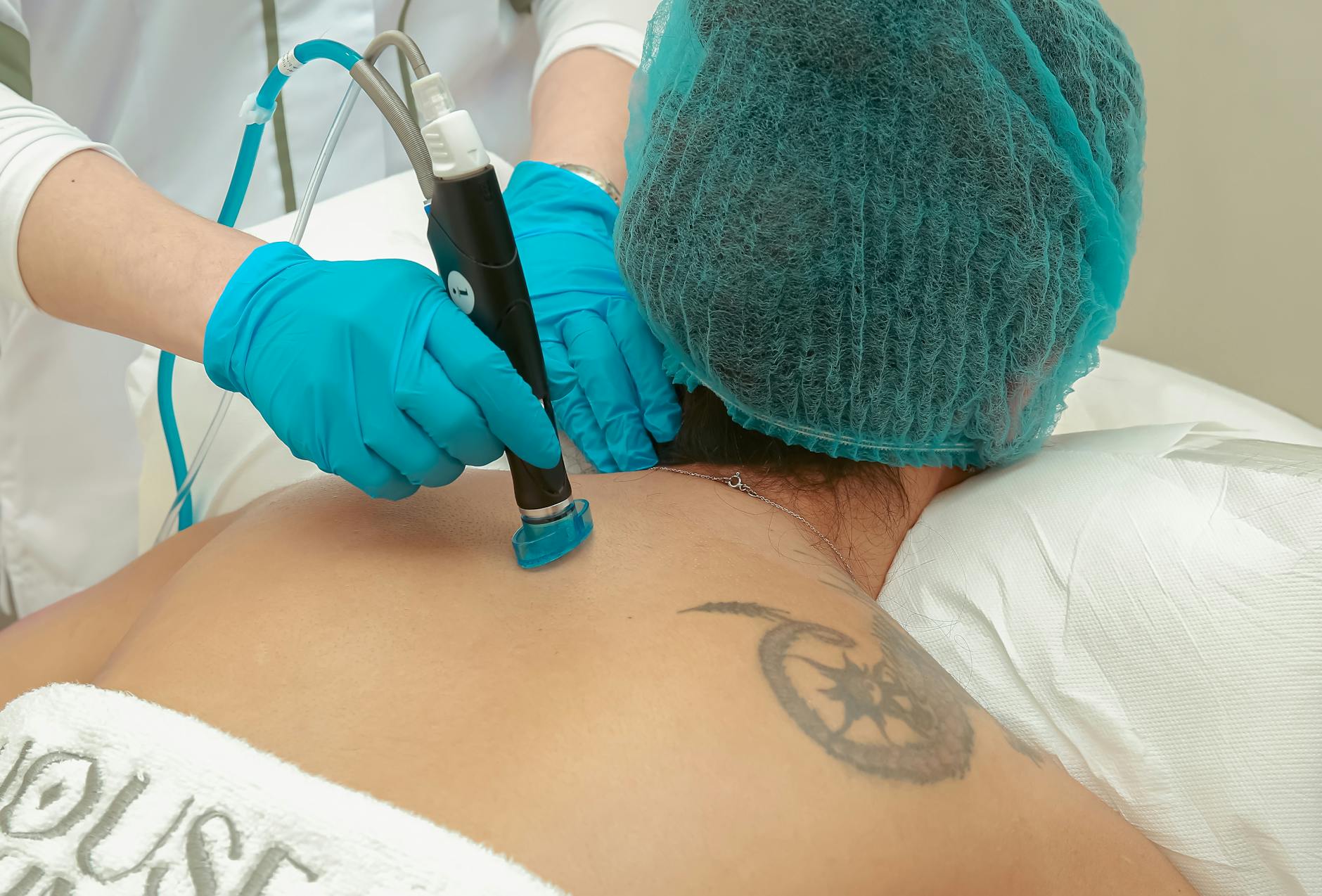
Tattoo removal typically demands the most sessions, ranging from 6-12 treatments for professional tattoos. Amateur tattoos often respond faster, requiring 4-8 sessions. Black ink fades quickest, while colored inks like green and yellow need additional treatments.
Pigmentation issues like melasma and sun spots usually improve within 2-4 sessions. Age spots respond particularly well, often clearing completely after 2-3 treatments. Acne scarring requires more patience, with 4-8 sessions needed for significant improvement.
Your dermatologist will assess your specific condition and provide a personalized treatment plan. Remember, while permanent scarring from picosecond lasers is extremely rare when performed correctly, following post-treatment care instructions ensures the best outcomes.
How Sessions Are Spaced
Picosecond laser treatments require 4-6 week intervals between sessions to allow your skin to heal properly. During this time, your skin rebuilds collagen, sheds damaged cells, and repairs itself at the cellular level.
Rushing treatments won't speed up your results and could actually cause permanent scarring. Your skin needs this recovery period to respond effectively to each session. Scheduling treatments too close together overwhelms your healing process and reduces treatment effectiveness.
The exact spacing depends on your skin type and the condition being treated. Darker skin tones often need longer intervals, while lighter pigmentation issues may heal faster. Your dermatologist will adjust the schedule based on how your skin responds to each treatment.
When You'll See Results

Most patients notice initial improvements within 2-4 weeks after their first picosecond laser session. Your skin may appear brighter and smoother as dead skin cells shed and collagen production begins. Don't worry about temporary redness or mild peeling during this phase—it's a normal part of the healing process, not permanent scarring.
Progressive improvement continues throughout your treatment series. Most people see significant changes after their third session, with acne scars becoming less noticeable and skin texture improving dramatically. For example, raised acne scars often flatten by 50-70% after three treatments.
Final results typically appear 3-6 months after completing your full treatment series, as your skin continues producing new collagen and remodeling tissue beneath the surface.
Maximizing Your Treatment Success
Getting optimal results from your picosecond laser treatment requires following specific pre- and post-care instructions. Your dermatologist will provide detailed guidelines that significantly impact your healing and final outcome.
Avoid sun exposure, retinoids, and certain medications as directed before each session.
Apply broad-spectrum SPF 30+ daily and avoid picking at treated areas during healing.
Many patients benefit from combination therapy approaches. Chemical Peels, which use acid treatments to remove damaged skin layers through controlled chemical exfoliation, can enhance your picosecond laser results when properly timed between sessions. This combination often reduces total treatment sessions needed.
Strict adherence to aftercare instructions and sun protection will minimize sessions needed and prevent complications.
Frequently Asked Questions
How many picosecond laser sessions do I need?
The number of sessions varies based on your specific condition and skin type. Most patients see significant improvement within 3-6 sessions, but complete results often require patience and consistency. Tattoo removal typically requires 6-12 sessions for professional tattoos, while pigmentation issues like age spots usually improve within 2-4 sessions.
How long should I wait between picosecond laser treatments?
Picosecond laser treatments require 4-6 week intervals between sessions to allow proper healing. During this time, your skin rebuilds collagen, sheds damaged cells, and repairs itself at the cellular level. Rushing treatments won't speed up results and could actually cause permanent scarring.
When will I see results from picosecond laser treatment?
Most patients notice initial improvements within 2-4 weeks after their first picosecond laser session. Your skin may appear brighter and smoother as dead skin cells shed and collagen production begins. The exact timeline depends on your specific condition and how your skin responds to treatment.
How many sessions does tattoo removal take with picosecond laser?
Tattoo removal typically demands 6-12 treatments for professional tattoos, while amateur tattoos often respond faster with 4-8 sessions. Black ink fades quickest, while colored inks like green and yellow need additional treatments. The treatment achieves an 85% tattoo clearance rate when performed correctly.
What factors determine how many picosecond laser sessions I need?
Your specific skin condition and its severity play the primary role in determining treatment length. Individual skin response varies significantly between patients, with some seeing dramatic improvements after just two sessions while others need six or more. Your treatment objectives, skin type, and color also affect both treatment safety and the number of sessions required.
Disclaimer: This content is for informational purposes only and does not constitute medical advice. Always consult a qualified healthcare provider before making health decisions.