Understanding Picosecond Laser Side Effects

Most patients experience mild side effects after picosecond laser treatment that resolve naturally within days to weeks. Your skin will show immediate responses that are completely normal parts of the healing process.
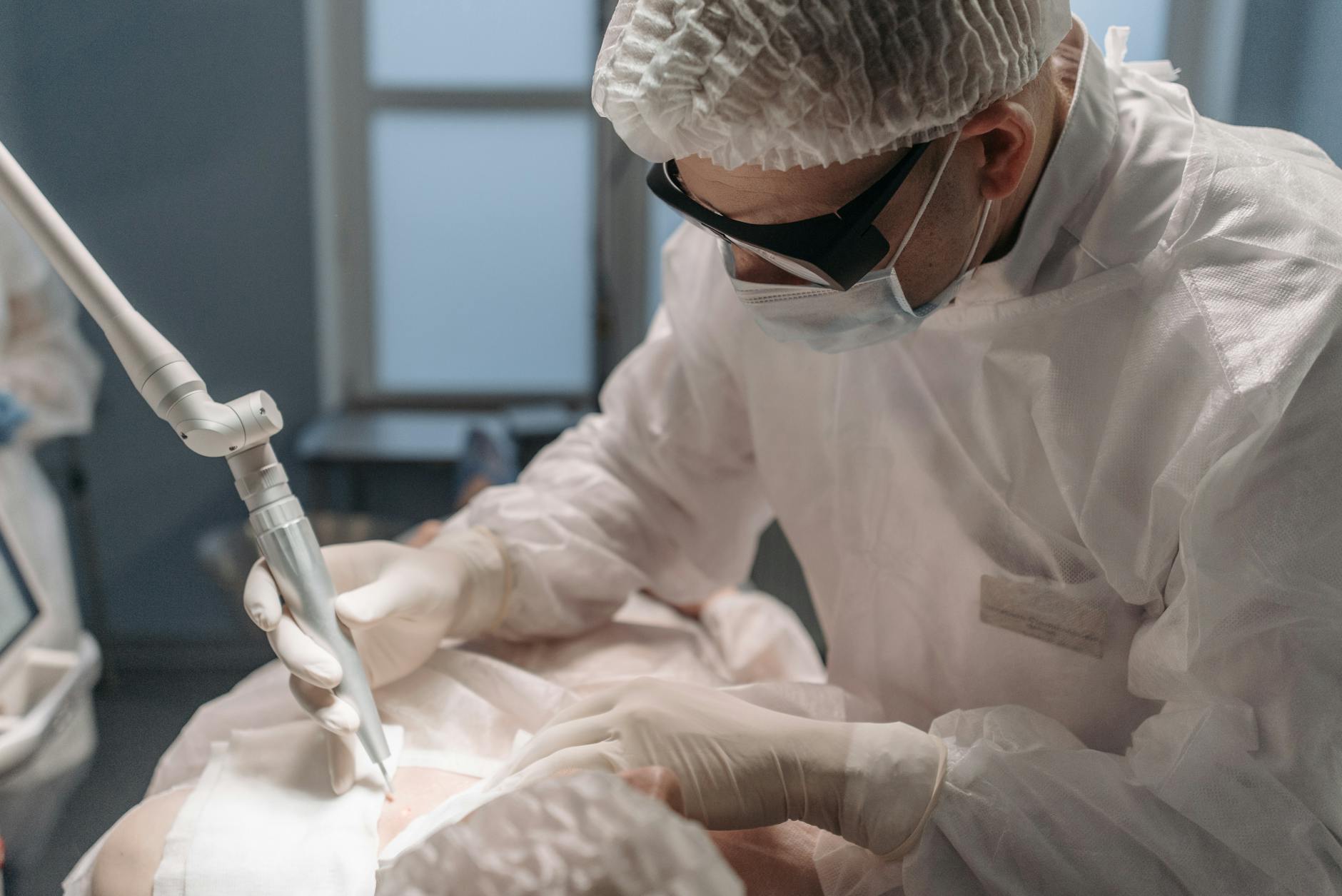
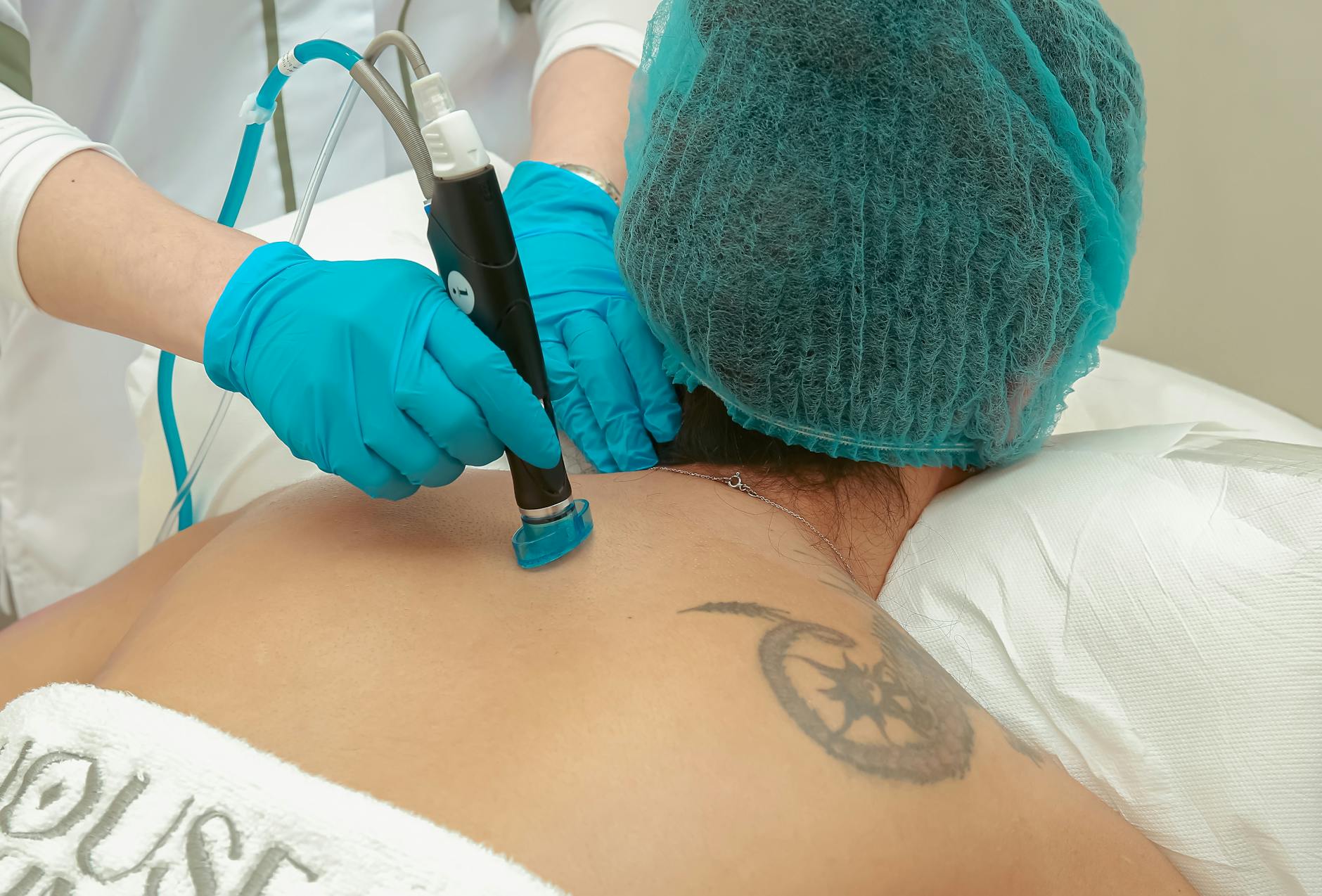
Common immediate side effects include redness that resembles a moderate sunburn, mild swelling around treated areas, and a warm sensation that typically lasts 2-4 hours. You might notice your skin feels tight or slightly tender to touch, similar to after spending time in the sun. Small pinpoint bleeding or crusting can occur, especially when treating darker pigmentation or tattoos.
“The key to successful healing is knowing which reactions are normal versus those requiring immediate medical attention.”
Normal symptoms resolve following a predictable timeline. Redness fades within 24-48 hours, while mild swelling subsides within 2-3 days. Any crusting or scabbing naturally falls off within 7-14 days. Your skin may appear slightly pink for up to two weeks as new, healthy tissue emerges.
Concerning symptoms require prompt medical attention. Contact your provider immediately if you develop severe pain, pus-filled blisters, spreading redness beyond the treatment area, or fever. Signs of infection include yellow or green discharge, red streaking, or worsening pain after the initial 48 hours.
Individual factors affect your healing timeline. Darker skin tones may experience longer-lasting redness, while sensitive skin types might show more pronounced swelling. Your age, overall health, and adherence to aftercare instructions significantly influence your recovery speed. Smoking, certain medications, and sun exposure can delay healing and increase complication risks.
For example, a patient treating age spots on their hands might see redness for two days, while someone removing a large tattoo could experience swelling for nearly a week.
Immediate Side Effects (First 24-48 Hours)
The first two days after picosecond laser treatment bring predictable changes to your skin. Understanding these normal reactions helps distinguish between expected healing and potential complications.
Redness and swelling appear immediately after treatment and typically peak within 6-12 hours. Your skin may look like it has a mild sunburn, with some areas appearing more inflamed than others. This reaction occurs because the laser creates controlled micro-injuries to stimulate skin renewal. The redness usually fades to a pink tone by day two, while swelling subsides within 24-48 hours.
"Most patients find the immediate side effects much milder than they anticipated, with many returning to normal activities the next day."
Mild discomfort or stinging sensations are normal during the first day. Many patients describe this feeling as similar to a light sunburn. The sensation typically decreases significantly after 12-24 hours. Cool compresses and gentle moisturizers provide effective relief without interfering with the healing process.
Temporary skin darkening, called hyperpigmentation, may appear in treated areas within 24-48 hours. This darkening represents the laser targeting pigment cells and usually resolves within 1-2 weeks. For tattoo removal specifically, pinpoint bleeding or small scabs may develop where the laser broke down ink particles most intensively.
These immediate reactions rarely lead to permanent scarring when proper aftercare protocols are followed. Your skin's appearance during these first 48 hours provides important clues about how well your treatment is progressing toward the clear, renewed skin you're seeking.
Short-Term Side Effects (Days 3-14)

During the first two weeks after your picosecond laser treatment, your skin enters an active healing phase. This period brings noticeable changes that signal your skin is working to repair itself and reveal the improved results underneath.
Scabbing and crusting typically appear around day 3 to 5. These small, dark formations develop over treated areas as your skin protects itself during healing. Resist the urge to pick or scratch these scabs, as doing so can lead to scarring or infection. Let them fall off naturally over the next 7 to 10 days.
Skin peeling follows as the damaged outer layer sheds to reveal fresh skin beneath. This process resembles a mild sunburn recovery and indicates healthy regeneration. You might notice your skin feels dry or tight during this phase.
Temporary pigment changes are normal during healing. Your skin may appear lighter or darker than usual in treated areas. For example, age spots might look temporarily darker before they fade, or treated areas might appear pink or white. These changes resolve as your skin completes its healing cycle.
Mild itching occurs as new skin cells form and nerve endings regenerate. While uncomfortable, this sensation confirms your skin is healing properly. Apply a gentle, fragrance-free moisturizer to ease discomfort and support the healing process.
Rare but Serious Side Effects
While most patients heal without complications, serious side effects can occur and require immediate medical attention. Understanding these warning signs helps you protect your skin and prevents permanent damage that leads to scarring or lasting discoloration.
Watch for signs of infection including increasing pain after day three, yellow or green discharge, red streaks extending from treated areas, fever, or foul-smelling drainage. These symptoms indicate bacterial infection that needs prompt antibiotic treatment.
Severe pigmentation changes present as very dark patches (hyperpigmentation) or completely white areas (hypopigmentation) that worsen beyond week two. For example, a patient might develop dark spots that continue deepening rather than fading, or white patches that expand beyond the original treatment zone.
Scarring appears as raised, thick tissue that feels different from surrounding skin or depressed areas that create permanent texture changes. Contact your provider immediately if you notice tissue building up or indentations forming.
Allergic reactions cause widespread hives, difficulty breathing, or severe swelling beyond treated areas. These symptoms require emergency care, not just a call to your dermatologist.
Early intervention prevents most serious complications from becoming permanent problems.
Essential Aftercare Instructions
Proper aftercare prevents complications and ensures optimal healing after picosecond laser treatment. Your skin will be more sensitive than usual, but following these specific steps minimizes the risk of permanent scarring and helps you achieve clear results faster.
Apply cold compresses for 10-15 minutes every hour during the first 4-6 hours to reduce swelling and discomfort.
Use lukewarm water and a mild, fragrance-free cleanser twice daily, patting skin dry with a clean towel.
Apply a thick, unscented moisturizer 2-3 times daily to maintain skin hydration and support the healing process.
Use SPF 30+ sunscreen daily and avoid direct sun exposure for at least 2 weeks after treatment.
Avoid picking at scabs, peeling skin, or any treated areas, as this significantly increases scarring risk. Your skin naturally sheds damaged tissue over 7-14 days, revealing healthier skin underneath.
Skip makeup for the first 24-48 hours unless your dermatologist approves mineral-based products. Heavy exercise, saunas, and hot showers should be avoided for 48-72 hours since heat can worsen inflammation and delay healing.
Sleep with your head slightly elevated using an extra pillow to reduce morning facial swelling. This simple adjustment helps fluid drainage and minimizes puffiness, especially around treated eye areas.
Watch for signs of infection like increasing pain, yellow discharge, or red streaking around treated areas. Contact your provider immediately if you notice these symptoms, as early intervention prevents complications that could affect your final results.
Sun Protection and Lifestyle Modifications

Sun protection becomes absolutely critical after picosecond laser treatment. Your skin is significantly more vulnerable to UV damage during the healing process, which can lead to permanent pigmentation issues if not properly protected. Complete sun avoidance is mandatory for the first 48-72 hours, followed by strict sun protection measures for at least two weeks.
Apply broad-spectrum sunscreen with SPF 30 or higher every two hours, even when indoors near windows. Choose physical sunscreens containing zinc oxide or titanium dioxide rather than chemical formulations, as these are gentler on healing skin. Wear wide-brimmed hats and seek shade whenever possible during peak UV hours between 10 AM and 4 PM.
Avoid activities that generate excessive heat or sweating for 5-7 days post-treatment. This includes intense exercise, hot yoga, saunas, steam rooms, and hot showers. Heat can worsen inflammation and delay healing, similar to the restrictions required after Chemical Peels, which also create controlled skin damage requiring careful recovery protocols.
Temporarily modify your skincare routine by eliminating active ingredients like retinoids, alpha-hydroxy acids, vitamin C serums, and exfoliating products for at least one week. These can irritate your healing skin and potentially cause hyperpigmentation. Stick to gentle, fragrance-free cleansers and moisturizers recommended by your provider.
Sleep on clean pillowcases and avoid touching or picking at treated areas. These simple lifestyle adjustments protect your investment and ensure optimal healing without complications that could compromise your results or cause permanent scarring.
When to Contact Your Provider
Most patients heal without complications, but knowing when to seek help prevents potential issues and eases concerns about permanent scarring. Contact your provider immediately if you develop signs of infection, including fever, increasing pain, pus, red streaks extending from treatment areas, or foul-smelling discharge.
Watch for concerning changes like severe blistering, excessive crusting that doesn't improve after one week, unusual color changes beyond normal darkening, or severe pain that worsens instead of improving. These symptoms require prompt medical attention.
Normal healing follows a predictable timeline. Initial redness and mild swelling resolve within 24-48 hours, while treated spots typically darken before flaking off within 7-14 days. New skin appears pink initially, then gradually matches surrounding tissue over several weeks.
Attend all scheduled follow-up appointments even if everything looks normal. Your provider will assess healing progress, address any concerns, and determine if additional treatments are needed. Early intervention for any complications ensures the best possible outcome for your skin.
Trust the healing process but never hesitate to contact your provider if something feels wrong or differs from what you were told to expect.
Frequently Asked Questions
What are the normal side effects after picosecond laser treatment?
Most patients experience mild side effects that resolve naturally within days to weeks. Common immediate reactions include redness resembling a moderate sunburn, mild swelling around treated areas, and a warm sensation lasting 2-4 hours. You might also notice your skin feels tight or slightly tender to touch, similar to after sun exposure.
How long does redness last after picosecond laser treatment?
Redness typically fades within 24-48 hours after treatment, though your skin may appear slightly pink for up to two weeks. The redness usually peaks within 6-12 hours and gradually fades to a pink tone by day two. Individual factors like skin tone and sensitivity can affect this timeline.
When should I contact my doctor after picosecond laser treatment?
Contact your provider immediately if you develop severe pain, pus-filled blisters, spreading redness beyond the treatment area, or fever. Signs of infection requiring prompt attention include yellow or green discharge, red streaking, or worsening pain after the initial 48 hours. These symptoms are not normal and require medical evaluation.
How long does swelling last after picosecond laser treatment?
Mild swelling typically appears immediately after treatment and peaks within 6-12 hours. The swelling usually subsides within 24-48 hours for most patients, though some may experience swelling for up to 2-3 days. Sensitive skin types might show more pronounced swelling that lasts slightly longer.
Is temporary skin darkening normal after picosecond laser treatment?
Yes, temporary skin darkening called hyperpigmentation may appear in treated areas within 24-48 hours and is completely normal. This darkening represents the laser targeting pigment cells and usually resolves within 1-2 weeks. It's part of the expected healing process as your skin renews itself.
Disclaimer: This content is for informational purposes only and does not constitute medical advice. Always consult a qualified healthcare provider before making health decisions.