How Picosecond Laser Removes Tattoos

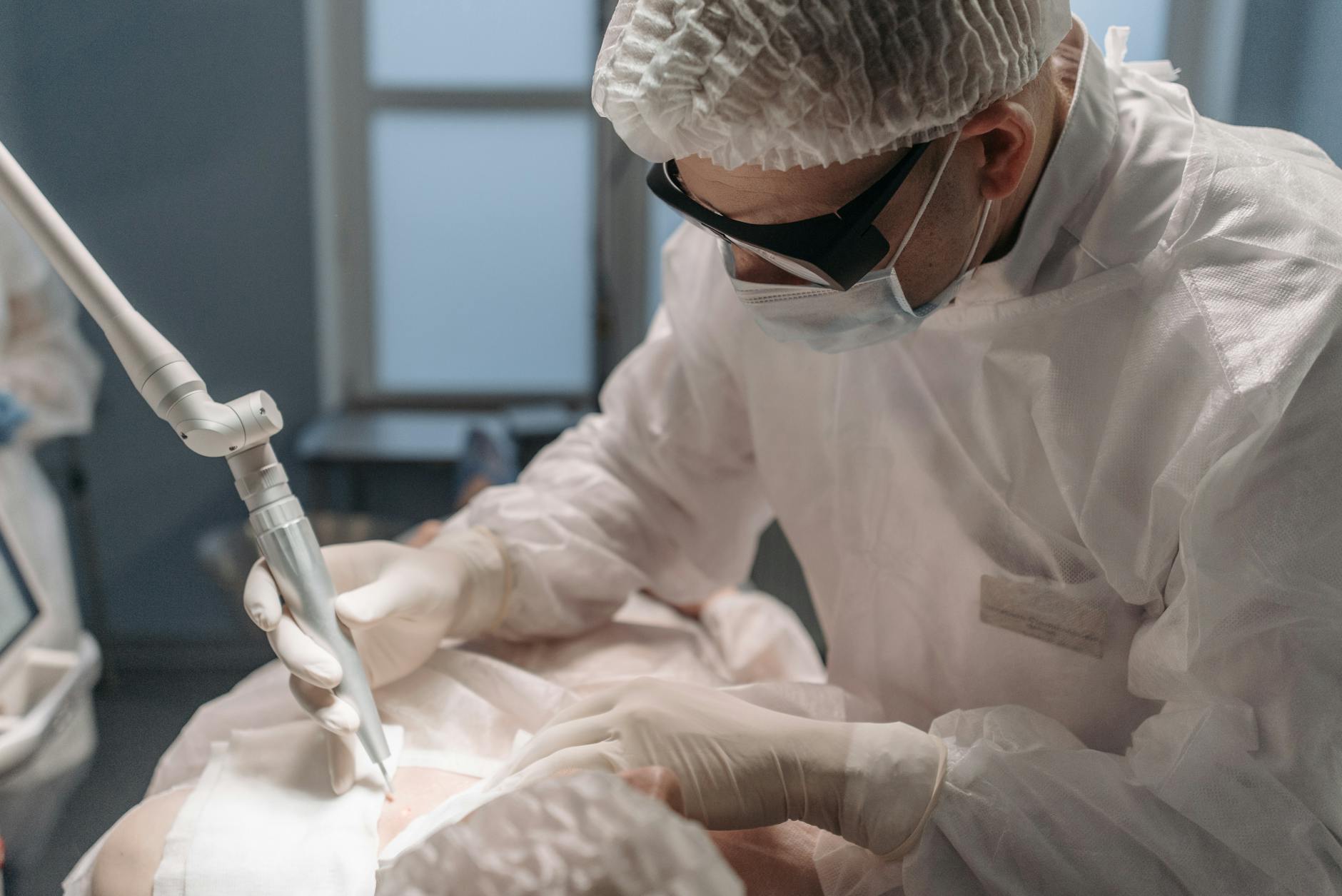
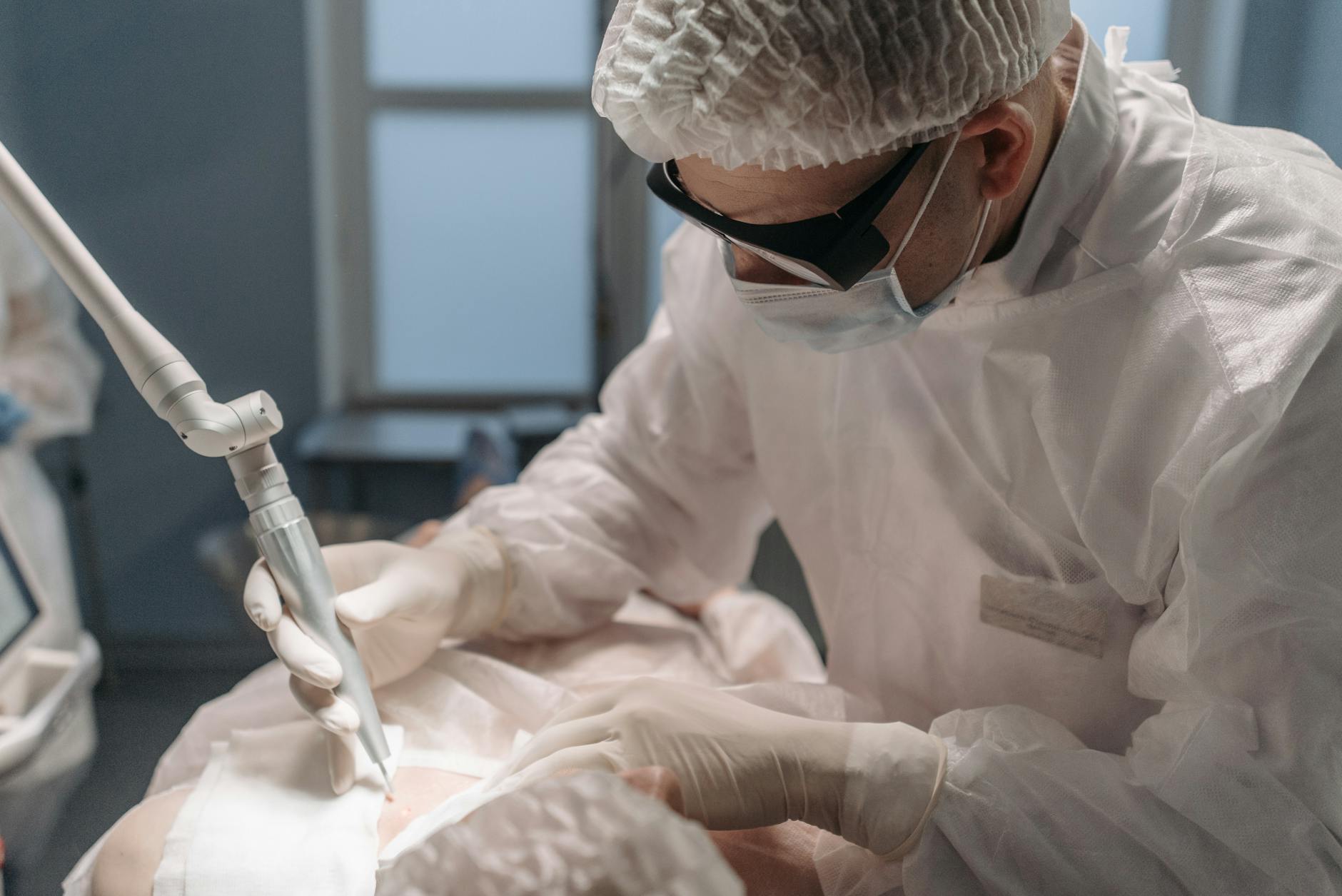
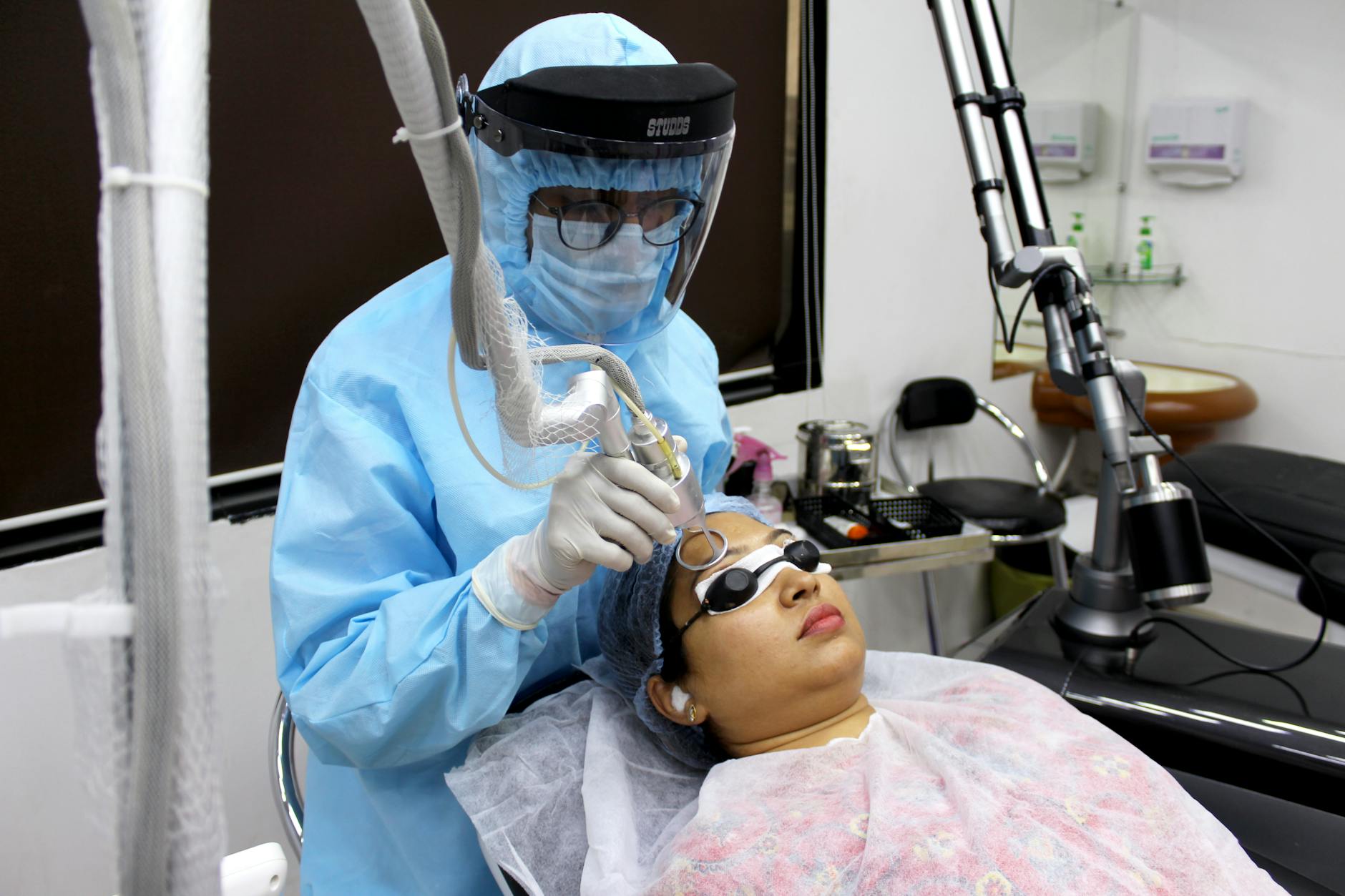
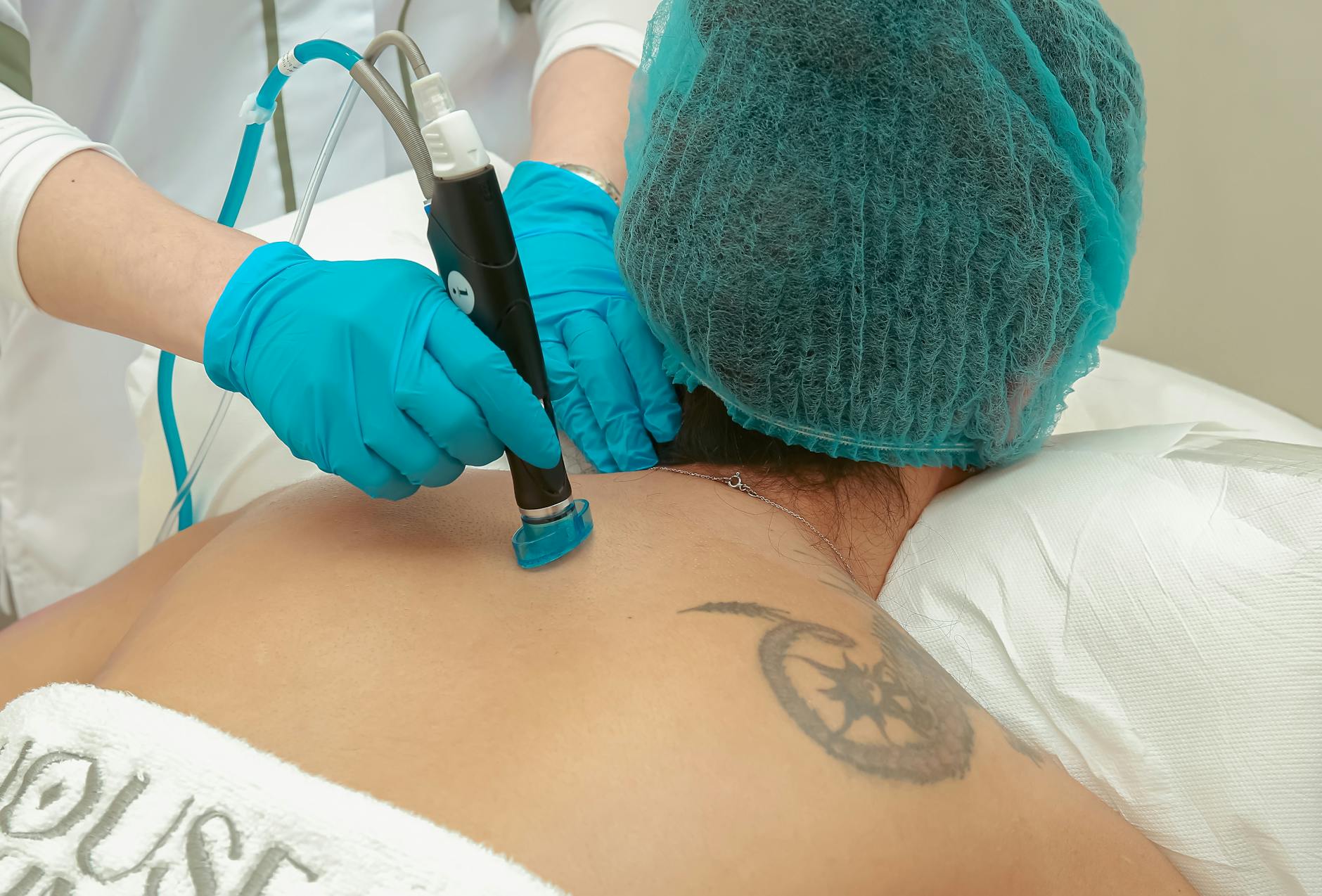
Picosecond lasers work by delivering ultra-short bursts of energy measured in trillionths of a second. These incredibly brief pulses create a photoacoustic effect that shatters tattoo ink into microscopic particles without generating excessive heat that could damage surrounding skin tissue.
“Picosecond technology breaks ink particles 100 times smaller than traditional nanosecond lasers.”
Different wavelengths target specific ink colors effectively. For example, 755nm wavelengths excel at removing green and blue inks, while 1064nm wavelengths work best on black and red pigments. This targeted approach ensures thorough removal without unnecessary tissue trauma.
Once the laser fragments the ink, your body's natural immune system takes over. White blood cells called macrophages engulf these tiny particles and transport them through the lymphatic system for elimination. This natural process gradually clears the treated area, revealing clear skin underneath while minimizing scarring risks.
What to Expect During Treatment

Most picosecond laser sessions take 10-20 minutes, depending on your tattoo's size and complexity. You'll typically need 4-8 treatments spaced 6-8 weeks apart to allow your skin to heal between sessions.
“The discomfort feels like a rubber band snapping against your skin, but it's very manageable.”
Pain levels vary, but most patients describe the sensation as tolerable. Your dermatologist can apply numbing cream before treatment or use cooling devices during the procedure to minimize discomfort. Some clinics offer injectable numbing for sensitive areas.
Immediately after treatment, expect redness and mild swelling that resembles a sunburn. Small blisters may form within 24 hours—this is normal and won't cause scarring when properly cared for. Complete healing takes 7-10 days before you can schedule your next session.
Realistic Results and Timeline
Most tattoos require 6 to 12 sessions spaced 6-8 weeks apart for complete removal. Professional tattoos typically need more treatments than amateur ones because they contain denser, higher-quality ink penetrating deeper into skin layers.
Several factors influence removal success. Black and red inks respond fastest to picosecond lasers, while yellow and green prove more stubborn. Your skin tone, tattoo age, and immune system health also affect results. Older tattoos often fade easier than fresh ones.
Expect gradual fading rather than dramatic overnight changes. After your first session, the tattoo may appear darker before lightening over 4-6 weeks. Modern techniques minimize scarring risks when performed properly by experienced professionals.
Is Picosecond Laser Right for You?

Picosecond laser works best on patients with darker, professional tattoos and lighter skin tones. Fresh tattoos, amateur tattoos with dense ink, and black or red pigments respond exceptionally well to treatment. Your tattoo's age, size, and location also influence success rates.
You're an ideal candidate if you have realistic expectations about timeline and permanent scarring risks remain minimal with proper aftercare. However, very old tattoos, certain colors like yellow or green, or scarred skin may require alternative approaches.
For surface-level tattoo remnants or pigmentation issues, Chemical Peels can complement laser treatment by removing damaged skin layers through controlled chemical exfoliation, though this works only on superficial ink particles.
Preparing for Your First Session
Proper preparation significantly improves your treatment outcomes and reduces complications that could lead to scarring. Your skin needs to be in optimal condition before laser exposure.
Keep your tattoo area well-hydrated for two weeks before treatment using fragrance-free moisturizer.
Stay out of direct sunlight and skip tanning beds for at least four weeks prior.
Discontinue blood thinners and photosensitizing medications as directed by your provider.
Ask your dermatologist about their experience with your specific tattoo colors, expected number of sessions, and their protocol for preventing complications. Understanding these details upfront helps set realistic expectations.
Proper pre-treatment preparation protects your skin and maximizes laser effectiveness for safer, faster tattoo removal.
Frequently Asked Questions
How does picosecond laser remove tattoos?
Picosecond lasers deliver ultra-short bursts of energy measured in trillionths of a second that create a photoacoustic effect. This shatters tattoo ink into microscopic particles without generating excessive heat that could damage surrounding skin tissue. Your body's immune system then naturally eliminates these tiny particles through white blood cells and the lymphatic system.
How many sessions does picosecond laser tattoo removal take?
Most tattoos require 6 to 12 sessions spaced 6-8 weeks apart for complete removal. Professional tattoos typically need more treatments than amateur ones because they contain denser, higher-quality ink that penetrates deeper into skin layers. About 75% of tattoos show significant fading after 6 sessions.
Does picosecond laser tattoo removal hurt?
Most patients describe the sensation as tolerable, feeling like a rubber band snapping against the skin. Your dermatologist can apply numbing cream before treatment or use cooling devices during the procedure to minimize discomfort. Some clinics offer injectable numbing for sensitive areas to further reduce pain.
How long does each picosecond laser treatment session take?
Most picosecond laser sessions take 10-20 minutes, depending on your tattoo's size and complexity. The average session lasts about 15 minutes. You'll need to wait 6-8 weeks between treatments to allow your skin to heal properly.
What should I expect after picosecond laser tattoo removal?
Immediately after treatment, expect redness and mild swelling that resembles a sunburn. Small blisters may form within 24 hours, which is normal and won't cause scarring when properly cared for. Complete healing takes 7-10 days before you can schedule your next session.
Disclaimer: This content is for informational purposes only and does not constitute medical advice. Always consult a qualified healthcare provider before making health decisions.