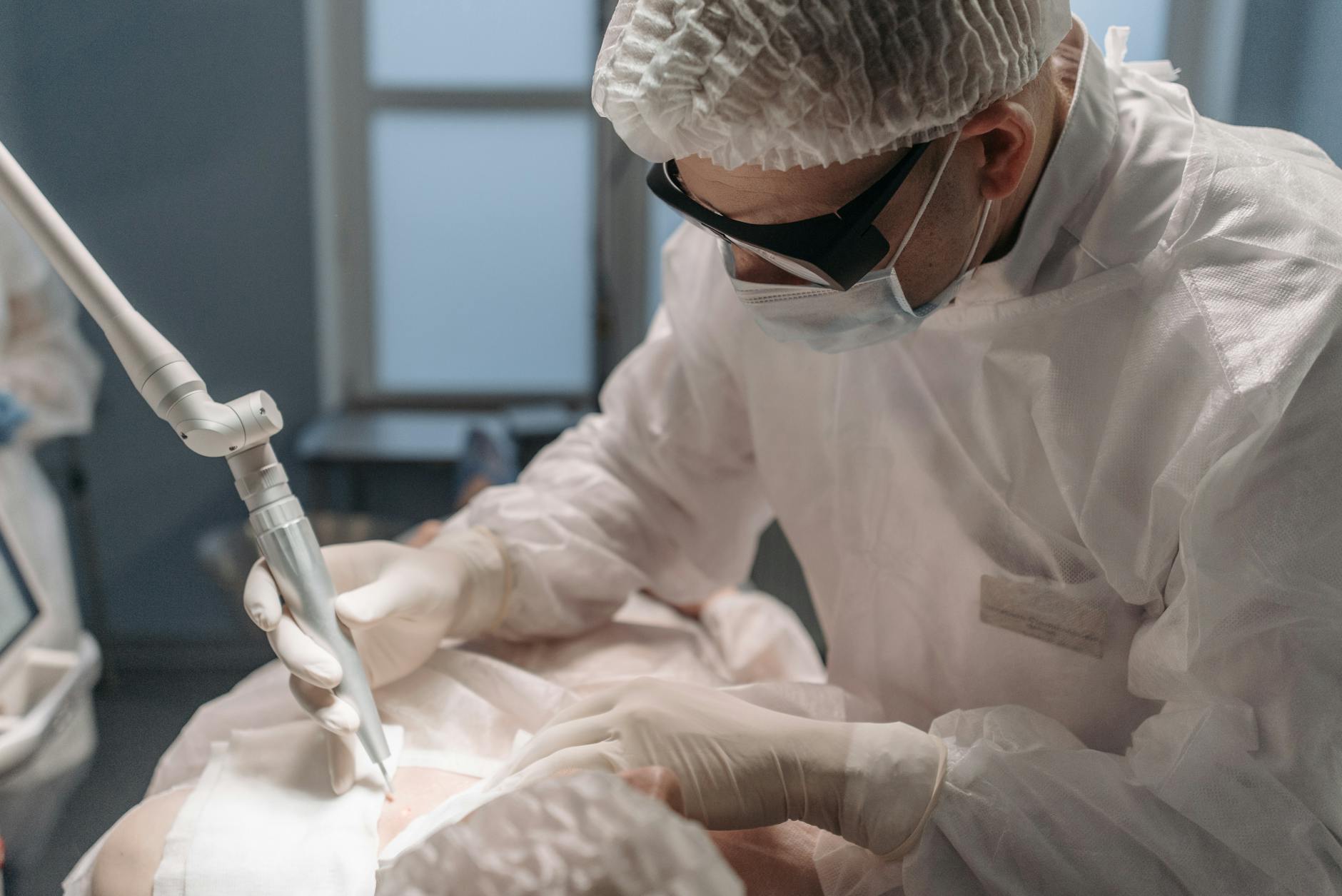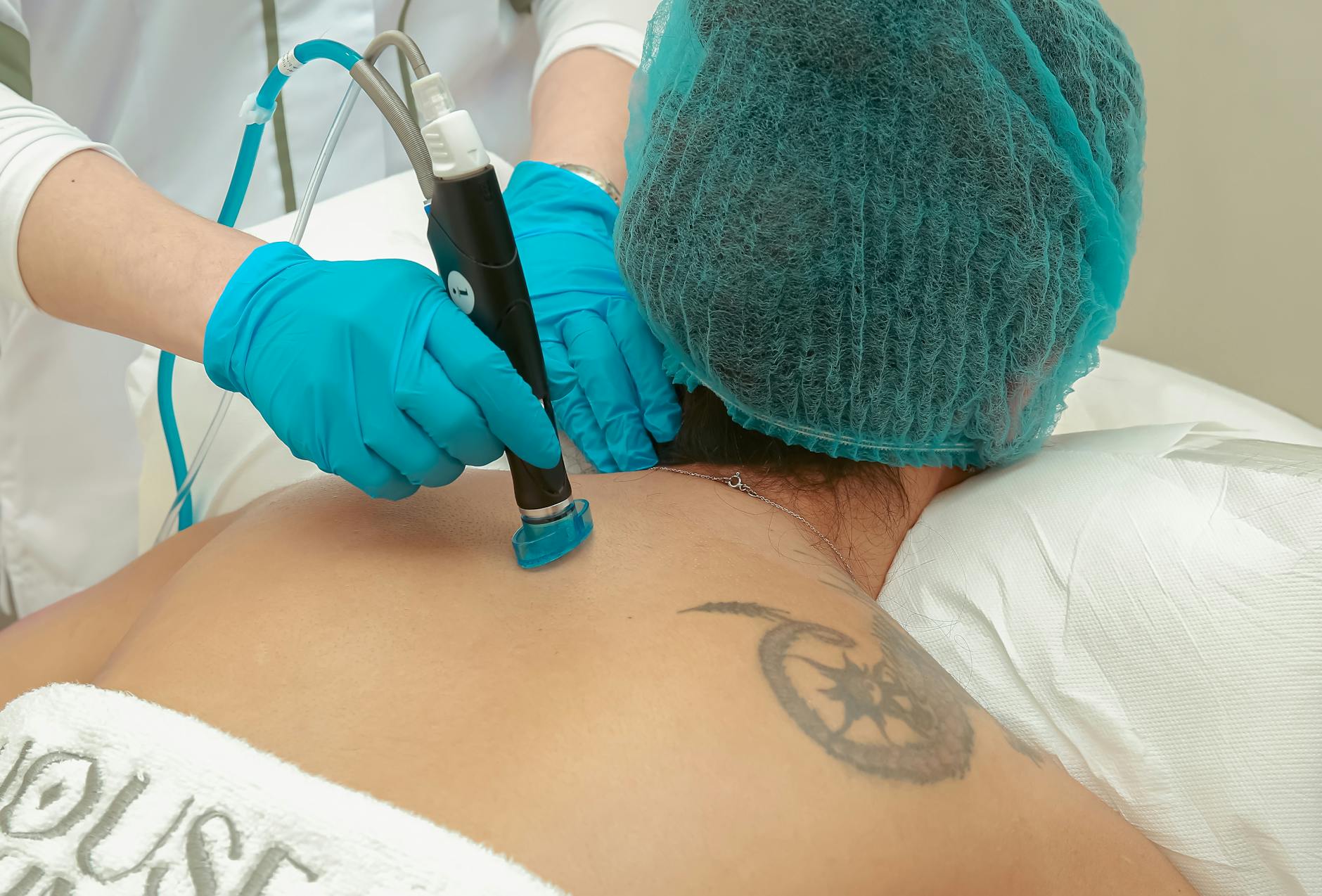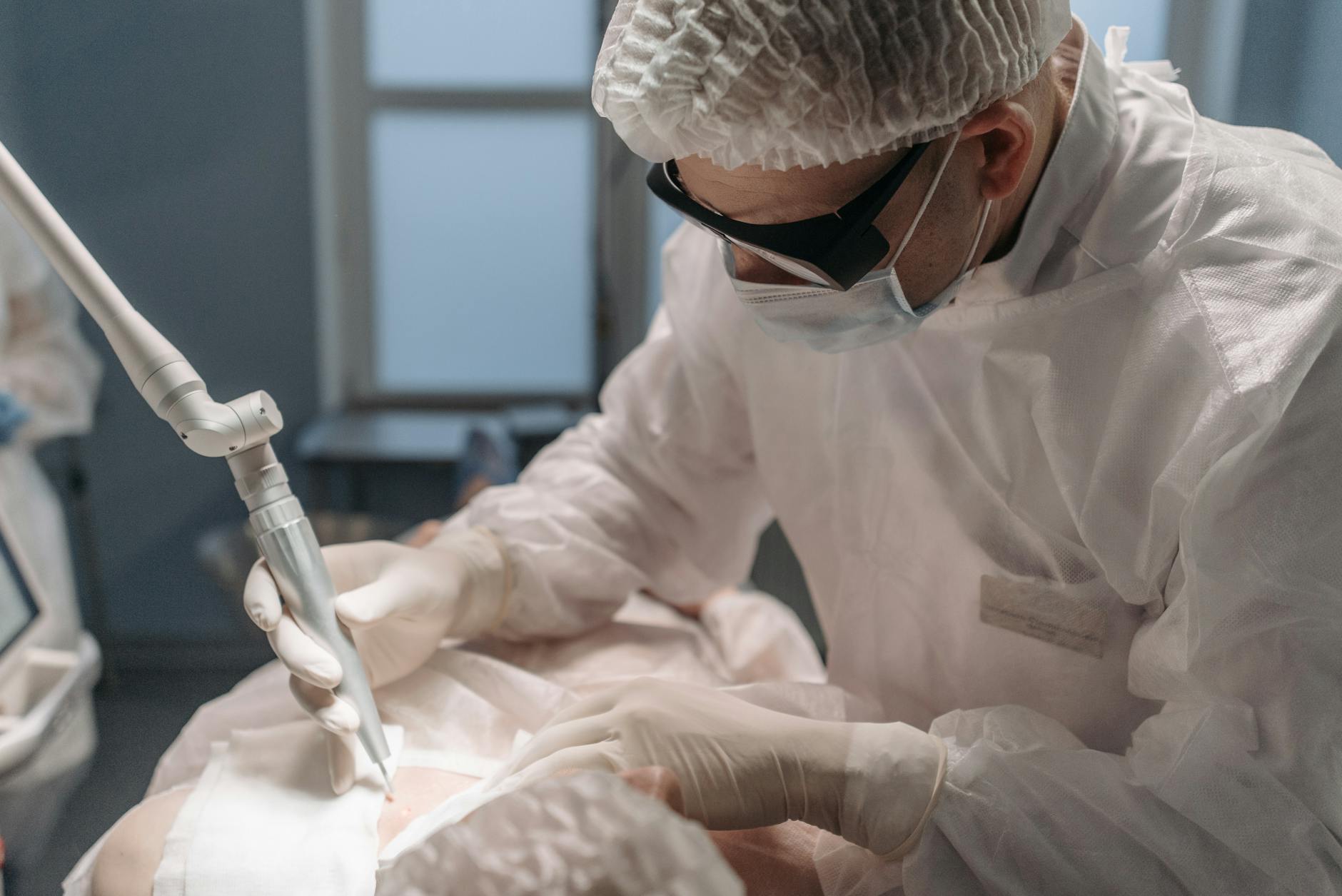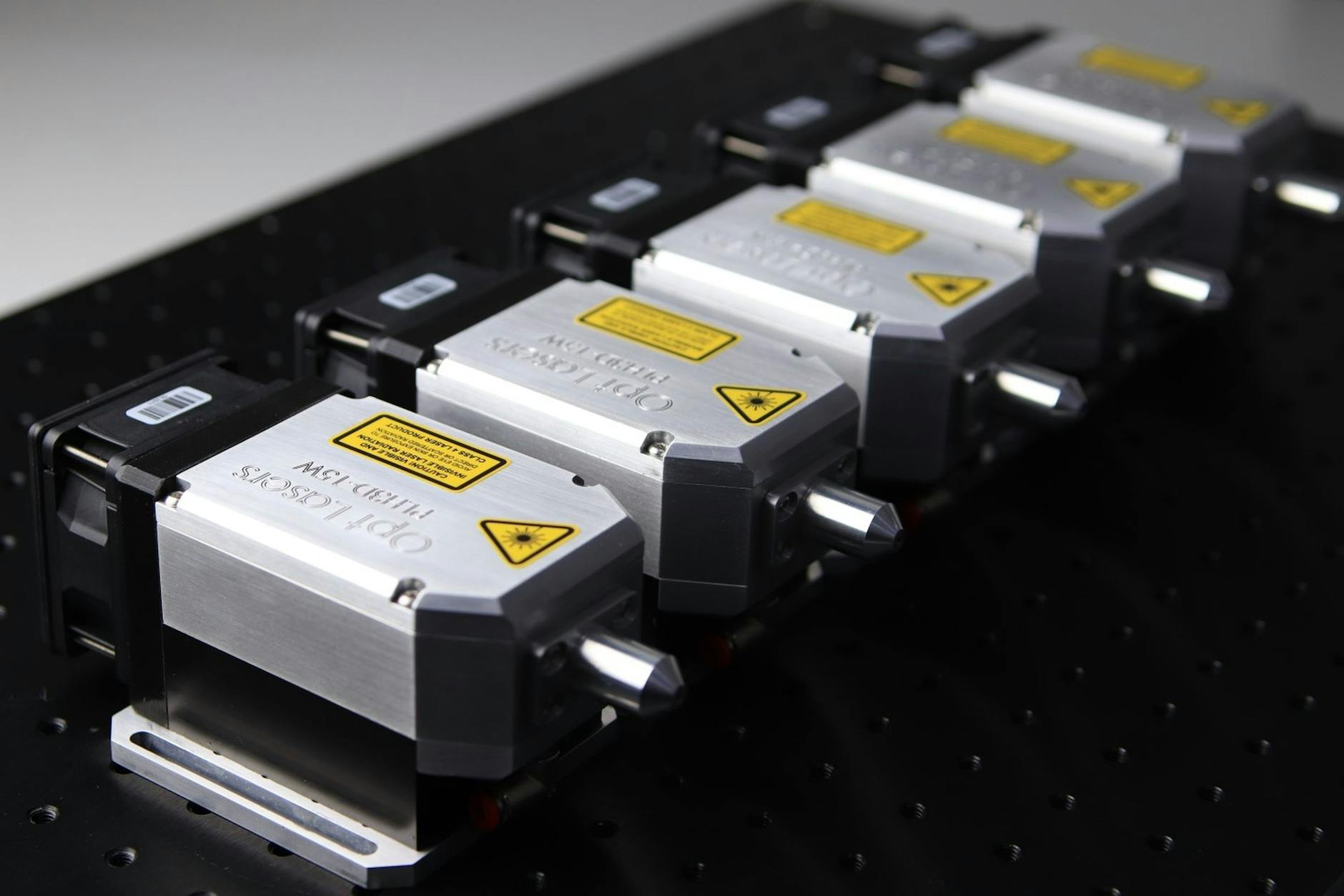
Quick Verdict: Which Laser Is Right for You?

Both picosecond and Q-switched lasers effectively remove unwanted pigmentation and tattoos, but they work differently. Picosecond lasers deliver energy in trillionths of a second, breaking down pigment particles more efficiently than Q-switched lasers, which pulse in billionths of a second.
"Picosecond technology typically requires 30-50% fewer treatment sessions than traditional Q-switched lasers."
Choose picosecond if you want faster results with fewer sessions and can invest more upfront. The advanced technology reduces treatment time and minimizes risks of scarring that worry many patients. Select Q-switched if you prefer proven technology with widespread availability and lower per-session costs.
Your specific skin concerns ultimately determine the best choice. Stubborn melasma and deep tattoos often respond better to picosecond precision, while surface-level age spots clear effectively with either option.
Technology Breakdown: How Each Laser Works
The fundamental difference between these laser technologies lies in their pulse duration—the time each burst of light energy lasts. Picosecond lasers fire incredibly brief pulses measured in trillionths of a second, while Q-switched lasers operate in nanoseconds, which are thousands of times longer.
“Picosecond pulses are so brief they shatter pigment particles without heating surrounding tissue.”
This timing difference dramatically affects how pigment breaks down. Picosecond lasers create photoacoustic pressure that shatters melanin and tattoo ink into microscopic fragments your immune system easily removes. The ultra-short pulses minimize heat damage to surrounding skin, reducing scarring risk—a common concern for patients considering laser treatments.
Q-switched lasers work through photothermal action, heating pigment particles until they fracture into larger pieces. While effective, this thermal process affects more surrounding tissue and requires multiple sessions for complete pigment clearance.
For example, removing a black tattoo typically requires 6-8 Q-switched sessions versus 4-6 picosecond treatments. The newer technology's precision means less discomfort and faster healing between appointments, helping you achieve clear skin more quickly.
Treatment Effectiveness Comparison

Both laser types deliver impressive results, but they excel in different areas. Picosecond lasers typically require fewer sessions for complete tattoo removal—usually 4-6 treatments compared to 8-12 sessions with Q-switched lasers. This faster timeline means you'll see clear skin sooner and spend less time worrying about the appearance of fading tattoos.
Treatment speed varies significantly between the technologies. Picosecond lasers work faster during each session, breaking down ink particles more efficiently. For pigmentation issues like age spots or melasma, picosecond lasers often show noticeable improvement after just one treatment.
Color versatility heavily favors picosecond technology. These lasers handle stubborn colors like yellow, green, and fluorescent inks that traditionally resist Q-switched treatment. For example, a bright green tattoo that might never fully clear with Q-switched technology often responds well to picosecond pulses.
Most importantly for your concerns about scarring, picosecond lasers cause less thermal damage to surrounding skin tissue. The ultra-short pulses create precise shattering effects without the heat buildup that can lead to permanent scarring or texture changes.
Side Effects and Recovery Time
Picosecond lasers generate significantly less heat damage than Q-switched lasers due to their ultra-short pulse duration. This fundamental difference translates to noticeably milder side effects and reduced risk of permanent scarring.
Q-switched lasers typically cause moderate swelling, blistering, and scabbing that persists for 7-10 days. The heat they produce can sometimes damage surrounding healthy tissue, particularly in patients with darker skin tones. Recovery requires careful wound care and sun avoidance for several weeks.
Picosecond treatments produce minimal swelling and rarely cause blistering. Most patients return to normal activities within 3-5 days with proper aftercare. The precise energy delivery reduces inflammation and accelerates healing, making social downtime much more manageable for busy lifestyles.
Cost and Accessibility Considerations
Q-switched lasers typically cost $150-400 per session, while picosecond treatments range from $300-800 per session. This price difference reflects the newer technology and faster clearance rates of picosecond devices.
Your total investment depends on treatment sessions required. Q-switched may need 8-12 sessions totaling $2,000-4,800, while picosecond often achieves results in 4-8 sessions for $2,200-6,400. Many patients find picosecond worth the higher per-session cost due to fewer appointments and faster results.
Q-switched lasers are widely available at most dermatology practices and medical spas. Picosecond technology is less common, primarily found at established dermatology clinics and specialized laser centers in metropolitan areas.
Who Should Choose Which Technology

Picosecond lasers work best for patients with stubborn tattoos, particularly colorful ones with blues and greens that resist traditional removal. These advanced systems also excel for treating melasma and age spots on lighter skin tones. If you want faster results and don't mind paying premium prices, picosecond technology delivers superior outcomes with fewer sessions.
Q-switched lasers remain the gold standard for most patients seeking reliable, cost-effective treatment. They handle black and red tattoos exceptionally well and provide proven results for common pigmentation issues. Darker skin tones often respond better to Q-switched systems, which offer more predictable healing without the risk of permanent scarring that concerns many patients.
Your skin type matters significantly in this decision. Fair-skinned patients typically see excellent results with either technology, while those with Mediterranean or darker complexions should lean toward Q-switched options. For example, patients with Fitzpatrick skin types IV-VI often experience better outcomes with traditional Q-switched systems that minimize complications.
Alternative Treatments to Consider
While laser treatments offer excellent results, Chemical Peels provide another effective path to clearer skin. These acid treatments remove damaged skin layers through controlled chemical exfoliation, targeting acne scars, age spots, and uneven texture without the intensity concerns that sometimes worry laser patients.
Chemical peels work particularly well for surface-level pigmentation issues and can be combined with laser treatments for comprehensive results. Your dermatologist might recommend starting with gentler peels before advancing to laser therapy, especially if you're concerned about potential scarring.
Non-laser alternatives include microneedling, IPL photofacials, and prescription topical treatments. These options often require longer treatment courses but may feel more comfortable for those hesitant about laser procedures.
Discuss all treatment options with your dermatologist to create a personalized plan that addresses your specific concerns and comfort level.
Frequently Asked Questions
What's the difference between picosecond and Q-switched lasers?
The main difference lies in pulse duration - picosecond lasers deliver energy in trillionths of a second while Q-switched lasers pulse in billionths of a second. Picosecond lasers create photoacoustic pressure that shatters pigment particles without heating surrounding tissue, while Q-switched lasers work through photothermal action that heats pigment until it fractures. This makes picosecond technology more precise with less risk of scarring.
How many laser sessions do I need for tattoo removal?
Picosecond lasers typically require 4-6 treatment sessions for complete tattoo removal, while Q-switched lasers need 8-12 sessions. For example, removing a black tattoo usually takes 6-8 Q-switched sessions versus 4-6 picosecond treatments. Picosecond technology requires 30-50% fewer treatment sessions than traditional Q-switched lasers.
Which laser is better for colorful tattoos?
Picosecond lasers are superior for colorful tattoos, especially stubborn colors like yellow, green, and fluorescent inks that traditionally resist Q-switched treatment. A bright green tattoo that might never fully clear with Q-switched technology often responds well to picosecond pulses. The advanced technology provides better color versatility overall.
Which laser should I choose for my treatment?
Choose picosecond if you want faster results with fewer sessions and can invest more upfront, especially for stubborn melasma and deep tattoos. Select Q-switched if you prefer proven technology with widespread availability and lower per-session costs. Your specific skin concerns ultimately determine the best choice, as surface-level age spots clear effectively with either option.
Disclaimer: This content is for informational purposes only and does not constitute medical advice. Always consult a qualified healthcare provider before making health decisions.