What Is Picosecond Laser Technology?

Picosecond laser technology represents a breakthrough in dermatological treatments, delivering laser pulses in trillionths of a second. To put this in perspective, a picosecond is to one second what one second is to 31,700 years. This ultra-fast timing makes picosecond lasers fundamentally different from traditional nanosecond lasers, which pulse in billionths of a second.
“Picosecond lasers shatter pigment and stimulate collagen without the thermal damage that causes scarring in older laser technologies.”
The key difference lies in how these lasers work. Traditional lasers rely heavily on heat to break down unwanted pigment, which can damage surrounding skin tissue. Picosecond lasers use photoacoustic energy instead—think of it like using sound waves rather than heat. This creates a shattering effect that breaks apart tattoo ink, age spots, and acne scars into tiny particles your body can naturally eliminate.
For example, removing a black tattoo with older Q-switched lasers might require 10-15 sessions and carry higher risks of scarring. Picosecond lasers often achieve similar results in 4-6 sessions with minimal risk of permanent skin damage. The precision targeting means your healthy skin stays protected while problem areas get effectively treated, addressing concerns about scarring that worry many patients considering laser treatments.
How Picosecond Lasers Work

Think of picosecond lasers as incredibly precise demolition tools for your skin. While traditional lasers heat tissue like a slow burn, picosecond lasers deliver energy in bursts so fast they're measured in trillionths of a second. This ultra-short pulse duration creates a completely different effect on your skin.
“Picosecond lasers shatter pigment and stimulate collagen without the thermal damage that causes scarring.”
The magic happens through something called the photoacoustic effect. Instead of cooking pigment cells with heat, these rapid pulses create pressure waves that literally shatter unwanted pigment into microscopic particles. Your body then naturally flushes these tiny fragments away through your lymphatic system.
Speed matters tremendously for skin safety. Traditional nanosecond lasers stay on your skin 1,000 times longer, generating heat that can damage surrounding healthy tissue. This thermal damage is what often leads to scarring and hyperpigmentation that patients fear most.
For example, when treating a dark acne scar, a picosecond laser breaks apart the melanin clusters so quickly that nearby skin cells remain completely unharmed. The surrounding tissue stays cool and intact, dramatically reducing your risk of complications.
This precise targeting means faster healing times and better results for conditions like melasma, age spots, and acne scars. Your skin can focus on rebuilding healthy collagen instead of repairing heat damage.
What Conditions Can Picosecond Lasers Treat?
Picosecond lasers offer versatile treatment options for multiple skin concerns that often cause social discomfort and self-consciousness. These advanced devices target unwanted pigmentation and textural issues with precision, making them ideal for patients seeking noticeable improvements without extensive downtime.
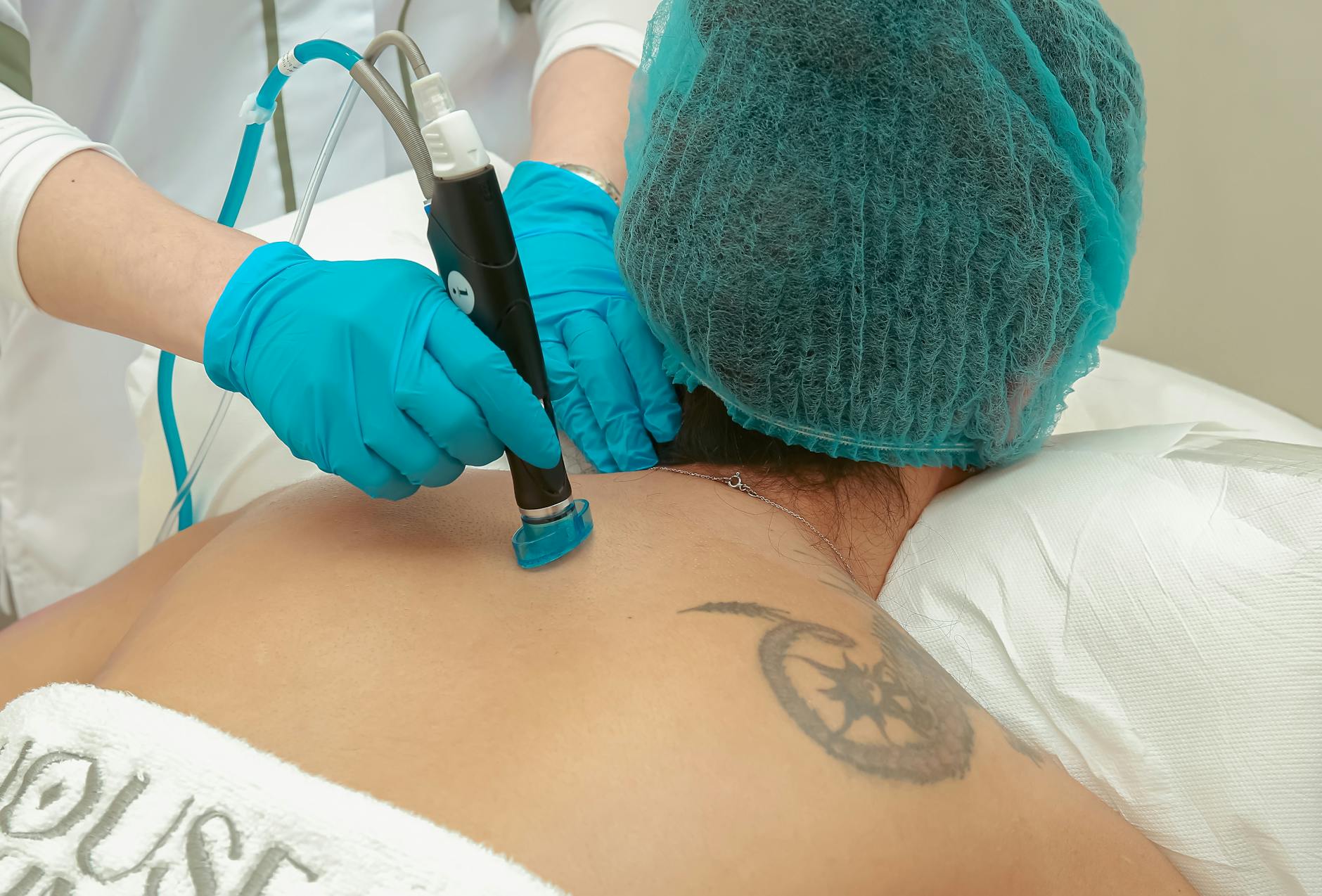
Tattoo removal represents the most well-known application of picosecond technology. The ultra-short pulses shatter ink particles into tiny fragments that your body naturally eliminates over time. Unlike older laser systems, picosecond lasers can effectively treat stubborn colors like blues and greens that previously required multiple treatment modalities.
Pigmentation disorders respond exceptionally well to picosecond treatment. Age spots, sun damage, melasma, and post-inflammatory hyperpigmentation from acne breakouts can be significantly reduced. The laser selectively targets melanin clusters while preserving surrounding healthy skin, minimizing the risk of permanent scarring that concerns many patients.
Acne scarring and general skin rejuvenation round out the primary treatment applications. The laser stimulates collagen production, gradually smoothing textural irregularities and improving overall skin tone for a more youthful appearance.
Picosecond vs Other Laser Types

Picosecond lasers represent a significant advancement over traditional Q-switched lasers, which operate in nanoseconds. This speed difference creates measurable improvements in treatment outcomes and patient comfort. Q-switched lasers work slower, requiring more sessions and often producing more heat-related side effects.
The faster pulse duration of picosecond technology reduces thermal damage to surrounding skin tissue. This translates to faster healing times, typically 3-5 days compared to 7-10 days with older laser systems. Patients experience less redness, swelling, and post-treatment discomfort while achieving comparable or superior results.
When comparing picosecond lasers to Chemical Peels for pigmentation issues, each treatment offers distinct advantages. Chemical Peels use acid treatments that remove damaged skin layers through controlled chemical exfoliation, targeting acne scars, age spots, and uneven skin tone across the face, neck, and chest. However, chemical peels require 7-14 days of sun avoidance and careful post-treatment care.
Picosecond lasers provide more precise targeting without the extended downtime chemical peels require. While chemical peels address surface-level concerns effectively, picosecond technology can reach deeper pigmentation and tattoo removal that chemical treatments cannot achieve. The choice between treatments depends on your specific skin concerns, desired downtime, and treatment goals.
Is Picosecond Laser Right for You?
Picosecond laser treatment works best for patients with specific skin concerns and realistic expectations. You're an ideal candidate if you have stubborn pigmentation, acne scars, or unwanted tattoos that haven't responded to other treatments. People with darker skin tones often see excellent results because picosecond technology reduces the risk of post-treatment pigmentation changes.
Your skin type matters significantly. Fair to medium skin tones typically respond fastest, while darker complexions may need additional sessions but still achieve great outcomes. If you're dealing with melasma, sun spots, or age spots, picosecond lasers often outperform traditional options.
Set realistic expectations about timing and results. Most patients see initial improvements after three to six sessions, with optimal results appearing over several months. Don't expect overnight transformation – your skin needs time to heal and regenerate naturally.
Consider alternatives if you have active infections, are pregnant, or taking certain medications. Patients with very deep scars might benefit more from combining picosecond treatment with other procedures. Always consult a qualified dermatologist who can assess your specific situation and recommend the safest, most effective approach for your skin goals.
Consult a board-certified dermatologist to determine if picosecond laser treatment matches your skin type, concerns, and realistic timeline expectations.
Frequently Asked Questions
What is picosecond laser technology?
Picosecond laser technology delivers laser pulses in trillionths of a second, which is fundamentally different from traditional nanosecond lasers. These ultra-fast pulses use photoacoustic energy to shatter pigment and stimulate collagen without the thermal damage that causes scarring in older laser technologies. This creates a shattering effect that breaks apart tattoo ink, age spots, and acne scars into tiny particles your body can naturally eliminate.
How do picosecond lasers work differently than traditional lasers?
Picosecond lasers create pressure waves through the photoacoustic effect that literally shatter unwanted pigment into microscopic particles, while traditional lasers rely on heat to break down pigment. Traditional nanosecond lasers stay on your skin 1,000 times longer, generating heat that can damage surrounding healthy tissue and lead to scarring. The ultra-short pulse duration of picosecond lasers keeps surrounding tissue cool and intact, dramatically reducing risk of complications.
What skin conditions can picosecond lasers treat?
Picosecond lasers can treat multiple skin concerns including tattoo removal, age spots, acne scars, and melasma. They are particularly effective for tattoo removal because they can treat stubborn colors like blues and greens that previously required multiple treatment modalities. The technology targets unwanted pigmentation and textural issues with precision, making it ideal for patients seeking noticeable improvements without extensive downtime.
How many sessions does picosecond laser tattoo removal take?
Picosecond lasers often achieve tattoo removal results in 4-6 sessions with minimal risk of permanent skin damage. In comparison, removing a black tattoo with older Q-switched lasers might require 10-15 sessions and carry higher risks of scarring. The precision targeting means healthy skin stays protected while problem areas get effectively treated.
Disclaimer: This content is for informational purposes only and does not constitute medical advice. Always consult a qualified healthcare provider before making health decisions.