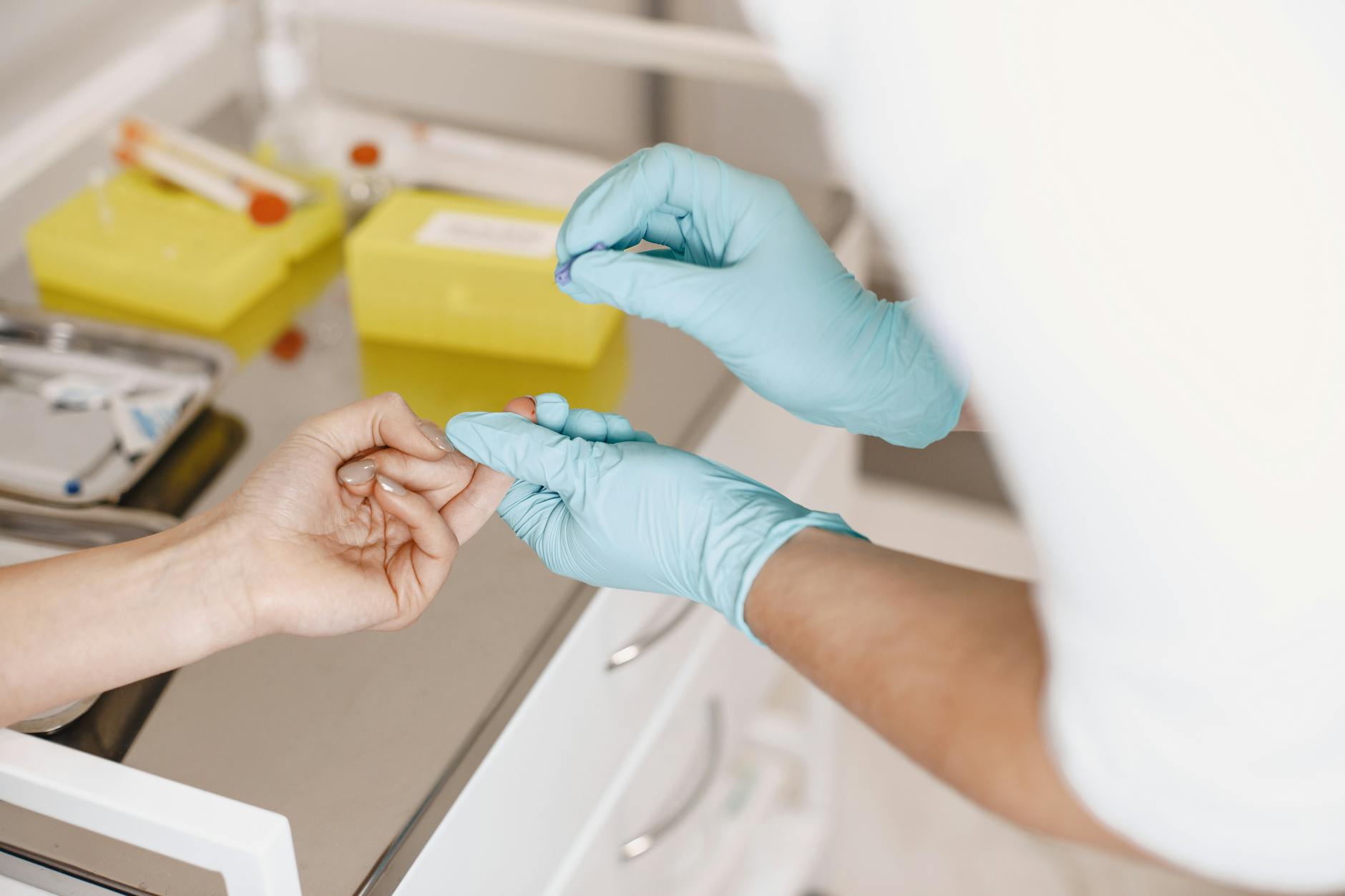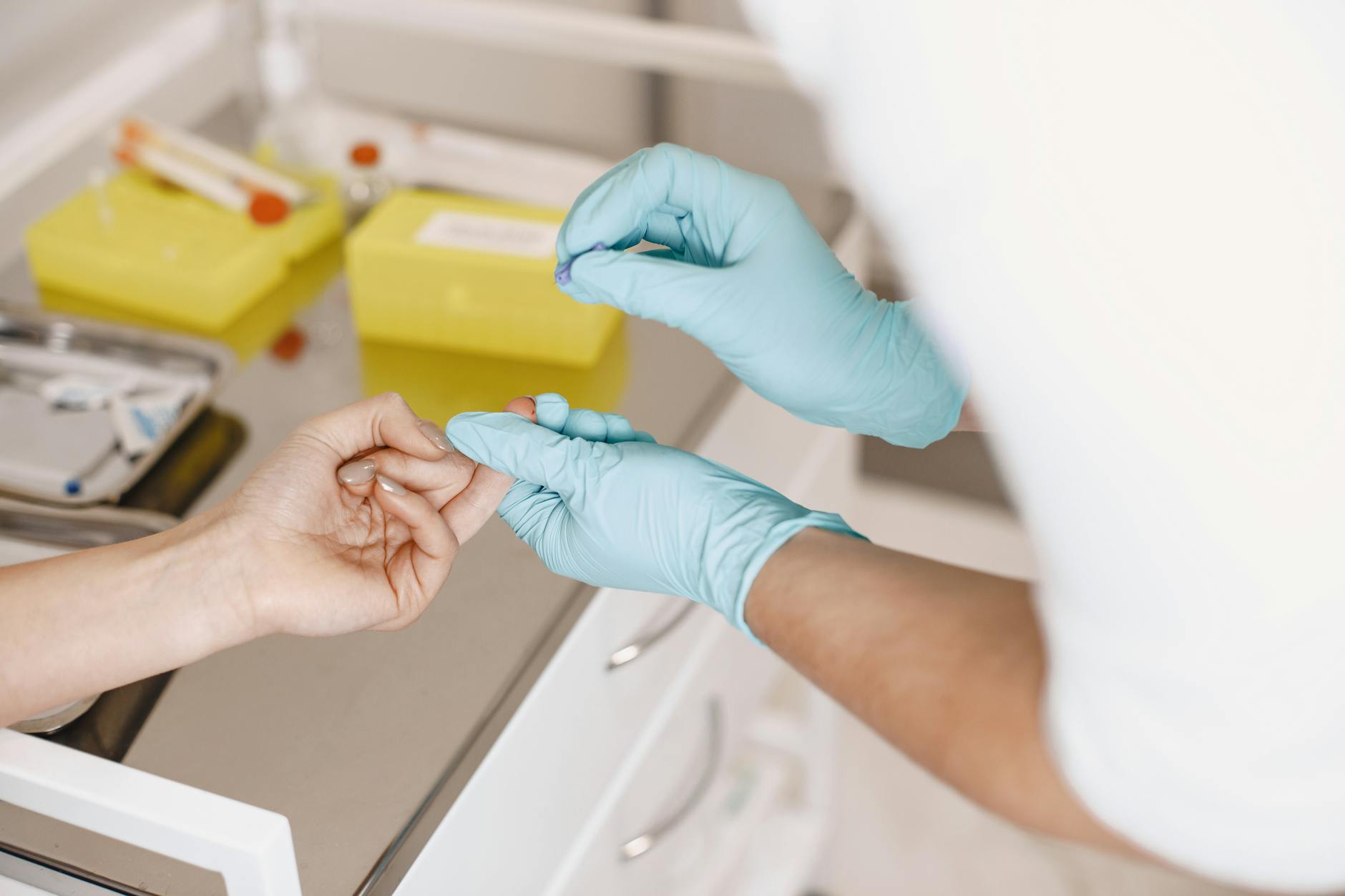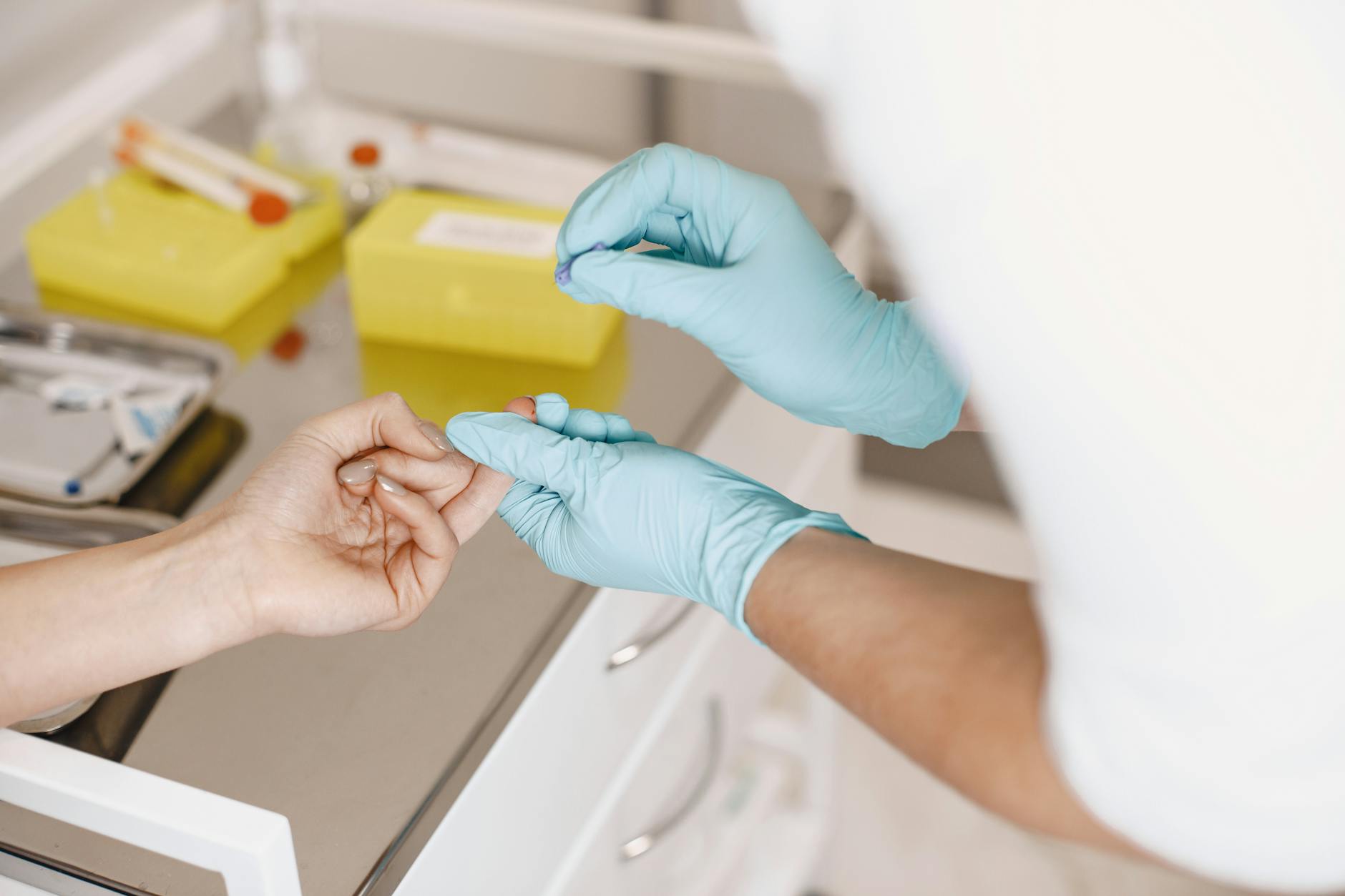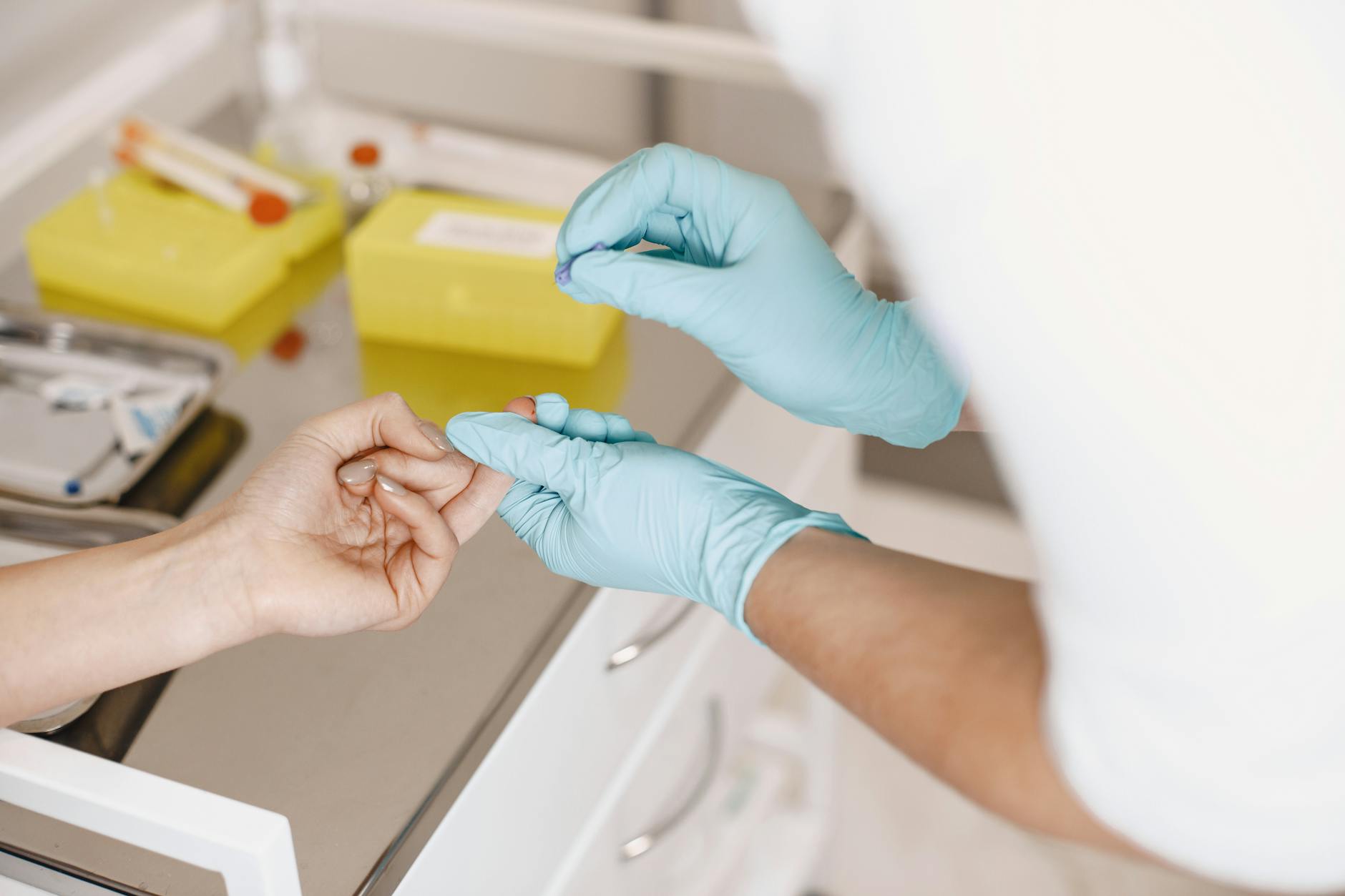
What Is a Punch Biopsy Procedure

A punch biopsy is a minor medical procedure where your dermatologist removes a small, circular piece of skin tissue for laboratory examination. Think of it like using a tiny cookie cutter to take a sample - the tool creates a clean, round piece of skin that contains all the layers your doctor needs to analyze.
“A punch biopsy provides the most complete tissue sample for accurate diagnosis while leaving minimal scarring.”
Dermatologists choose punch biopsies when they need to examine deeper skin layers to diagnose conditions like suspicious moles, rashes, or inflammatory skin diseases. Unlike a shave biopsy that only removes the surface layer, a punch biopsy goes through the entire thickness of skin, giving doctors a complete picture of what's happening beneath the surface.
The procedure differs significantly from other biopsy types. While shave biopsies scrape away surface tissue and excisional biopsies remove entire lesions with wide margins, punch biopsies take precise circular samples typically 3-8 millimeters wide. This targeted approach means less tissue removal and smaller scars - often just a tiny line that fades over time.
Your doctor might recommend a punch biopsy when visual examination isn't enough to make a definitive diagnosis. For example, if you have a changing mole or persistent rash that hasn't responded to treatment, the microscopic tissue analysis can reveal exactly what's causing your skin concern.
When Your Dermatologist Recommends a Punch Biopsy
Your dermatologist will recommend a punch biopsy when visual examination alone cannot provide a definitive diagnosis. This typically happens when you have suspicious moles that have changed in size, color, or texture, or when new growths appear that don't match typical benign patterns.
“A punch biopsy provides the deep tissue sample needed to rule out serious conditions that surface-level examinations might miss.”
Deep tissue sampling becomes necessary when skin conditions extend beyond the surface layers. For example, if you have a persistent red patch that hasn't responded to treatment, your doctor may need to examine deeper skin layers to identify the root cause. Inflammatory conditions like psoriasis, eczema variants, or autoimmune disorders often require this level of tissue analysis.
Regarding scarring concerns, punch biopsies typically leave minimal marks when performed by experienced dermatologists. The small circular incision usually heals to a barely noticeable dot, especially when proper aftercare instructions are followed. Your doctor will discuss placement to minimize any visible impact, often choosing areas that heal well or remain hidden by clothing.
Common scenarios include irregular moles, persistent rashes, unusual bumps, or skin changes that don't improve with standard treatments.
Preparing for Your Punch Biopsy

Proper preparation helps ensure your punch biopsy goes smoothly and heals well. Your dermatologist will provide specific instructions, but understanding what's expected beforehand reduces anxiety and helps you feel more confident.
Stop taking blood thinners like aspirin, ibuprofen, or prescription anticoagulants as directed by your doctor, typically 3-7 days before the procedure.
Wash the biopsy site with mild soap and water the night before and morning of your appointment.
Wear loose-fitting clothes that allow easy access to the biopsy site and won't rub against it afterward.
Bring your insurance cards, a list of current medications, and someone to drive you home if you feel anxious about the procedure. Most patients drive themselves without issue, but having support helps some people feel more comfortable.
Don't apply lotions, makeup, or other products to the biopsy area on procedure day. While concerns about scarring are natural, punch biopsies typically heal with minimal marking when proper aftercare is followed. Your dermatologist will discuss realistic healing expectations during your consultation.
Step-by-Step: What Happens During the Procedure
Understanding exactly what happens during your punch biopsy helps reduce anxiety about the unknown. The entire procedure typically takes 15-20 minutes, and while scarring is a natural concern, proper technique and aftercare minimize this risk significantly.
Your doctor cleans the target area with antiseptic solution and marks the precise biopsy site.
A small needle injects lidocaine into the skin, causing brief stinging that quickly numbs the area completely.
The doctor presses and rotates a circular punch tool through the skin, creating a small cylindrical sample.
Forceps gently lift out the tissue sample, which goes directly to the laboratory for analysis.
Small wounds may heal naturally, while larger ones receive one or two stitches for optimal healing.
Most patients feel only pressure during the actual tissue removal since the anesthesia blocks all pain sensations. For example, a 4mm punch biopsy on your arm feels similar to someone pressing firmly with their finger.
The wound closure method depends on the biopsy size and location. Facial biopsies often require stitches to ensure the best cosmetic outcome, while body areas may heal well without them. Your doctor chooses the approach that balances healing speed with minimal scarring for your specific situation.
After Your Punch Biopsy: Healing and Care
Proper aftercare is crucial for preventing scarring and ensuring your skin heals smoothly. Your dermatologist will cover the biopsy site with a sterile bandage immediately after the procedure, which you should keep dry for the first 24 hours.
Remove the old bandage, wash with mild soap and water, then pat dry with a clean towel.
Use a thin layer of prescribed ointment or petroleum jelly to keep the wound moist.
Place a new adhesive bandage over the site to protect from bacteria and friction.
Avoid swimming, hot tubs, and strenuous exercise for 48 hours. These activities can introduce bacteria or cause the wound to reopen. Normal healing shows gradual scab formation without excessive redness, swelling, or pus.
Most biopsy sites heal completely within 2-3 weeks, leaving minimal scarring when cared for properly. Watch for signs of infection like increasing pain, red streaking, or yellow discharge, which require immediate medical attention.
The small circular wound will form a protective scab that naturally falls off as new skin grows underneath. Resist picking at the scab, as this increases your risk of permanent scarring and delays healing.
Understanding Your Results and Next Steps
Pathology results typically arrive within 7-14 business days after your punch biopsy. Your dermatologist will contact you with findings and explain what they mean for your specific situation. The pathology report contains detailed information about cell types, inflammation levels, and any abnormal findings that guided the biopsy decision.
Most biopsy results fall into three categories: benign (non-cancerous), pre-cancerous, or malignant (cancerous). Benign results often require no further treatment, while pre-cancerous findings may need monitoring or preventive measures. If cancer is detected, your dermatologist will discuss treatment options and timeline immediately.
Follow-up treatments vary based on your results and skin concerns. For cosmetic improvements after healing, options like Chemical Peels can address remaining texture issues or pigmentation changes. These acid treatments remove damaged skin layers to improve appearance through controlled chemical exfoliation, helping with acne scars, fine lines, and uneven skin tone.
Your dermatologist will schedule appropriate follow-up appointments based on your results. Don't worry about permanent scarring from the biopsy site—proper wound care typically results in minimal, barely visible marks that fade significantly over time.
Potential Risks and How to Minimize Them

While punch biopsies are generally safe procedures, understanding potential complications helps you make informed decisions and recognize warning signs. Most patients experience only minor side effects that resolve quickly with proper care.
Common side effects include temporary pain, swelling, and bruising around the biopsy site. These typically subside within a few days. You might also notice some clear or slightly bloody drainage for the first 24-48 hours, which is completely normal. The healing wound may feel tight or itchy as new skin forms.
Rare complications include infection, excessive bleeding, or allergic reactions to local anesthesia. While concerns about permanent scarring are understandable, modern punch biopsy techniques minimize this risk significantly. Most scars fade to barely noticeable marks within months.
Contact your doctor immediately if you experience increasing redness spreading from the wound, pus discharge, red streaking, fever, or bleeding that doesn't stop with direct pressure. These signs warrant prompt medical attention to prevent complications.
Is a Punch Biopsy Right for You
A punch biopsy works best when your dermatologist needs a tissue sample to make an accurate diagnosis. You're an ideal candidate if you have a suspicious mole, persistent rash, or skin lesion that hasn't responded to treatment. The procedure suits patients who can follow aftercare instructions and have realistic healing expectations.
Your dermatologist might recommend alternatives depending on your situation. Shave biopsies work for raised lesions, while excisional biopsies remove entire suspicious areas. For some skin conditions, your doctor might try topical treatments first or use dermoscopy for initial evaluation.
While concerns about scarring are natural, punch biopsies typically heal well when performed correctly. The small, round scar usually fades significantly over time and remains less noticeable than you might expect.
Ask your dermatologist these important questions: Why do you recommend a punch biopsy over other methods? What will the scar look like after healing? How long before I get results? What happens if the biopsy shows concerning findings?
Trust your dermatologist's expertise in determining the best diagnostic approach. They consider factors like lesion size, location, and your medical history when recommending a punch biopsy. Early diagnosis often prevents more extensive procedures later.
A punch biopsy provides accurate diagnosis with minimal scarring when performed by an experienced dermatologist on appropriate candidates.
Frequently Asked Questions
What is a punch biopsy and how is it different from other skin biopsies?
A punch biopsy is a minor medical procedure where a dermatologist removes a small, circular piece of skin tissue using a tool that works like a tiny cookie cutter. Unlike shave biopsies that only remove the surface layer, punch biopsies go through the entire thickness of skin to provide a complete tissue sample. This targeted approach typically creates samples 3-8 millimeters wide, resulting in less tissue removal and smaller scars compared to excisional biopsies.
When would a dermatologist recommend a punch biopsy?
Dermatologists recommend punch biopsies when visual examination alone cannot provide a definitive diagnosis. Common scenarios include suspicious moles that have changed in size, color, or texture, persistent rashes that haven't responded to treatment, or unusual skin growths that don't match typical benign patterns. The procedure is also necessary when skin conditions extend beyond surface layers and require deep tissue analysis to identify inflammatory conditions like psoriasis or autoimmune disorders.
Will a punch biopsy leave a scar?
Punch biopsies typically leave minimal scarring when performed by experienced dermatologists. The small circular incision usually heals to a barely noticeable dot or tiny line that fades over time. Doctors often choose placement areas that heal well or remain hidden by clothing to minimize any visible impact.
How should I prepare for a punch biopsy procedure?
Preparation involves reviewing your medications and stopping blood thinners like aspirin, ibuprofen, or prescription anticoagulants as directed by your doctor, typically 3-7 days before the procedure. You should also clean the biopsy site gently with mild soap and water the night before and morning of your appointment. Your dermatologist will provide specific instructions to ensure the procedure goes smoothly and heals well.
Disclaimer: This content is for informational purposes only and does not constitute medical advice. Always consult a qualified healthcare provider before making health decisions.