
Types of Skin Biopsy Procedures
Overview of different biopsy techniques including punch, shave, incisional, and excisional methods with their specific uses
Read article →
10 articles
A skin biopsy is a diagnostic procedure where your dermatologist removes a small sample of skin tissue for laboratory analysis. This essential tool helps doctors accurately diagnose various skin conditions, from suspicious moles and rashes to potential skin cancers. Understanding the different biopsy procedures, what to expect, and how to care for yourself afterward can help you feel more confident about this important diagnostic step.
This section guides you through everything you need to know about skin biopsies, including the different types of procedures, preparation and aftercare instructions, and understanding your results. You'll find detailed information about punch biopsies, shave biopsies, and when each procedure might be recommended.
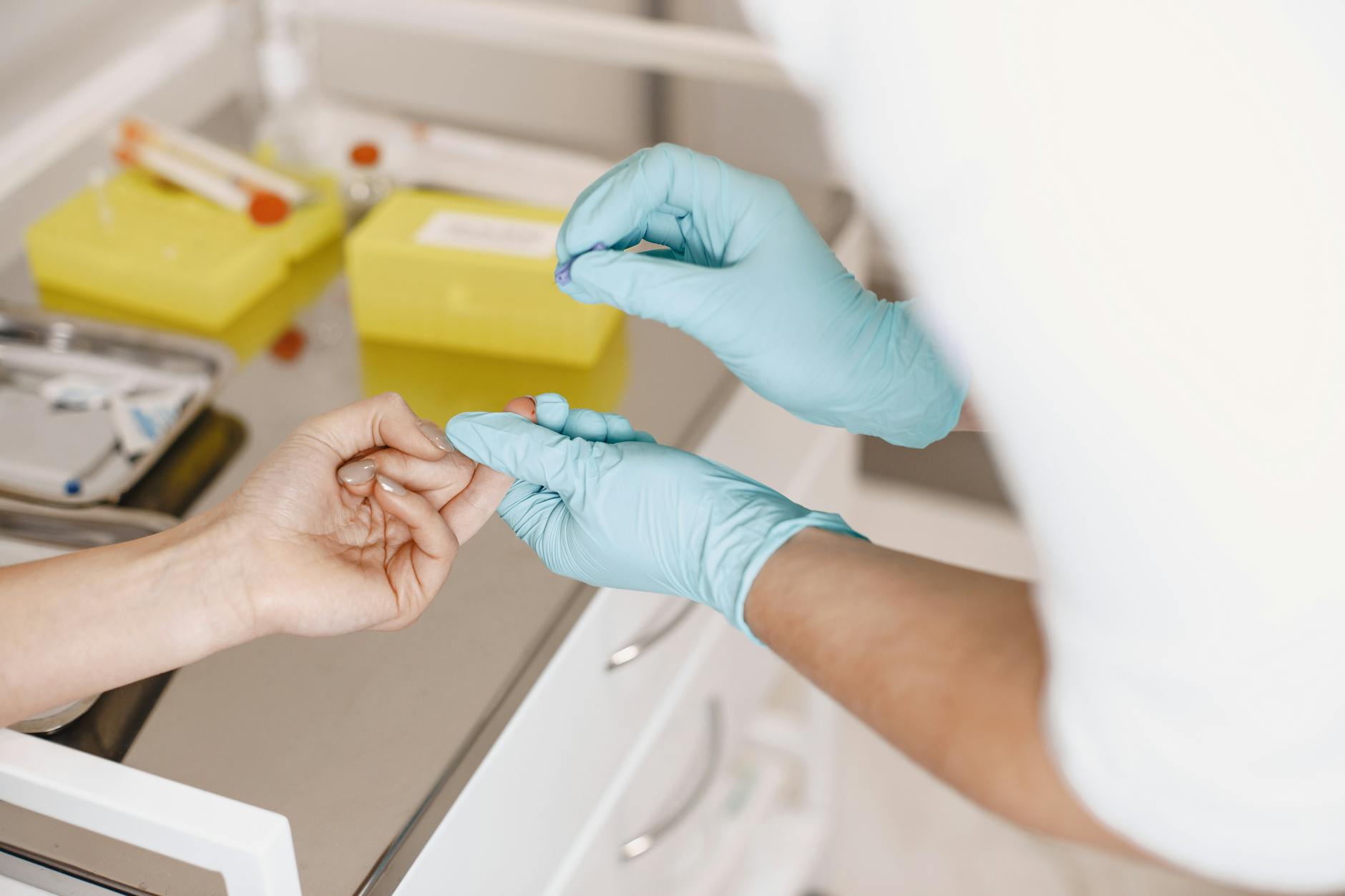
Overview of different biopsy techniques including punch, shave, incisional, and excisional methods with their specific uses
Read article →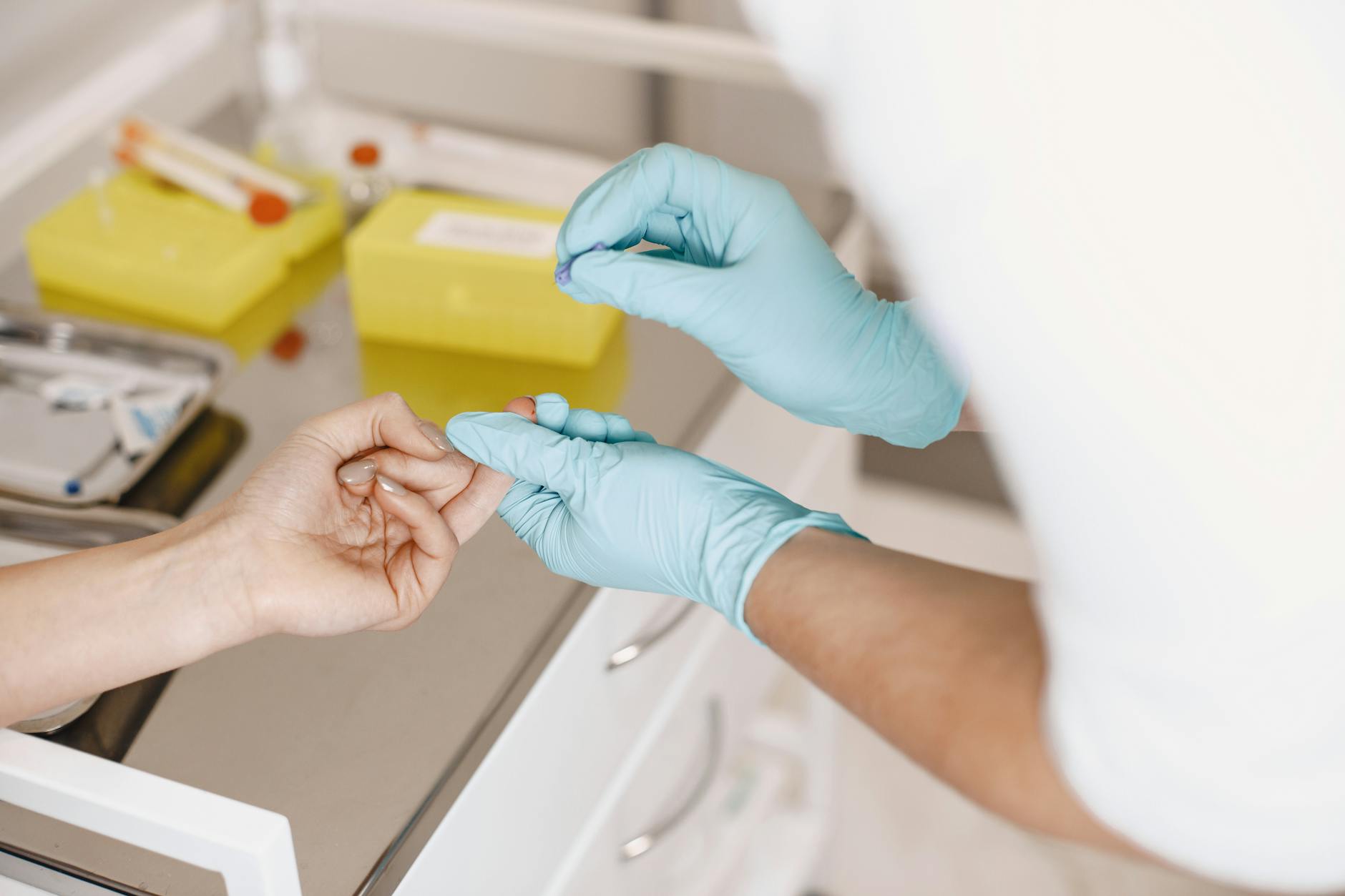
Detailed explanation of punch biopsy technique, when it's used, what to expect during the procedure, and healing process
Read article →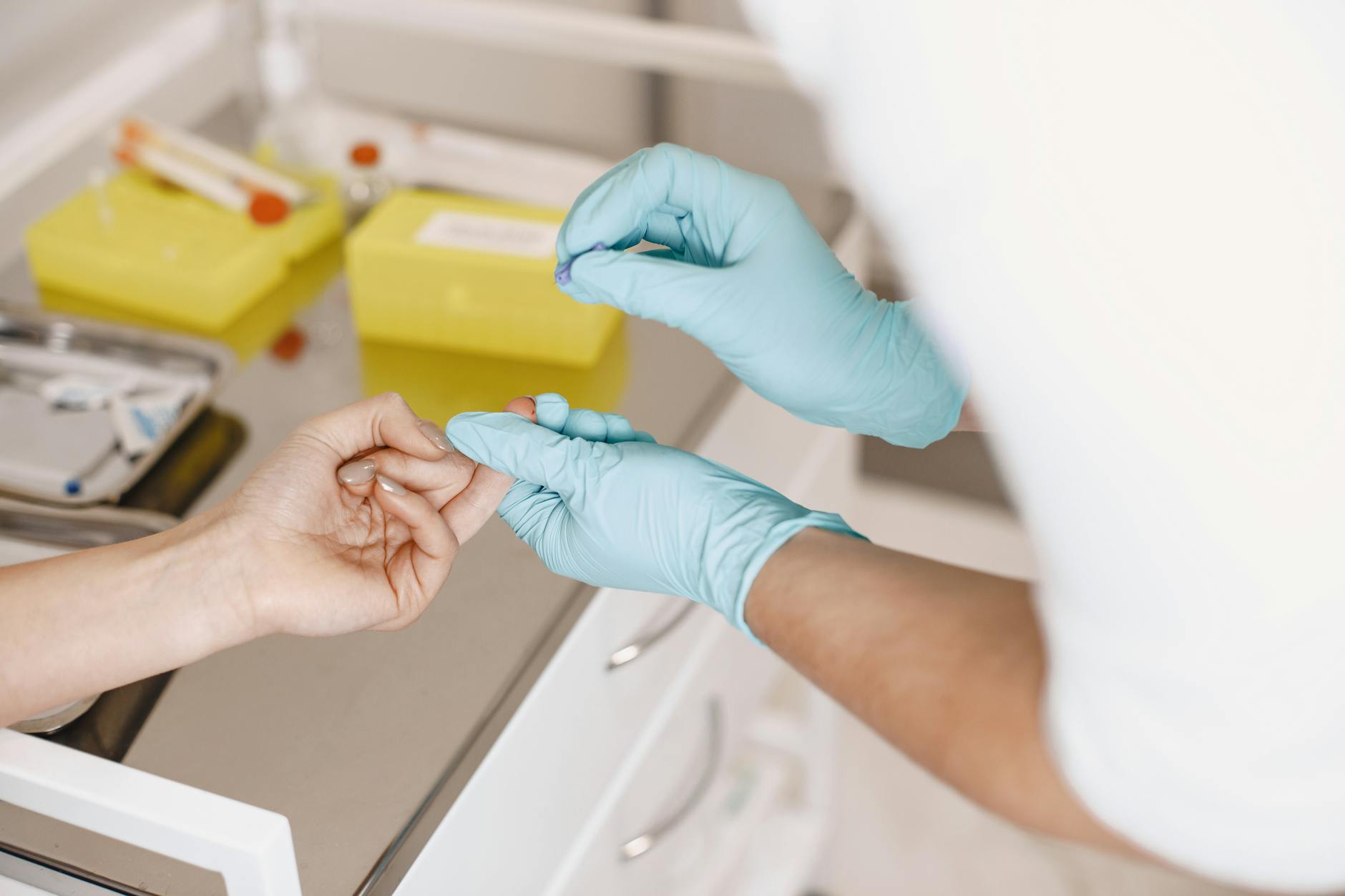
Complete guide to shave biopsy technique, indications, procedure steps, and expected outcomes for superficial skin lesions
Read article →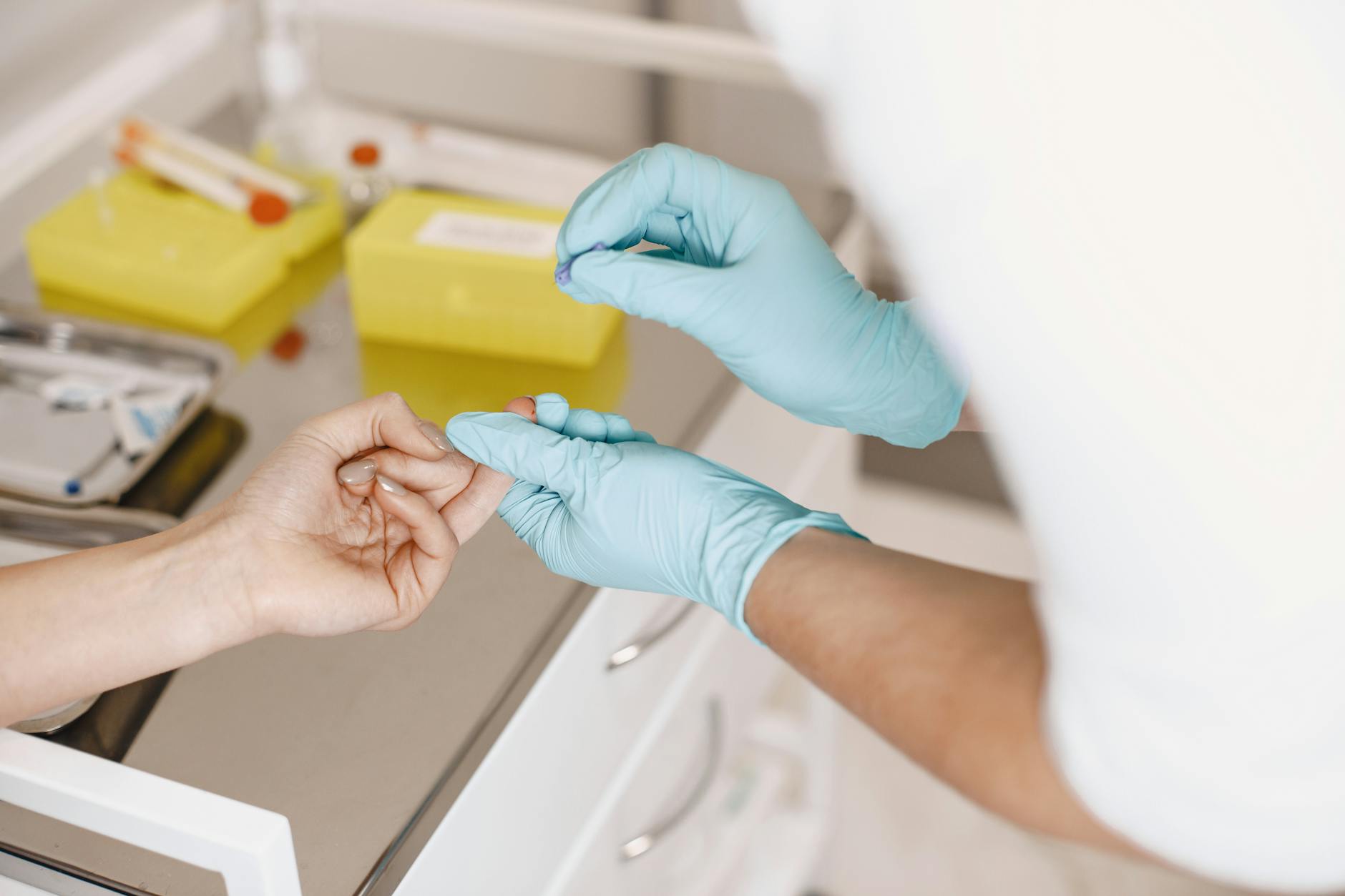
Comparison of incisional and excisional biopsy methods, when each is recommended, and differences in tissue sampling
Read article →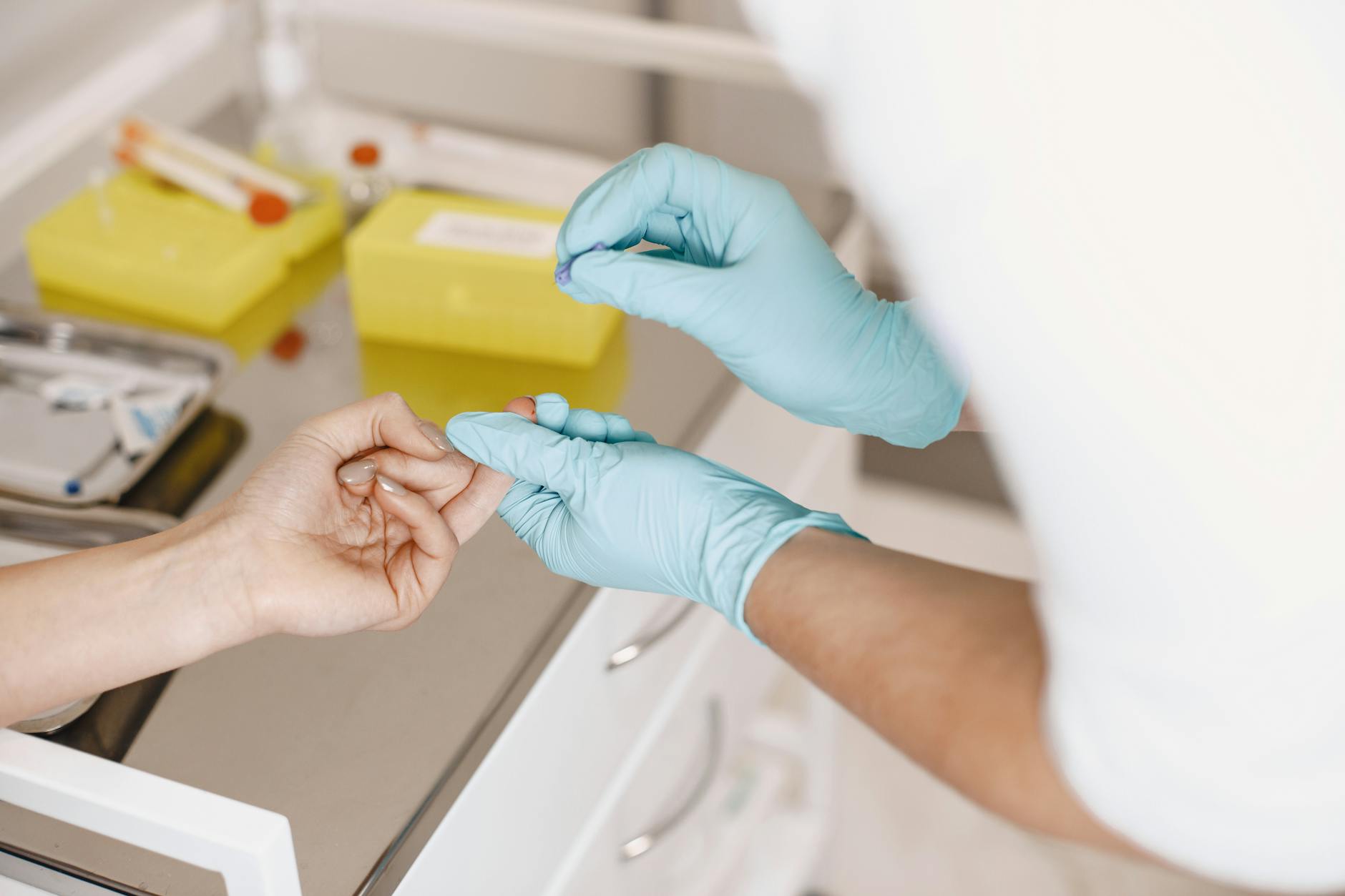
Patient guide covering preparation, the biopsy procedure experience, local anesthesia, and immediate post-procedure care
Read article →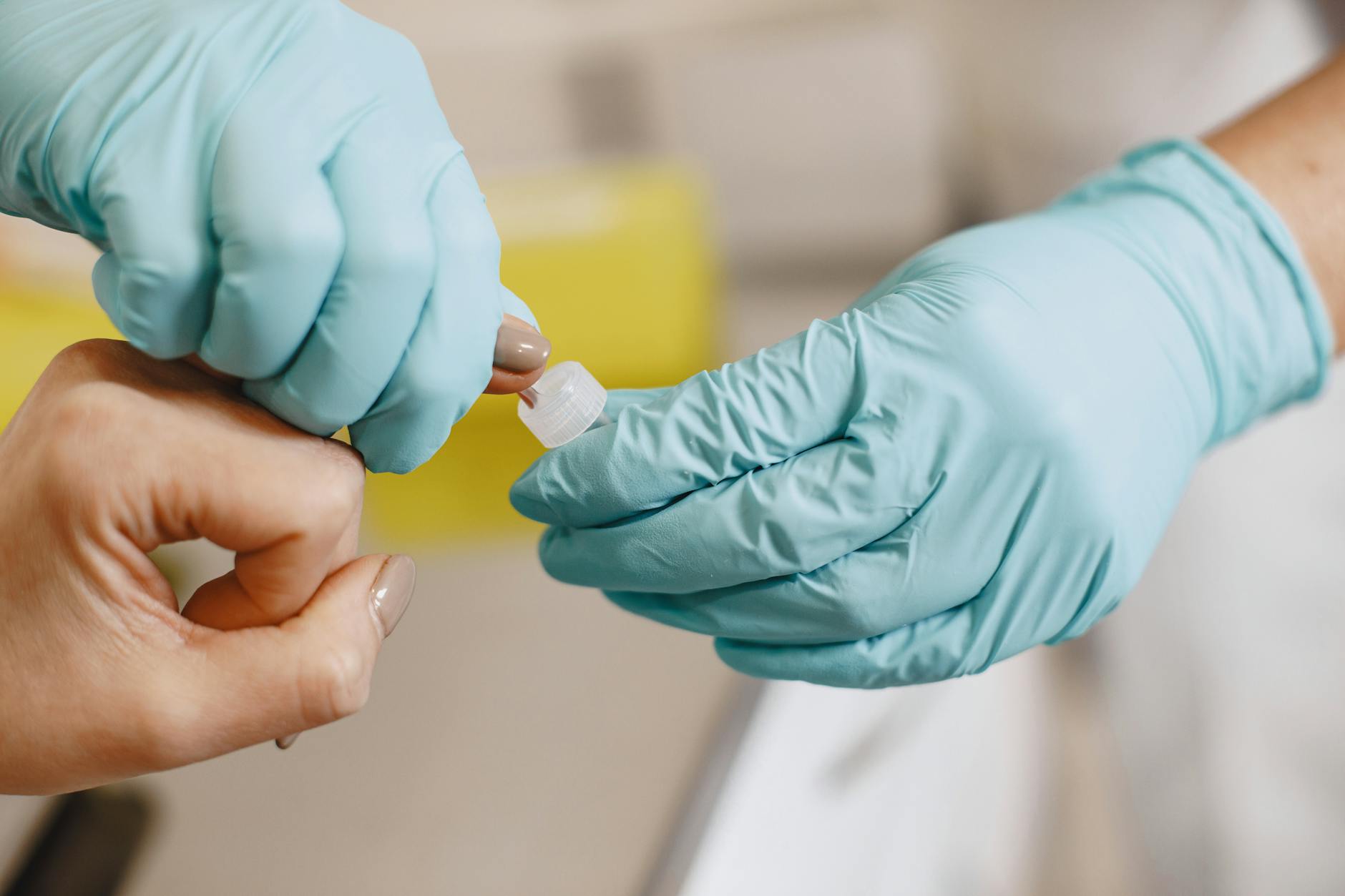
Understanding biopsy results, pathology reports, timeline for receiving results, and what different findings mean
Read article →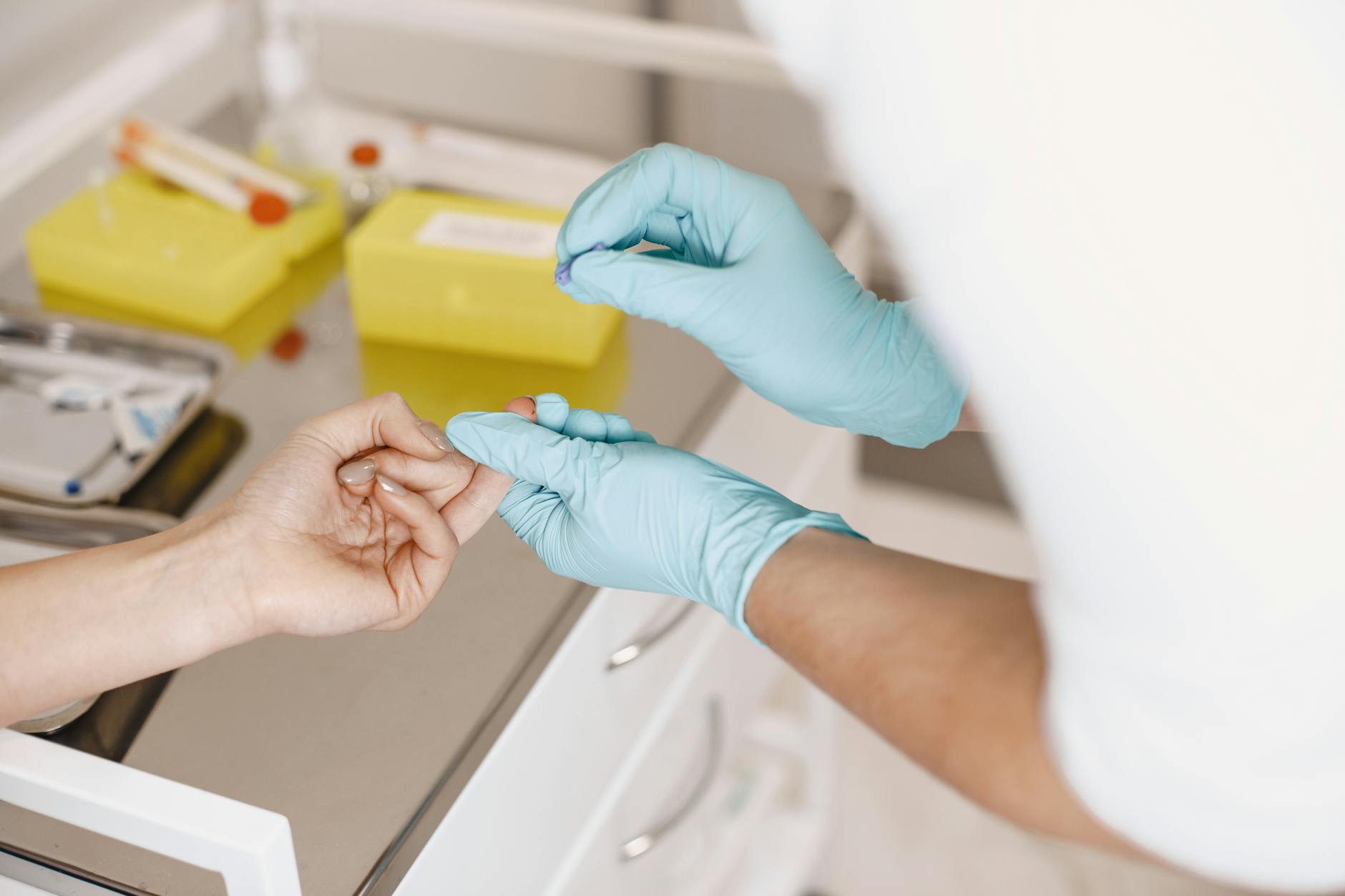
Post-biopsy wound care instructions, healing timeline, when to change dressings, and signs of complications
Read article →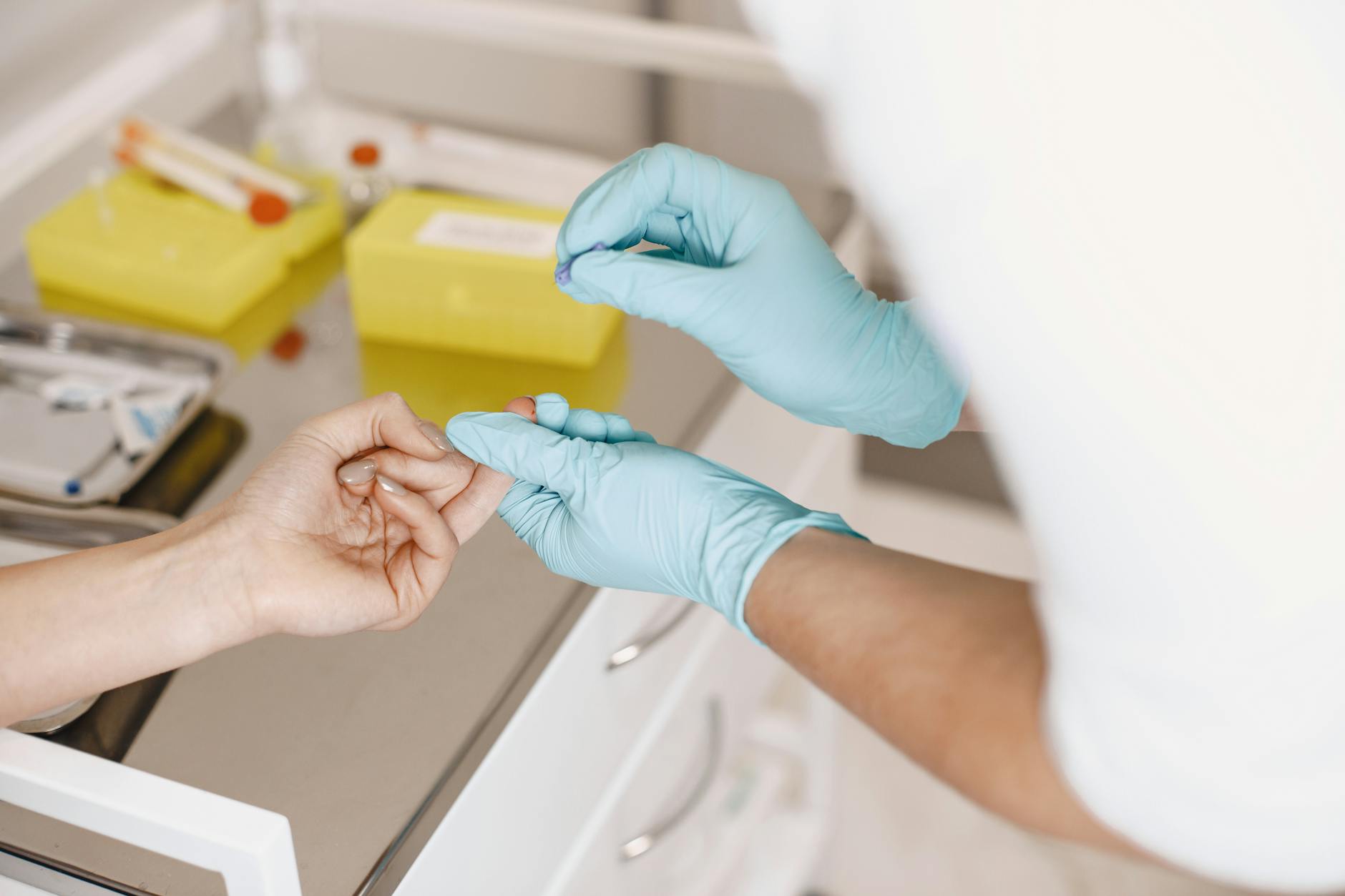
Potential complications including infection, bleeding, scarring, and nerve damage with prevention and management strategies
Read article →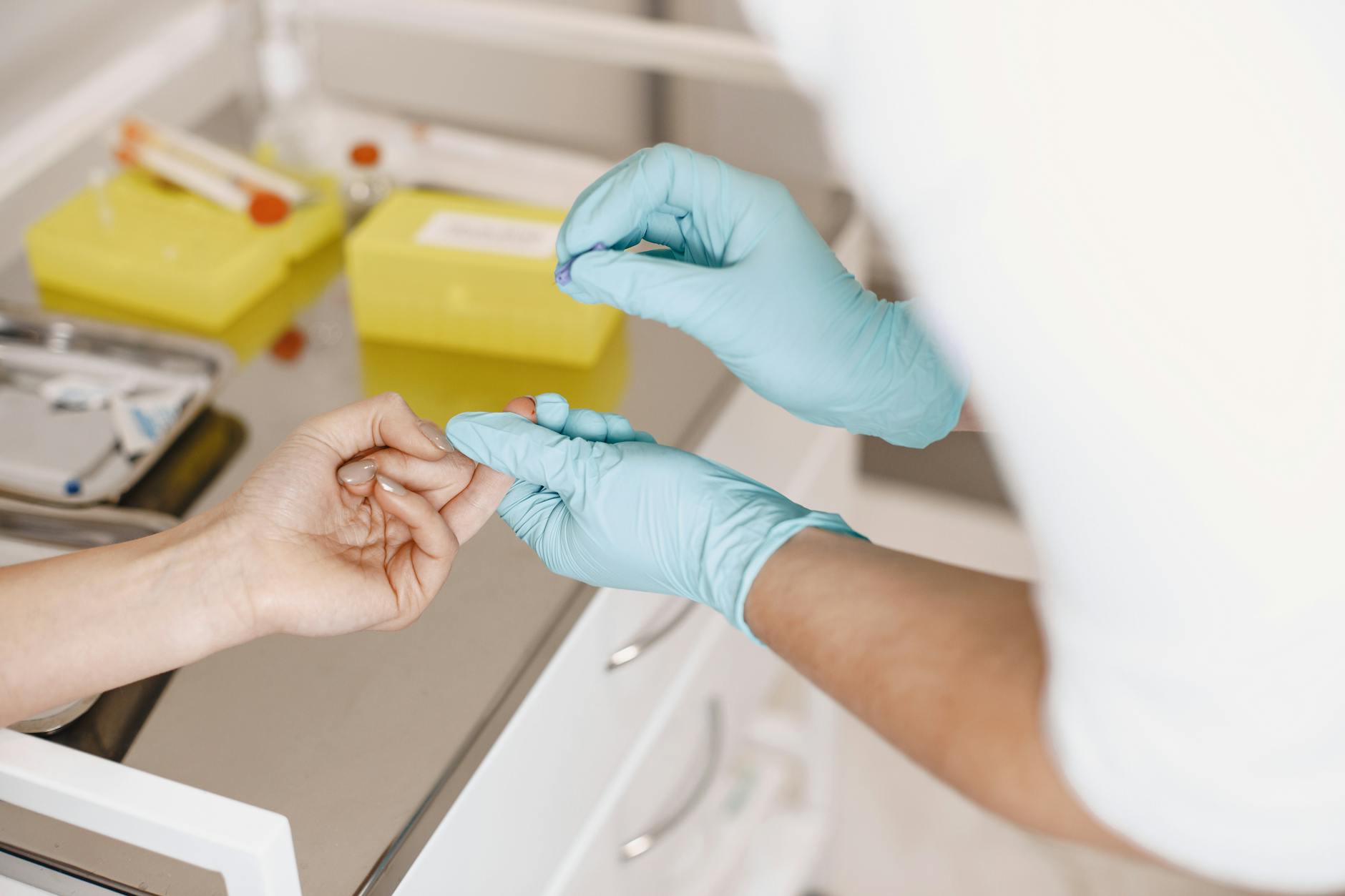
Indications for skin biopsy including suspicious lesions, diagnostic uncertainty, and monitoring treatment response
Read article →
Cost factors for different biopsy types, insurance coverage considerations, and financial planning for diagnostic procedures
Read article →