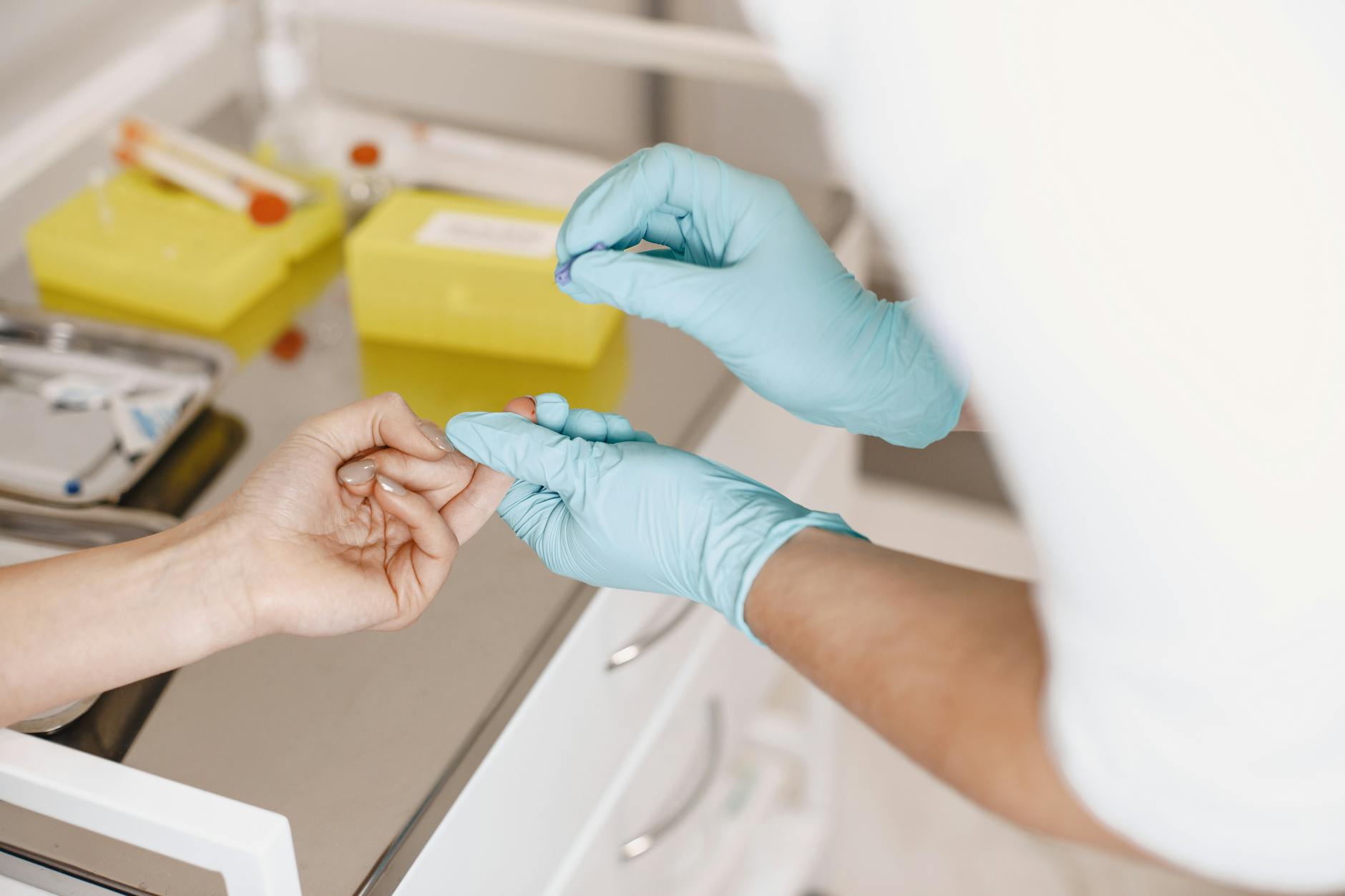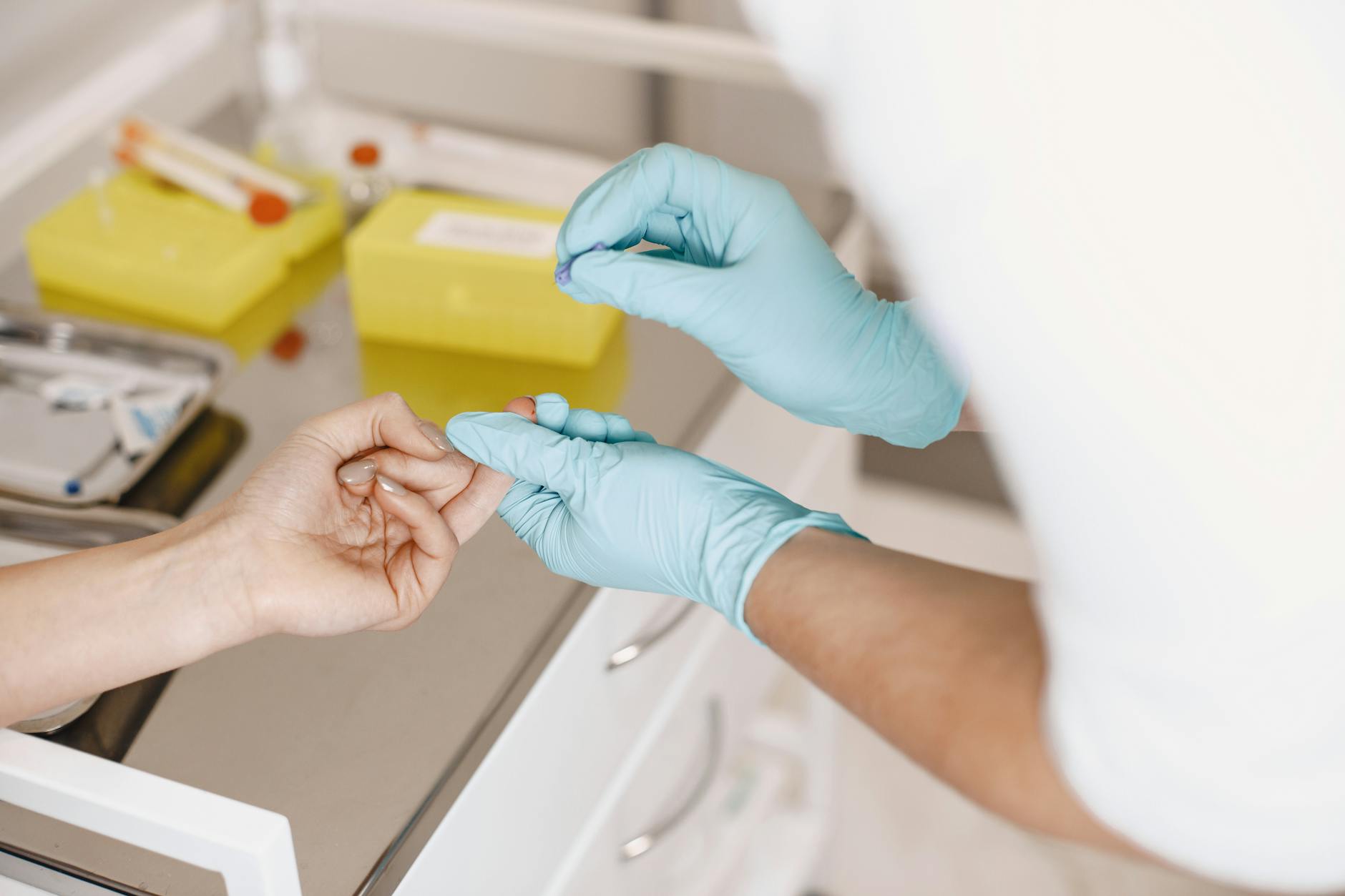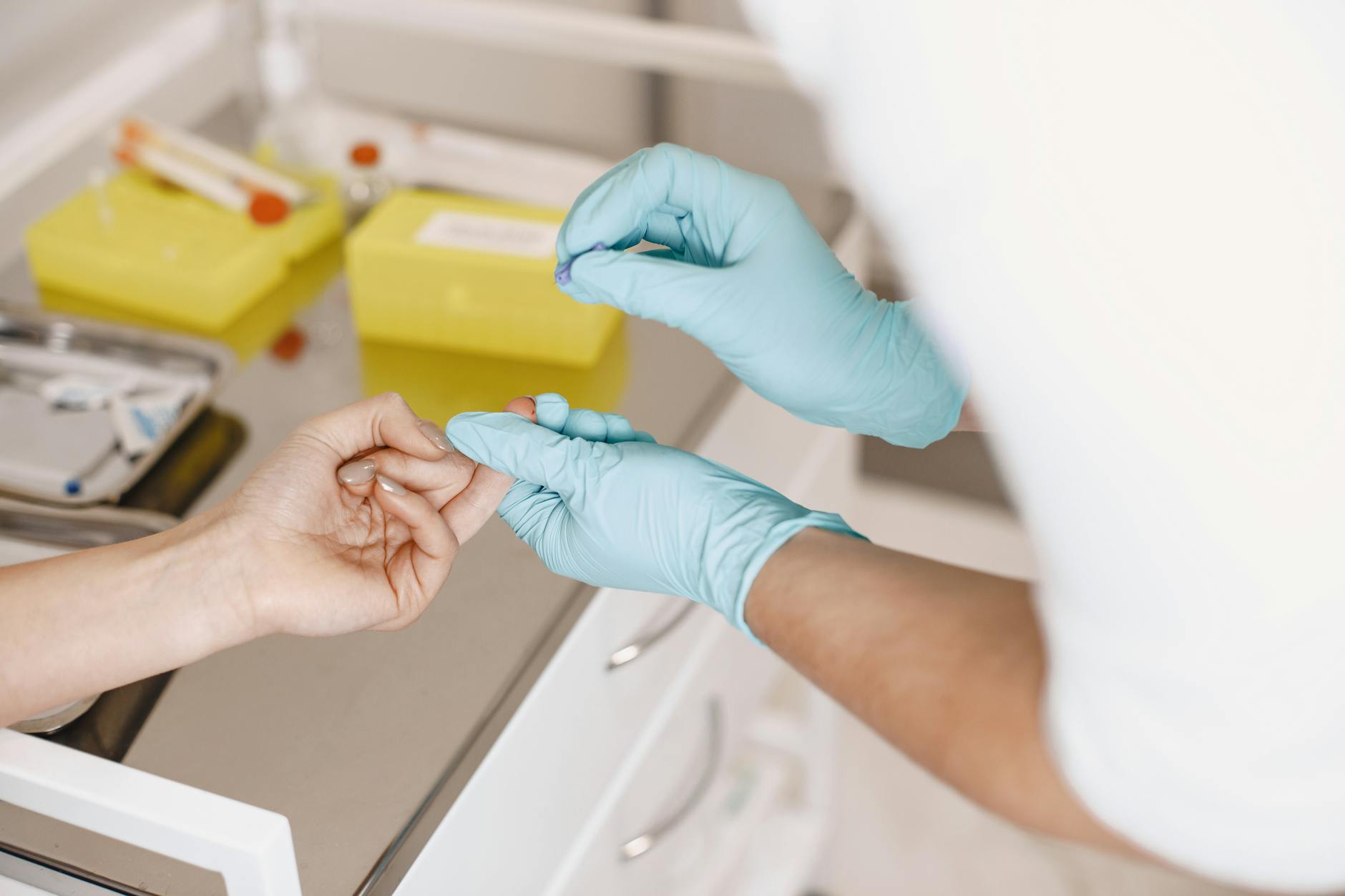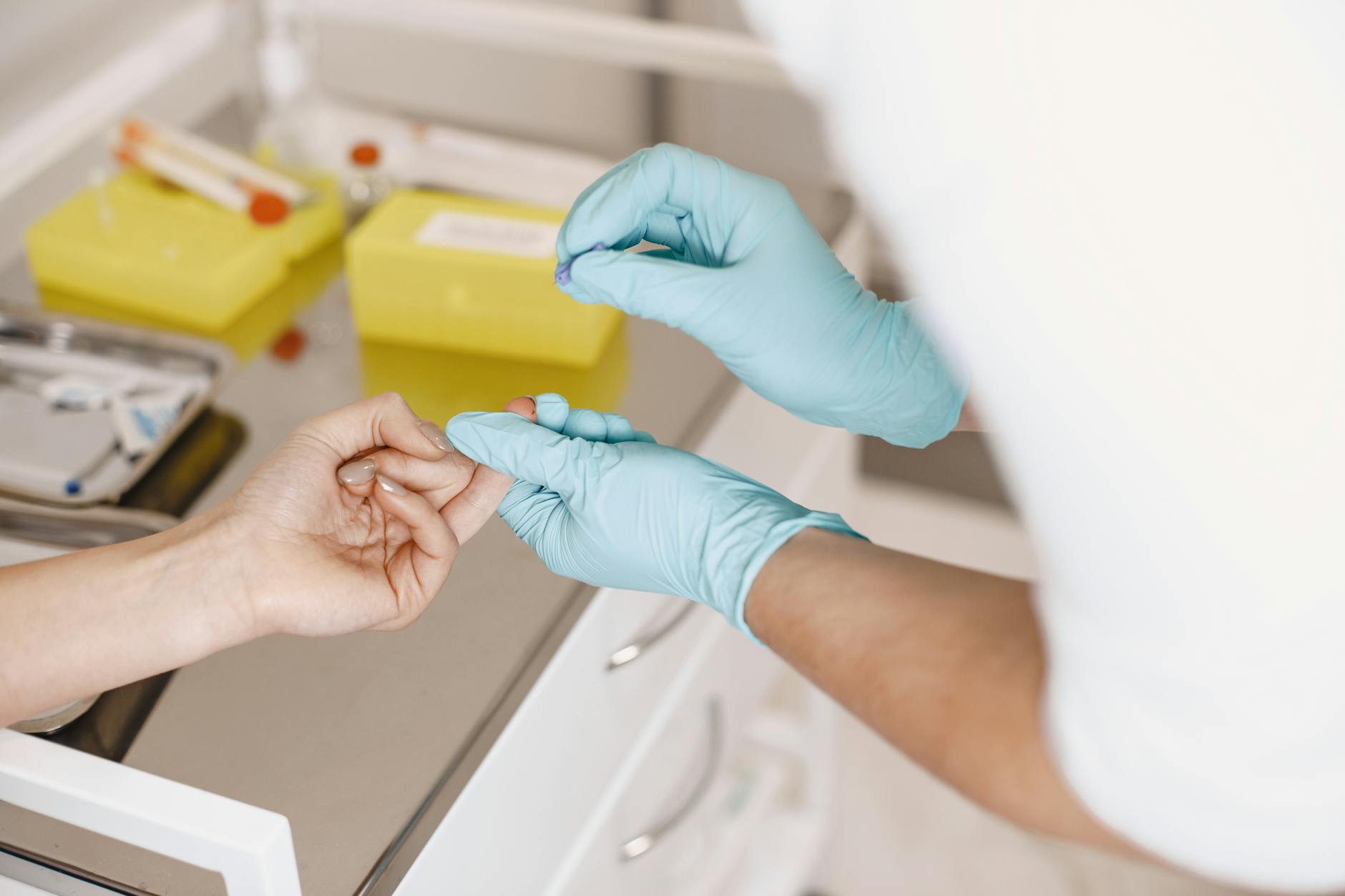
Immediate Post-Biopsy Care (First 24 Hours)

The first day after your skin biopsy sets the foundation for proper healing and minimal scarring. Your dermatologist has removed a small tissue sample, leaving a controlled wound that requires gentle but attentive care.
"Proper first-day care significantly reduces your risk of complications and scarring."
Leave the original dressing intact for 24 hours to protect the wound from bacteria and maintain moisture balance.
Skip heavy lifting, vigorous exercise, or activities that could stretch the biopsy site and reopen the wound.
Light spotting is normal, but contact your doctor if blood soaks through the bandage or bleeding doesn't stop with gentle pressure.
Take any prescribed pain medication as directed. Most patients experience only mild discomfort similar to a small cut.
Daily Wound Care Routine

Proper daily care prevents infection and minimizes scarring, addressing your concerns about permanent marks. Follow these steps consistently for the best healing outcome.
Wash your hands, then clean the biopsy site with mild soap and lukewarm water, patting dry with a clean towel.
Use a thin layer of antibiotic ointment like Polysporin or petroleum jelly to keep the wound moist.
Place a fresh adhesive bandage over the site, ensuring complete coverage without wrapping too tightly.
"Keeping the wound moist with ointment actually helps it heal faster and reduces scarring."
Change dressings daily or when they become wet or dirty. For example, if you shower in the morning, that's an ideal time to refresh your bandage. The wound should feel slightly moist under the bandage but never soaking wet or completely dry.
Normal Healing Timeline and What to Expect
Understanding your skin biopsy healing timeline helps reduce anxiety about permanent scarring. Most biopsy sites follow a predictable healing pattern that spans several weeks.
Week 1: Initial healing phase brings scab formation and mild swelling. The wound edges begin closing as your body starts repair processes.
Week 2-3: Tissue regeneration shows the scab naturally falling off and pink new skin appearing underneath. Some itching is normal during this phase.
Week 4+: Final healing and scar formation reveals the final appearance. Any remaining redness typically fades over several months.
Your healing speed depends on factors like age, location of the biopsy, overall health, and how well you follow aftercare instructions.
Activities to Avoid During Healing
Protecting your biopsy site requires avoiding activities that could disrupt healing or cause scarring. Understanding these restrictions helps ensure optimal recovery without complications.
Avoid intense exercise for 48-72 hours to prevent bleeding and wound reopening. Light walking is acceptable, but skip weightlifting, running, or activities causing excessive sweating around the biopsy area.
Swimming pools, hot tubs, and baths must be avoided until your doctor confirms complete healing, typically 7-10 days. These environments harbor bacteria that increase infection risk. Quick showers are safe when you keep the area dry.
Sun exposure can cause permanent darkening of healing skin. Apply broad-spectrum SPF 30+ sunscreen daily and wear protective clothing over the biopsy site for at least four weeks.
Postpone aggressive skincare treatments like Chemical Peels until your dermatologist clears you, usually 4-6 weeks post-biopsy to prevent irritation and scarring.
Warning Signs: When to Contact Your Doctor

While most skin biopsies heal without complications, recognizing warning signs ensures prompt treatment and prevents scarring concerns. Watch for signs of infection including increasing redness that spreads beyond the wound edges, yellow or green discharge, red streaking from the biopsy site, or developing fever.
Contact your doctor immediately if bleeding soaks through fresh bandages repeatedly or if the wound edges pull apart. Severe pain that worsens after the first 48 hours or significant swelling that increases daily also requires medical attention.
Allergic reactions to prescribed antibiotics or topical treatments may cause widespread rash, hives, difficulty breathing, or facial swelling. For example, if you develop itchy bumps across your body after starting antibiotic ointment, stop using it and call your dermatologist immediately. Trust your instincts—when something feels wrong, seek professional guidance rather than waiting.
Long-Term Scar Care and Prevention
Most biopsy scars fade significantly within six months to a year, though complete healing varies by individual. Protect your scar from sun exposure with SPF 30 sunscreen daily, as UV rays can darken healing tissue permanently.
Massage the healed scar in circular motions for two minutes daily to break up tissue.
Consult your dermatologist about laser therapy or steroid injections if scarring remains prominent after one year.
Consistent sun protection and patience allow most biopsy scars to become barely visible over time.
Frequently Asked Questions
How long should I keep my bandage on after a skin biopsy?
You should leave the original dressing intact for the first 24 hours after your skin biopsy to protect the wound from bacteria and maintain proper moisture balance. After the first day, you should change dressings daily or when they become wet or dirty as part of your regular wound care routine.
What should I avoid doing after a skin biopsy?
You should avoid heavy lifting, vigorous exercise, or any activities that could stretch the biopsy site and reopen the wound, especially during the first 24 hours. It's important to rest and avoid strain to allow proper healing to begin.
How long does it take for a skin biopsy to heal completely?
Initial healing typically takes 7-10 days, with full wound closure occurring within 2-4 weeks. The complete healing process spans several weeks, with any remaining redness usually fading over several months. Most biopsy sites follow this predictable healing pattern.
Should I keep my skin biopsy site wet or dry?
You should keep the wound moist by applying a thin layer of antibiotic ointment like Polysporin or petroleum jelly after cleaning. Keeping the wound moist actually helps it heal faster and reduces scarring. The wound should feel slightly moist under the bandage but never soaking wet or completely dry.
When should I call my doctor about my skin biopsy site?
You should contact your doctor if blood soaks through the bandage or bleeding doesn't stop with gentle pressure. Light spotting is normal, but excessive bleeding that doesn't respond to gentle pressure requires medical attention.
Disclaimer: This content is for informational purposes only and does not constitute medical advice. Always consult a qualified healthcare provider before making health decisions.