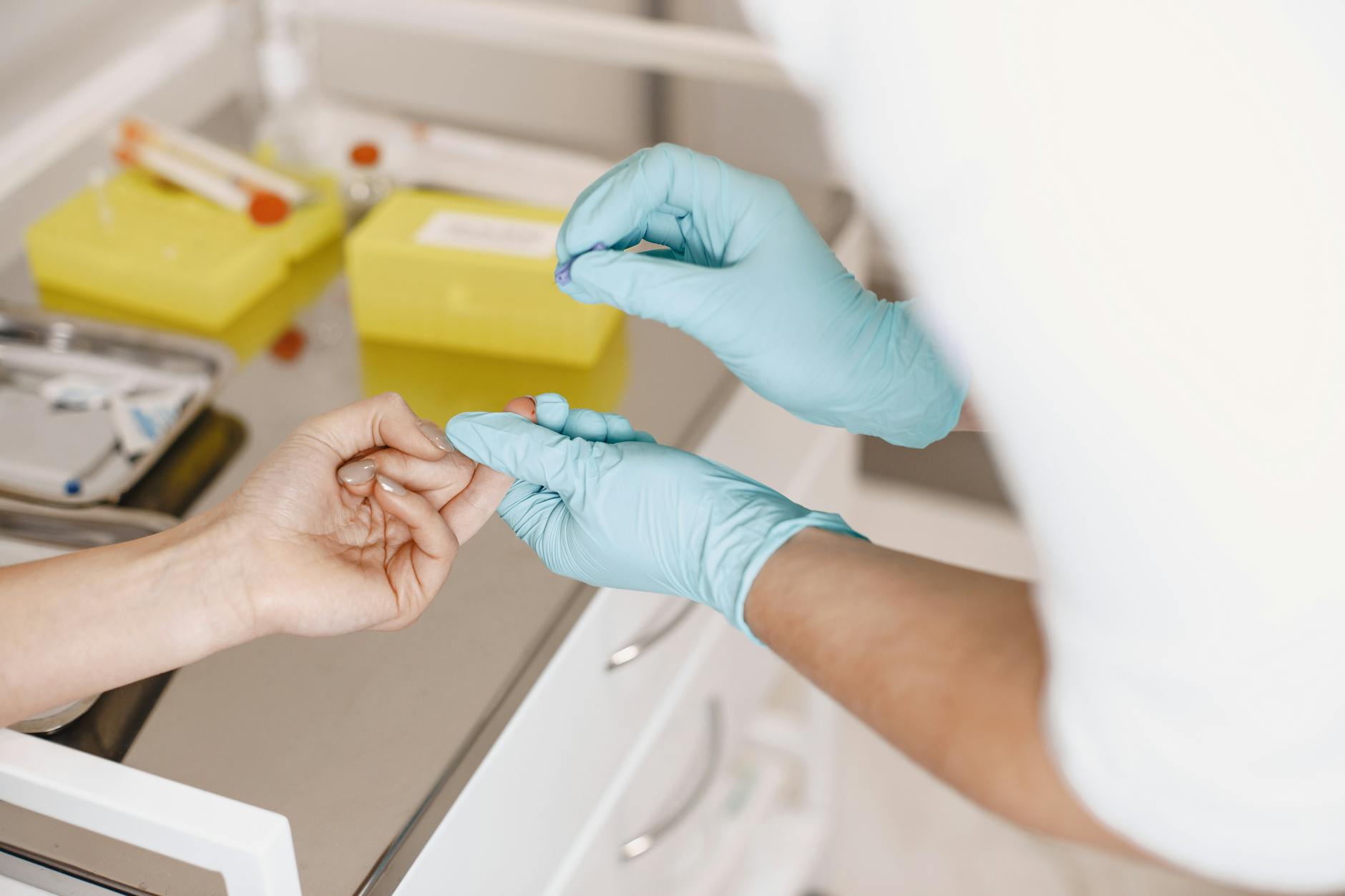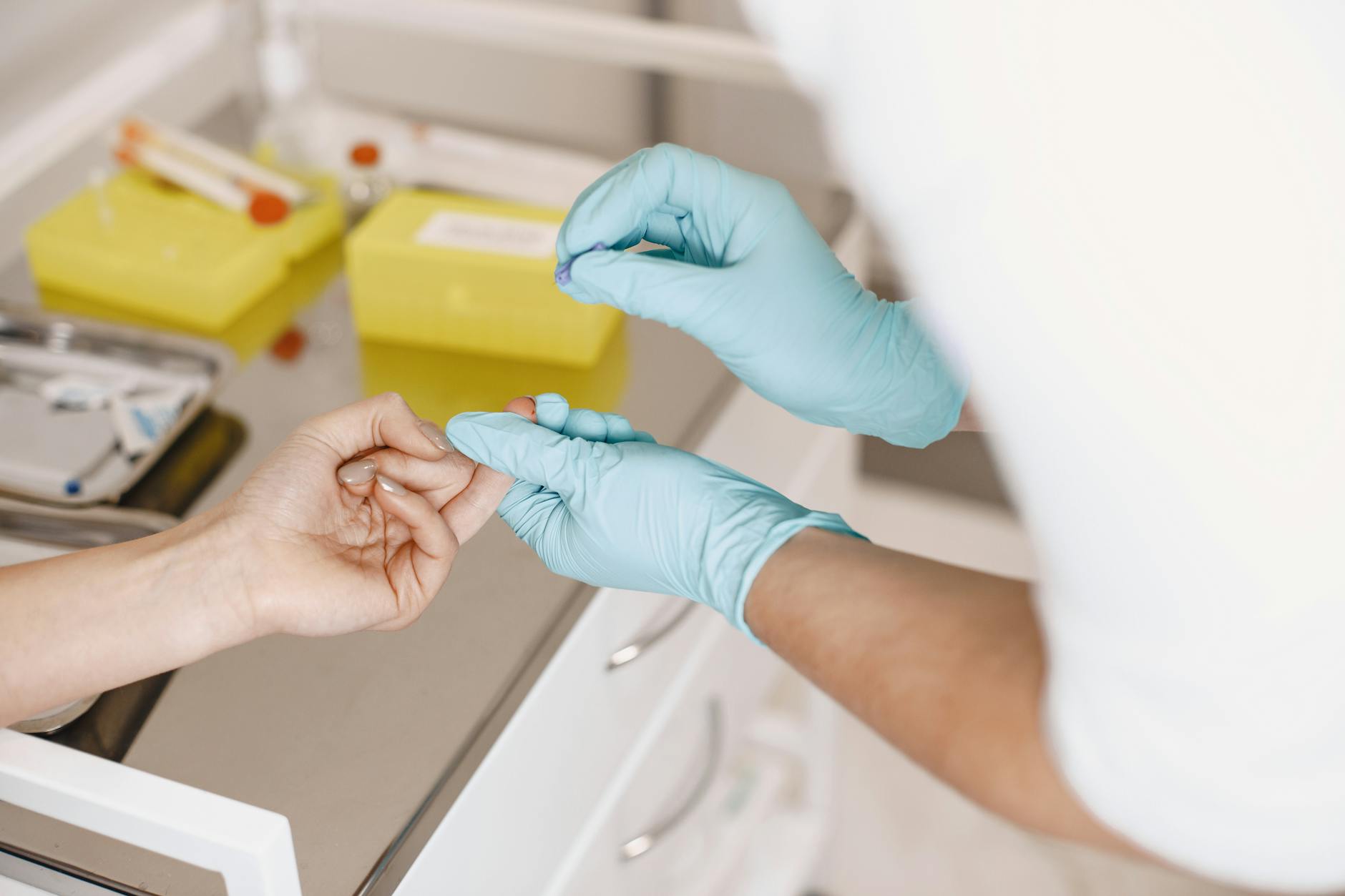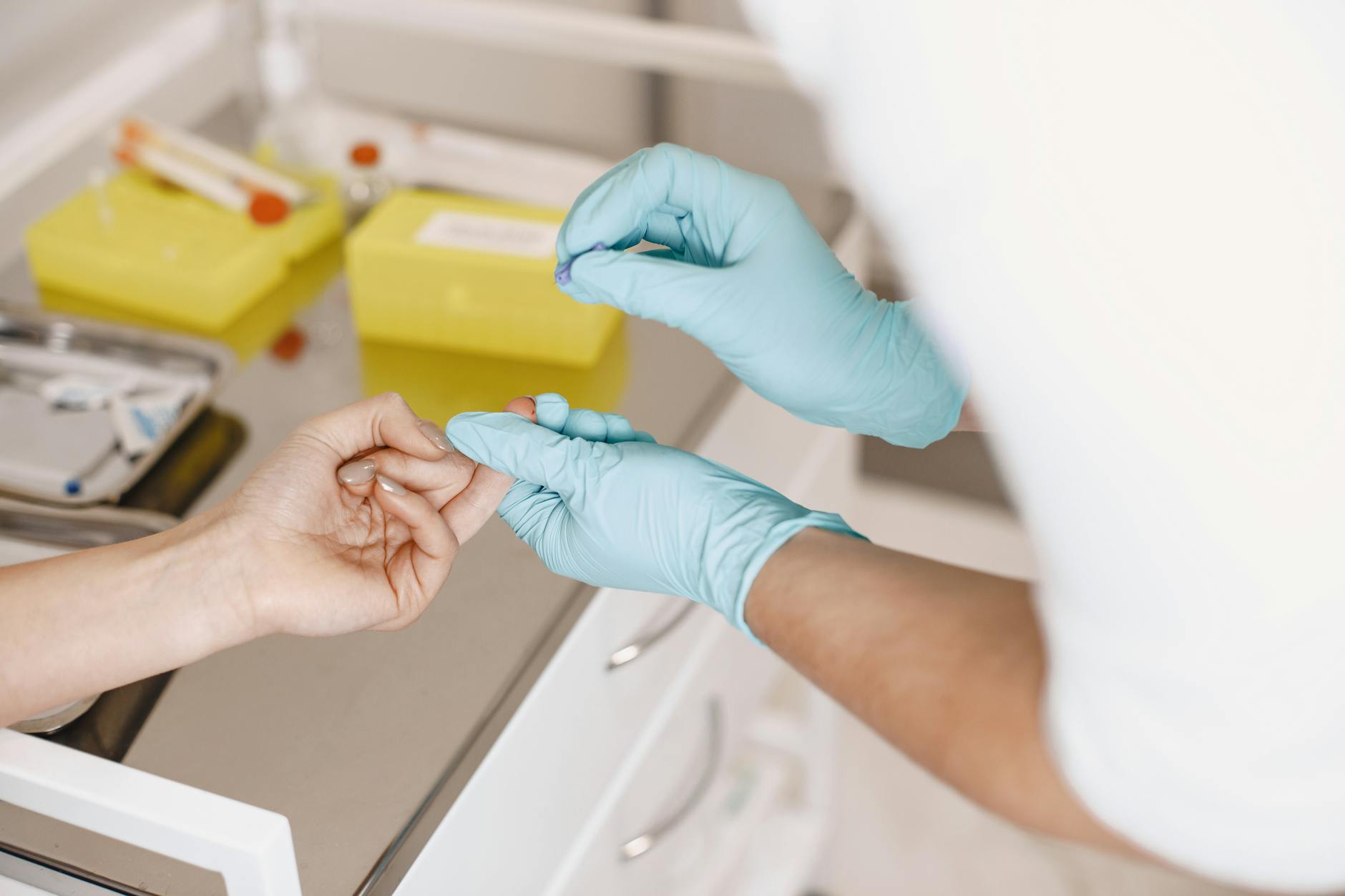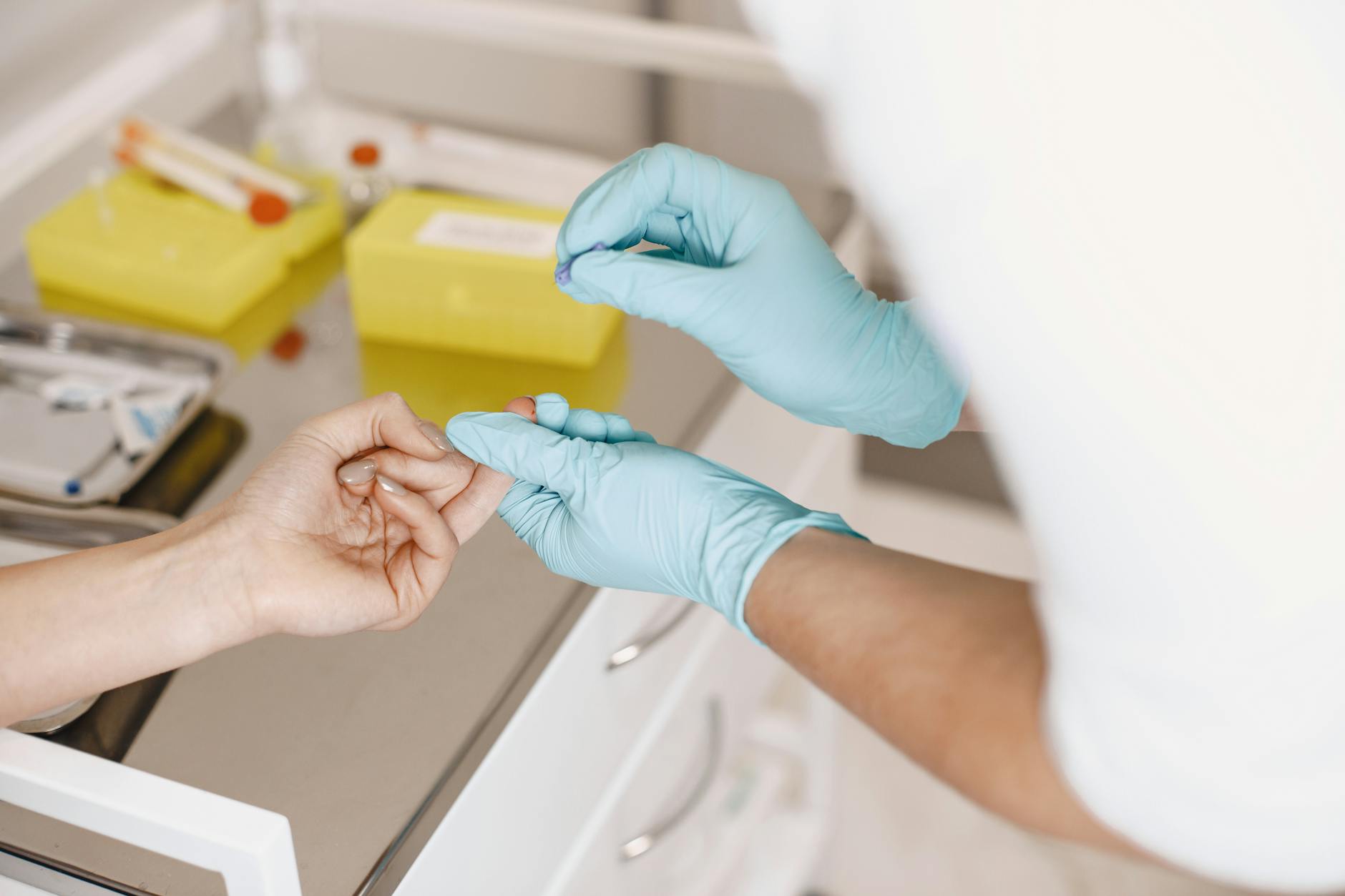
Understanding Skin Biopsy Complications

When your dermatologist recommends a skin biopsy, understanding potential complications helps you make informed decisions and prepares you for what to expect. While the word "complication" might sound alarming, most skin biopsy procedures are remarkably safe when performed by qualified professionals.
“Most skin biopsy complications are minor and resolve completely with proper care.”
Not every post-procedure experience qualifies as a complication. Normal healing includes mild redness, slight swelling, and scab formation over the first week. These are natural responses as your skin repairs itself. True complications occur when healing deviates significantly from this expected pattern.
Minor complications include temporary bruising, small areas of delayed healing, or slight color changes that fade over months. These rarely require additional treatment and don't typically cause permanent scarring when sites heal properly.
Serious complications like infection requiring antibiotics, significant scarring, or nerve damage remain extremely rare. For example, infection occurs in fewer than 2% of cases and usually responds well to topical or oral antibiotics when caught early.
Common Complications and Their Symptoms

While skin biopsy complications are relatively rare, recognizing early warning signs helps you get prompt treatment and avoid lasting problems. Most complications develop within the first week after your procedure.
“Knowing what's normal versus concerning can save you weeks of worry and prevent minor issues from becoming serious problems.”
Infection represents the most common complication, affecting roughly 1-2% of patients. Watch for increasing redness that spreads beyond the biopsy site, warmth to the touch, yellow or green discharge, and throbbing pain that worsens after day three. Fever accompanying these symptoms requires immediate medical attention.
Excessive bleeding occurs when blood soaks through your bandage repeatedly or won't stop with gentle pressure. Normal bleeding should cease within 24 hours. If you're taking blood thinners, expect slightly more bleeding, but continuous oozing after two days signals a problem.
Scarring concerns many patients, but understanding normal patterns reduces anxiety. Healthy scars start pink and gradually fade to match your skin tone over 6-12 months. Problematic scars remain raised, dark red, or continue growing beyond the original biopsy size. Keloid scars, while permanent, can be treated if they develop.
Nerve damage shows up as persistent numbness, tingling, or shooting pain extending beyond the biopsy area. Temporary numbness directly around the site is normal for several weeks, but expanding symptoms warrant evaluation.
Risk Factors That Increase Complications
Certain health conditions and personal factors significantly increase your risk of biopsy complications. Understanding these risk factors helps you prepare properly and avoid scarring concerns that keep many patients awake at night.
Medical conditions that slow healing pose the biggest threat to successful recovery. Diabetes reduces blood flow to wound sites, making infections more likely and healing slower. Autoimmune disorders like lupus or rheumatoid arthritis interfere with your body's natural repair process. Heart disease and circulation problems prevent essential nutrients from reaching the biopsy site efficiently.
Your medications matter just as much as underlying conditions. Blood thinners like warfarin, aspirin, and clopidogrel increase bleeding risk during and after the procedure. Immunosuppressive drugs used for transplant patients or autoimmune conditions make you more vulnerable to infections. Even common supplements like fish oil, vitamin E, and ginkgo can affect clotting.
Smoking dramatically impairs healing by reducing oxygen delivery to tissues. Smokers face three times higher infection rates and significantly worse scarring outcomes. Poor nutrition, excessive alcohol consumption, and chronic stress also compromise your immune system's ability to repair tissue effectively.
Biopsy location influences risk levels considerably. Areas with constant movement like joints heal more slowly and scar more noticeably. Face and neck biopsies require extra care due to visible scarring potential, while areas with poor circulation like lower legs in elderly patients need extended monitoring.
Prevention Strategies Before and After Biopsy

Taking proactive steps before and after your skin biopsy significantly reduces complications and promotes faster healing. While concerns about permanent scarring are natural, following proper protocols minimizes these risks dramatically.
Stop blood-thinning medications like aspirin one week before your biopsy if your doctor approves.
Postpone Chemical Peels and other cosmetic procedures for at least two weeks before your biopsy.
Wash the biopsy site with mild soap and water on the day of your procedure.
Proper wound care starts immediately after your biopsy. Keep the bandage dry for the first 24 hours, then gently clean the area daily with soap and water. Apply the prescribed antibiotic ointment and cover with a fresh bandage. Avoid picking at scabs or removing bandages prematurely, as this increases infection risk and scarring potential.
Activity restrictions vary by biopsy location and size. Avoid heavy lifting, swimming, and strenuous exercise for 48-72 hours. Facial biopsies require extra gentleness during washing and sleeping. Most patients can return to normal activities within a few days, but follow your dermatologist's specific timeline.
Contact your dermatologist immediately if you notice increasing redness beyond the immediate area, warmth, pus, red streaking, or fever. Excessive bleeding that doesn't stop with gentle pressure also requires prompt attention. Early intervention prevents minor issues from becoming serious complications.
When to Seek Medical Attention
Recognizing when your biopsy site needs professional evaluation protects you from complications that could lead to permanent scarring. Most healing progresses smoothly, but certain warning signs require immediate action.
Seek emergency medical care if you experience fever above 100.4°F, red streaking extending from the biopsy site, pus with a foul odor, or bleeding that won't stop after applying direct pressure for 15 minutes. These symptoms suggest serious infection or other complications requiring urgent treatment.
Contact your dermatologist within 24 hours for concerning but non-emergency symptoms like increasing pain after day three, swelling that worsens rather than improves, or any unusual discharge from the wound. A biopsy site that looks significantly worse than expected also warrants professional evaluation.
Normal healing follows predictable milestones. Initial bleeding stops within hours, scabbing occurs by day two, and pain peaks around day three before gradually improving. Complete healing typically takes one to three weeks depending on the biopsy size and location.
For example, a small punch biopsy on your arm should show decreased redness and swelling by day five, while deeper biopsies may take longer to show improvement.
Trust your instincts about unusual symptoms and contact your dermatologist promptly when healing doesn't follow the expected timeline.
Frequently Asked Questions
What are the most common complications after a skin biopsy?
Infection is the most common complication, affecting roughly 1-2% of patients, followed by excessive bleeding and scarring concerns. Minor complications like temporary bruising, small areas of delayed healing, or slight color changes are more frequent but typically resolve without treatment. Serious complications like nerve damage remain extremely rare, occurring in less than 0.2% of cases.
How do I know if my skin biopsy site is infected?
Signs of infection include increasing redness that spreads beyond the biopsy site, warmth to the touch, yellow or green discharge, and throbbing pain that worsens after day three. If you develop fever along with these symptoms, you need immediate medical attention. Normal healing includes mild redness and slight swelling over the first week, which should not be confused with infection.
How long should bleeding last after a skin biopsy?
Normal bleeding should stop within 24 hours after your skin biopsy procedure. If blood continues to soak through your bandage repeatedly or won't stop with gentle pressure after this timeframe, it's considered excessive bleeding. Patients taking blood thinners may experience slightly more bleeding, but continuous oozing after two days still signals a problem.
When should I be concerned about scarring from my skin biopsy?
Normal scars start pink and gradually fade to match your skin tone over 6-12 months. You should be concerned if the scar remains raised, stays dark red, or continues growing beyond the original biopsy size. Keloid scars, while permanent, can be treated if they develop, so early evaluation is important.
What is the success rate for skin biopsy procedures?
Skin biopsy procedures have an excellent safety record, with 98% of procedures occurring without complications. The serious complication rate is only 0.2%, and most issues that do arise are minor and resolve completely with proper care. Typical healing takes 1-3 weeks for most patients.
Disclaimer: This content is for informational purposes only and does not constitute medical advice. Always consult a qualified healthcare provider before making health decisions.