Before Your Biopsy: Preparation and Arrival

Preparing for your skin biopsy starts with gathering essential items for your appointment. Bring a current list of all medications, including over-the-counter supplements, and your insurance card. Wear comfortable clothing that allows easy access to the biopsy site.
“Most patients are surprised by how quick and straightforward the actual procedure feels.”
Your dermatologist will review your medical history and current medications, particularly blood thinners that might affect healing. Don't stop prescribed medications unless specifically instructed. Clean the area gently with soap and water, but avoid applying lotions or makeup on the day of your procedure.
While concerns about scarring are natural, modern biopsy techniques minimize tissue damage and promote optimal healing. Your doctor will explain the specific type of biopsy planned and realistic healing expectations. Most biopsies leave minimal marks that fade significantly over time, especially with proper aftercare.
During the Procedure: Step-by-Step Experience

Once you're ready to begin, your dermatologist will position you comfortably on the examination table. You'll typically lie down or sit, depending on the biopsy location. The doctor will clean the skin area with an antiseptic solution, which feels cool and may have a slight alcohol scent.
“The local anesthesia injection feels like a quick pinch, then the area becomes completely numb within minutes.”
Next comes the local anesthesia injection. You'll feel a brief sting as the needle enters your skin, similar to a mosquito bite. The numbing medication works quickly, and within two to three minutes, you won't feel anything in that area. Your dermatologist will test the numbness by gently touching the skin.
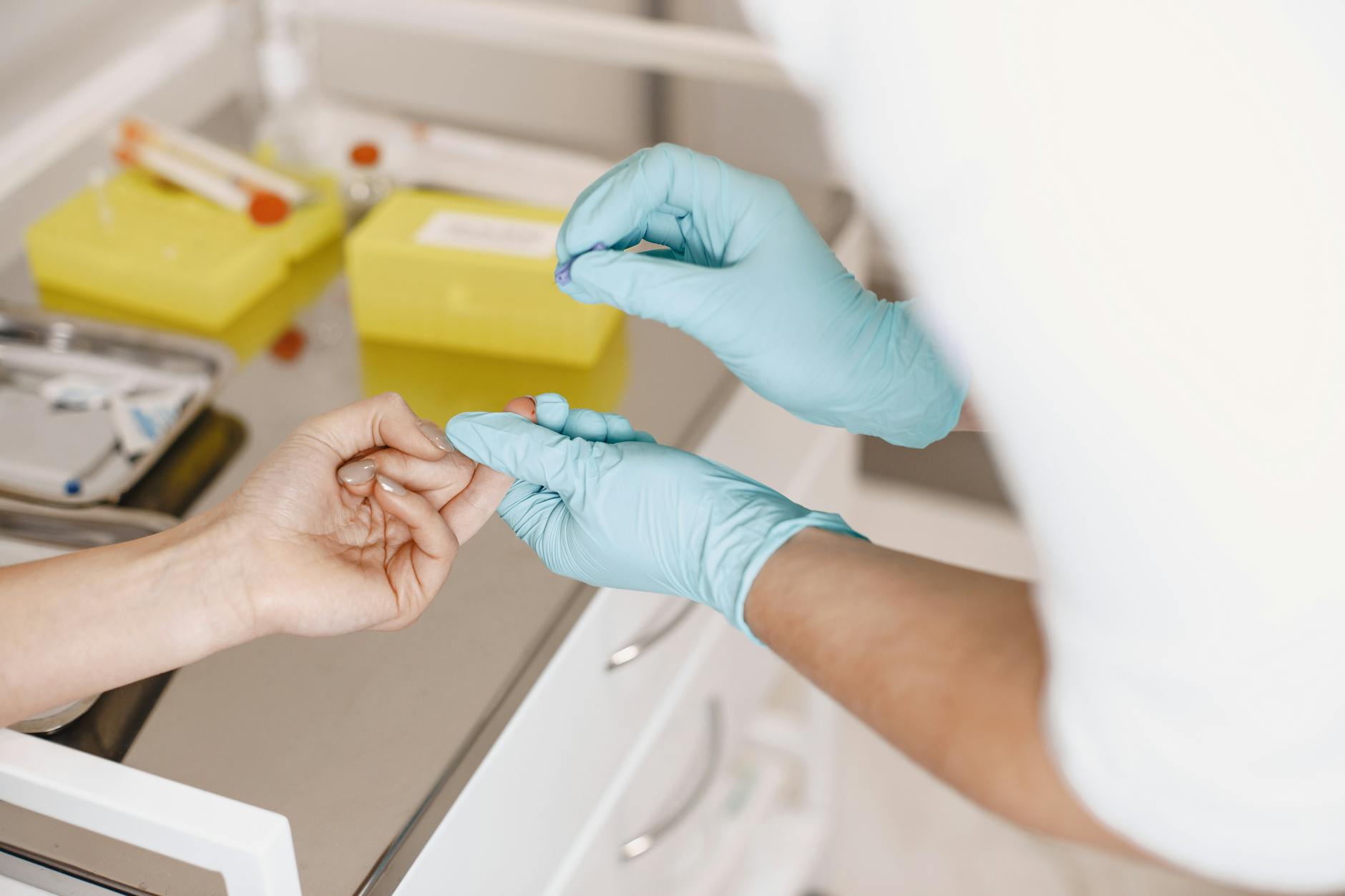
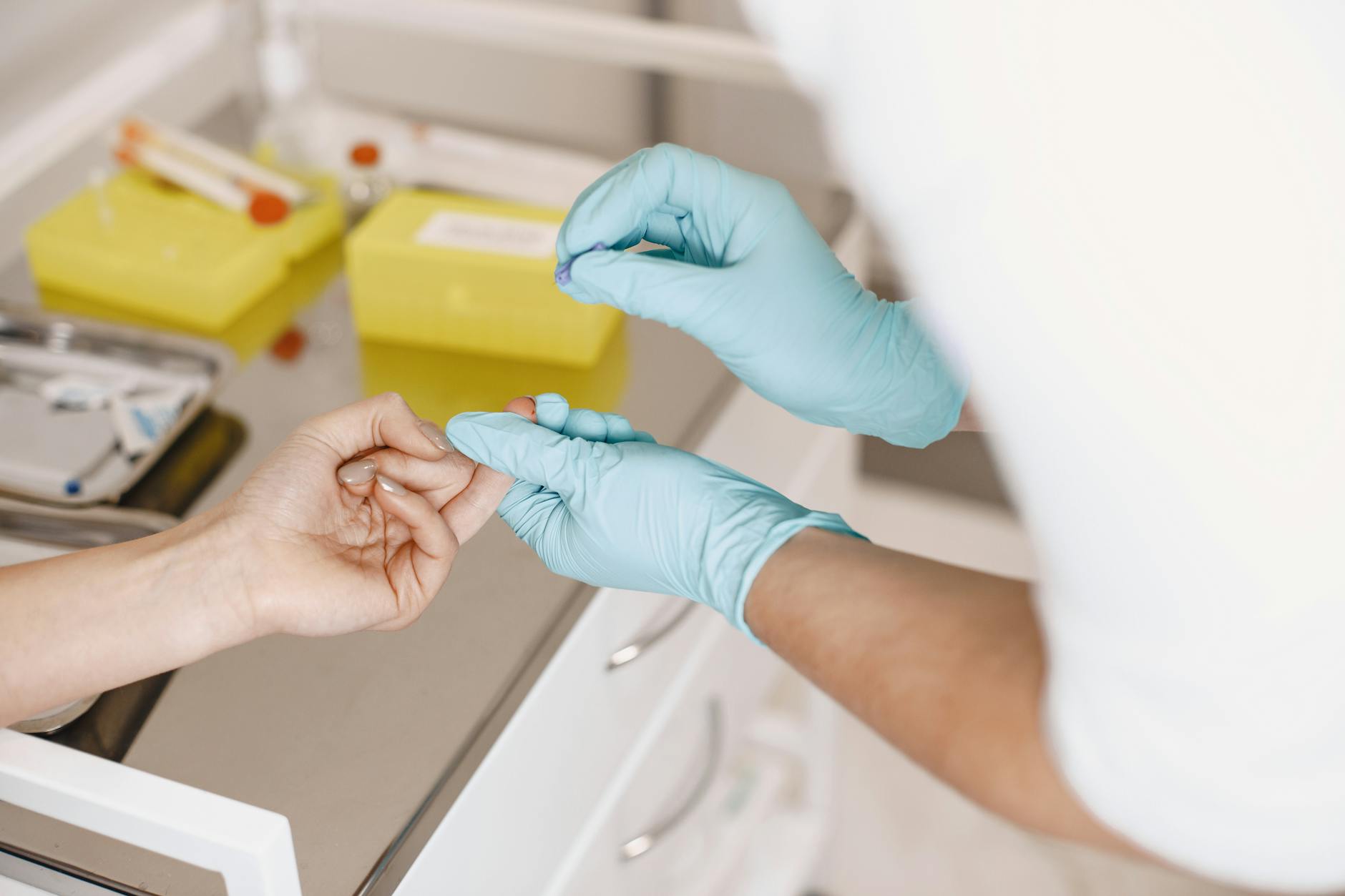
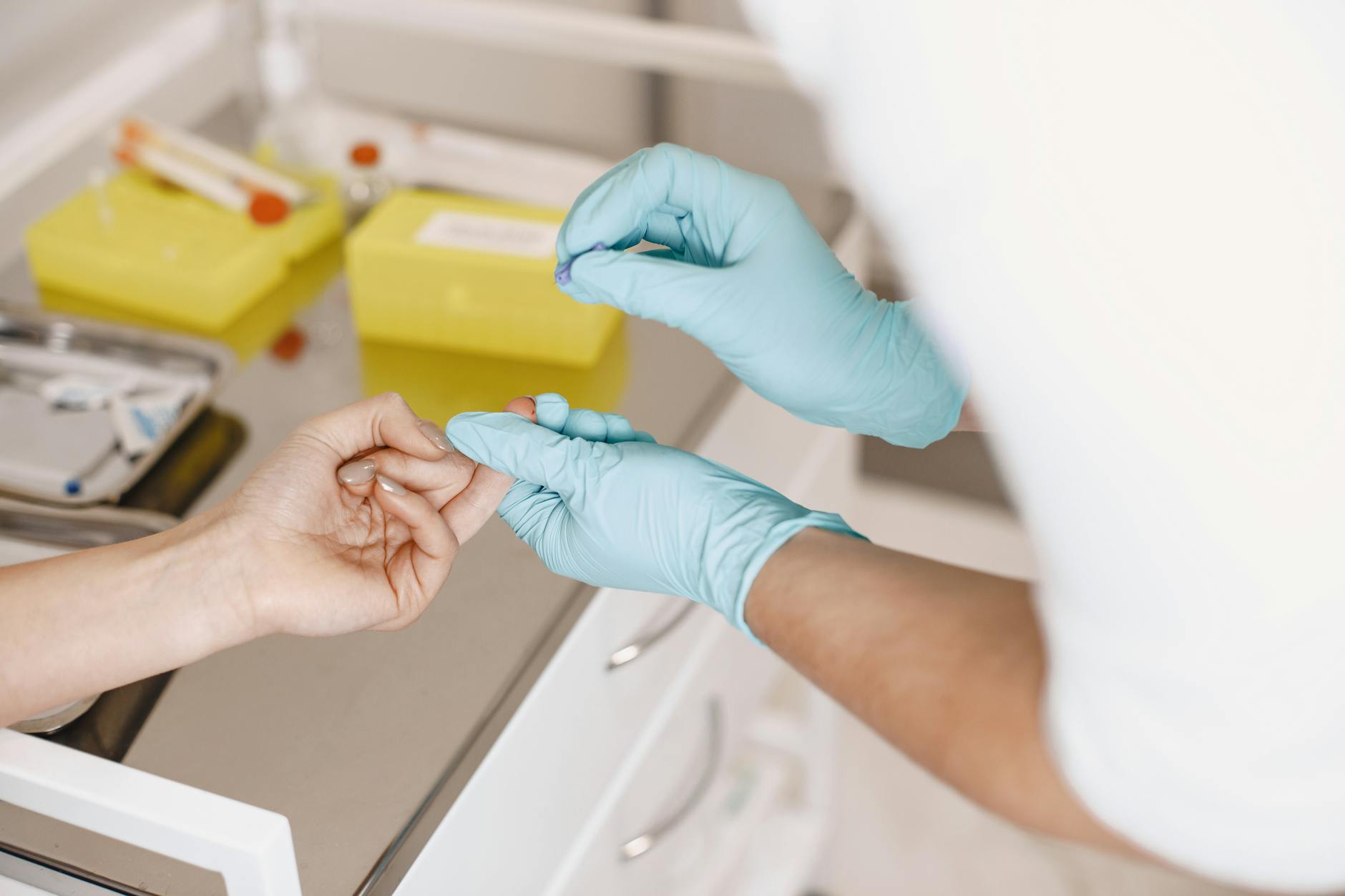
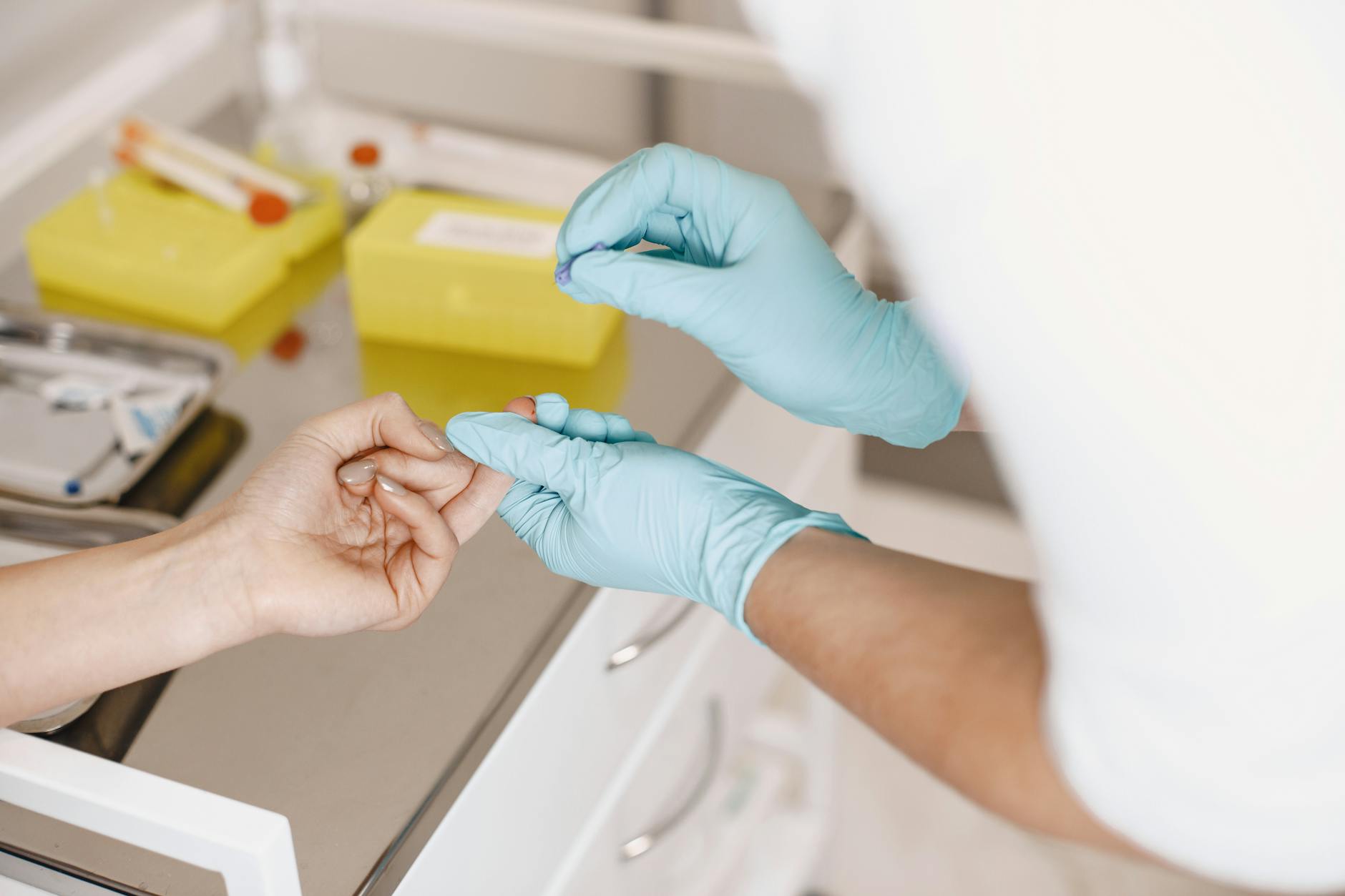
The doctor uses a small tool to remove the skin sample in seconds.
They apply pressure to stop bleeding and place a bandage over the site.
The entire procedure takes five to fifteen minutes. While scarring concerns are natural, proper wound care minimizes this risk significantly.
Immediate Aftermath: What Happens Right After
Once your biopsy is complete, your dermatologist will immediately clean the area and apply pressure to stop any bleeding. This typically takes just a minute or two.
The wound site gets covered with a sterile bandage or adhesive strip. Your doctor will provide specific wound care instructions, including when to change the dressing and how to keep the area clean and dry.
Most patients experience minimal discomfort after the anesthesia wears off in one to two hours. Over-the-counter pain relievers like acetaminophen usually manage any mild soreness effectively. While concerns about scarring are natural, proper wound care significantly reduces this risk.
You can typically leave the office within ten minutes of completing the procedure. Avoid strenuous exercise and swimming for the first 24 hours to prevent the bandage from loosening or the wound from reopening.
Recovery Timeline: First 24-48 Hours

Your biopsy site will begin healing immediately, though the process varies by person and biopsy type. Most patients experience mild soreness similar to a small cut or scrape. The discomfort typically peaks within the first 6-8 hours, then gradually subsides. Over-the-counter pain relievers usually provide adequate relief.
Normal healing signs include slight swelling, minimal clear drainage, and skin tightness around the site. Unlike more intensive procedures such as Chemical Peels, skin biopsies rarely cause significant discomfort or downtime. Your bandage should stay clean and dry for the first 24 hours.
Contact your doctor immediately if you notice excessive bleeding, pus, red streaking from the site, or fever above 101°F. These symptoms, while uncommon, require prompt medical attention.
Avoid strenuous exercise, swimming, and activities that might stretch or irritate the biopsy area for 48 hours to promote proper healing.
Getting Your Results: The Waiting Period
Your biopsy sample travels to a pathology lab where specialists examine it under microscopes to identify any abnormal cells. Most results arrive within 7-10 business days, though complex cases may take up to two weeks. Your dermatologist's office will call with findings rather than mailing them, ensuring you receive clear explanations of what the results mean.
If results show benign (non-cancerous) tissue, you'll simply schedule routine follow-up care. Abnormal findings require prompt discussion about treatment options, which your doctor will explain thoroughly. Remember that catching skin issues early through biopsy leads to better outcomes and typically leaves minimal scarring once fully healed.
Biopsy results provide definitive answers that guide effective treatment, helping you achieve clearer, healthier skin with confidence.
Frequently Asked Questions
What should I bring to my skin biopsy appointment?
Bring a current list of all medications, including over-the-counter supplements, and your insurance card. Wear comfortable clothing that allows easy access to the biopsy site. Clean the area gently with soap and water, but avoid applying lotions or makeup on the day of your procedure.
How long does a skin biopsy procedure take?
The entire skin biopsy procedure takes five to fifteen minutes. Most patients are surprised by how quick and straightforward the actual procedure feels. You can typically leave the office within ten minutes of completing the procedure.
Does a skin biopsy hurt?
You'll feel a brief sting during the local anesthesia injection, similar to a mosquito bite or quick pinch. Within two to three minutes, the area becomes completely numb and you won't feel anything during the actual biopsy. Most patients experience minimal discomfort after the anesthesia wears off in one to two hours.
Will a skin biopsy leave a scar?
While concerns about scarring are natural, modern biopsy techniques minimize tissue damage and promote optimal healing. Most biopsies leave minimal marks that fade significantly over time, especially with proper aftercare. Proper wound care significantly reduces the risk of scarring.
What can I do after a skin biopsy?
Avoid strenuous exercise and swimming for the first 24 hours to prevent the bandage from loosening or the wound from reopening. Over-the-counter pain relievers like acetaminophen usually manage any mild soreness effectively. Your doctor will provide specific wound care instructions, including when to change the dressing and how to keep the area clean and dry.
Disclaimer: This content is for informational purposes only and does not constitute medical advice. Always consult a qualified healthcare provider before making health decisions.