What Is a Skin Biopsy and Why Might You Need One

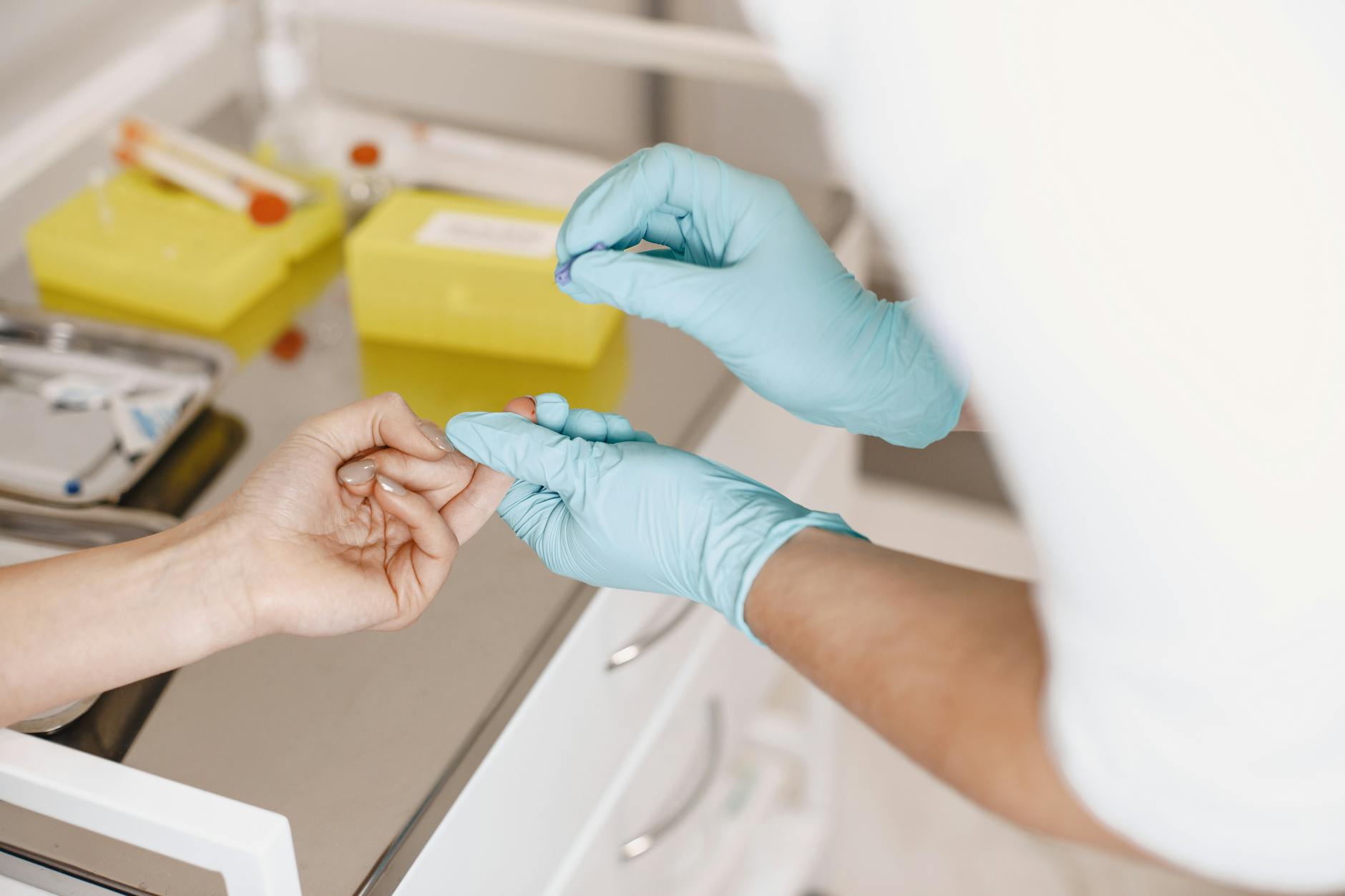
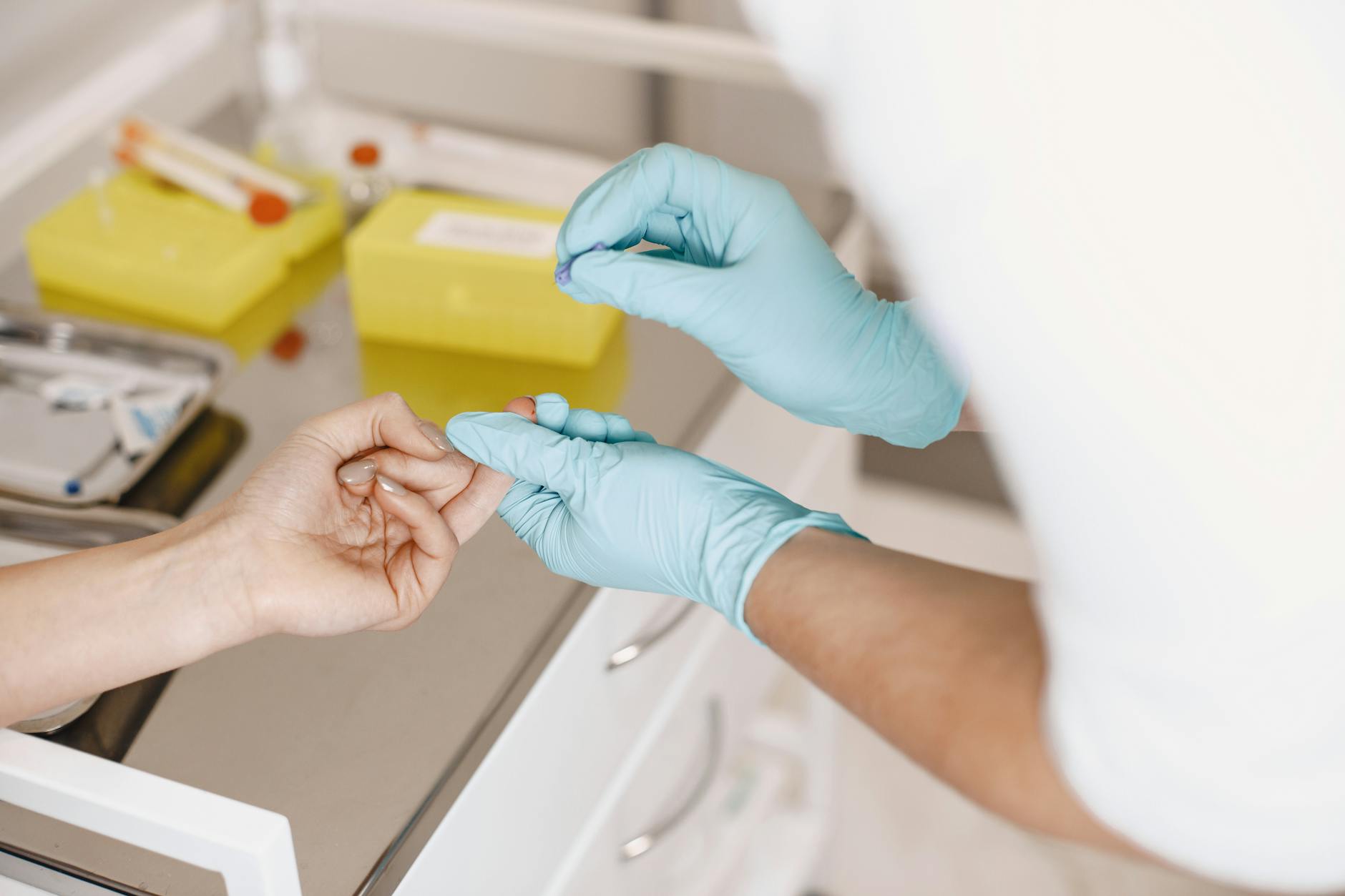
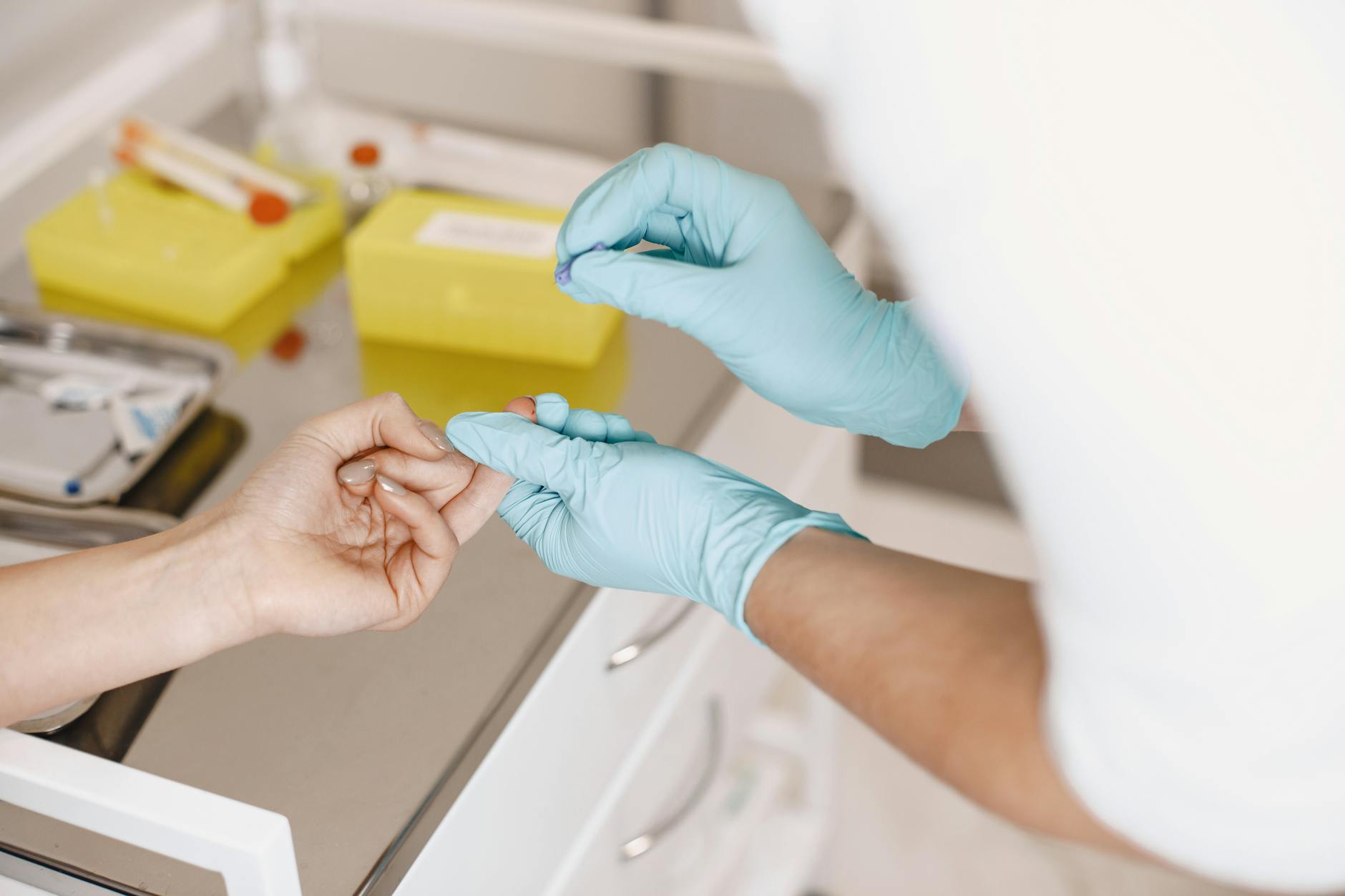
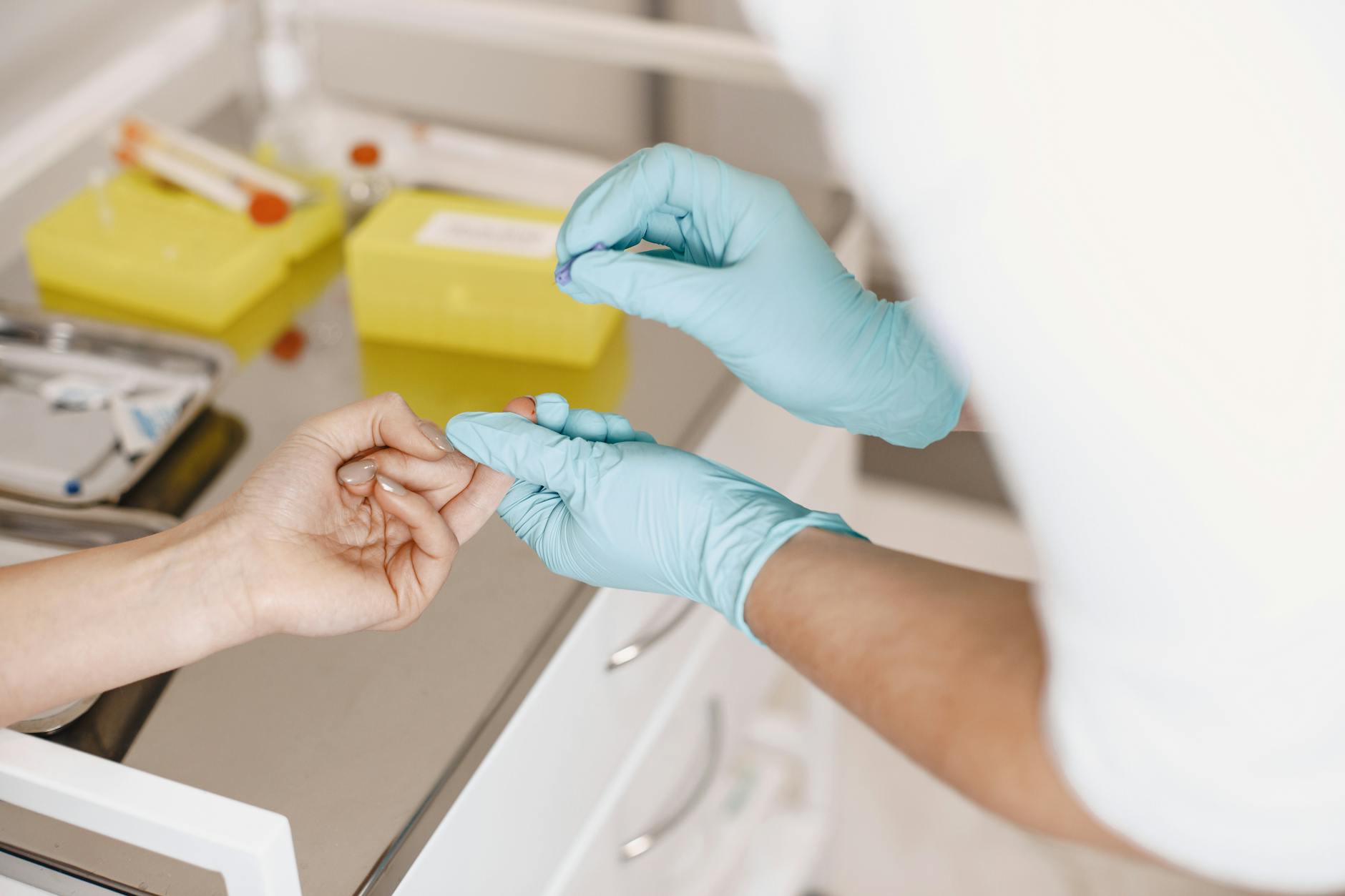
A skin biopsy is a medical procedure where your dermatologist removes a small piece of skin tissue for laboratory examination. This simple test helps doctors identify skin conditions that can't be diagnosed through visual inspection alone.
"A skin biopsy provides the definitive answer when other diagnostic methods fall short."
Your doctor might recommend a biopsy when they notice suspicious moles, unusual rashes, or persistent skin changes. The procedure plays a crucial role in detecting skin cancer early and distinguishing between conditions that look similar but require different treatments.
While concerns about scarring are natural, modern biopsy techniques minimize visible marks. Most biopsies heal within two weeks, leaving only a small mark that fades over time.
Suspicious Skin Changes That Require Evaluation

Certain warning signs in your skin require prompt medical attention. The ABCDE criteria help identify concerning moles: Asymmetry (one half differs from the other), Border irregularity (uneven edges), Color variation (multiple colors or unusual shades), Diameter larger than a pencil eraser, and Evolution (any changes over time).
“Early detection through careful observation can make the difference between simple treatment and complex intervention.”
New growths that appear suddenly or existing lesions that change size, shape, or color warrant evaluation. Pay attention to spots that bleed spontaneously, develop crusting, or feel tender without obvious injury. Non-healing sores that persist beyond two weeks, especially on sun-exposed areas, need professional assessment.
Remember that biopsy procedures typically heal well with minimal scarring when performed by experienced dermatologists, addressing concerns about permanent marks while ensuring accurate diagnosis.
When Doctors Cannot Diagnose Skin Conditions Visually
Even experienced dermatologists sometimes cannot identify skin conditions through visual examination alone. When lesions look similar to multiple conditions, doctors face diagnostic challenges that require laboratory analysis to reach accurate conclusions.
Ambiguous lesion appearance creates uncertainty about proper treatment. For example, seborrheic keratosis and melanoma can appear remarkably similar, especially in early stages. Microscopic analysis reveals cellular structures invisible to the naked eye, distinguishing between benign growths and serious conditions. This precise diagnosis prevents unnecessary worry about scarring while ensuring appropriate treatment timing.
Monitoring Treatment Response and Recurrence
After initial treatment, doctors sometimes need biopsies to verify treatment success and catch potential problems early. This monitoring approach helps ensure your skin heals properly without complications.
Post-treatment surveillance biopsies check whether treatments like Chemical Peels have achieved their intended results. These acid treatments remove damaged skin layers through controlled chemical exfoliation, improving texture and reducing scarring concerns. Your dermatologist may biopsy treated areas to confirm complete removal of problematic tissue.
Biopsies also detect treatment resistance when skin conditions don't respond as expected to therapy. This information guides your doctor toward more effective treatment options, preventing prolonged unsuccessful treatments that could delay your goal of achieving clear skin quickly.
When NOT to Worry About Getting a Biopsy

Most skin changes don't require biopsy, and understanding what's normal helps reduce anxiety about scarring or appearance changes. Stable moles that haven't changed size, color, or shape over months or years rarely need testing. Common benign lesions like seborrheic keratoses (brown, waxy growths), cherry angiomas (small red dots), and skin tags typically don't warrant concern.
Simple observation often works best for unchanged lesions. For example, a mole you've had since childhood that remains consistent in appearance can simply be monitored during routine skin checks. Your dermatologist will recommend watching rather than testing when lesions show clear benign characteristics and stability over time.
Taking the Next Step
If your dermatologist recommends a biopsy, schedule your consultation promptly. Early detection significantly improves treatment outcomes for serious conditions. During your appointment, discuss the specific type of biopsy planned—punch, shave, or excisional—and understand what each involves.
Book your dermatologist appointment within two weeks of referral.
Ask about biopsy type, expected scarring, and recovery timeline.
Follow pre-procedure instructions and arrange transportation if needed.
Modern biopsy techniques minimize scarring, and most procedures heal within two weeks with proper care.
A skin biopsy provides definitive answers and enables targeted treatment for optimal skin health outcomes.
Frequently Asked Questions
What is a skin biopsy and why would I need one?
A skin biopsy is a medical procedure where your dermatologist removes a small piece of skin tissue for laboratory examination. Your doctor might recommend a biopsy when they notice suspicious moles, unusual rashes, or persistent skin changes that can't be diagnosed through visual inspection alone. The procedure plays a crucial role in detecting skin cancer early and distinguishing between conditions that look similar but require different treatments.
What are the warning signs that require a skin biopsy?
The ABCDE criteria help identify concerning moles: Asymmetry, Border irregularity, Color variation, Diameter larger than a pencil eraser, and Evolution over time. New growths that appear suddenly, existing lesions that change size or color, spots that bleed spontaneously, or non-healing sores that persist beyond two weeks also warrant evaluation. Pay attention to any spots that develop crusting or feel tender without obvious injury, especially on sun-exposed areas.
Will a skin biopsy leave a scar?
While concerns about scarring are natural, modern biopsy techniques minimize visible marks. Most biopsies heal within two weeks, leaving only a small mark that fades over time. Biopsy procedures typically heal well with minimal scarring when performed by experienced dermatologists.
How accurate are skin biopsies for diagnosis?
Skin biopsies provide 95% diagnostic accuracy with microscopy, compared to visual examination alone which may miss important details. Even experienced dermatologists sometimes cannot identify skin conditions through visual examination alone, as about 30% of skin lesions need biopsy for accurate diagnosis. Microscopic analysis reveals cellular structures invisible to the naked eye, distinguishing between benign growths and serious conditions like melanoma.
How long does it take to get skin biopsy results?
Skin biopsy results typically come back within 48 hours of the procedure. The tissue sample is sent to a laboratory where specialists examine it under a microscope to provide a definitive diagnosis. This quick turnaround time helps ensure appropriate treatment timing and reduces anxiety about waiting for results.
Disclaimer: This content is for informational purposes only and does not constitute medical advice. Always consult a qualified healthcare provider before making health decisions.