Why Proper Preparation Matters for Surgical Excision

Getting ready for surgical excision isn't just about showing up to your appointment. The steps you take beforehand directly impact how well your skin heals and how your final results look. Poor preparation can lead to infections, delayed healing, and yes, more noticeable scarring—exactly what you're trying to avoid.
“Proper preparation reduces your risk of complications by up to 70% and significantly improves healing outcomes.”
When you follow pre-surgical guidelines, you create the best possible environment for your body to heal. This means stopping certain medications that thin your blood, avoiding alcohol, and keeping the treatment area clean. These simple actions reduce infection risk dramatically and help your dermatologist achieve optimal results.
Think of preparation as insurance for your skin. Patients who prepare properly typically see faster healing, minimal scarring, and fewer follow-up appointments. Your skin will recover more predictably, getting you back to clear, healthy skin sooner.
The effort you put in now pays dividends later. Following preparation guidelines isn't complicated, but skipping them can turn a routine procedure into a frustrating setback with prolonged healing time.
Medication Adjustments Before Surgery

Your medications can significantly impact your surgical outcome and healing process. Certain drugs affect blood clotting, increase bleeding risk, or interfere with anesthesia. Making the right adjustments helps prevent complications and supports optimal healing while minimizing scarring concerns.
“Stopping blood thinners too late or continuing them unnecessarily are both common mistakes that can compromise your surgical results.”
Blood thinners like warfarin, Plavix, and daily aspirin require careful timing. Your surgeon typically recommends stopping aspirin 7-10 days before surgery, while prescription blood thinners need individualized adjustment based on your medical conditions. Never stop these medications without explicit approval from both your surgeon and prescribing physician.
Many supplements also affect bleeding. Fish oil, vitamin E, ginkgo biloba, and garlic supplements should be discontinued 1-2 weeks prior to surgery. Even common supplements like turmeric and ginger can increase bleeding risk during excision.
Prescription medications require individual assessment. Blood pressure medications usually continue unchanged, while some diabetes medications may need temporary adjustment. Anti-inflammatory drugs like ibuprofen should be avoided for one week before surgery.
For example, if your surgery is scheduled for Friday, stop taking fish oil supplements and aspirin the previous Monday. Start this conversation with your surgeon at least two weeks before your procedure to allow adequate planning time.
Pre-Surgery Skin Preparation
Proper skin preparation before surgical excision reduces infection risk and promotes healing. Your dermatologist will provide specific instructions, but general preparation begins one to two weeks before your procedure.
Start with gentle cleansing using a mild, fragrance-free cleanser twice daily. Avoid harsh scrubs, exfoliating brushes, or products containing alcohol that can irritate the treatment area. Switch to lukewarm water instead of hot showers, which can dry and inflame your skin.
Stop retinoids, Chemical Peels, and exfoliating treatments one week before surgery to prevent skin sensitivity.
Use only gentle cleanser, fragrance-free moisturizer, and broad-spectrum SPF 30+ sunscreen daily.
Avoid direct sunlight and tanning for two weeks before surgery to prevent complications.
Sun protection becomes critical during this preparation phase. Sunburned or tanned skin heals poorly and increases scarring risk - addressing your concern about permanent marks. Apply sunscreen religiously and wear protective clothing when outdoors.
Avoid makeup, perfumes, and lotions on the treatment area the day of surgery. Arrive with clean, product-free skin to ensure optimal surgical conditions and reduce contamination risk.
What to Expect on Surgery Day
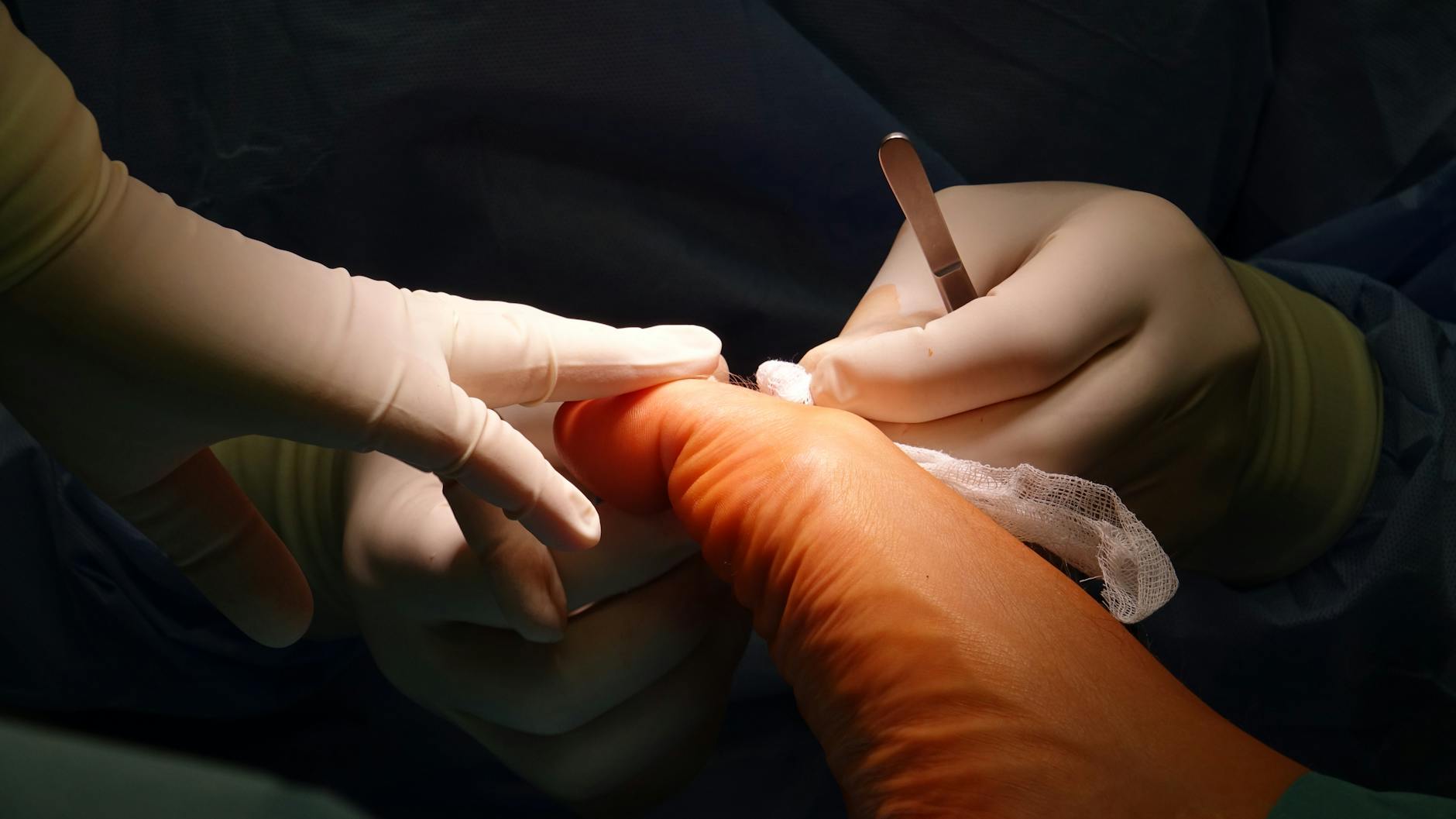
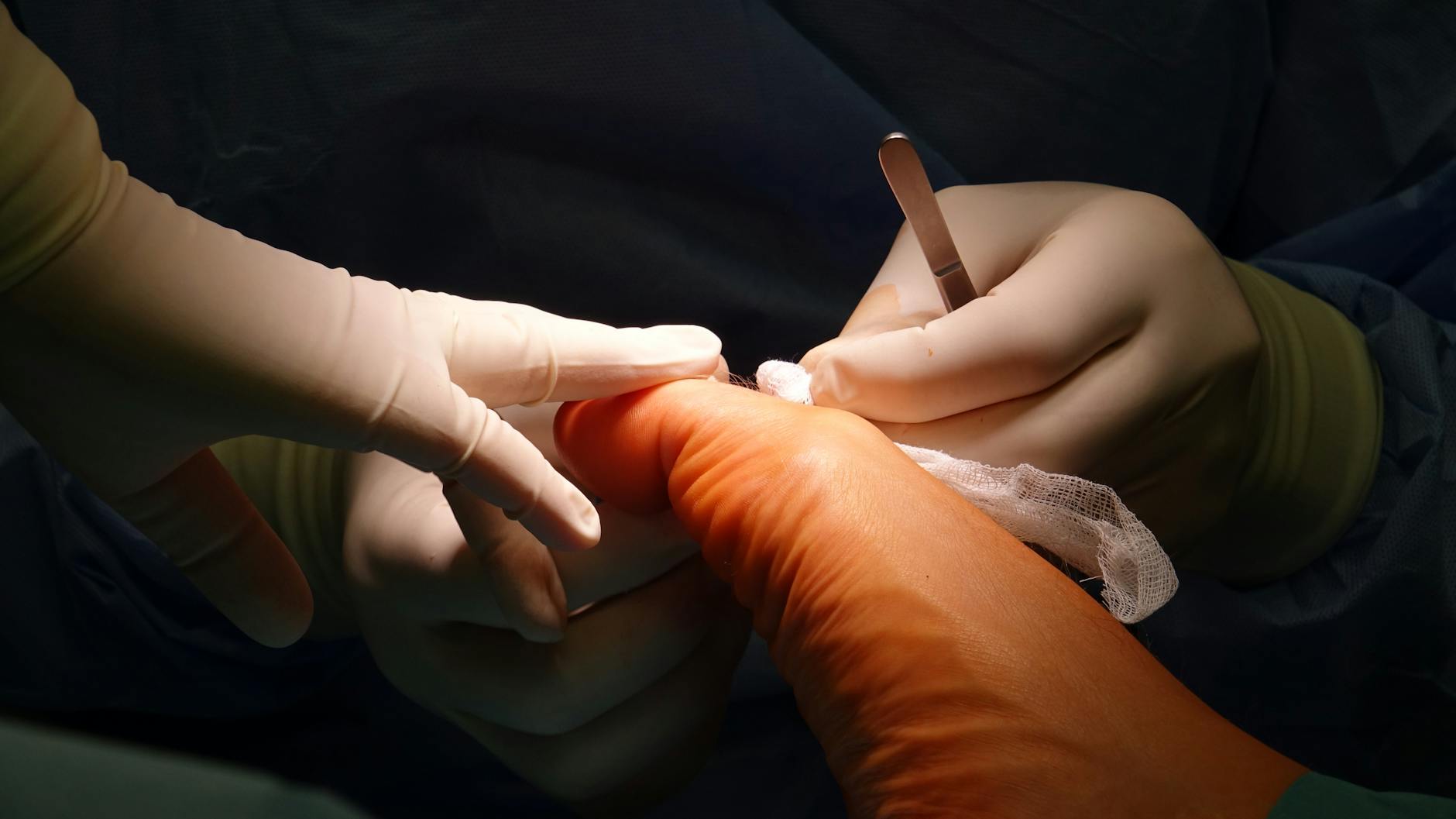
Your surgery day follows a structured timeline designed to maximize your comfort and results. Plan to arrive 15-30 minutes before your scheduled appointment time to complete check-in and any remaining paperwork. This buffer helps reduce stress and ensures you're relaxed before the procedure begins.
Your dermatologist will review the treatment area and mark the excision boundaries with a surgical marker.
A small injection of lidocaine numbs the area completely within 2-3 minutes.
The actual removal takes 10-20 minutes depending on the size and location of the lesion.
The injection feels like a brief pinch, similar to a vaccination. Once numb, you won't feel the excision itself. Many patients find the procedure less uncomfortable than anticipated. Your surgeon will close the area with sutures and apply a protective bandage.
Most surgical excisions take 30-45 minutes from start to finish. You can drive yourself home afterward since local anesthesia doesn't impair your coordination or judgment like general anesthesia would.
Items to Bring and Arrange

Proper preparation prevents last-minute stress and ensures your procedure goes smoothly. Start gathering these essentials a few days before surgery to avoid scrambling at the last minute.
Bring your insurance card, photo ID, and any pre-operative forms your dermatologist provided.
Wear loose-fitting garments that won't rub against the surgical site and can accommodate bandages.
Arrange for someone to drive you home, as you may feel drowsy from local anesthesia or pain medication.
Stock up on prescribed ointments, clean gauze, medical tape, and over-the-counter pain relievers your doctor recommended.
Remember that following post-surgical care instructions carefully reduces scarring risk and promotes optimal healing. Your dermatologist wants the best cosmetic outcome for you, so having everything ready demonstrates your commitment to the process.
Common Preparation Mistakes to Avoid
Even well-intentioned patients make preparation errors that can delay surgery or affect healing. Understanding these common pitfalls helps ensure your procedure goes smoothly and reduces your risk of complications that could lead to unwanted scarring.
Taking blood-thinning medications too close to surgery ranks as the most frequent mistake. Stop aspirin, ibuprofen, and herbal supplements like ginkgo biloba at least seven days before your procedure. Sarah learned this the hard way when her surgeon postponed her mole removal because she took ibuprofen for a headache two days prior.
Inadequate skin preparation creates unnecessary infection risks. Avoid applying lotions, makeup, or perfumes to the surgical site on procedure day. Your skin should be clean and completely dry when you arrive.
Poor scheduling decisions often create stress and complications. Never schedule surgery right before important social events or vacations. Allow adequate healing time without pressure to look perfect immediately.
Finally, neglecting follow-up arrangements leaves you scrambling for post-operative care when you need it most.
Avoiding these common preparation mistakes ensures smoother surgery and optimal healing with minimal scarring risk.
Frequently Asked Questions
Why is proper preparation important before surgical excision?
Proper preparation reduces your risk of complications by up to 70% and significantly improves healing outcomes. The steps you take beforehand directly impact how well your skin heals and how your final results look. Poor preparation can lead to infections, delayed healing, and more noticeable scarring. Following preparation guidelines creates the best possible environment for your body to heal, resulting in faster healing and minimal scarring.
When should I stop taking aspirin before surgical excision?
You should typically stop taking aspirin 7-10 days before surgery. Blood thinners like aspirin require careful timing to prevent bleeding complications during the procedure. Never stop these medications without explicit approval from both your surgeon and prescribing physician. For example, if your surgery is scheduled for Friday, you would stop taking aspirin the previous Monday.
What supplements should I avoid before surgical excision?
Fish oil, vitamin E, ginkgo biloba, garlic supplements, turmeric, and ginger should be discontinued 1-2 weeks prior to surgery. Many supplements affect bleeding and can increase bleeding risk during excision. Even common supplements like turmeric and ginger can compromise your surgical results. Start this conversation with your surgeon at least two weeks before your procedure to allow adequate planning time.
How should I prepare my skin before surgical excision?
Start with gentle cleansing using a mild, fragrance-free cleanser twice daily beginning one to two weeks before your procedure. Avoid harsh scrubs, exfoliating brushes, or products containing alcohol that can irritate the treatment area. Switch to lukewarm water instead of hot showers, which can dry and inflame your skin. You should also discontinue retinoids, chemical peels, and exfoliating treatments one week before surgery to prevent skin sensitivity.
Disclaimer: This content is for informational purposes only and does not constitute medical advice. Always consult a qualified healthcare provider before making health decisions.