
What is Surgical Excision and When is it Needed
Complete overview of surgical excision including what it is, when it's recommended, and how it compares to other removal methods
Read article →
8 articles
Surgical excision is a precise dermatological procedure used to completely remove suspicious skin lesions, growths, and abnormal tissue for both diagnostic and therapeutic purposes. This minor surgical technique allows dermatologists to obtain clear margins around problematic areas while providing tissue samples for pathological examination. Understanding the excision process, recovery expectations, and alternatives helps patients make informed decisions about their skin health treatment options.
This section covers everything from the initial procedure steps to long-term healing outcomes. You'll find detailed information about preparation requirements, aftercare protocols, potential scarring, insurance considerations, and how excision compares to other removal methods.
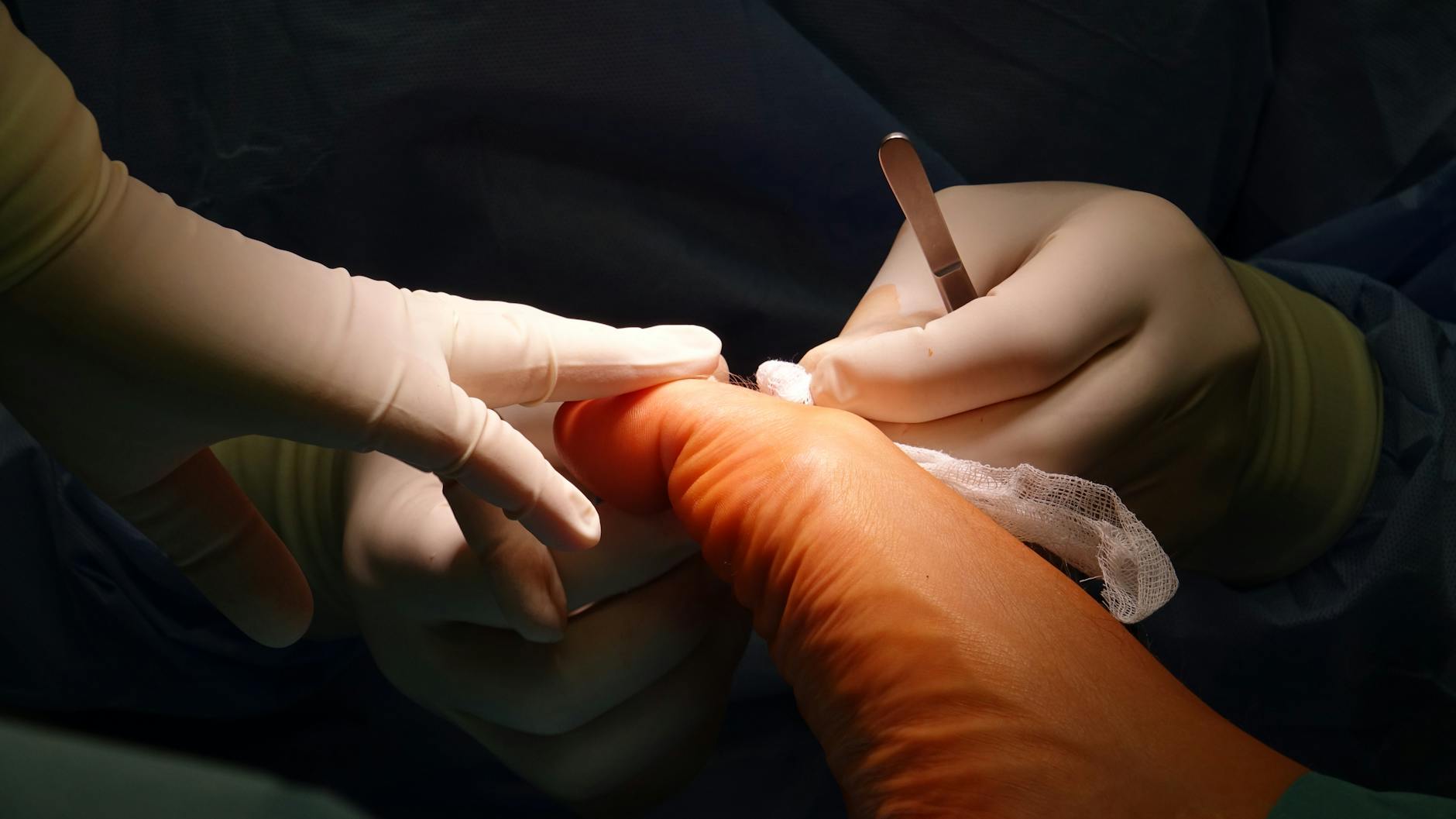
Complete overview of surgical excision including what it is, when it's recommended, and how it compares to other removal methods
Read article →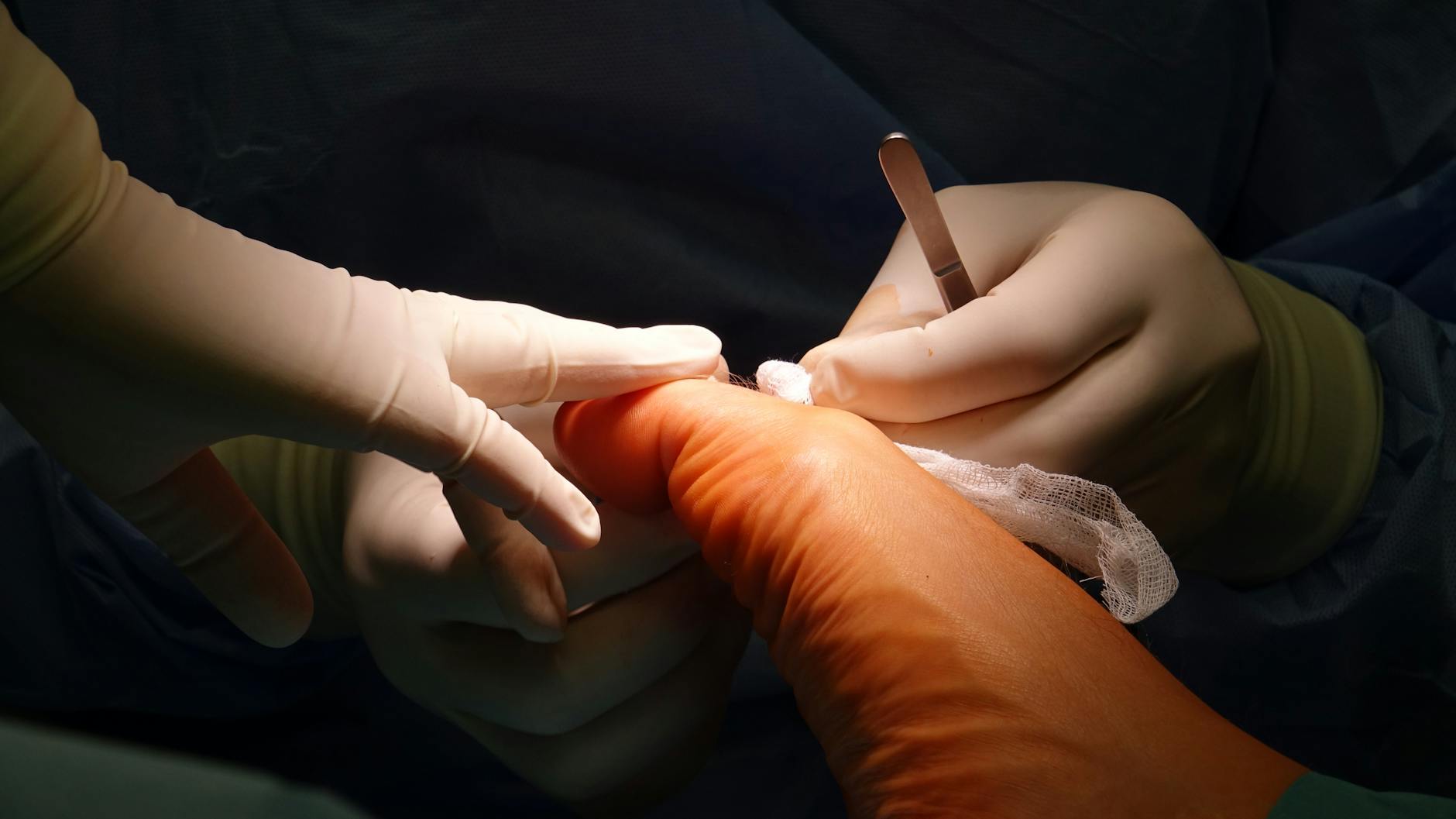
Detailed walkthrough of the surgical excision procedure from preparation to closure, including anesthesia and surgical techniques
Read article →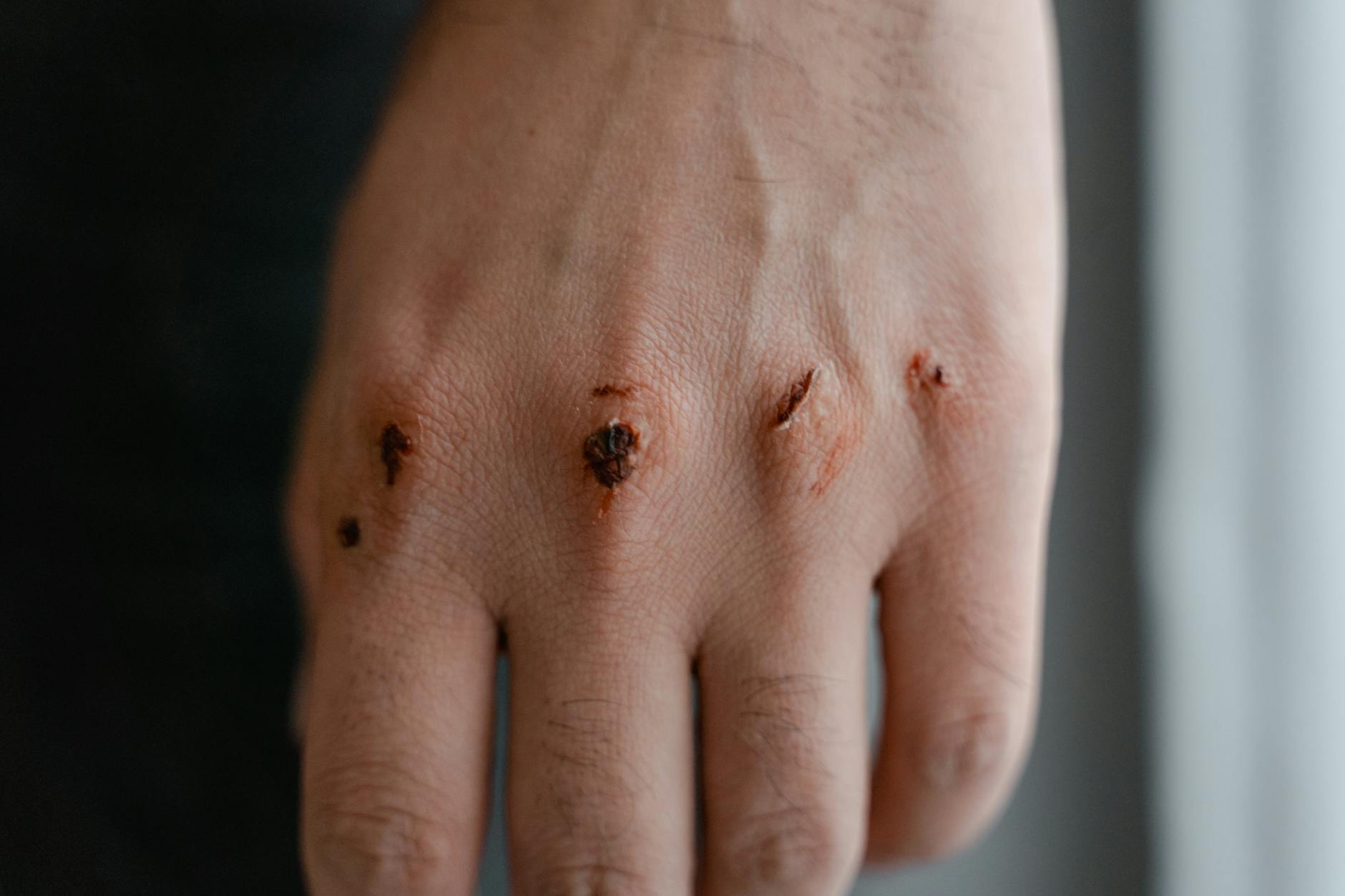
Comprehensive guide to skin conditions treated with surgical excision including moles, cysts, lipomas, and skin cancers
Read article →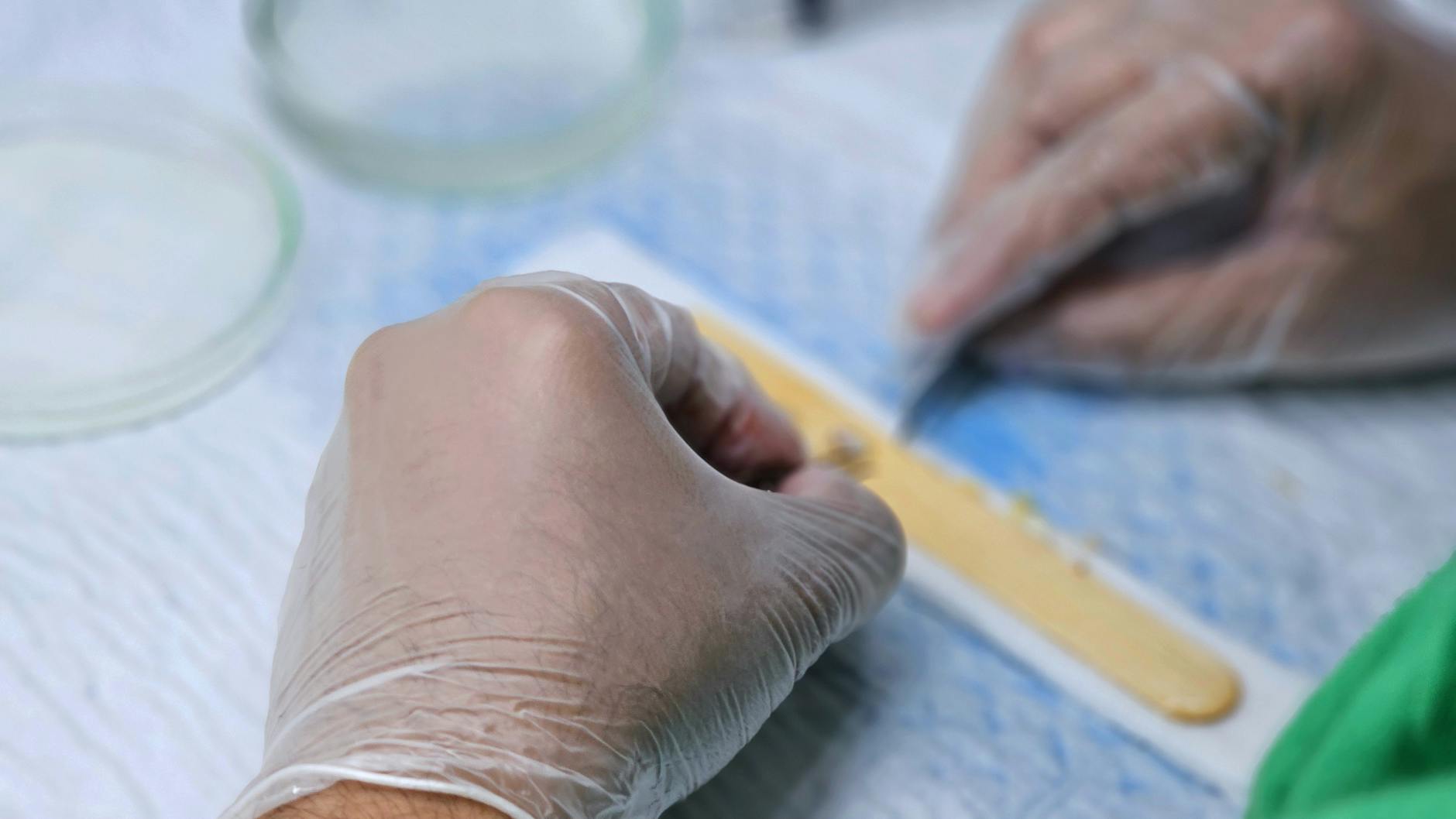
Pre-operative instructions including medication adjustments, skin preparation, and what to expect on surgery day
Read article →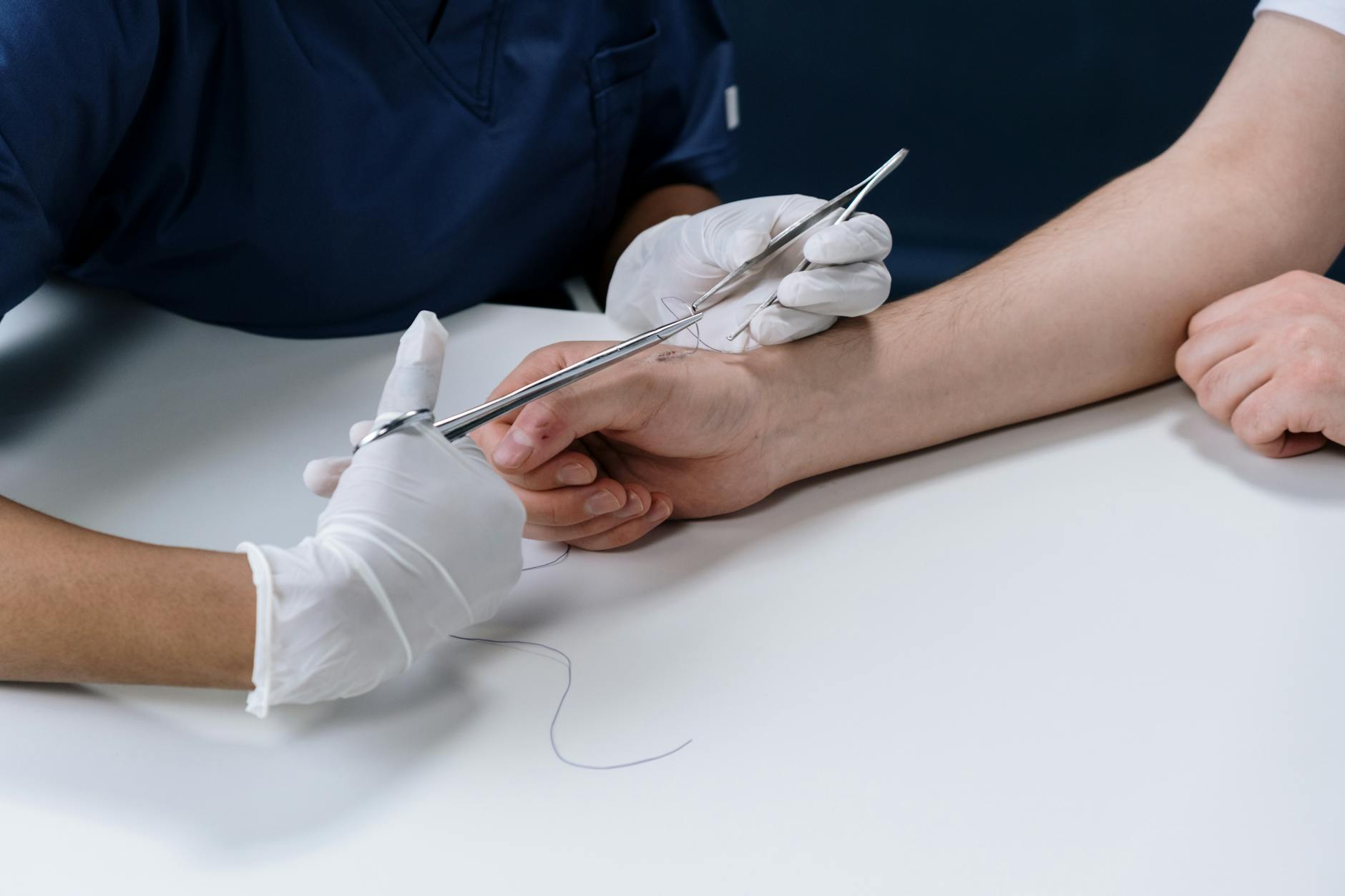
Post-operative care instructions including wound care, activity restrictions, and healing timeline expectations
Read article →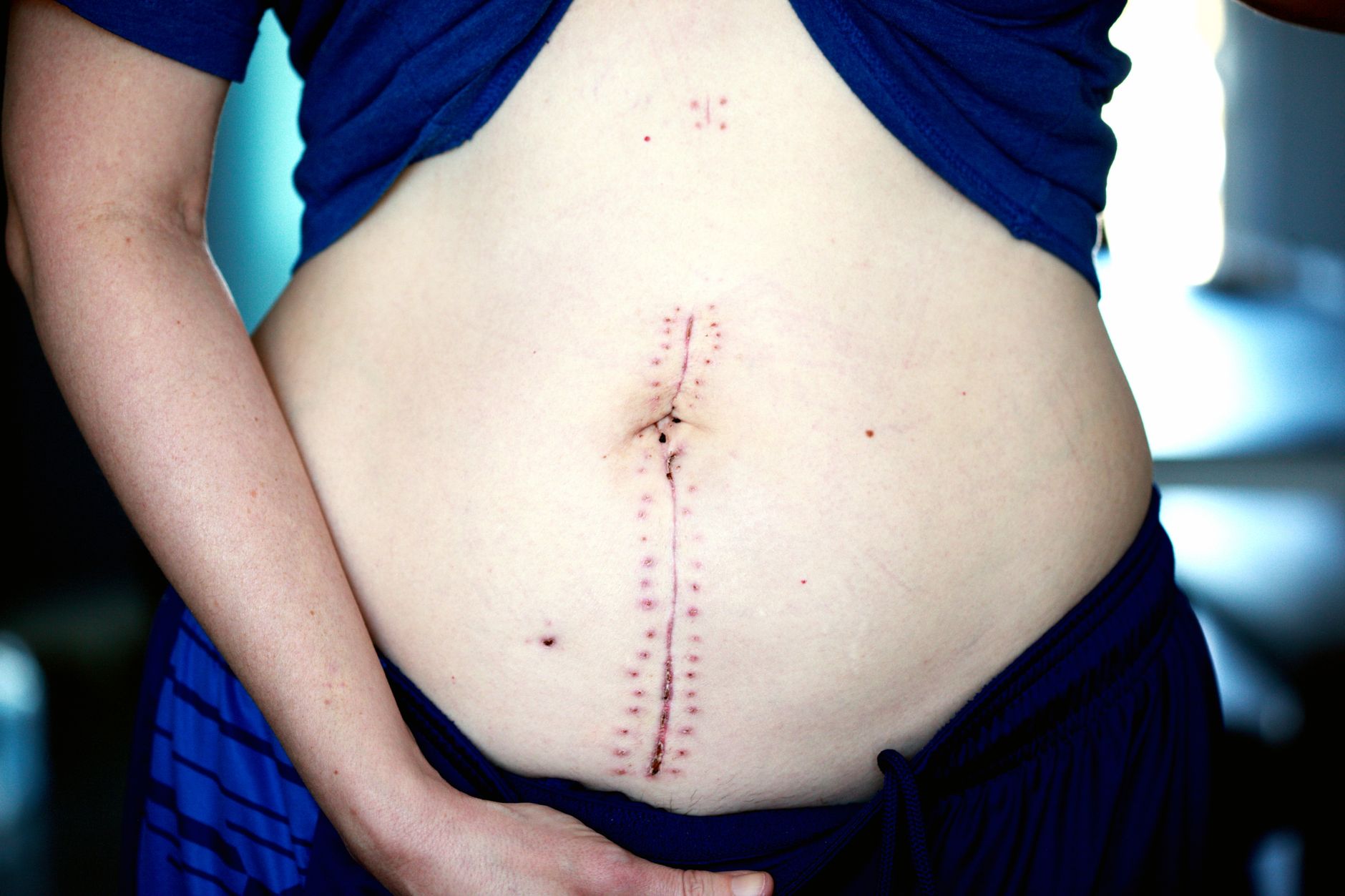
Understanding scar formation, factors affecting scar appearance, and methods to minimize scarring after surgical excision
Read article →
Breakdown of surgical excision costs, insurance coverage factors, and financial considerations for different types of lesion removal
Read article →
Detailed comparison of surgical excision with laser removal, cryotherapy, and other lesion removal techniques
Read article →