Cancerous Lesions Requiring Excision

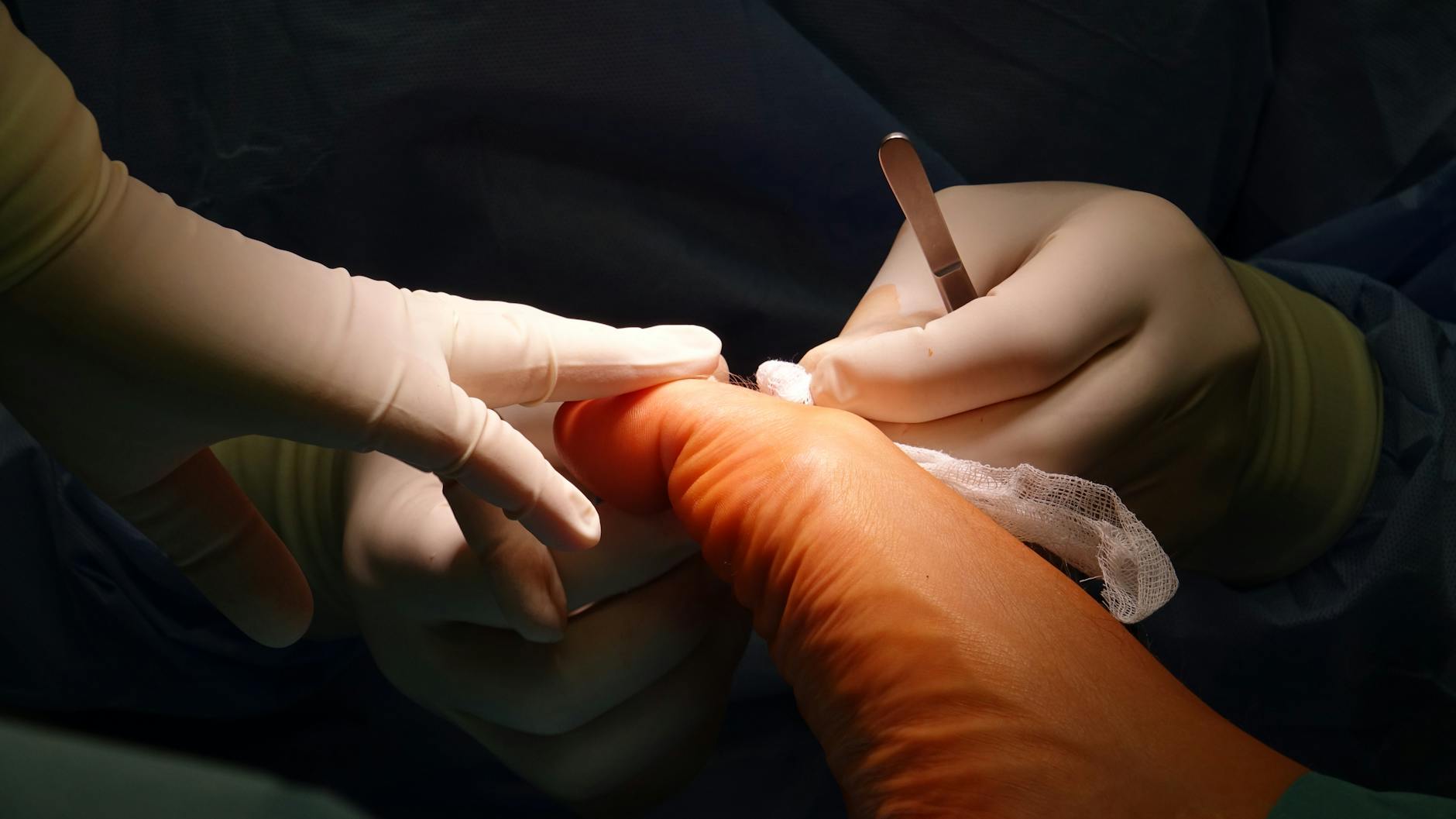
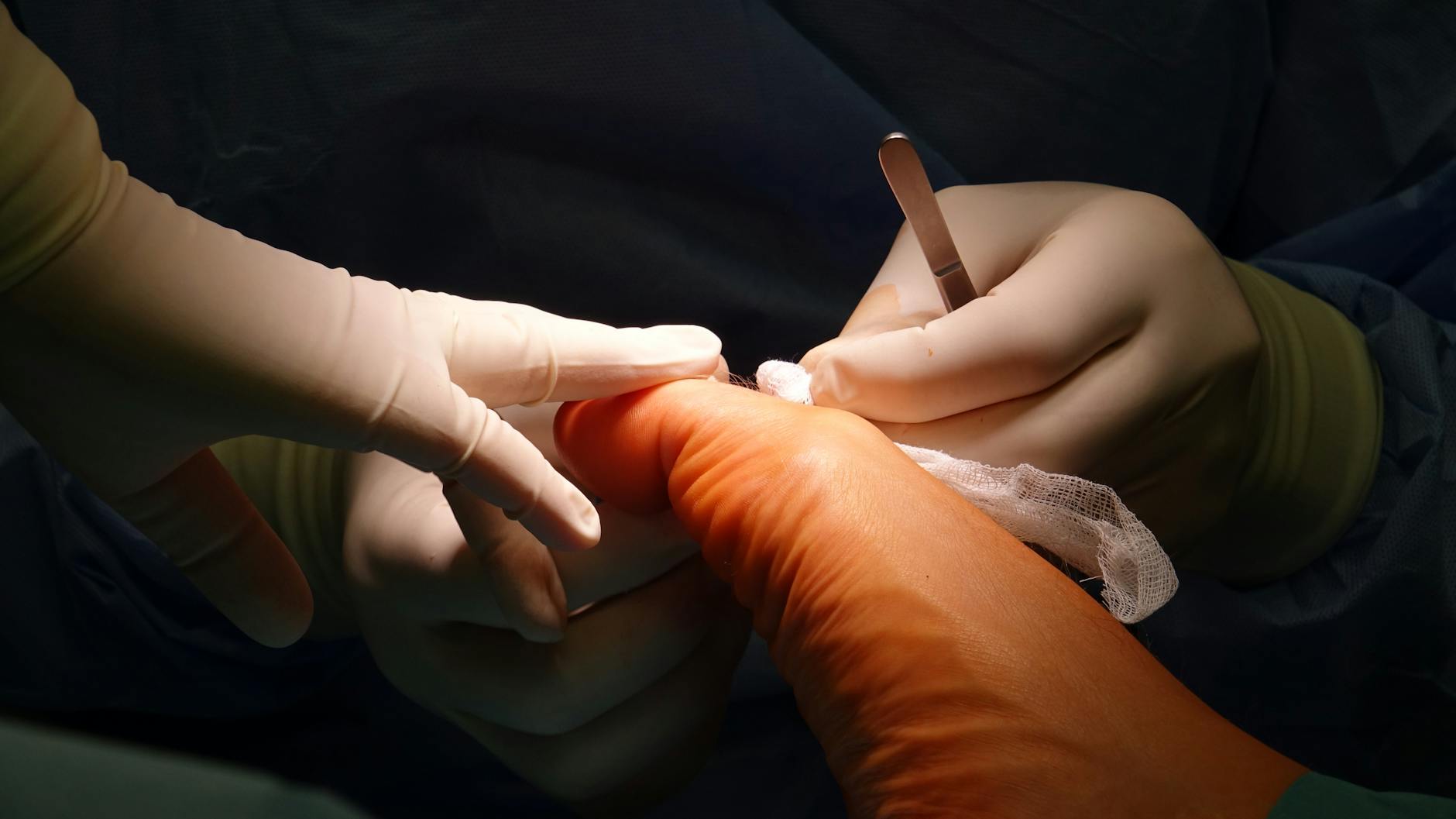
When it comes to skin cancer, surgical excision remains the most effective treatment method for ensuring complete removal and preventing recurrence. Three main types of cancerous lesions require excisional surgery: melanoma, basal cell carcinoma, and squamous cell carcinoma.
“Surgical excision provides the highest cure rates for skin cancers while allowing pathologists to examine the entire tumor under a microscope.”
Melanoma, the most aggressive skin cancer, appears as an irregular, darkly pigmented mole that changes in size, shape, or color. Basal cell carcinoma typically presents as a pearly, flesh-colored bump or a persistent sore that won't heal. Squamous cell carcinoma often looks like a rough, scaly patch or a firm red nodule.
While concerns about scarring are natural, modern surgical techniques minimize visible marks while prioritizing complete cancer removal for your long-term health and peace of mind.
Precancerous Lesions and Suspicious Moles

Precancerous lesions require careful evaluation and often surgical removal to prevent progression to skin cancer. These growths show abnormal cellular changes that could develop into malignancy over time.
Atypical moles, also called dysplastic nevi, appear larger than normal moles with irregular borders and mixed colors. Dermatologists recommend excision when these moles show significant asymmetry or color variation. Actinic keratoses, those rough, scaly patches on sun-exposed skin, typically receive other treatments first, but thick or resistant lesions may need surgical removal.
"Early removal of suspicious lesions prevents potential cancer development while minimizing scarring through proper surgical technique."
Your dermatologist will recommend excision when moles change size, shape, or color rapidly. For example, a mole that develops an irregular black area or grows beyond 6mm diameter warrants immediate evaluation. Modern excision techniques leave minimal scarring, addressing concerns about appearance while prioritizing your health and peace of mind.
Benign Growths Commonly Excised
Many non-cancerous skin lesions are removed through excision for both medical and cosmetic reasons. Large moles that catch on clothing or change in appearance often warrant removal, even when they're benign. Your dermatologist can examine these growths and determine if excision is the right approach.
Lipomas, which are soft fatty lumps under the skin, and various cysts frequently require surgical removal when they become large or bothersome. These growths typically develop slowly and feel moveable under the skin.
Skin tags and seborrheic keratoses are among the most common benign lesions removed. Skin tags often appear in areas where skin rubs together, while seborrheic keratoses look like waxy, raised patches that can resemble barnacles on the skin.
When cosmetic concerns affect your confidence or daily activities, excision can provide permanent removal with minimal scarring when performed by an experienced dermatologist. Modern techniques focus on preserving skin appearance while completely removing unwanted growths.
When Excision is Preferred Over Other Methods

Your dermatologist chooses surgical excision when other treatments cannot achieve the same results. Deep lesions that extend below the skin's surface require complete removal through excision, while surface treatments like Chemical Peels cannot reach these depths. Chemical Peels use acid treatments that remove damaged skin layers to improve texture and appearance through controlled chemical exfoliation, but they work only on superficial concerns.
Excision becomes essential when your doctor needs tissue samples for pathological examination. Large moles, suspicious growths, or lesions with irregular borders require microscopic analysis to rule out cancer. This diagnostic capability makes excision irreplaceable for certain conditions.
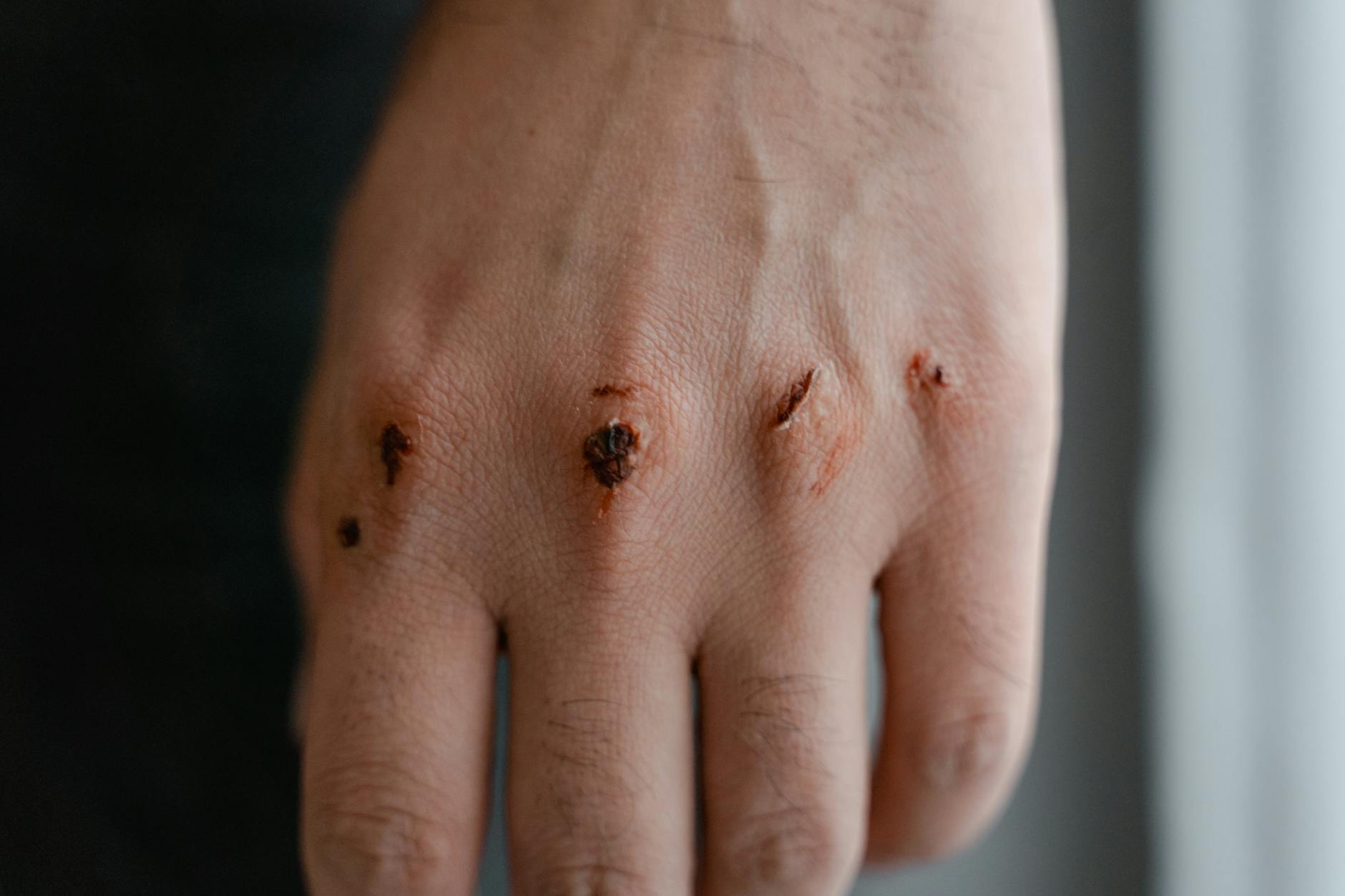
The long-term effectiveness of excision surpasses other methods because it removes the entire lesion with clear margins. While this approach may initially seem concerning regarding scarring, proper technique and aftercare typically result in minimal, well-healed scars that fade significantly over time.
What to Expect During Lesion Evaluation
Your dermatologist will begin with a thorough visual examination of your skin lesion, often using a dermatoscope for magnified viewing. This process typically takes 5-10 minutes and involves checking the lesion's size, shape, color, and texture. The doctor will also examine surrounding skin for similar growths or changes.
Doctor examines lesion characteristics and surrounding skin area.
Discussion of symptoms, growth timeline, and family history.
Doctor explains options and recommends best approach for your situation.
If the lesion appears suspicious, your dermatologist may recommend a biopsy before excision. Most treatment decisions happen during the same visit, though complex cases might require a follow-up appointment. Your doctor will address concerns about scarring and explain techniques to minimize visible marks.
Bring photos showing how your lesion has changed over time to help your dermatologist make the most accurate treatment decision.
Frequently Asked Questions
What types of skin cancer require surgical excision?
Three main types of cancerous lesions require excisional surgery: melanoma, basal cell carcinoma, and squamous cell carcinoma. Surgical excision provides the highest cure rates for skin cancers while allowing pathologists to examine the entire tumor under a microscope. Modern surgical techniques minimize visible marks while prioritizing complete cancer removal for long-term health.
How effective is surgical excision for treating skin cancer?
Surgical excision has excellent cure rates for different types of skin cancer. Basal cell carcinomas have a 99% cure rate when excised, squamous cell carcinomas have a 98% cure rate, and early melanoma has a 95% five-year survival rate. This makes surgical excision the most effective treatment method for ensuring complete removal and preventing recurrence.
When should atypical moles be surgically removed?
Dermatologists recommend excision when atypical moles show significant asymmetry or color variation. Your dermatologist will recommend excision when moles change size, shape, or color rapidly, such as developing an irregular black area or growing beyond 6mm diameter. Early removal of suspicious lesions prevents potential cancer development while minimizing scarring through proper surgical technique.
What benign skin growths are commonly removed through excision?
Common benign growths removed through excision include large moles that catch on clothing, lipomas (soft fatty lumps), various cysts, skin tags, and seborrheic keratoses. Lipomas and cysts are typically removed when they become large or bothersome, while skin tags often appear where skin rubs together. Modern excision techniques focus on preserving skin appearance while completely removing unwanted growths.
Disclaimer: This content is for informational purposes only and does not constitute medical advice. Always consult a qualified healthcare provider before making health decisions.