Immediate Post-Surgery Care (First 24-48 Hours)

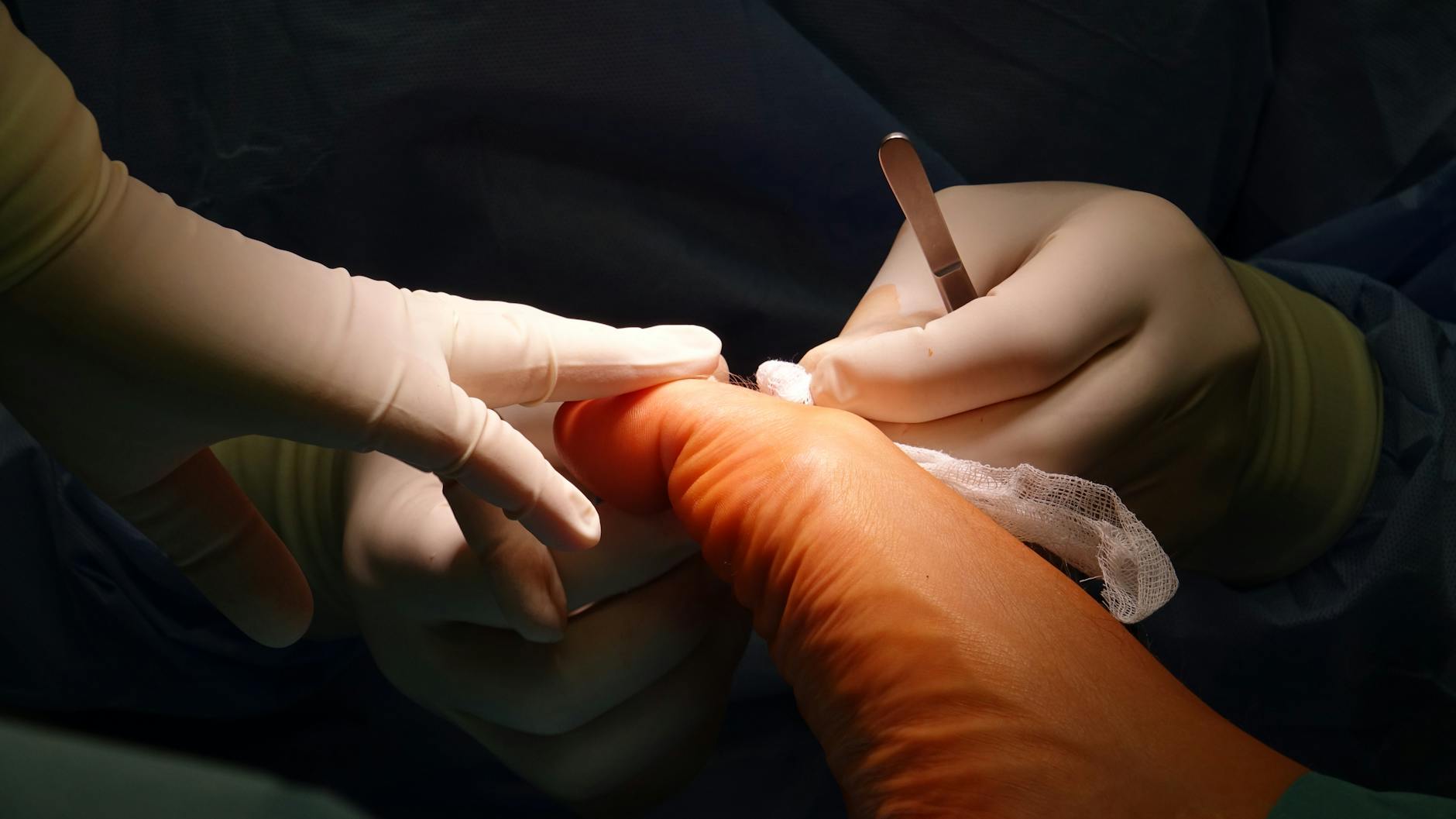
The first two days after surgical excision set the foundation for proper healing and minimize your risk of complications that could affect the final appearance of your skin. Your wound is most vulnerable during this critical window, making proper care essential for optimal recovery.
“The first 48 hours determine whether your wound heals smoothly or develops complications that could impact scarring.”
Avoid showers, baths, or any water contact on the surgical site for the first 24 hours.
Use clean gauze to apply direct pressure for 10-15 minutes if minor bleeding occurs.
Replace bandages according to your surgeon's specific timeline, typically every 12-24 hours initially.
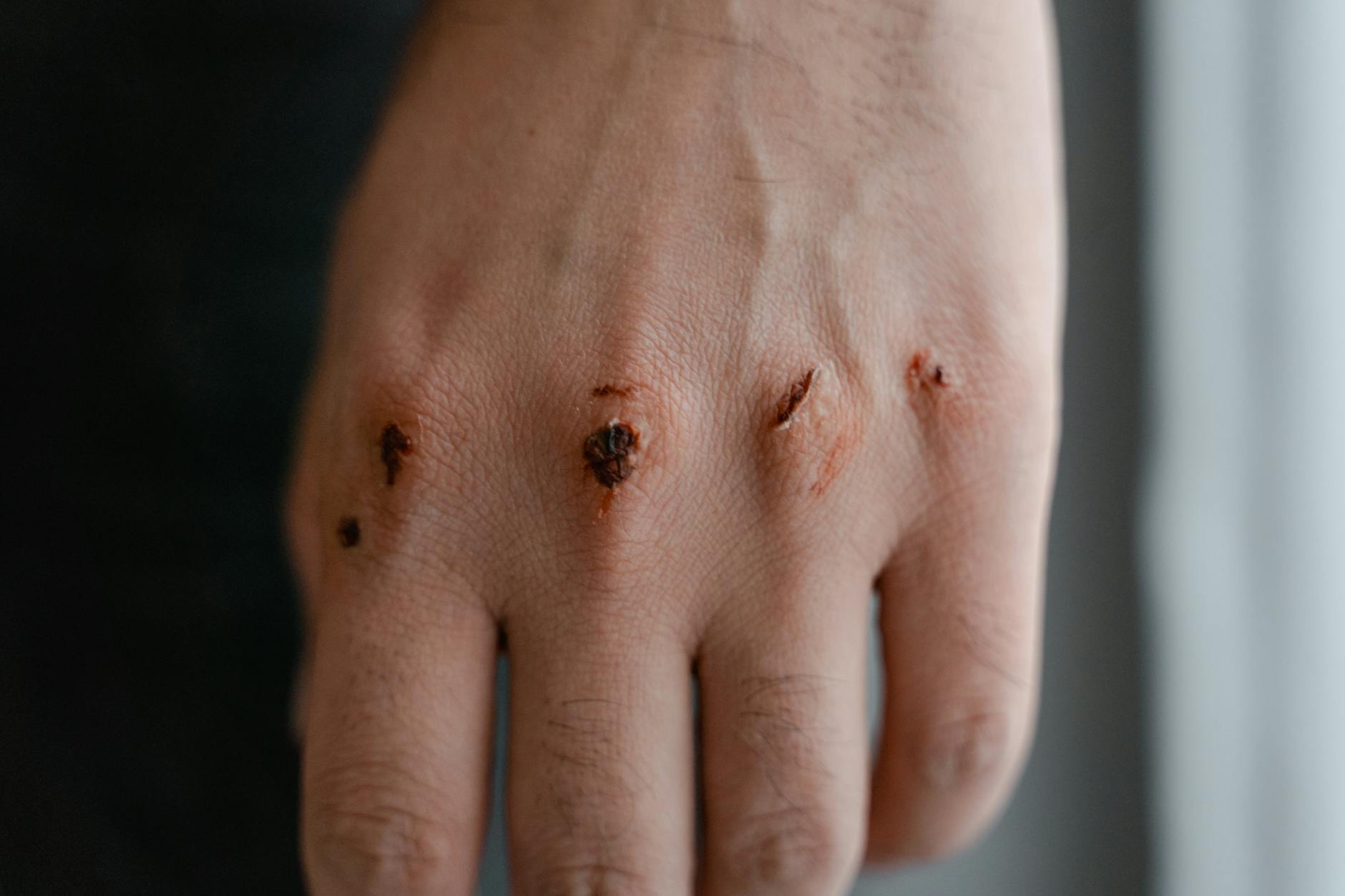
Normal healing includes mild swelling, slight redness around the edges, and minimal clear or slightly bloody drainage. However, contact your dermatologist immediately if you notice increasing pain, bright red streaks extending from the wound, excessive bleeding that won't stop with pressure, or pus-like discharge with a foul odor.
Daily Wound Care Routine

Establishing a consistent daily wound care routine prevents infection and promotes optimal healing. Your surgical site requires gentle but thorough attention for the first two weeks following excision.
Wash thoroughly with antibacterial soap for 20 seconds before touching the wound area.
Use sterile saline solution on a cotton swab to remove dried blood or debris around the incision.
Cover with a non-stick pad secured with medical tape, ensuring complete wound coverage.
Change your dressing twice daily or whenever it becomes wet or soiled. Morning and evening routines work best for most patients. For example, if you shower in the morning, perform wound care immediately afterward when the area is clean.
“Proper wound care significantly reduces scarring and speeds healing time by up to 50%.”
Normal healing shows steady improvement with decreasing redness, swelling, and tenderness over 7-10 days. The incision edges should remain closed without gaps or separation. While some scarring is inevitable with any surgical procedure, following these steps minimizes its appearance and helps achieve the best cosmetic outcome possible.
Activity Restrictions and Guidelines
Understanding how to modify your activities after surgical excision prevents complications and promotes optimal healing. Your skin needs time to rebuild, and certain movements or activities can strain the wound site.
During the first week, avoid heavy lifting over 10 pounds and high-impact exercises like running or jumping. These activities increase blood flow and can cause the wound to reopen. Light walking is beneficial and helps maintain circulation without stressing the healing tissue.
Work modifications depend on your job requirements. Office workers can typically return within 2-3 days, while those in physically demanding roles may need 1-2 weeks off. Avoid activities that require stretching or reaching if the excision site is on your torso or arms.
Swimming and soaking in baths should wait until sutures are removed and your doctor confirms the wound is sealed. Water exposure too early increases infection risk and can soften healing tissue. Most patients can resume normal activities within 3-4 weeks, though this varies by location and size of the excision.
Healing Timeline: What to Expect
Your surgical excision site will heal in predictable stages, and understanding this timeline helps reduce anxiety about the process. Most patients worry about permanent scarring, but following proper aftercare significantly improves your final result.
During the first week, expect redness, swelling, and possible bruising around the wound. Your stitches will remain in place, and the area may feel tight or tender. Keep the wound dry and covered as directed.
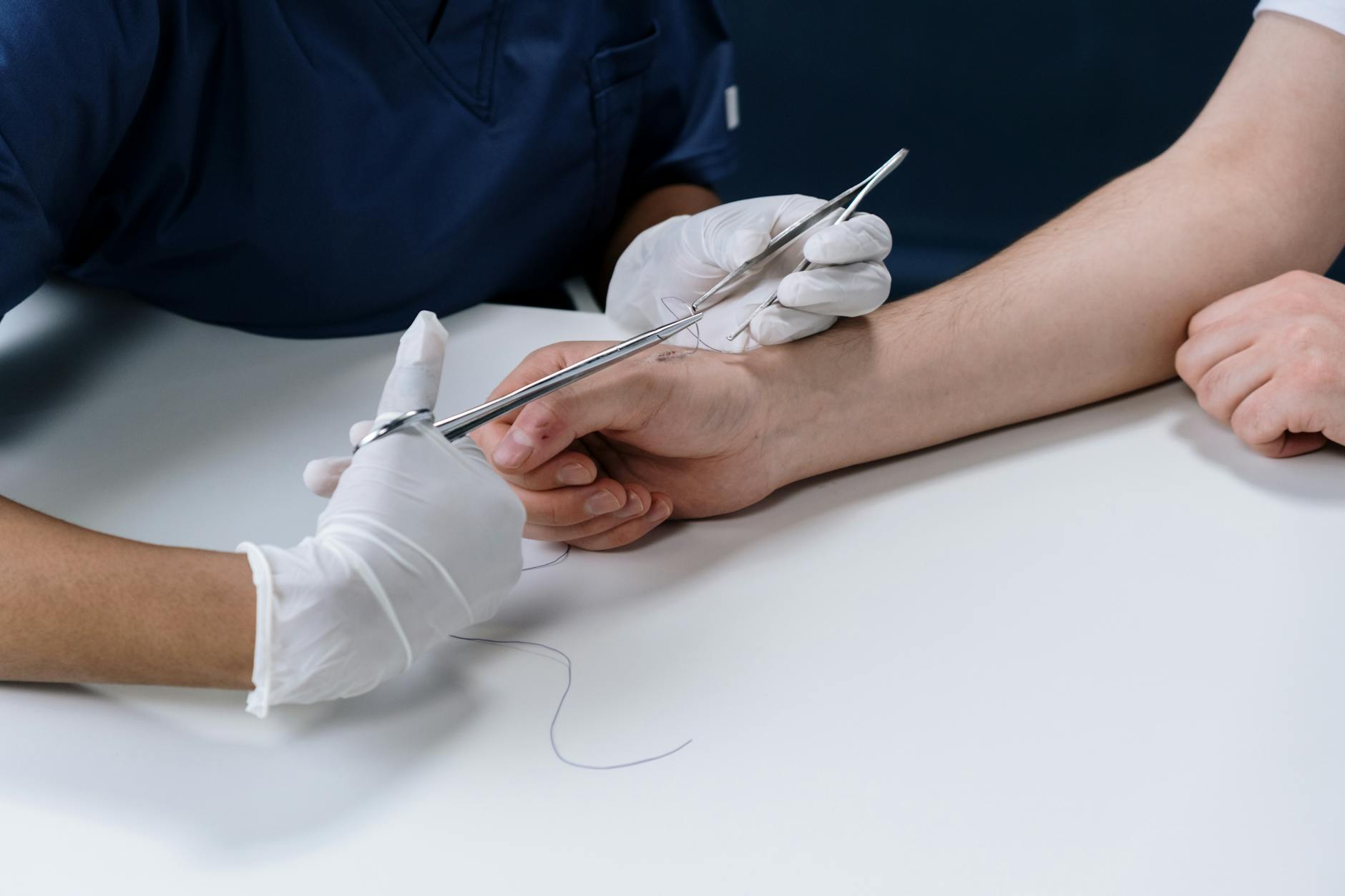
Week two typically brings suture removal for most facial excisions, while body sites may require 10-14 days. Your surgeon will evaluate healing progress before removing stitches. The wound edges should appear well-approximated without gaps.
Weeks three through six involve continued tissue remodeling. The initial red, raised appearance gradually flattens and lightens. You may notice itching as nerves regenerate—this signals healthy healing progression.
Complete healing occurs around six to eight weeks, though the scar continues maturing for up to one year. For example, a small facial excision might appear nearly invisible after six months, while larger body excisions may take the full year to reach their final appearance.
Warning Signs and When to Call Your Doctor

While most surgical excisions heal without problems, knowing what to watch for gives you peace of mind and protects your recovery. Your body will tell you when something isn't right—the key is listening to these signals.
Call your doctor immediately if you notice signs of infection: increasing redness spreading beyond the wound edges, warmth around the site, yellow or green discharge with a foul smell, or red streaking extending from the incision. A fever above 101°F combined with these symptoms requires urgent attention.
Bleeding that soaks through fresh bandages repeatedly, or any bright red bleeding that won't stop with gentle pressure, needs medical evaluation. Similarly, if your wound edges pull apart or you can see deeper layers of tissue, contact your healthcare provider right away.
For example, normal healing might include slight pink edges and clear drainage, while concerning signs include purple discoloration or thick, cloudy discharge. Trust your instincts—if something feels wrong, it's better to call and receive reassurance than to worry unnecessarily or delay treatment for a real problem.
Long-term Scar Management
Most surgical excision sites heal with minimal scarring when properly cared for, addressing your concerns about permanent marks. The key to optimal healing lies in consistent sun protection and understanding your treatment options.
Always apply broad-spectrum sunscreen (SPF 30+) to healing areas for at least six months. UV exposure darkens scars and slows healing, making protection essential for invisible results.
Several techniques can improve scar appearance once initial healing completes. Silicone sheets or gels help flatten raised scars. Massage with moisturizer promotes flexibility and reduces thickness. Chemical Peels use acid treatments that remove damaged skin layers to improve texture and appearance through controlled chemical exfoliation, particularly effective for surface irregularities.
Consider additional treatments if scars remain noticeable after three months. Professional options include laser therapy, steroid injections, or more intensive resurfacing procedures. Your dermatologist can recommend the best approach based on your specific healing pattern.
Consistent sun protection and patience during the first six months are your best tools for preventing permanent scarring.
Frequently Asked Questions
How long should I keep my surgical wound dry after excision?
You should avoid showers, baths, or any water contact on the surgical site for the first 24 hours after excision. This critical period helps establish proper healing and reduces the risk of complications that could affect scarring.
How often should I change my bandages after surgical excision?
Initially, replace bandages according to your surgeon's timeline, typically every 12-24 hours for the first few days. After that, change your dressing twice daily or whenever it becomes wet or soiled, with morning and evening routines working best for most patients.
What activities should I avoid after surgical excision?
During the first week, avoid heavy lifting over 10 pounds and high-impact exercises like running or jumping. These activities increase blood flow and can cause the wound to reopen. Light walking is beneficial as it helps maintain circulation without stressing the healing tissue.
When should I contact my dermatologist after surgical excision?
Contact your dermatologist immediately if you notice increasing pain, bright red streaks extending from the wound, excessive bleeding that won't stop with pressure, or pus-like discharge with a foul odor. Normal healing includes mild swelling, slight redness around the edges, and minimal clear or slightly bloody drainage.
What is the proper way to clean my surgical wound?
First, wash your hands thoroughly with antibacterial soap for 20 seconds before touching the wound area. Then gently cleanse the wound using sterile saline solution on a cotton swab to remove dried blood or debris around the incision. Finally, cover with a non-stick pad secured with medical tape, ensuring complete wound coverage.
Disclaimer: This content is for informational purposes only and does not constitute medical advice. Always consult a qualified healthcare provider before making health decisions.