What Surgical Excision Typically Costs

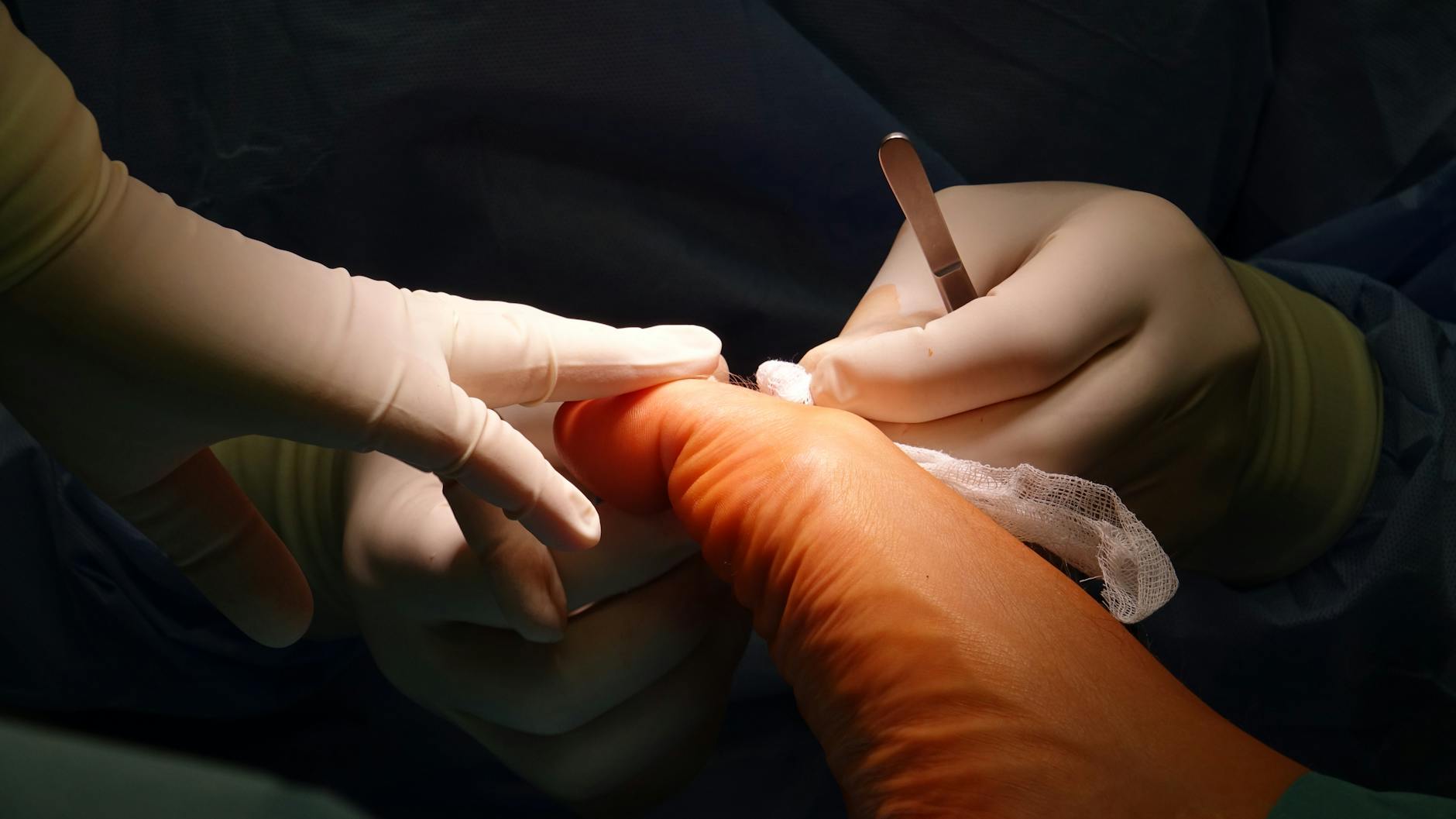
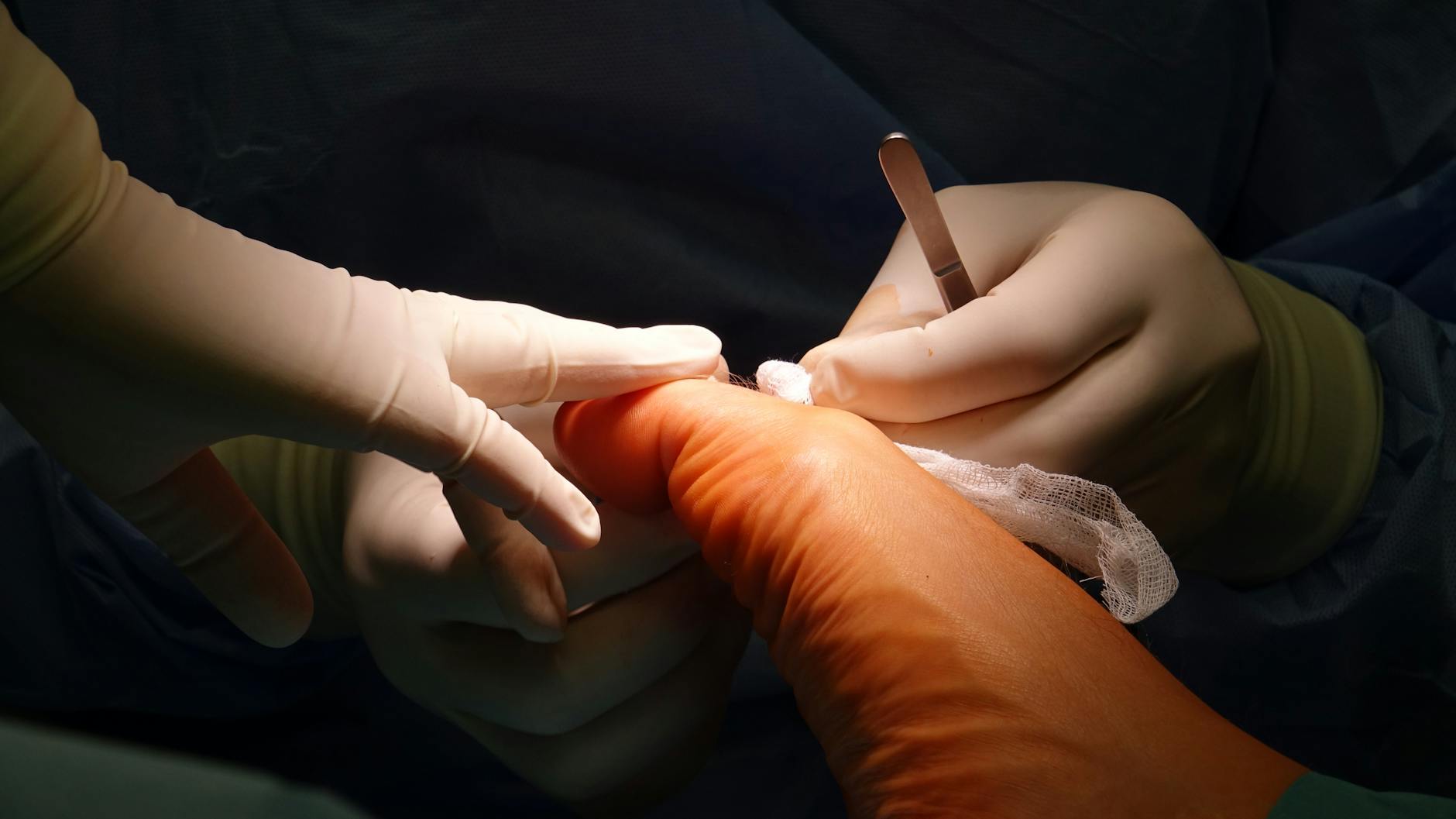
Surgical excision costs vary significantly based on the complexity of your procedure. Simple excisions for small, straightforward lesions typically range from $150 to $400. These basic procedures involve removing surface-level growths like moles or small cysts in easily accessible areas.
Complex excisions cost considerably more, ranging from $500 to $1,500. These procedures involve larger lesions, deeper tissue removal, or growths in challenging locations like the face or hands. For example, removing a suspicious mole from your cheek requires more precision and specialized techniques than excising one from your back.
“The location and size of your lesion directly impacts both the procedure cost and healing time.”
Several factors influence your final bill. Lesion size matters most—larger growths require more time and skill to remove properly. Location affects pricing because areas like your face demand greater surgical precision to minimize scarring, addressing concerns about permanent marks or social embarrassment. The complexity of the procedure also plays a role, with irregular or deep lesions requiring more extensive work.
Pathology fees add another $100 to $300 to your total cost. Every excised tissue sample goes to a laboratory for microscopic examination to rule out cancer or other conditions. This essential step ensures your peace of mind and confirms complete removal of problematic tissue.
Geographic location significantly impacts pricing, with procedures in major metropolitan areas costing 20-40% more than those in smaller cities or rural areas.
How Insurance Coverage Works for Surgical Excision

Insurance coverage for surgical excision hinges entirely on medical necessity. When your doctor removes a suspicious mole, skin cancer, or lesion that poses health risks, insurance typically covers the procedure. However, if you want a benign mole removed purely for cosmetic reasons, you'll likely pay out of pocket.
“Medical necessity, not your preferences, determines whether insurance will cover your excision procedure.”
Your dermatologist plays a crucial role in this determination. They must document why the removal is medically necessary, whether due to irregular growth patterns, changes in appearance, or cancer concerns. This documentation becomes the foundation for your insurance claim.
Pre-authorization requirements vary significantly between insurance companies. Some insurers require approval before any excision, while others only require it for larger procedures or specific locations on your body. Contact your insurance provider directly to understand their specific requirements and avoid surprise denials.
Choosing in-network providers dramatically reduces your costs. While an in-network dermatologist might charge you a $25-50 copay for a medically necessary excision, the same procedure with an out-of-network provider could cost hundreds more in deductibles and coinsurance.
For example, removing a suspicious lesion on your face might cost $15 with insurance coverage, but removing a cosmetic mole in the same location could cost $300-500 out of pocket. Understanding this distinction helps you make informed decisions about timing and necessity.
Factors That Affect Your Final Cost
Your surgical excision bill depends on several variables that can swing costs from hundreds to thousands of dollars. Understanding these factors helps you budget accurately and avoid surprise expenses.
Provider type makes the biggest difference in pricing. Dermatologists typically charge $300-800 for simple excisions, while plastic surgeons often charge $800-2,500 for the same procedure. Plastic surgeons command higher fees due to their specialized training in cosmetic outcomes, which matters if you're concerned about visible scarring on areas like your face or neck.
Geographic location creates dramatic price variations. The same excision costs $400 in rural Tennessee but $1,200 in Manhattan. Major metropolitan areas consistently charge 40-60% more than smaller cities due to higher overhead costs and market demand.
Facility choice impacts your bottom line significantly. Office-based procedures cost less because they avoid hospital facility fees, which can add $500-1,500 to your bill. Most simple excisions happen in dermatology offices, but complex cases requiring general anesthesia move to outpatient surgery centers.
Hidden costs catch many patients off guard. Anesthesia fees range from $200-600 depending on the type needed. Pathology lab fees for tissue analysis typically cost $150-300. Follow-up visits for suture removal or wound checks add another $100-200 per appointment. Some practices bundle these services while others bill separately, so ask for a complete cost breakdown upfront.
Comparing Costs with Alternative Treatments

Understanding your treatment options helps you make informed financial decisions. Surgical excision typically costs between $150-$800 per procedure, while alternatives vary significantly in price and effectiveness.
Laser removal often ranges from $200-$1,200 per session, with most conditions requiring multiple treatments. For example, removing a small mole with laser might need 2-3 sessions at $300 each, totaling $600-$900 compared to one surgical excision at $400. However, surgical excision provides complete removal with tissue analysis, while laser treatment may require repeat sessions if the lesion returns.
Chemical Peels cost $75-$200 per treatment and work well for surface-level concerns like acne scars and age spots. These acid treatments remove damaged skin layers through controlled chemical exfoliation, improving texture and tone. While significantly cheaper than surgery, chemical peels only address superficial issues and require multiple sessions for optimal results.
Long-term cost effectiveness favors surgical excision for permanent removal needs. If you're dealing with suspicious growths or deep lesions that could cause scarring if inadequately treated, surgical excision prevents costly complications and revision procedures. Cheaper alternatives work best for cosmetic improvements on healthy skin, but surgical excision remains the gold standard for complete lesion removal and diagnostic purposes.
Choose treatment based on your specific condition rather than cost alone, as incomplete removal often leads to higher expenses later.
Frequently Asked Questions
How much does surgical excision cost?
Simple excisions for small lesions typically cost between $150 to $400, with an average of $275. Complex excisions for larger or more challenging lesions range from $500 to $1,500, averaging around $850. Pathology fees add another $100 to $300 to examine the removed tissue.
Does insurance cover surgical excision procedures?
Insurance typically covers surgical excision when it's medically necessary, such as removing suspicious moles or skin cancer. About 85% of medical excisions are covered by insurance with typical copays around $150. However, cosmetic removals of benign lesions are not covered and you'll pay out of pocket.
What factors affect the cost of surgical excision?
The main factors influencing cost are lesion size, location, and procedure complexity. Larger growths require more time and skill, while facial locations demand greater precision to minimize scarring. Geographic location also matters, with procedures in major cities costing 20-40% more than in smaller areas.
Do I need pre-authorization from insurance for surgical excision?
Pre-authorization requirements vary significantly between insurance companies. Some insurers require approval before any excision procedure, while others only require it for larger procedures or specific body locations. You should contact your insurance provider directly to understand their specific requirements and avoid surprise claim denials.
Disclaimer: This content is for informational purposes only and does not constitute medical advice. Always consult a qualified healthcare provider before making health decisions.