Understanding Surgical Excision Scar Formation

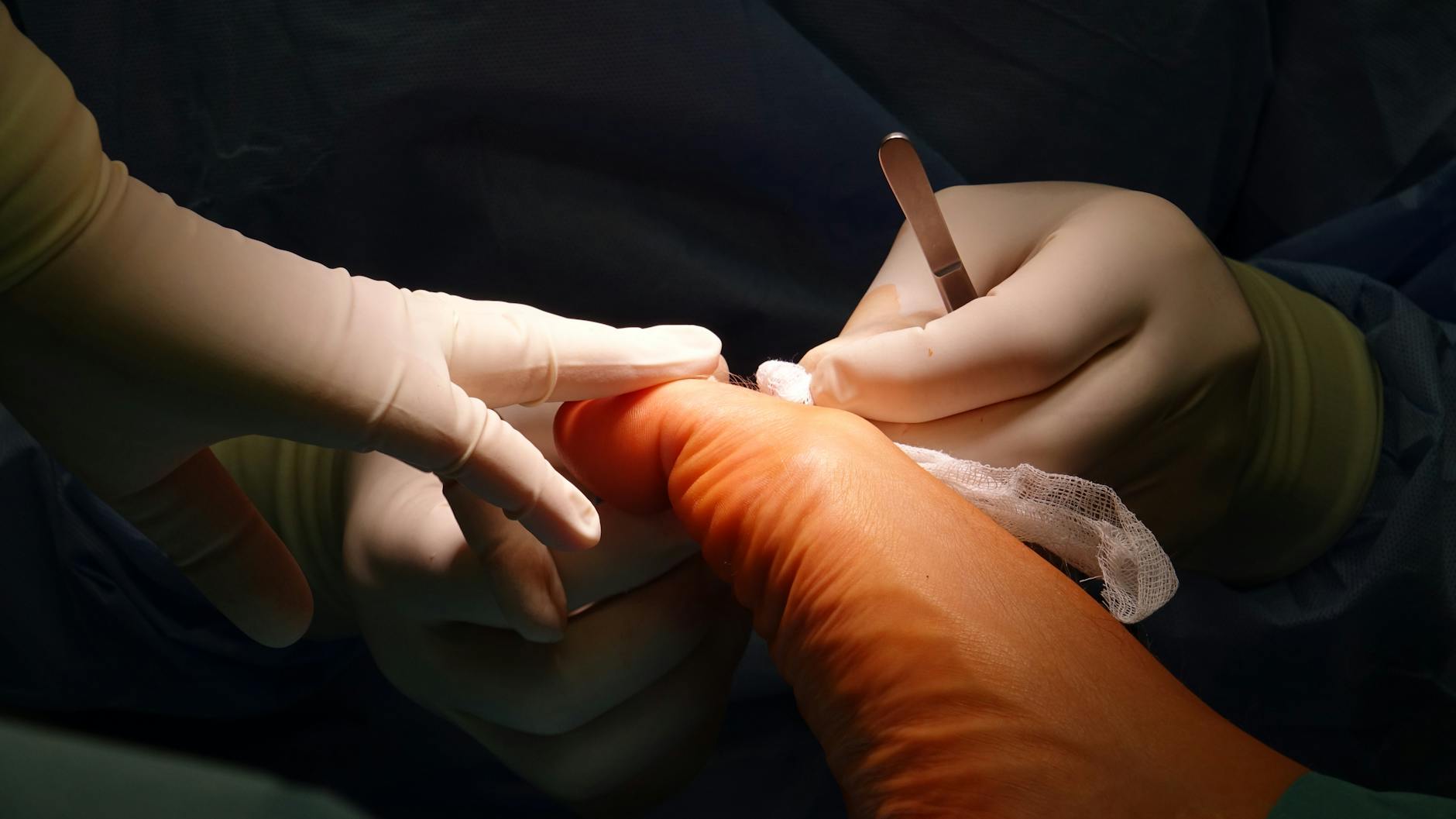
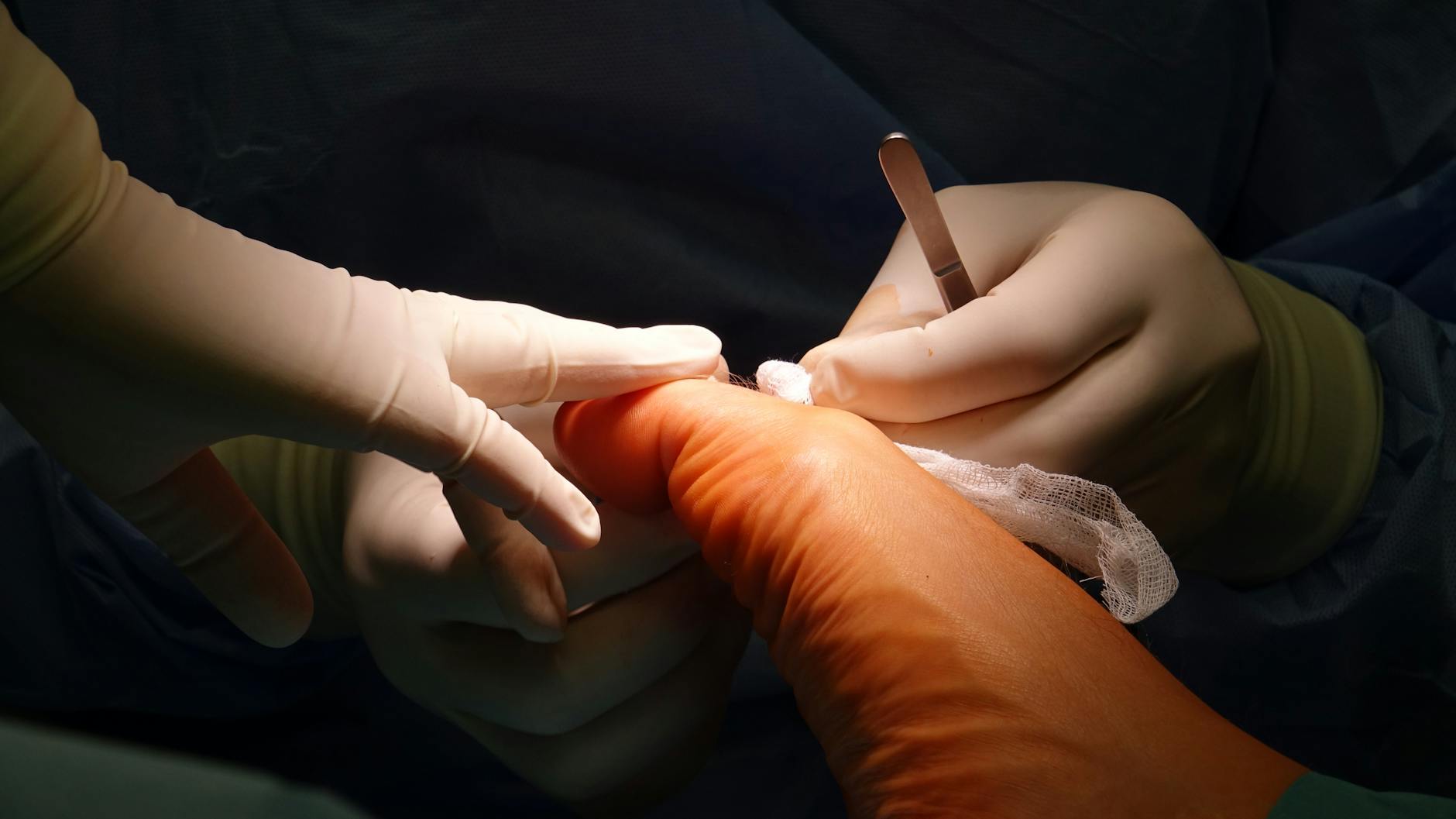
When your skin is cut during surgical excision, your body immediately begins a complex healing process that will always result in some form of scarring. This isn't a failure of healing—it's your body's natural way of repairing damaged tissue.
The healing process occurs in three distinct phases. First, inflammation begins within hours as blood clots form and your immune system responds to the wound. Next, the proliferation phase starts around day three, when your body produces new collagen fibers to rebuild the tissue. Finally, the remodeling phase can last up to two years as your body reorganizes and strengthens the new tissue.
"Scarring is your body's natural way of repairing damaged tissue—it's a sign that healing is working properly."
Several factors influence your final scar appearance, including your age, skin type, genetics, and the location of the excision. Areas with more skin tension, like shoulders or chest, typically develop more noticeable scars than areas with less movement.
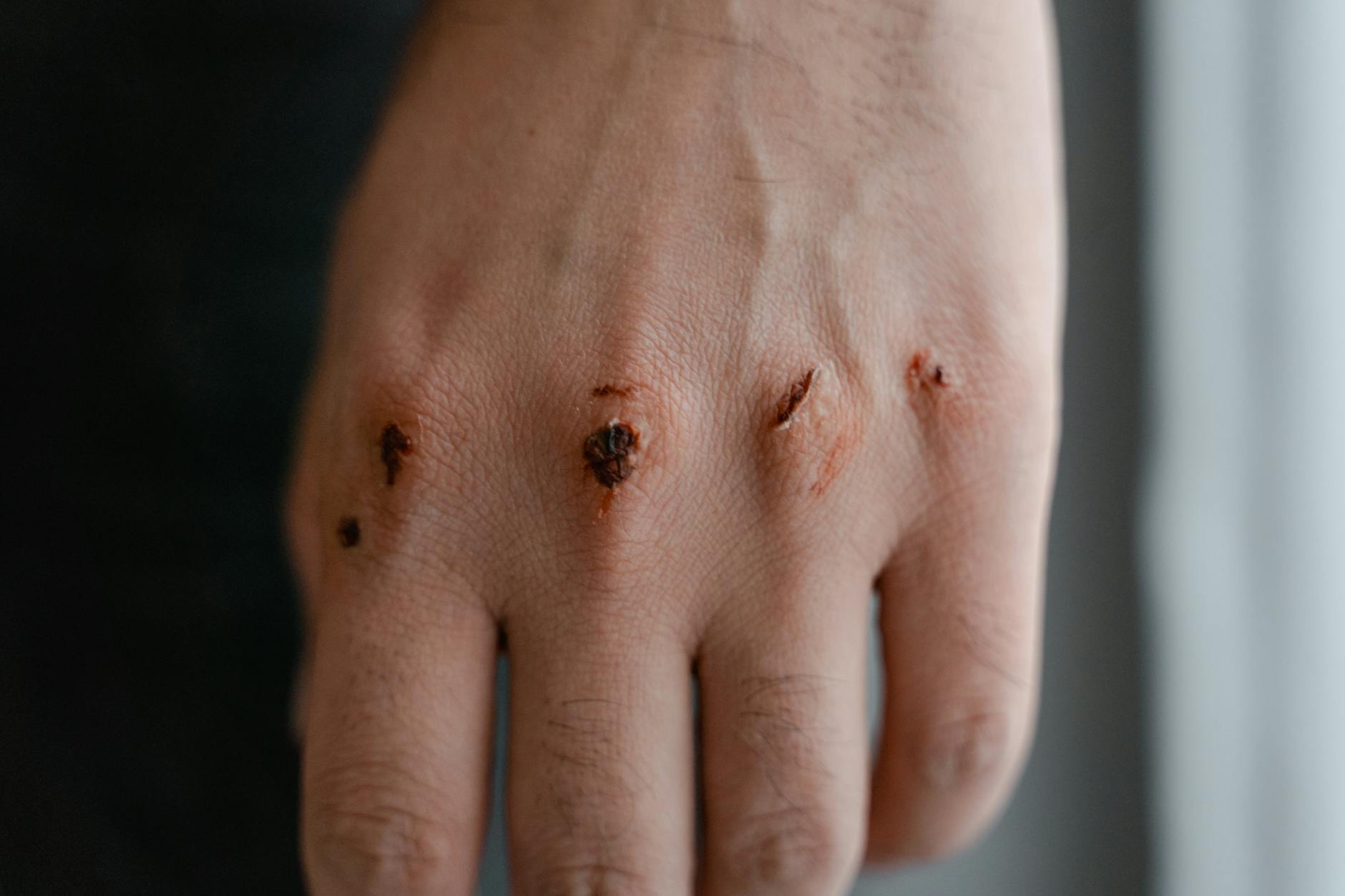
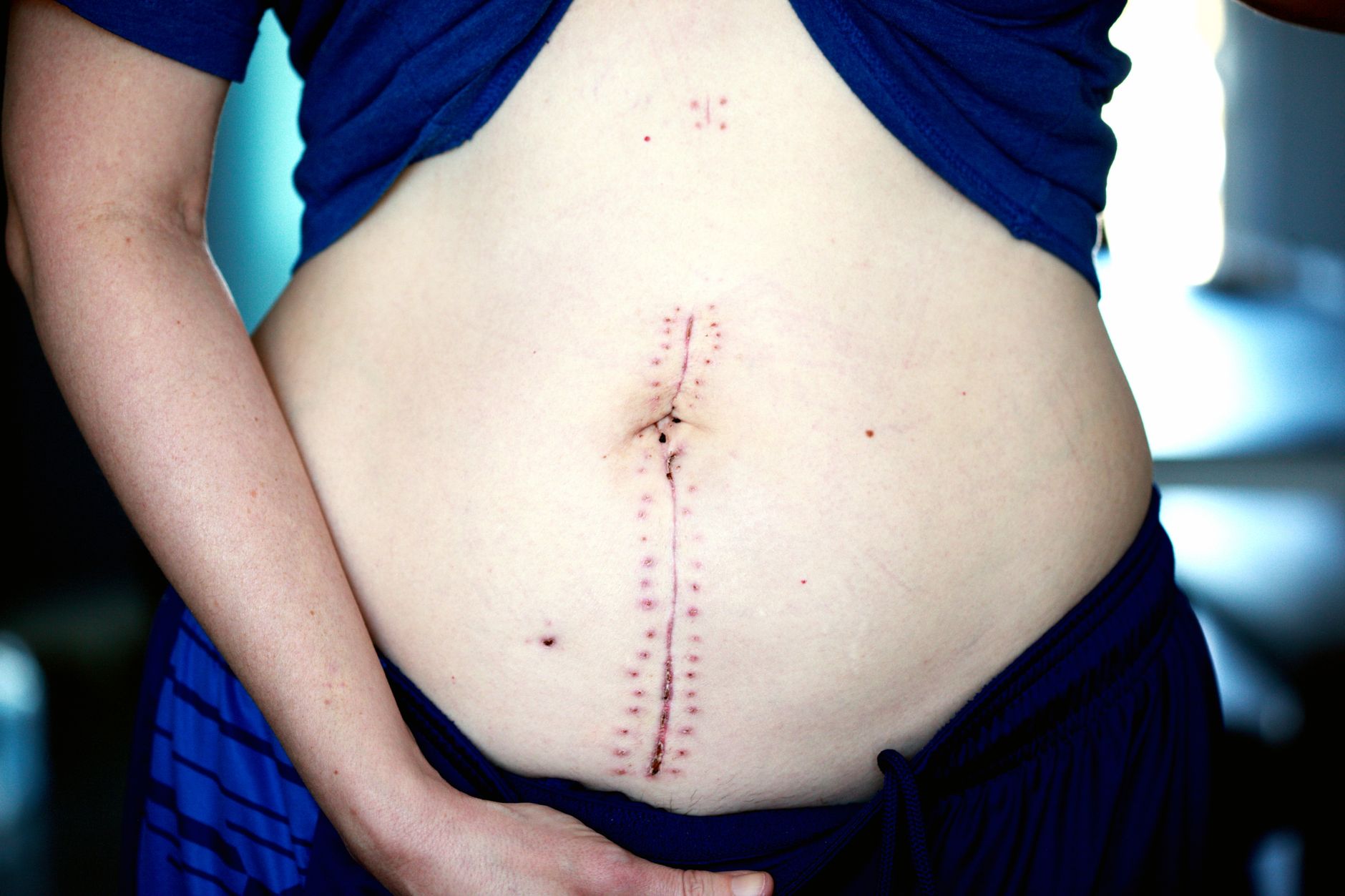
Most scars appear red and raised initially but gradually flatten and fade over 12 to 18 months. Understanding this timeline helps set realistic expectations—your scar will continue improving long after your initial healing period ends.
Factors That Affect Your Scar Appearance

Multiple factors influence how your surgical excision site will heal, with some beyond your control and others within your power to manage. Understanding these variables helps set realistic expectations and guides your recovery decisions.
Your genetics play a fundamental role in scar formation. Some people naturally produce more collagen during healing, leading to raised or keloid scars, while others heal with minimal visible marks. Your family history of scarring provides clues about your likely healing pattern.
“The location of your excision significantly impacts how noticeable your final scar will be.”
Body location matters tremendously. Areas with high skin tension like shoulders, chest, and joints typically develop more prominent scars than areas with loose skin like the upper arms or abdomen. For example, a mole removal on your back may result in a wider scar than the same procedure on your eyelid.
The size and depth of your excision directly correlate with scar visibility. Deeper cuts through multiple skin layers create more noticeable marks than shallow surface removals. Your age affects healing speed and quality, with younger skin generally recovering faster but sometimes forming thicker scars.
Most importantly, your post-operative care compliance significantly influences your final result, giving you direct control over optimizing your healing outcome.
Immediate Post-Surgery Scar Care (First 2 Weeks)
The first two weeks after surgical excision are critical for preventing permanent scarring. Your wound needs proper care to heal smoothly and minimize the risk of noticeable marks that could cause social embarrassment later.
Gently clean with saline solution twice daily and apply a thin layer of petroleum jelly or prescribed ointment.
Cover with a non-stick gauze pad and secure with medical tape, changing daily or when wet.
Skip swimming, hot tubs, vigorous exercise, and direct sun exposure until your dermatologist clears you.
Never let your wound dry out completely or form a thick scab. Moist wounds heal faster with less scarring than dry ones. Resist the urge to pick at any forming scabs, as this disrupts the healing process.
Call your dermatologist immediately if you notice increasing redness around the wound, pus, red streaking, fever, or if the wound opens up. Early intervention prevents complications that could worsen scarring outcomes.
Long-term Scar Management Strategies
Once your surgical site has healed completely (usually after 2-3 weeks), long-term scar management becomes crucial for minimizing appearance and preventing permanent marking that causes social embarrassment.
Silicone gel sheets and topical silicone gels represent the gold standard for scar treatment. Apply silicone sheets for 12-24 hours daily or use silicone gel twice daily for 3-6 months. These products create an optimal healing environment by maintaining moisture and reducing collagen overproduction.
Gentle massage techniques performed 2-3 times daily help break up scar tissue and improve flexibility. Use circular motions with light pressure for 5-10 minutes using your regular moisturizer.
Sun protection remains absolutely critical throughout the healing process. UV exposure can cause permanent hyperpigmentation in healing scars. Apply SPF 30+ sunscreen daily and reapply every 2 hours when outdoors.
Maintain consistent moisturizing with fragrance-free lotions containing ingredients like ceramides or hyaluronic acid. Professional treatments like Chemical Peels can address persistent scarring by removing damaged skin layers through controlled chemical exfoliation, improving texture and appearance over 1-4 weeks depending on peel depth.
When to Seek Additional Treatment

Most surgical excision scars heal well with basic care, but sometimes professional intervention becomes necessary. Understanding when your scar requires expert attention can prevent long-term cosmetic concerns and address your worries about permanent scarring.
Watch for signs of abnormal scarring that warrant medical evaluation. Raised, thick scars that grow beyond the original wound boundaries indicate hypertrophic or keloid formation. Persistent redness lasting beyond six months, ongoing pain or itching, and restricted movement around the scar site also signal problems. Deep indentations or irregular texture that worsen over time require professional assessment.
Several treatment options exist for problematic scars. Steroid injections reduce thick, raised scars effectively. Laser therapy improves texture and color irregularities. Surgical scar revision reshapes severely distorted areas. Microneedling stimulates collagen production for smoother surfaces.
Consider professional treatment six months after surgery if you notice concerning changes. Most interventions work best on mature scars that have stabilized. Early treatment of abnormal scarring produces better outcomes than waiting years to address problems.
Setting Realistic Expectations for Your Results
Understanding what successful healing looks like helps reduce anxiety about permanent scarring. A well-healed surgical excision site appears flat, soft, and closely matches your natural skin color. While the scar will always be visible to some degree, it should blend naturally with surrounding tissue.
Most scars follow a predictable timeline. During the first three months, expect redness and firmness as your skin rebuilds. The scar gradually softens and fades over six to twelve months, with final results visible around the one-year mark. Some patients see continued improvement for up to two years.
Your scar is ready for acceptance when it remains stable for several months without significant changes. Focus on function and health rather than achieving invisible results. Modern surgical techniques create scars that heal well and become less noticeable with time.
Successful surgical excision scars are flat, soft, and stable rather than completely invisible.
Frequently Asked Questions
How long does it take for surgical scars to heal completely?
Most surgical scars appear red and raised initially but gradually flatten and fade over 12 to 18 months. The remodeling phase of healing can last up to two years as your body reorganizes and strengthens the new tissue. Your scar will continue improving long after your initial healing period ends, so patience is important for the best results.
What factors affect how noticeable my surgical scar will be?
Several factors influence your final scar appearance, including your age, skin type, genetics, and the location of the excision. Areas with more skin tension, like shoulders or chest, typically develop more noticeable scars than areas with less movement. The size and depth of your excision also directly correlate with scar visibility, with deeper cuts creating more noticeable marks.
How should I care for my surgical wound in the first two weeks?
Keep the wound clean and moist by gently cleaning with saline solution twice daily and applying a thin layer of petroleum jelly or prescribed ointment. Cover with a non-stick gauze pad and secure with medical tape, changing daily or when wet. Avoid swimming, hot tubs, vigorous exercise, and direct sun exposure until your dermatologist clears you.
Is scarring after surgical excision normal?
Yes, when your skin is cut during surgical excision, your body will always result in some form of scarring. This isn't a failure of healing—it's your body's natural way of repairing damaged tissue. Scarring is actually a sign that healing is working properly.
Do genetics affect how my surgical scar will look?
Yes, your genetics play a fundamental role in scar formation. Some people naturally produce more collagen during healing, leading to raised or keloid scars, while others heal with minimal visible marks. Your family history of scarring provides clues about your likely healing pattern.
Disclaimer: This content is for informational purposes only and does not constitute medical advice. Always consult a qualified healthcare provider before making health decisions.