Quick Verdict: Which Method is Right for You?

Choosing the right removal method depends on your specific situation and priorities. Surgical excision works best when doctors suspect cancer or need tissue analysis, offering complete removal with clear margins. This method provides definitive results but creates larger wounds that take longer to heal.
“The right removal method balances your medical needs with your cosmetic goals.”
For purely cosmetic concerns, less invasive options like laser removal, cryotherapy, or shave excision often prove superior. These methods typically heal faster with minimal scarring, addressing your concerns about permanent marks or social visibility during recovery.
Consider three key factors when deciding: the lesion's location affects healing visibility, size determines complexity, and your healing preferences matter for recovery planning. Facial lesions benefit from gentler approaches, while body lesions can handle more aggressive removal. Your dermatologist will evaluate suspicious features and recommend the safest, most effective approach for your unique situation.
Surgical Excision: The Complete Removal Standard

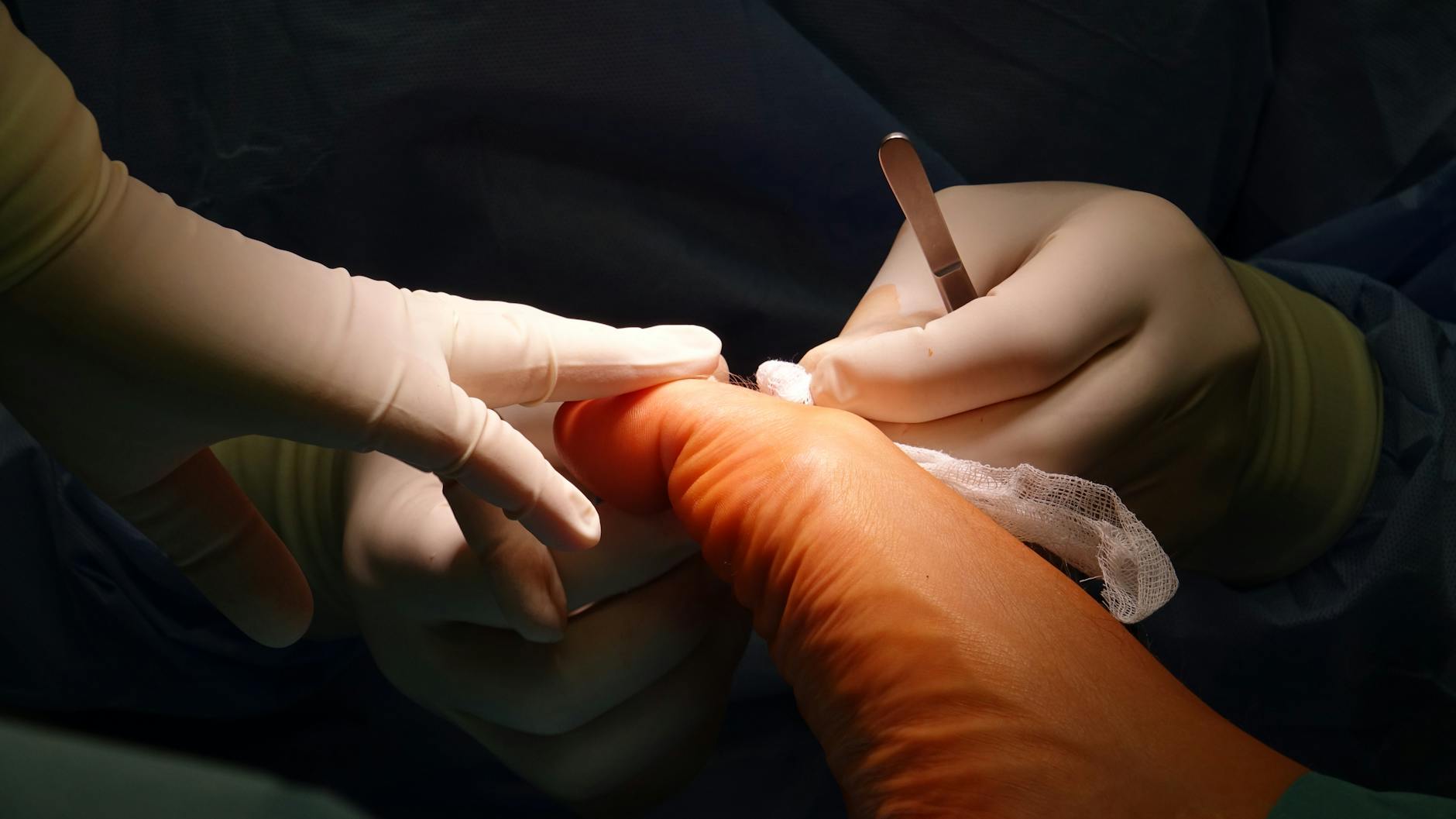
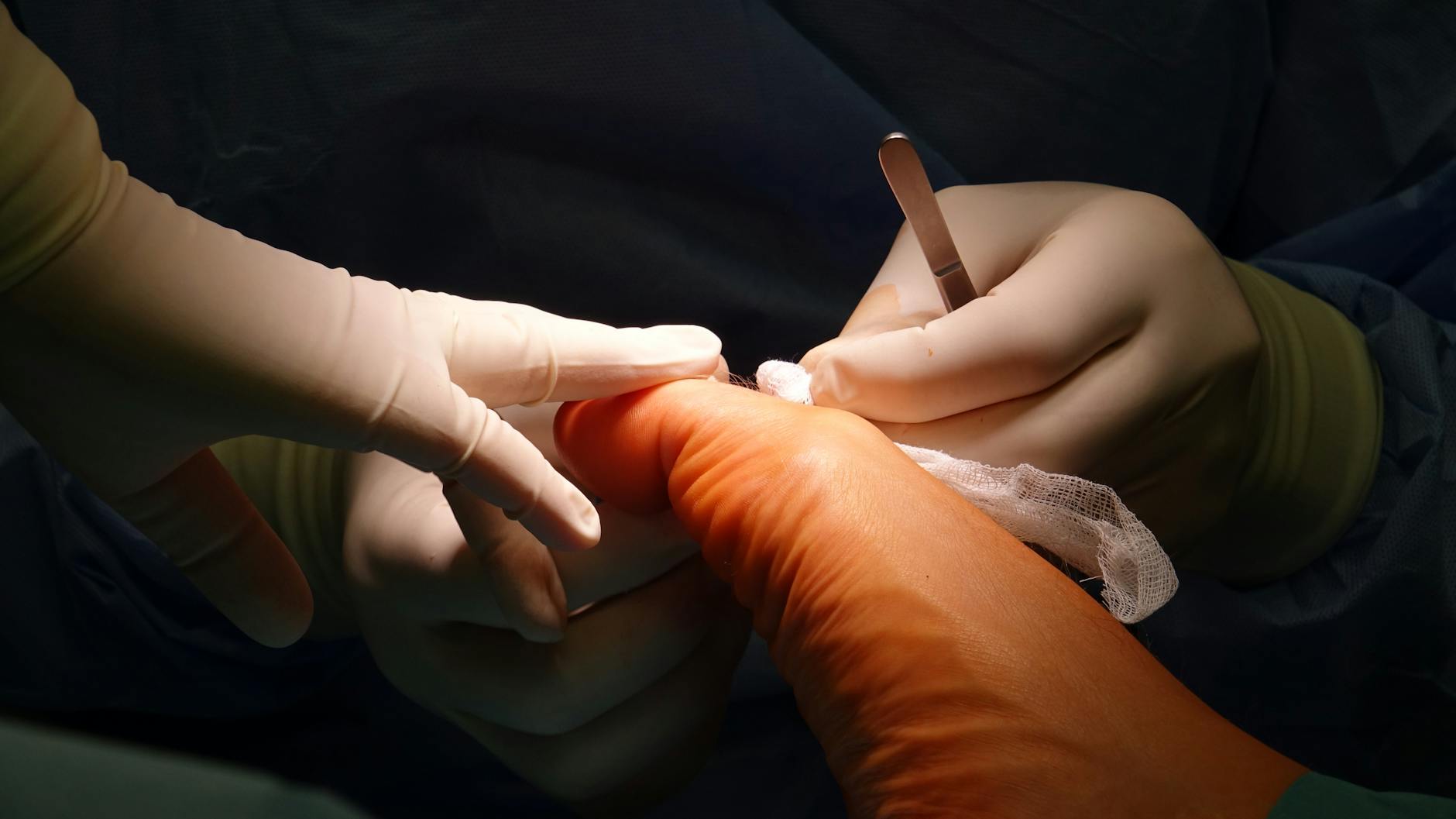
Surgical excision represents the gold standard for skin lesion removal, offering the most thorough approach available. During this procedure, your dermatologist cuts out the entire lesion along with a margin of healthy tissue surrounding it. This margin ensures complete removal and reduces the likelihood of recurrence.
“Surgical excision removes not just what you see, but also what you don't—the microscopic cells that could cause problems later.”
The removed tissue goes to a pathology lab for analysis, providing definitive diagnosis and confirming whether all abnormal cells were eliminated. For example, when removing a suspicious mole, the pathologist examines the entire specimen under a microscope to determine if cancer cells are present and whether the margins are clear.
This method requires sutures to close the wound, typically removed within one to two weeks. The healing process takes longer compared to other removal methods—usually several weeks for initial healing and up to six months for the scar to mature. While scarring concerns are natural, skilled dermatologists place incisions strategically to minimize visible marks and often achieve excellent cosmetic results.
Surgical excision works best for larger lesions, suspicious growths requiring biopsy, or when complete removal is medically necessary. The trade-off between invasiveness and thoroughness makes this method ideal when certainty matters most.
Alternative Removal Methods Compared
While surgical excision provides the gold standard for complete removal, several alternative methods offer different advantages depending on your specific needs and skin concerns.
Laser removal uses focused light energy to target specific skin issues with remarkable precision. Unlike surgical cutting, lasers can selectively destroy unwanted tissue while preserving surrounding healthy skin. This method works particularly well for pigmented lesions, small growths, and vascular issues. The controlled nature of laser treatment often results in minimal scarring, addressing one of patients' biggest concerns about skin procedures.
Cryotherapy offers a quick, office-based solution that freezes unwanted tissue using liquid nitrogen. This freezing process destroys cells by forming ice crystals within them. The treatment takes just minutes, making it ideal for busy schedules. However, cryotherapy works best on surface-level lesions and may require multiple sessions for complete removal.
Electrosurgery combines electrical current with various techniques to remove tissue efficiently. This versatile method can cut, coagulate, or destroy tissue depending on the current type used. Electrosurgery provides excellent control and can handle both cutting and bleeding control simultaneously.
Chemical Peels represent a non-invasive approach for surface-level skin improvements. These acid treatments remove damaged skin layers through controlled chemical exfoliation, improving texture and appearance. Chemical peels effectively address acne scars, fine lines, age spots, and uneven skin tone. The procedure involves cleansing the skin, applying the chemical solution evenly, and allowing it to work for a predetermined time before neutralization.
Method-by-Method Comparison Table
Understanding how different removal methods stack up helps you make an informed choice. Each approach offers distinct advantages and trade-offs that matter for your specific situation.
Surgical excision ranks highest for invasiveness but provides complete tissue removal for biopsy testing. Recovery typically takes two to four weeks with potential for linear scarring. Laser removal offers moderate invasiveness with one to three weeks recovery time and minimal scarring risk, though biopsy capability is limited.
Cryotherapy presents the least invasive option with five to ten days healing time. While scarring potential remains low, the freeze-thaw process destroys tissue samples needed for pathology testing. Cost varies significantly, with cryotherapy being most affordable and surgical excision commanding higher fees due to complexity.
Your scarring concerns are valid, but modern techniques minimize visible marks across all methods. The key lies in choosing the approach that balances your cosmetic goals with medical necessity for proper diagnosis.
When to Choose Surgical Excision Over Alternatives

Surgical excision becomes the clear winner in specific situations where precision and complete removal matter most. While concerns about scarring are natural, certain circumstances make excision the safest choice for your long-term health.
Choose surgical excision when dealing with suspicious or changing lesions that require pathological examination. Any mole showing asymmetry, irregular borders, color changes, or diameter growth needs complete removal with tissue analysis. For example, a mole that darkens or develops an irregular edge requires surgical removal rather than laser treatment, which destroys tissue and prevents biopsy.
Deep lesions extending beyond surface skin layers require surgical intervention. Cryotherapy and laser treatments only affect superficial tissue, making them ineffective for deep growths. Recurrent lesions that return after previous treatments also demand surgical excision to ensure complete removal and prevent future regrowth.
When Alternative Methods Make More Sense
Less invasive options often provide better results for certain skin concerns without the downtime or scarring risks of surgery. When you're dealing with purely cosmetic issues like fine lines, age spots, or uneven texture, gentler approaches typically deliver excellent outcomes while keeping your skin intact.
Chemical Peels work particularly well for multiple small lesions or widespread sun damage. These acid treatments remove damaged skin layers through controlled chemical exfoliation, improving acne scars, fine lines, and uneven skin tone across your entire face, neck, or hands. The skin is cleansed, chemical solution applied evenly, then neutralized after a predetermined time.
Choose alternatives when you want minimal downtime, need to treat large areas, or prefer gradual improvement over immediate removal. Recovery typically involves 7-14 days of sun avoidance and gentle skincare, with visible results appearing within 1-4 weeks depending on treatment depth.
Select the least invasive method that effectively addresses your specific skin concern to minimize risks while achieving your desired results.
Frequently Asked Questions
Which skin lesion removal method is best for cancer concerns?
Surgical excision is the gold standard when doctors suspect cancer or need tissue analysis. This method removes the entire lesion along with a margin of healthy tissue and sends it to a pathology lab for definitive diagnosis. While it creates larger wounds that take longer to heal, it provides the most thorough removal and reduces the likelihood of recurrence.
What removal methods cause the least scarring?
Laser removal, cryotherapy, and shave excision typically cause minimal scarring compared to surgical excision. Laser removal uses focused light energy to selectively destroy unwanted tissue while preserving surrounding healthy skin. These less invasive methods heal faster and are ideal for purely cosmetic concerns where minimal scarring is a priority.
How long does surgical excision take to heal?
Surgical excision requires sutures that are typically removed within one to two weeks. Initial healing takes several weeks, while the scar can take up to six months to fully mature. The healing process is longer compared to other removal methods due to the more invasive nature of the procedure.
What factors should I consider when choosing a removal method?
Consider three key factors: the lesion's location, size, and your healing preferences. Facial lesions benefit from gentler approaches like laser removal, while body lesions can handle more aggressive removal methods. The size determines complexity, and your healing preferences matter for recovery planning and cosmetic outcomes.
How does cryotherapy work for skin lesion removal?
Cryotherapy freezes unwanted tissue using liquid nitrogen, which destroys cells by forming ice crystals within them. The treatment takes just minutes and is ideal for busy schedules. However, it works best on surface-level lesions and may require multiple sessions for complete removal.
Disclaimer: This content is for informational purposes only and does not constitute medical advice. Always consult a qualified healthcare provider before making health decisions.