What Is Surgical Excision?

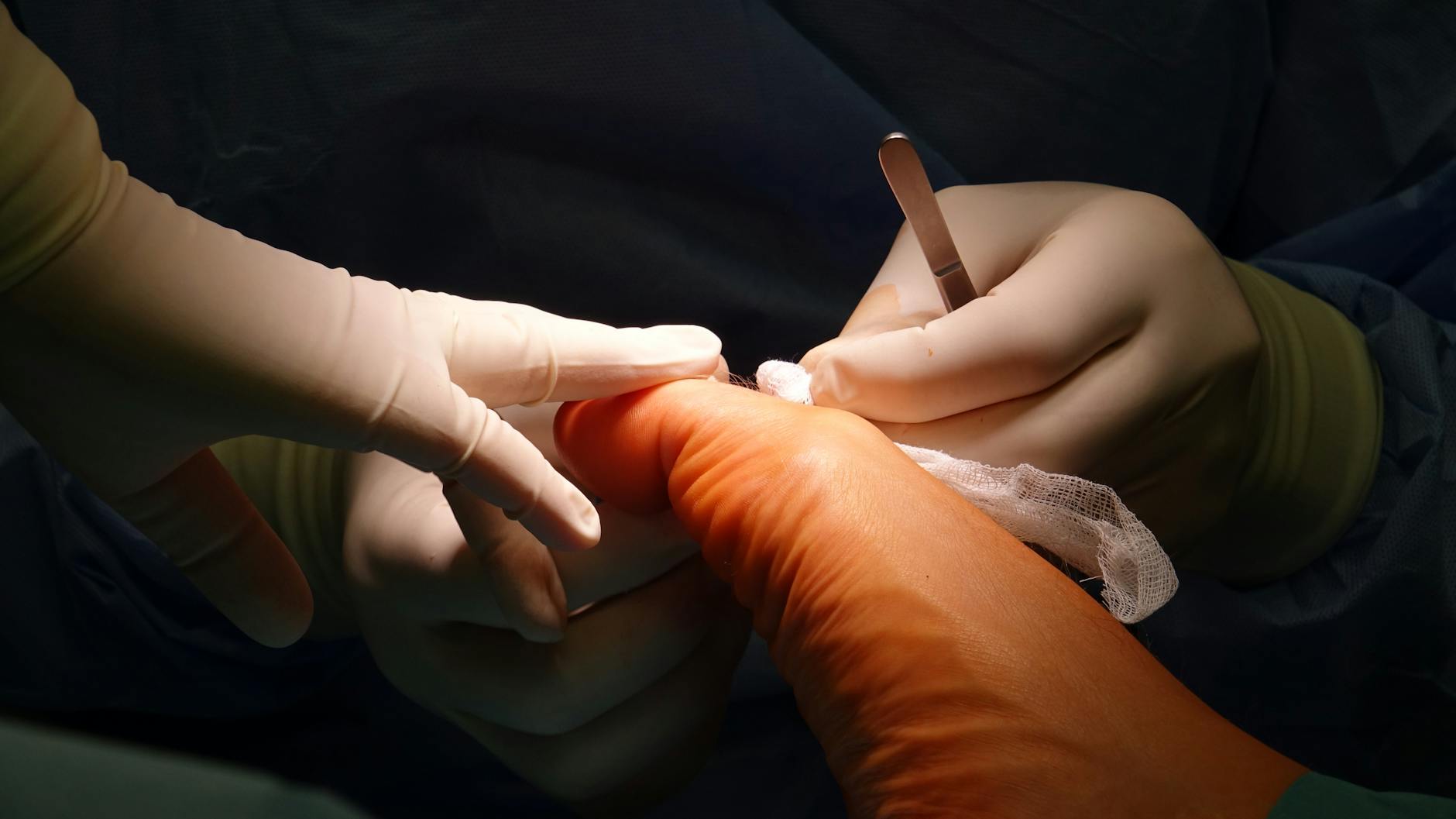
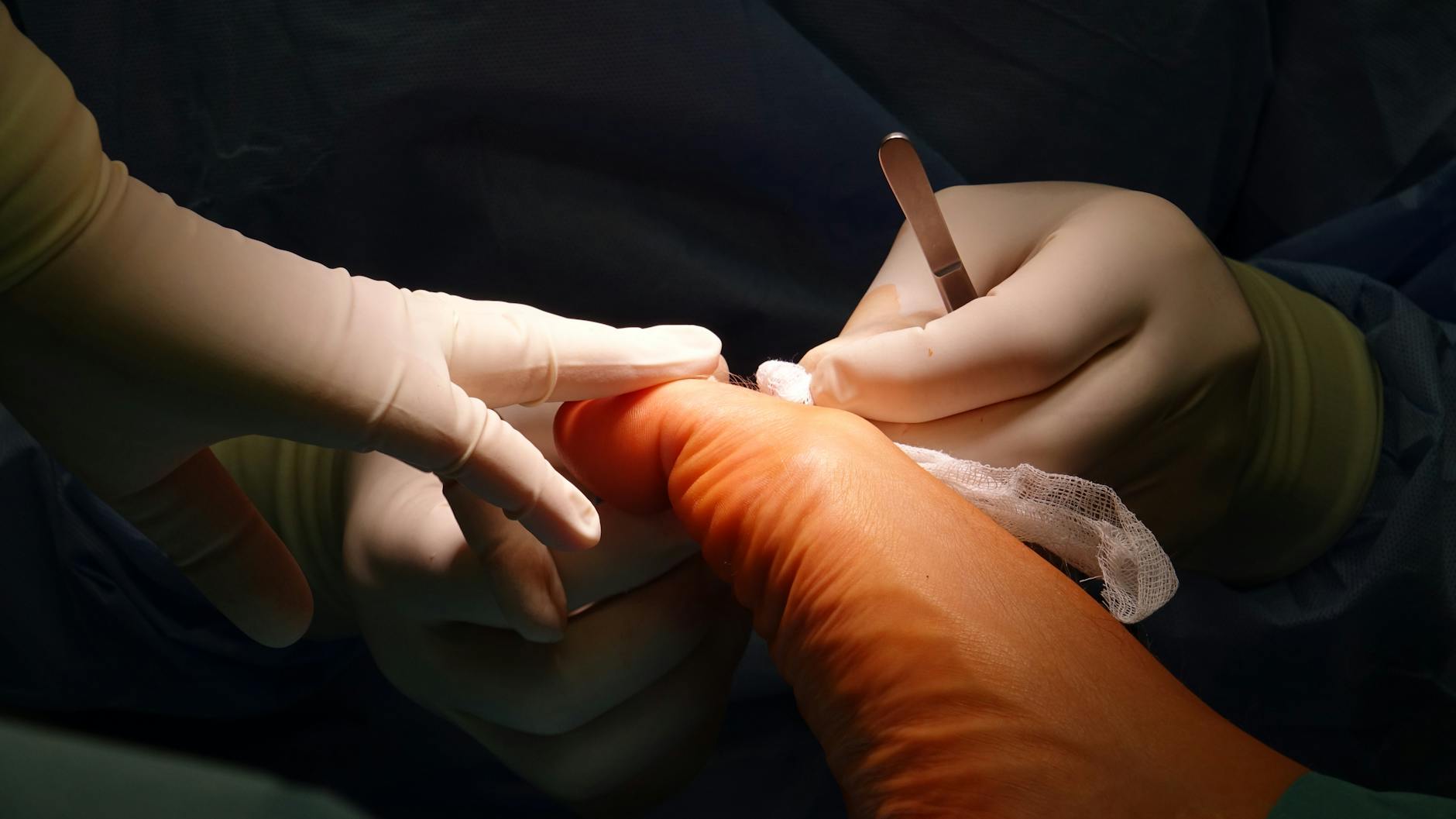
Surgical excision is a precise medical procedure where a dermatologist uses a scalpel to completely remove abnormal skin tissue, along with a small margin of healthy tissue around it. Think of it like carefully cutting out a problem area with clean, controlled edges rather than scraping or burning it away.
“Surgical excision allows dermatologists to completely remove concerning tissue while preserving as much healthy skin as possible.”
This technique differs significantly from other skin removal methods. While procedures like laser therapy or chemical peels work on the surface, surgical excision goes deeper to remove the entire lesion from top to bottom. Cryotherapy freezes tissue, and electrosurgery burns it, but excision physically cuts it out completely.
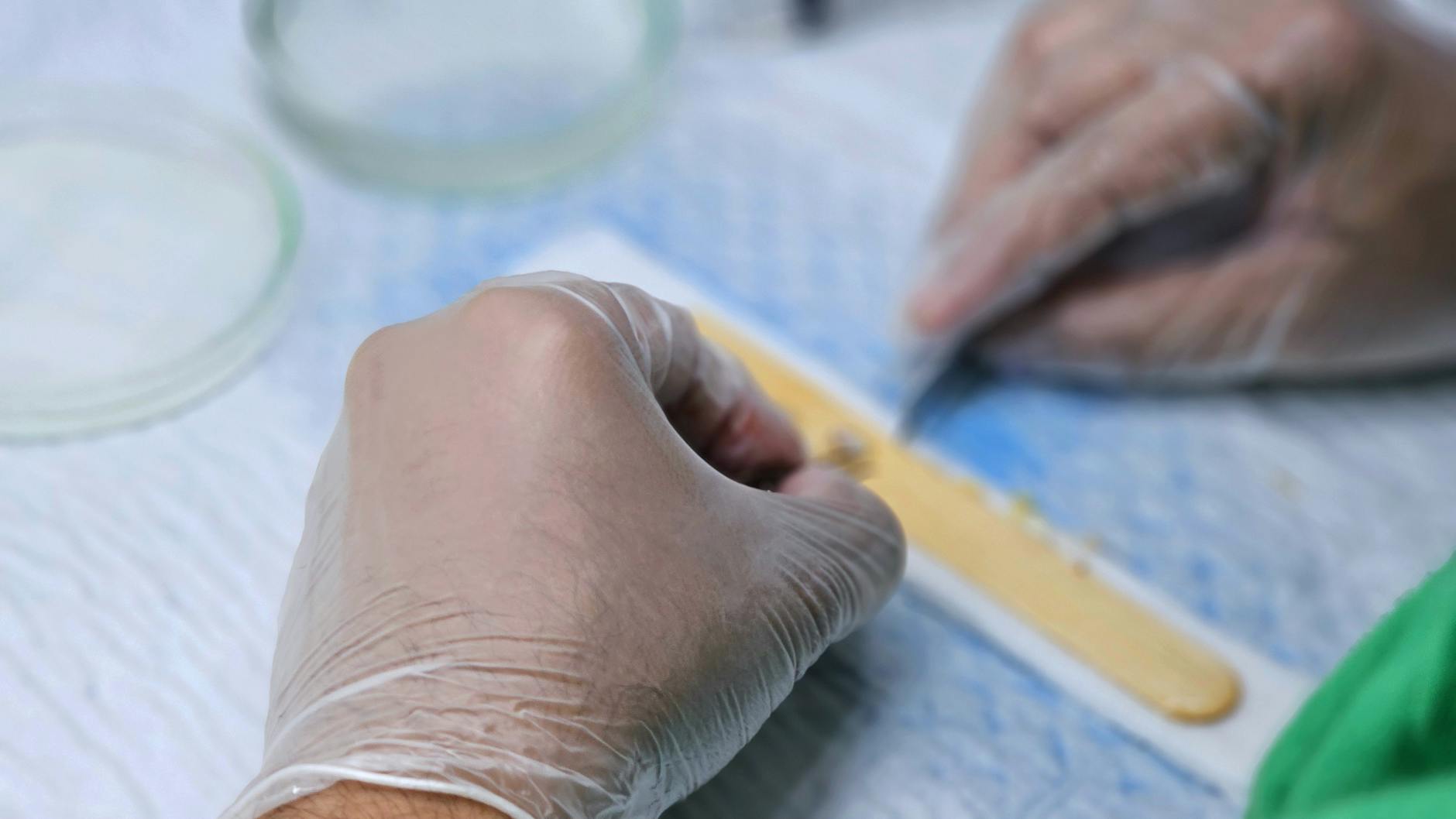
Dermatologists rely on surgical excision for both diagnosis and treatment. When they remove suspicious moles or growths, the tissue goes to a laboratory for analysis. This dual purpose makes excision particularly valuable—you get treatment and definitive answers about what was removed.
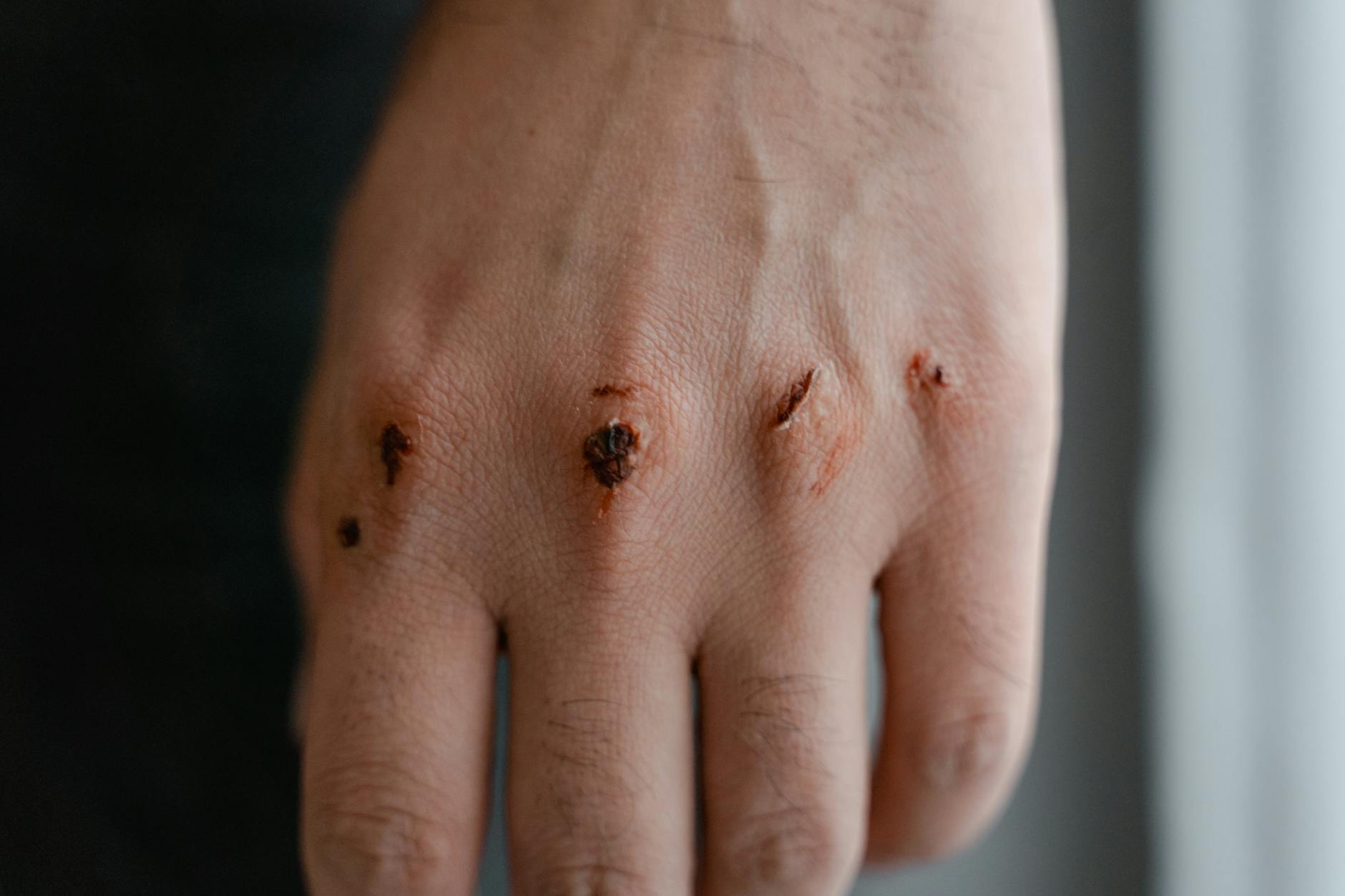
For example, if you have a changing mole, your dermatologist might recommend excision to remove it completely and test whether it contains cancerous cells. While the procedure does create a small scar, skilled dermatologists use techniques to minimize scarring and ensure the best cosmetic outcome possible.
When Do Dermatologists Recommend Surgical Excision?

Dermatologists recommend surgical excision when they need to completely remove concerning skin growths and obtain clear margins around the affected tissue. This approach becomes necessary in specific situations where other treatments aren't sufficient or appropriate.
Suspicious or changing moles represent the most common reason for surgical excision. When a mole develops new colors, irregular borders, or grows rapidly, doctors need to remove the entire lesion for laboratory analysis. For example, a mole that suddenly becomes asymmetrical or develops a rough texture requires complete removal to rule out melanoma.
“Surgical excision allows us to remove the entire lesion and examine every cell under a microscope.”
Confirmed skin cancer cases almost always require surgical excision. Basal cell carcinomas, squamous cell carcinomas, and melanomas need complete removal with healthy tissue margins to prevent recurrence. The procedure ensures no cancer cells remain behind.
Large or deeply rooted lesions that extend into multiple skin layers require surgical removal because surface treatments can't reach the base. Previous treatment failures, such as lesions that return after freezing or laser therapy, also indicate the need for complete surgical excision to achieve permanent removal.
How Surgical Excision Compares to Other Treatment Options
When dermatologists evaluate skin concerns, they choose from several treatment methods based on the specific condition, size, and depth of the problem. Understanding these options helps you make informed decisions about your care without worrying about permanent scarring from the wrong choice.
Surgical excision differs significantly from cryotherapy, which uses liquid nitrogen to freeze abnormal tissue. While cryotherapy works well for small, superficial lesions like warts or thin skin cancers, it cannot provide tissue samples for pathology testing. Surgical excision offers complete removal and diagnostic certainty, making it essential for suspicious growths where cancer screening matters.
Laser removal targets specific pigments or blood vessels, making it effective for birthmarks, tattoos, or vascular lesions. However, lasers cannot remove deep growths or provide tissue samples. Your dermatologist might recommend multiple laser sessions instead of one surgical procedure.
Chemical Peels offer another alternative for surface-level concerns. These acid treatments remove damaged skin layers to improve texture and appearance through controlled chemical exfoliation. Chemical peels work best for acne scars, fine lines, age spots, and uneven skin tone across the face, neck, chest, and hands. The procedure involves cleansing skin, applying chemical solution evenly, leaving it for predetermined time, then neutralizing it. Results appear within 1-4 weeks depending on peel depth.
Each approach has specific strengths: surgical excision provides complete removal with diagnostic capability, while alternatives offer less invasive options for appropriate conditions.
What to Expect During Surgical Excision
Understanding what happens during surgical excision helps ease anxiety and prepares you for a straightforward procedure. Most patients find the experience much less daunting than they initially feared.
Your doctor injects lidocaine around the treatment area using a thin needle, creating complete numbness within minutes.
The surgeon carefully removes the lesion with a small margin of healthy tissue using a scalpel.
The area is closed with stitches or surgical strips, depending on the size and location.
The actual cutting takes only a few minutes, even for larger lesions. You'll feel pressure and tugging but no pain thanks to the anesthesia. Many patients describe it as similar to getting a dental filling.
While concerns about scarring are natural, skilled dermatologists use precise techniques to minimize tissue trauma. The injection creates a slight burning sensation for about ten seconds, but this quickly fades. Most procedures finish within 15-30 minutes from start to finish.
After completion, you'll receive detailed aftercare instructions and can typically drive yourself home. The numbness wears off gradually over 2-4 hours, revealing only mild tenderness at the site.
Who Is a Good Candidate for Surgical Excision?

Most people who need suspicious moles, cysts, or skin growths removed qualify as good candidates for surgical excision. Your dermatologist will evaluate your specific situation, but generally healthy adults without bleeding disorders or active infections at the treatment site make ideal candidates.
Certain medical conditions require extra consideration. If you take blood thinners like warfarin or have diabetes, your doctor may need to adjust your medication or monitor healing more closely. People with compromised immune systems might face slightly higher infection risks but can still undergo the procedure with proper precautions.
Age typically doesn't disqualify anyone from surgical excision. Children and elderly patients regularly receive this treatment when medically necessary. However, very young children may need general anesthesia instead of local numbing for complex procedures.
The procedure leaves a linear scar, but skilled dermatologists minimize this through careful technique and proper wound care. Modern suturing methods help achieve excellent cosmetic results, especially when you follow post-procedure instructions carefully.
Schedule a consultation if you notice any changing, bleeding, or concerning skin growths. Your dermatologist can determine whether surgical excision represents the best treatment option for your specific case and skin type.
Making Your Decision: Next Steps
Taking the next step requires preparation and the right questions. Schedule a consultation with a board-certified dermatologist who specializes in surgical procedures to discuss your specific situation.
Write down concerns about scarring, recovery time, and alternative treatments before your appointment.
Take clear photos of the area and note any changes in size, color, or texture.
Ask about non-surgical alternatives and understand why excision might be recommended for your case.
Your dermatologist will examine the lesion, discuss risks including potential scarring, and explain the procedure in detail. They may recommend waiting, monitoring, or proceeding based on your skin's condition and health history.
Professional evaluation is essential for determining if surgical excision is right for your skin concern.
Frequently Asked Questions
What is surgical excision and how does it work?
Surgical excision is a precise medical procedure where a dermatologist uses a scalpel to completely remove abnormal skin tissue, along with a small margin of healthy tissue around it. Unlike surface treatments like laser therapy or chemical peels, surgical excision goes deeper to remove the entire lesion from top to bottom by physically cutting it out completely. This technique allows dermatologists to completely remove concerning tissue while preserving as much healthy skin as possible.
When do doctors recommend surgical excision for skin problems?
Dermatologists recommend surgical excision when they need to completely remove concerning skin growths and obtain clear margins around the affected tissue. The most common reasons include suspicious or changing moles that develop new colors, irregular borders, or grow rapidly, as well as confirmed skin cancer cases like basal cell carcinomas, squamous cell carcinomas, and melanomas. Large or deeply rooted lesions that extend into multiple skin layers and previous treatment failures also indicate the need for complete surgical excision.
What is the success rate for surgical excision of skin cancer?
Surgical excision has a 95% cure rate for excised skin cancers when performed properly with appropriate safety margins. The procedure typically requires removing 2-5 millimeters of healthy tissue around the cancer to ensure complete removal and prevent recurrence. Additionally, 85% of excision sites heal with minimal scarring when performed by skilled dermatologists using proper techniques.
How is surgical excision different from other skin treatments?
Surgical excision physically cuts out the entire lesion from top to bottom, while other treatments work differently on the skin surface or use alternative methods. Cryotherapy freezes tissue with liquid nitrogen, electrosurgery burns tissue, and laser therapy or chemical peels work primarily on the surface layers. Unlike these methods, surgical excision provides both treatment and diagnostic value since the removed tissue can be sent to a laboratory for complete analysis.
Disclaimer: This content is for informational purposes only and does not constitute medical advice. Always consult a qualified healthcare provider before making health decisions.